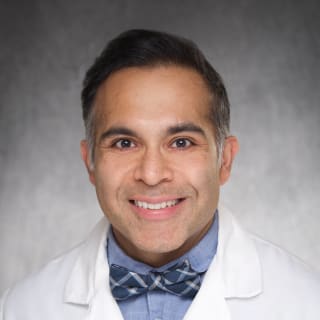
will be traveling to Colombia as part of a multidisciplinary medical mission team providing essential perioperative, anesthesia, and acute care services to underserved communities with limited access to consistent medical support. Our project focuses on improving access to safe surgery and critical care for patients who otherwise face significant delays or barriers in receiving timely treatment.
During this mission, I will contribute my expertise as a critical care anesthesiologist in the evaluation and management of patients requiring surgical procedures and acute resuscitative care. I will assist with anesthesia delivery, airway management, optimization of perioperative physiology, and stabilization of critically ill patients. A key component of this project is education: I will work closely with local clinicians and trainees through bedside teaching, case-based learning, and skills training to help enhance clinical confidence and support long-term capacity building.
This mission will make a difference by delivering immediate, high-quality care to individuals who might otherwise go untreated, while also strengthening the skills and systems of the local healthcare teams we partner with. By combining direct clinical work with sustainable educational efforts, the project aims to create lasting improvements in patient care beyond our short-term presence.
The primary population served will be residents of resource-limited communities in Colombia who face significant barriers to accessing surgical and acute medical care. Many individuals in these regions live far from tertiary medical centers, have limited financial means, and rely on sporadic outreach services for essential health needs. This often leads to untreated surgical conditions, delayed diagnoses, preventable complications, and avoidable morbidity.
Our work will focus on patients requiring anesthetic and perioperative support—from children needing basic procedures to adults with neglected surgical disease. Additionally, the mission will support local healthcare staff who work under challenging circumstances with limited equipment and training resources. By strengthening their skills and confidence, we indirectly benefit entire communities that depend on them for ongoing medical care.
This population is selected because they represent some of the most medically vulnerable groups in the region—individuals for whom even basic procedures can be life-changing. Supporting them helps bridge the gap between need and access, improving health outcomes and strengthening the local system’s ability to continue delivering care long after the mission concludes.
The expected impact of this mission is twofold: immediate improvements in patient outcomes through direct clinical care, and long-term capacity building within the local health system. In the short term, patients will receive safe anesthesia, perioperative optimization, and critical care support that enable essential procedures and reduce complications. Many of these interventions directly prevent disability, restore function, or address long-standing conditions that limit quality of life.
The longer-term impact will come from the training, mentoring, and skills transfer provided to local clinicians. Through hands-on teaching, collaborative case discussions, and shared decision-making, I aim to enhance local providers’ ability to independently manage complex perioperative and acute care situations. These learnings will help strengthen clinical practice and support safer, more consistent care long after the mission concludes.
Upon returning, I will integrate these experiences into my work by sharing insights with colleagues, trainees, and institutional global health partners. This will improve cultural competency, highlight system-level opportunities, and inform future global health collaborations. The mission will contribute not only to better care in Colombia but also to broader improvements in how we teach, deliver, and advocate for equitable healthcare.


Medical Mission Recap – Bucaramanga, Colombia
This year’s medical mission to Bucaramanga was a powerful reminder of why many of us chose medicine in the first place. Alongside an incredible multidisciplinary team, we cared for patients who often travel long distances and wait patiently for access to specialized care. Each encounter carried both humility and gratitude—humility in witnessing the resilience of our patients and gratitude for the opportunity to help.
The days were long, the resources limited, and the needs immense. Yet the clinics were filled with smiles, hope, and an unwavering sense of community. From evaluating complex conditions to offering reassurance and education, every interaction reinforced how meaningful compassionate care can be.
Beyond the clinical work, the mission was deeply transformative personally. It reminded me that medicine extends far beyond technology and infrastructure—it is ultimately about connection, service, and humanity. Seeing the joy and relief on patients’ faces after receiving care is something that stays with you long after the mission ends.
I am grateful to the Doximity Foundation for supporting initiatives like this that allow physicians to extend care beyond traditional boundaries. Experiences like this not only impact patients but also renew our own sense of purpose in medicine.