As an Army veteran, I have acquired vital medical skills for treating soldiers in challenging environments. Now, I am committed to sharing this expertise with healthcare providers in Sierra Leone. My objective is to equip midwives with point-of-care ultrasound training, enabling them to identify high-risk pregnancies. By doing so, we can ensure that expectant mothers deliver in safer conditions, where surgical resources are available if complications arise. This initiative can significantly improve maternal and neonatal outcomes in the region.
Women and children of Sierra Leone will benefit from this endeavor. Did you know that, according to the WHO, Sierra Leone's maternal mortality is 325 per 1000 000 live births, and the infant mortality is 82 deaths per 1,000 live births. Now compare that to 18.3 in 100,000 maternal infant mortality and 5.2 deaths per 1,000 live births, that is a 1, 476 % increase in infant deaths between these two countries. The staggering numbers alone are a call for help, and this is my way of contributing.
Women and children in Sierra Leone stand to gain so much from this endeavor! According to the WHO, Sierra Leone's maternal mortality rate is 325 per 100,000 live births, and the infant mortality rate is 82 per 1,000 live births. In contrast, the US has a rate of 18.3 per 100,000 for maternal mortality and 5.2 per 1,000 for infants. This reveals an astonishing 1,476% increase in infant deaths between these two countries. These staggering numbers serve as a powerful call for help, and I’m inspired to contribute in any way I can.




Reflections from a 5-Day Mission: Tenki, Inc. Equipping Midwives and Transforming Maternal Care
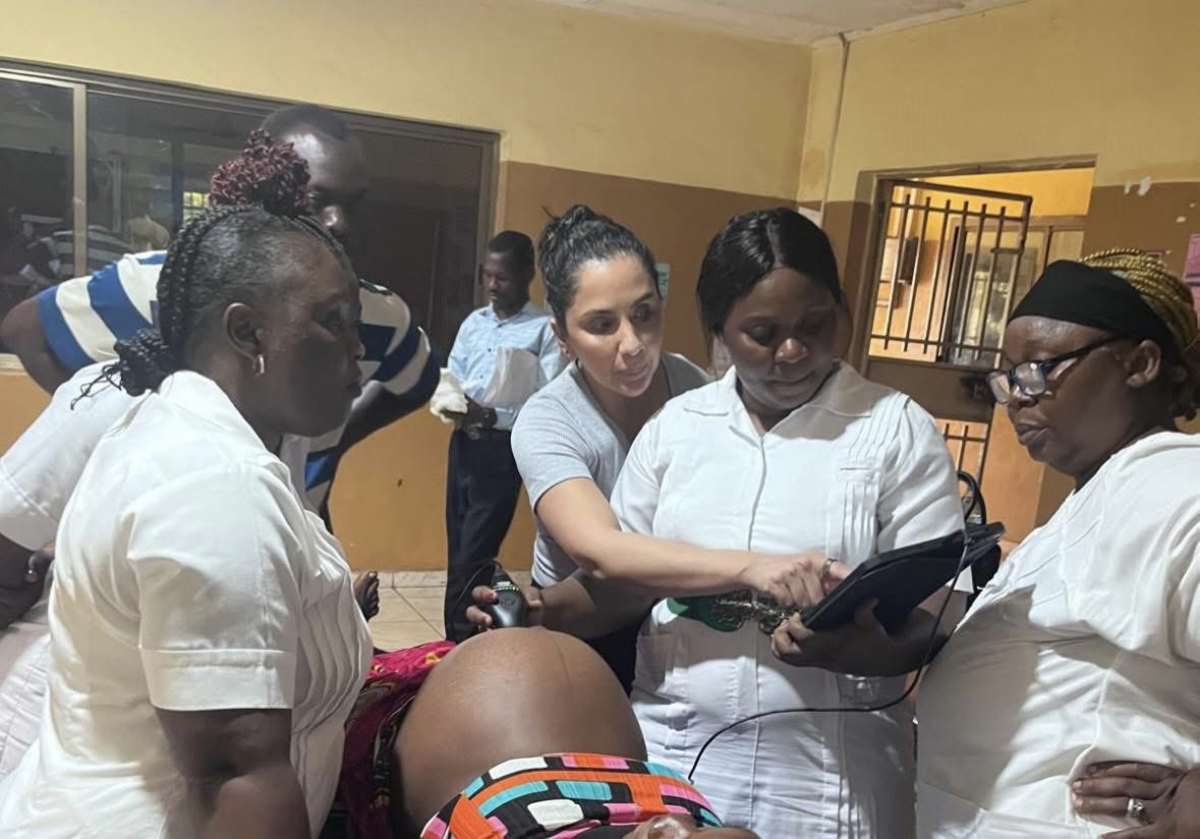
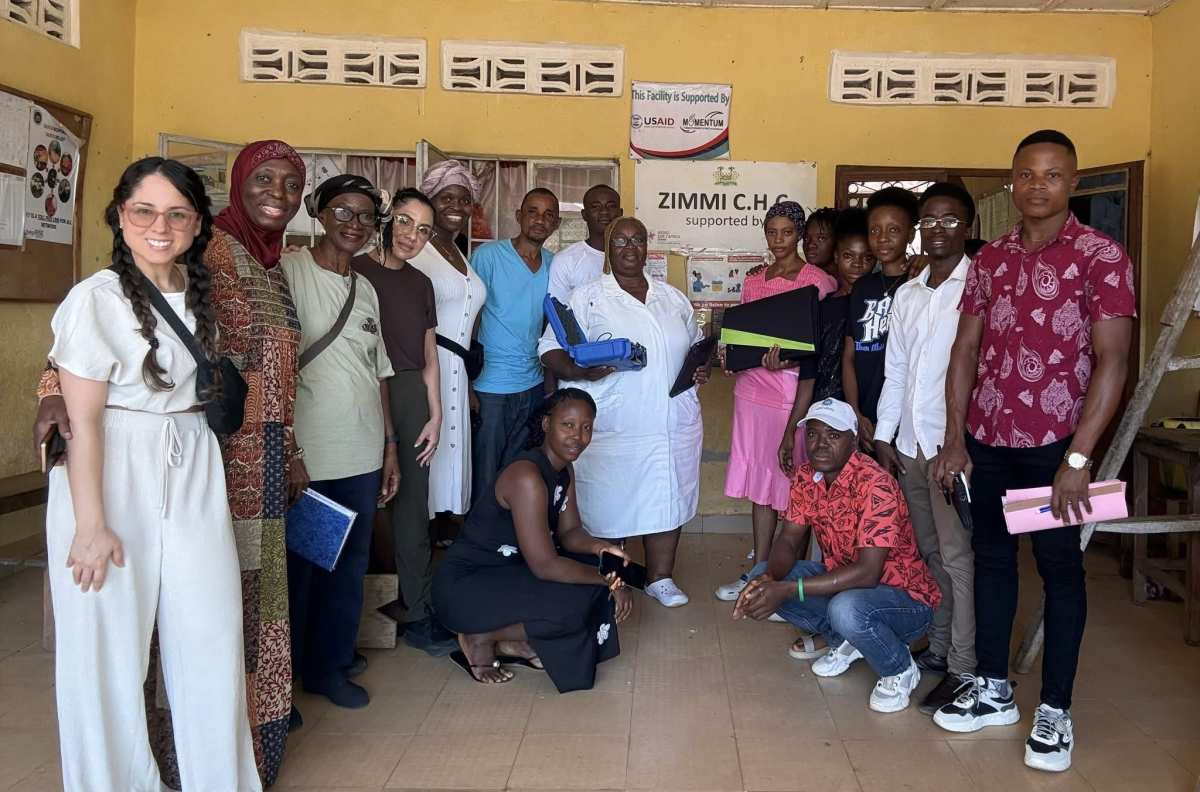
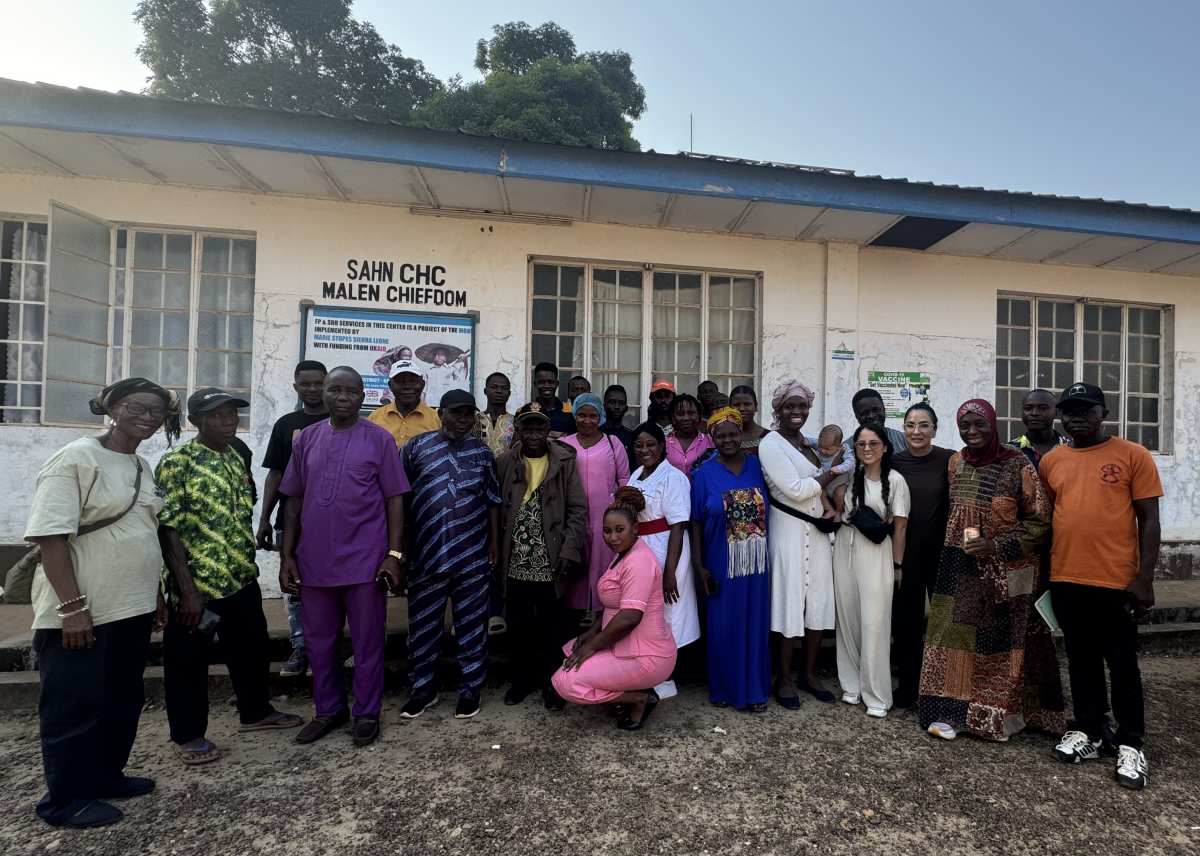
Over five intense but deeply fulfilling days, the Tenki, Inc. team visited five remote villages to distribute six Butterfly iQ+ portable ultrasound (US) transducers, wifi pucks, and iPads to local clinics, while training 16 dedicated midwives and community health officers in focused obstetric ultrasound. We also equipped three of the five clinics with power bank batteries and solar panels to ensure reliable operation in areas with limited electricity. During the training sessions, the midwives scanned 47 pregnant volunteers, providing real-time imaging experience and immediate clinical insights.
The impact on patient care was direct and tangible. In resource-limited settings where access to traditional ultrasound machines is rare or nonexistent, portable transducers empower midwives—the primary providers of prenatal care—to detect complications early. They can now assess fetal position, heartbeat, gestational age, placental location, and signs of potential issues, such as multiples or concerns about placental location. The training equips midwives to integrate ultrasound routinely, improving monitoring, reducing risks during delivery, and ultimately saving lives in communities where advanced care may be hours or days away. The solar panels and power banks further extend this capability, making the technology sustainable in the long term rather than dependent on inconsistent power grids. This initiative doesn't just provide tools; it builds local capacity, enabling midwives to deliver higher-quality, evidence-based care.
This mission profoundly changed me. Witnessing the midwives' eagerness to learn, their careful handling of the US transducers, and the quiet joy on the faces of pregnant women as they saw their babies for the first time shifted my perspective on global health equity. I realized how accessible technology like the Butterfly US transducer can bridge massive gaps that once seemed insurmountable. The experience humbled me, highlighting the resilience of these healthcare workers who serve under challenging conditions, and reinforced my belief in the power of targeted, practical interventions. It left me with a renewed sense of purpose and gratitude for the privilege of contributing to such meaningful work.
Stories like this remind us that even short missions can create lasting change. By empowering 16 midwives who will continue serving their villages long after we leave, we’ve set in motion a ripple effect that will touch hundreds of mothers and babies in the years ahead. If you're considering a medical mission, supporting global health nonprofits, or exploring portable ultrasound initiatives, know that your involvement—whether through time, skills, donations, or advocacy—can genuinely transform lives. Small actions, when focused and practical, can inspire hope and drive real progress in maternal health worldwide.