
I am seeking support for a capacity-building oncology visit to Da Nang Oncology Hospital in Da Nang, Vietnam. This visit will focus on strengthening the skills, clinical confidence, and leadership capacity of advanced practice providers (APPs) who are essential to the safe and effective delivery of radiotherapy and systemic therapy. Nurses will also be engaged as key collaborators to enhance interdisciplinary care and workflow efficiency.
During the visit, I will work directly with the oncology team to conduct a structured needs assessment, observe clinical workflows in outpatient, inpatient, and radiotherapy departments, and identify opportunities for targeted education and mentorship. Training will emphasize evidence-based practices, radiation safety, patient symptom management, care coordination, and strategies to optimize workflow in a high-volume, resource-variable setting. I will collaborate with hospital leadership to refine protocols, standardize procedures, and reinforce a culture of safety and quality assurance.
This engagement is designed to have a lasting impact by equipping APPs and nurses with practical tools and skills that can be applied immediately and shared across the hospital. By focusing on the safe integration of radiotherapy into existing cancer care services, the initiative aims to reduce treatment complications, improve patient outcomes, and strengthen the hospital’s capacity to deliver high-quality, multidisciplinary oncology care. Support for this visit will enable this collaboration at a critical stage of service expansion, contributing to sustainable workforce development at Da Nang Oncology Hospital.
Da Nang Oncology Hospital serves a large and diverse population across Da Nang and the surrounding central-Vietnam provinces, a region experiencing rising cancer incidence. Vietnam now reports more than 180,000 new cancer cases and over 120,000 cancer-related deaths annually. Many patients travel from rural or coastal areas with limited access to early detection and specialized oncology services. Delays in screening and diagnosis often result in late-stage presentation, creating high demand for coordinated, high-quality cancer care, particularly radiotherapy, which is essential for curative and palliative treatment.
The hospital is approved for 650 beds but frequently cares for more than 1,000 inpatients, illustrating the strain on infrastructure, clinical workflows, and staffing. Safe and effective radiotherapy depends on a well-trained workforce. Advanced practice providers play a central role in treatment planning, radiation safety, patient education, symptom management, and care coordination, while nurses provide essential support in monitoring, adherence, and workflow continuity.
Many APPs and nurses have limited access to formal oncology and radiation-specific training. Strengthening their knowledge and skills is critical to improving treatment quality, reducing complications, and increasing patient trust in radiotherapy. This visit will focus on enhancing workforce capacity through targeted education and mentorship, ultimately improving patient outcomes and supporting high-quality, sustainable oncology care across central Vietnam.
Strengthening advanced practice providers (APPs) at Da Nang Oncology Hospital has the potential to significantly improve patient care, clinical workflows, and the safe delivery of radiotherapy and systemic therapy. Nurses will continue to play an integral role as collaborators, amplifying the impact of APP-led improvements on treatment quality and care coordination.
The visit will empower APPs to apply evidence-based practices, manage complex patient symptoms, and lead interdisciplinary coordination. Expected outcomes include increased APP confidence in clinical decision-making, improved adherence to safety protocols, and more efficient integration of radiotherapy into daily practice. Strengthened APP leadership will also support mentoring of nurses and junior staff, reinforcing a culture of safety and quality.
Benefits will extend beyond the on-site engagement. Lessons learned will inform future educational materials, while trained APPs will act as local champions, disseminating knowledge and mentoring colleagues within the hospital and across central Vietnam. Continued virtual collaboration, including case discussions, targeted lectures, and ad hoc mentorship, will reinforce skills, promote sustainability, and cultivate a durable network of oncology expertise. By prioritizing APP development, with nurses as essential collaborators, this initiative aims to build a stronger, more capable oncology workforce and achieve lasting improvements in radiotherapy and comprehensive cancer care delivery in the region.
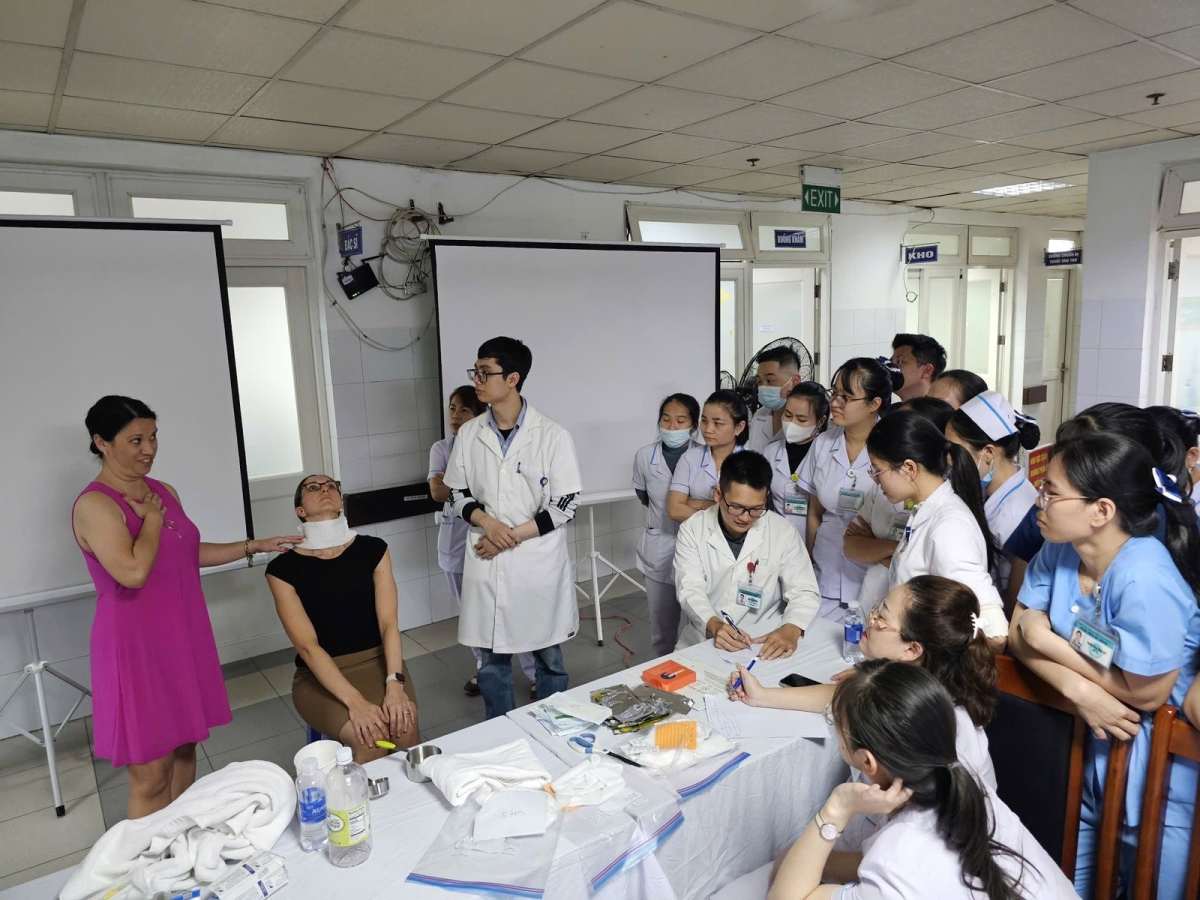

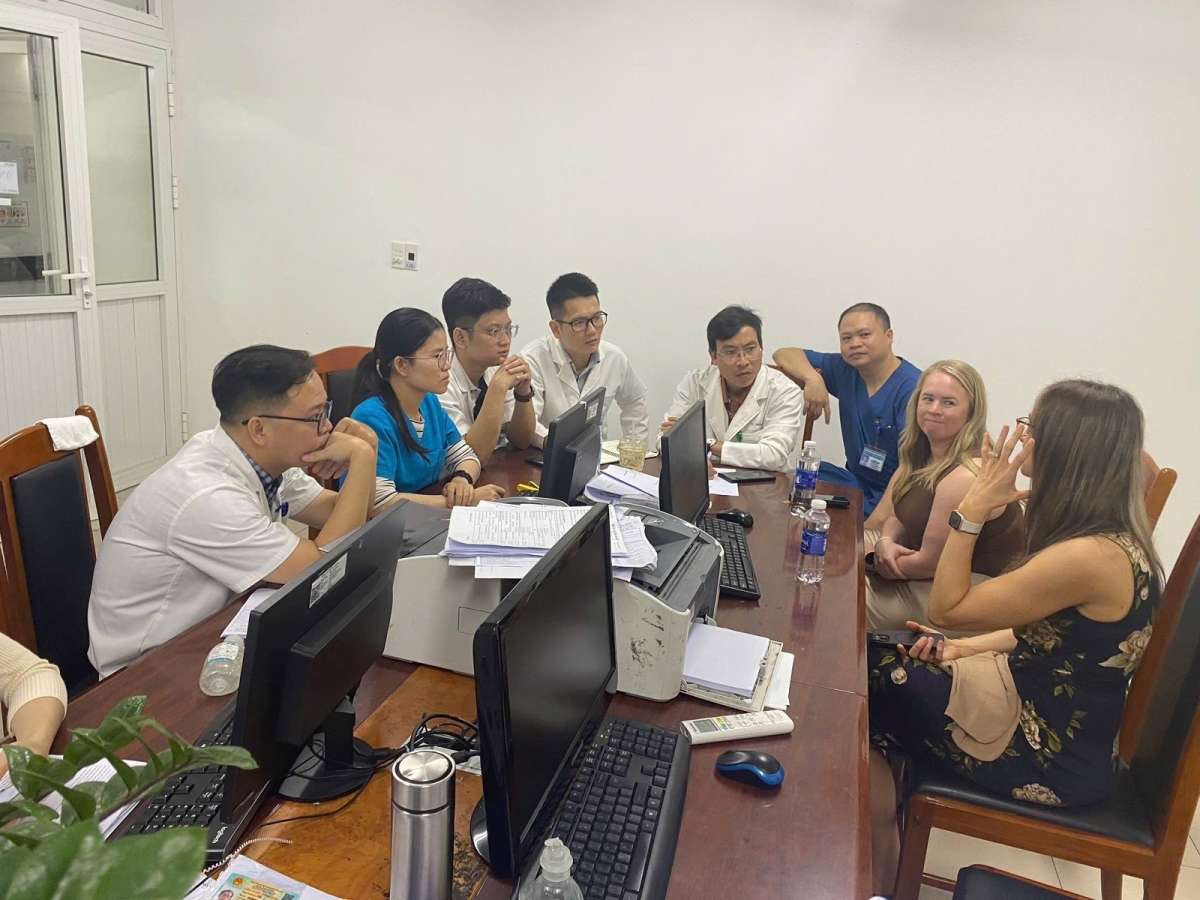


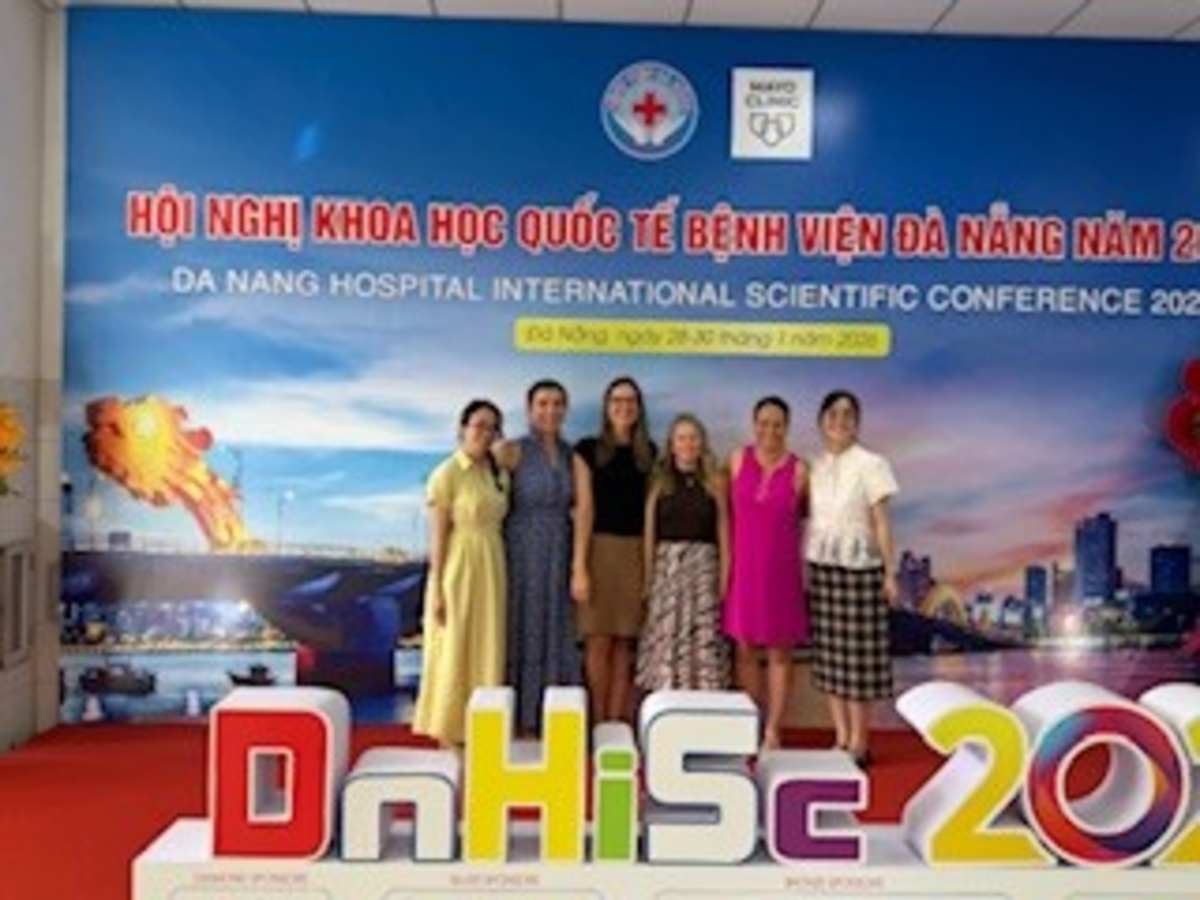
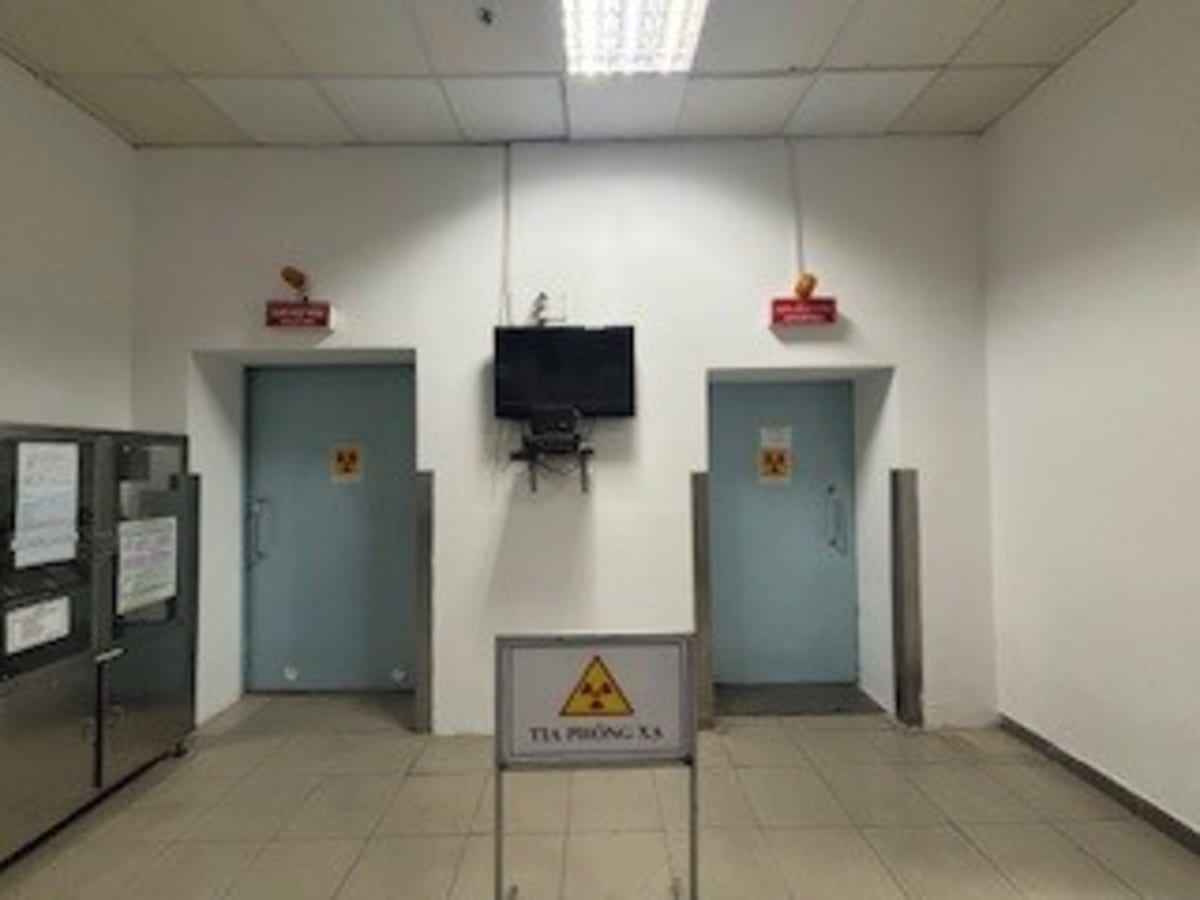
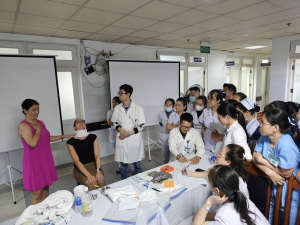

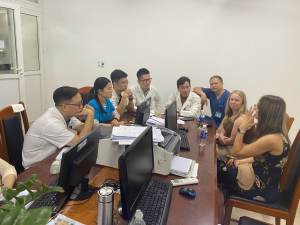


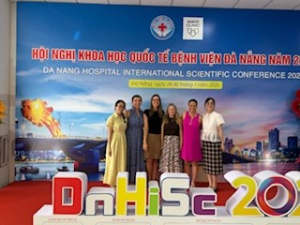
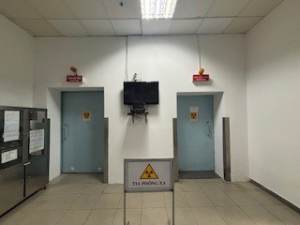
The primary individuals impacted by this oncology-focused medical education and capacity-building trip were physicians and nurses providing cancer care in Da Nang, Vietnam. These clinicians serve a large and growing oncology population, often within constrained health system resources and with limited access to subspecialty training and continuing professional development. The educational activities were developed collaboratively with local leadership to align with identified clinical priorities and practice gaps, ensuring relevance and immediate applicability.
A key focus of the program was strengthening nursing capacity. Oncology nurses in Da Nang play a central role in symptom assessment, patient education, treatment monitoring, and supportive care, yet opportunities for formal oncology-specific training remain limited. Through structured didactic sessions, case-based learning, and interactive discussions, participating nurses demonstrated increased confidence in evidence-based symptom management and interdisciplinary communication. Importantly, select nurse leaders were intentionally engaged as trainers, equipping them with educational materials and teaching strategies to disseminate knowledge within their home institutions and sustain impact beyond the visit.
Physicians, including medical and radiation oncologists as well as generalists involved in cancer care, benefited from peer-to-peer exchange focused on clinical decision-making within real-world resource constraints. The program emphasized a train-the-trainer approach, identifying local physician champions who participated in advanced discussions and co-facilitated sessions. This model supported local ownership of content and fostered the development of in-country educators capable of leading future training initiatives.
The trip also had a meaningful indirect impact on patients and families receiving oncology care in Da Nang. By enhancing the clinical knowledge, teaching capacity, and interdisciplinary collaboration of local oncology teams, the program contributed to improved symptom control, clearer patient communication, and more consistent application of evidence-based practices. The sustainability of this impact is reinforced through the train-the-trainer framework, which enables ongoing education of additional clinicians and amplifies the benefits of the initial intervention across the broader health system.