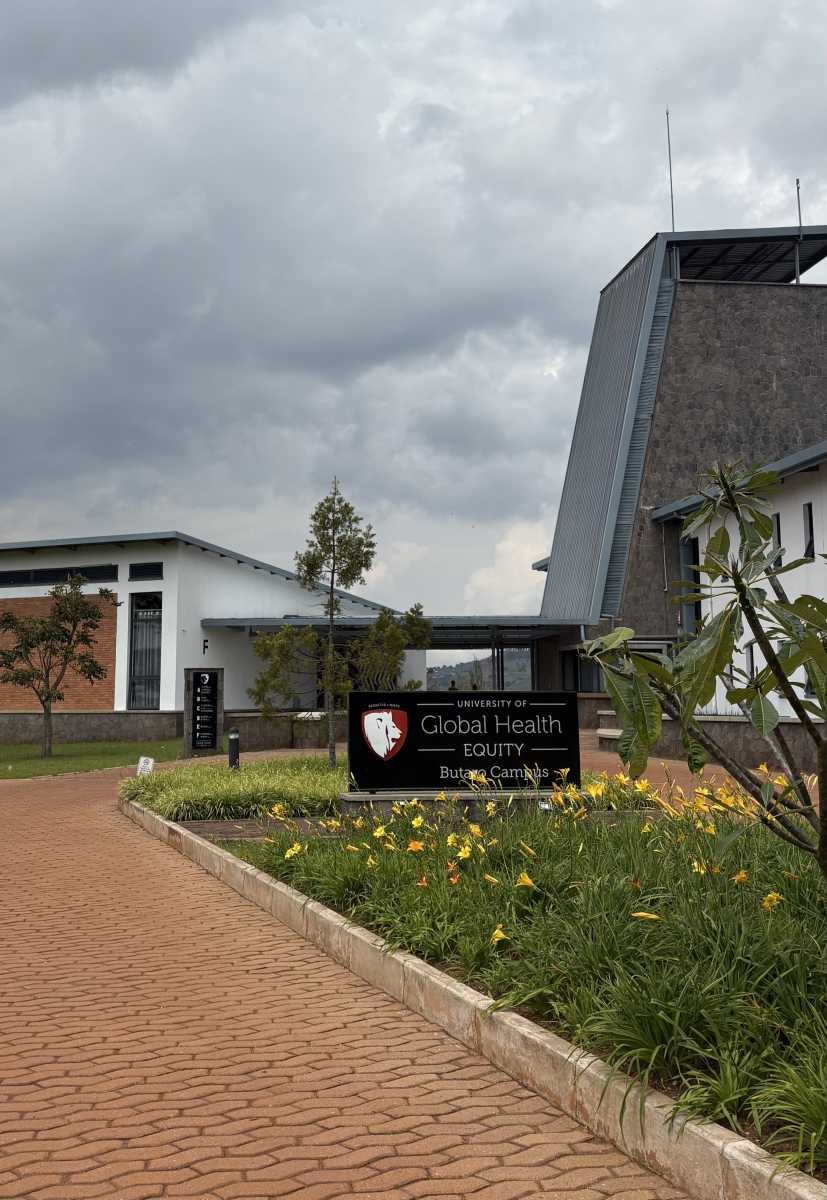
I will be traveling to Rwanda for three weeks to support bedside clinical teaching for fourth-year medical students at the University of Global Health Equity (UGHE) during their Emergency Medicine (EM) Clerkship. This trip builds on my prior work with UGHE. I previously taught their week-long EM bootcamp in October, which introduced core principles of acute care and prepared students for their clinical rotation. This upcoming visit focuses on applying those skills in real patient encounters.
UGHE’s mission is to train clinicians who advance equity and strengthen health systems in underserved settings. My work aligns closely with this mission by helping students develop practical, patient-centered clinical skills that are essential for emergency care. Because Rwanda currently has a limited number of EM physicians, it is difficult for faculty to provide on-shift teaching while also covering clinical duties and administrative work. My role is to help fill this gap by providing structured bedside teaching without adding to the clinical workload of local physicians.
During shifts, I will guide students through focused histories, physical examinations, triage frameworks, and early stabilization for acutely ill patients. I will also facilitate morning didactics and help students prepare for their clerkship exams and OSCE.
This project serves fourth-year medical students at UGHE completing their EM Clerkship. These students will become part of Rwanda’s growing clinical workforce, and many will practice in district hospitals that rely heavily on generalists due to the limited number of EM physicians in the country. Strengthening their bedside skills now directly supports national goals to build a more capable acute care workforce and expand emergency care capacity across Rwanda.
The main impact is improved clinical confidence and bedside skills among fourth-year students as they learn to assess and manage acutely ill patients. By providing on-shift teaching support, this project also eases the burden on Rwanda’s small Emergency Medicine workforce and strengthens the structure of the UGHE clerkship. The skills students gain will carry forward as they enter practice in district hospitals, contributing to Rwanda’s long-term goal of expanding high-quality emergency care across the country.

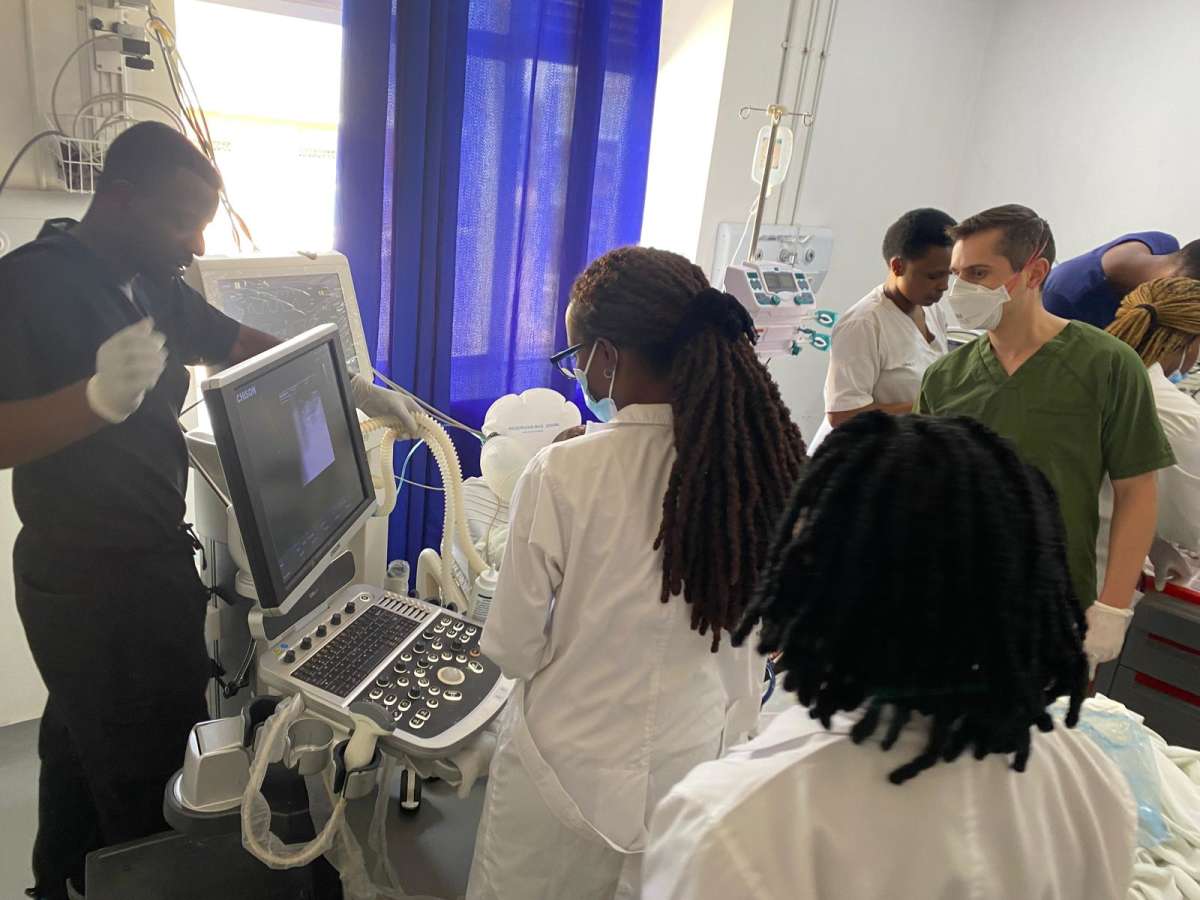

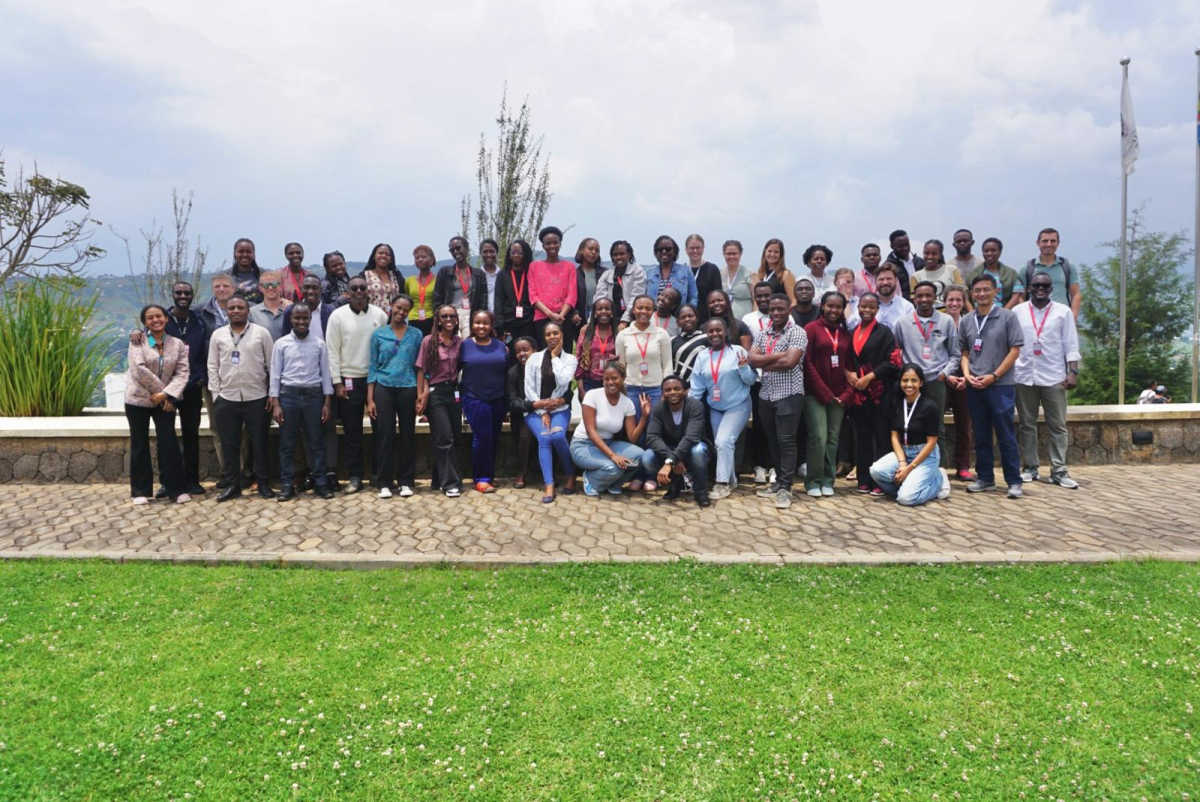

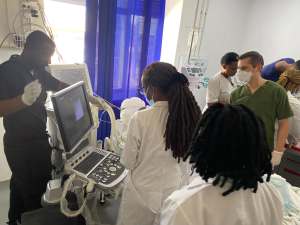

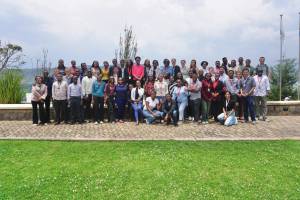
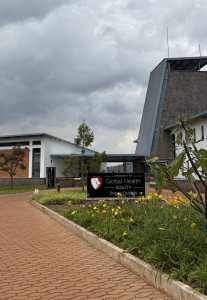
During my trip to Rwanda, I worked with the University of Global Health Equity to support fourth-year medical students during their emergency department clerkship. Over three weeks, I assisted with didactics, bedside teaching, and point-of-care ultrasound training. Most of these students will go on to work as medical officers in district hospitals across Rwanda, often with limited specialist support. By contributing to their emergency care training, we hope to strengthen their practical skills and clinical confidence as they move into independent practice.