From January 31–February 6, 2026, I will participate in the Children’s Hospital of Philadelphia’s annual surgical mission to Guatemala—my 13th year of involvement. Our multidisciplinary team will partner with the American College of Surgeons, Partner for Surgery, and Asociación Compañero para Cirugía (ACPC) to provide outpatient surgical care to indigenous Maya children who otherwise lack access to safe, timely surgery.
We will travel to Antigua Guatemala, where we expect to evaluate approximately 90 children and perform surgery for about 75 of them at Hermano Pedro Hospital. We will care for conditions such as hernias, benign lesions, and ENT disorders—health issues that can significantly impact quality of life if left untreated.
In addition to my clinical role as an APP—including preoperative assessment, perioperative support, and postoperative care coordination—I also serve as a bilingual provider. I interpret between Spanish and English throughout all phases of care, ensuring clear communication between families, local staff, and our CHOP team. This role is essential for informed consent, teaching, perioperative discussions, and family-centered care.
I will also participate in collaborative teaching with local clinicians, sharing pediatric advanced practice knowledge and supporting their ongoing growth in surgical care delivery.
Indigenous Maya children living in rural regions of Guatemala are the primary beneficiaries of this mission. Many families live far from medical facilities, and barriers such as transportation, cost, and language—particularly for families who speak Maya languages rather than Spanish—limit access to essential surgical care. Even those who speak Spanish may encounter communication barriers within the healthcare system.
These children experience disproportionately high rates of untreated surgical conditions, which can lead to pain, poor growth, developmental limitations, and social isolation. By bringing no-cost, high-quality surgical care to them, we help close a critical gap in health equity.
Local healthcare providers also benefit from shared learning and capacity-building. As a bilingual provider, I help facilitate communication not only with patients and families but also between our team and local staff, ensuring clarity in clinical planning, postoperative guidance, and patient education. This supports sustainable improvements in pediatric surgical care long after our mission concludes.
The mission has immediate and profound impact: children regain comfort, mobility, the ability to attend school, and confidence in daily life. Early surgical intervention prevents long-term complications and dramatically improves quality of life.
A key component of our mission is the ongoing transfer of knowledge to local healthcare teams. Through shared surgical cases, collaborative teaching, and bedside discussions, we help strengthen clinical skills, perioperative workflows, and pediatric-specific practices. As a bilingual APP, I play a central role in ensuring clear, accurate communication in both Spanish and English, allowing local clinicians, families, and our U.S. team to work together seamlessly.
This impact extends back to CHOP as well. The mission enriches my clinical practice with deeper cultural competence, improved communication strategies, and strengthened skills for caring for diverse, multilingual families. The experience enhances teamwork, adaptability, and resource stewardship—benefits that influence my work throughout the year.
In this way, the mission creates sustainable, long-term improvements—both for the communities we serve in Guatemala and for the patients and families we care for at home.

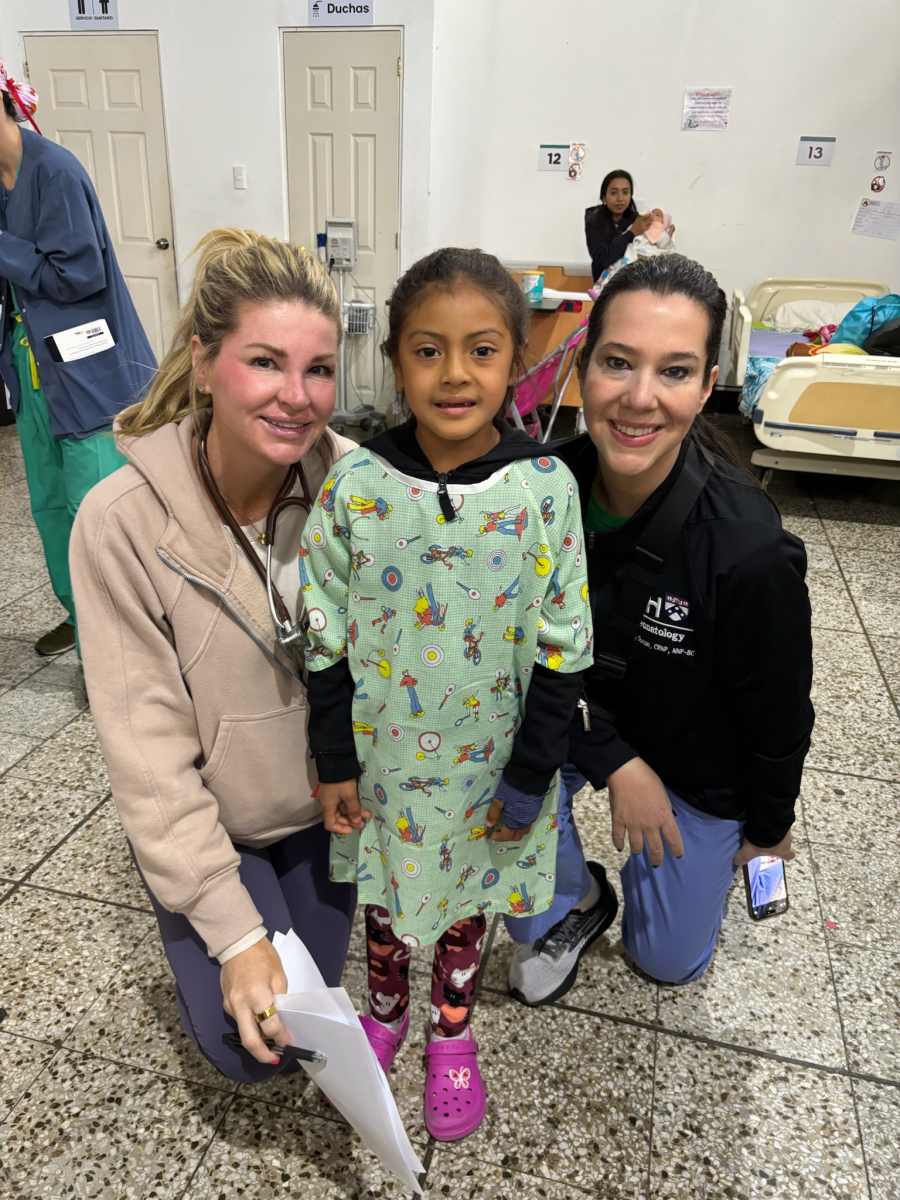
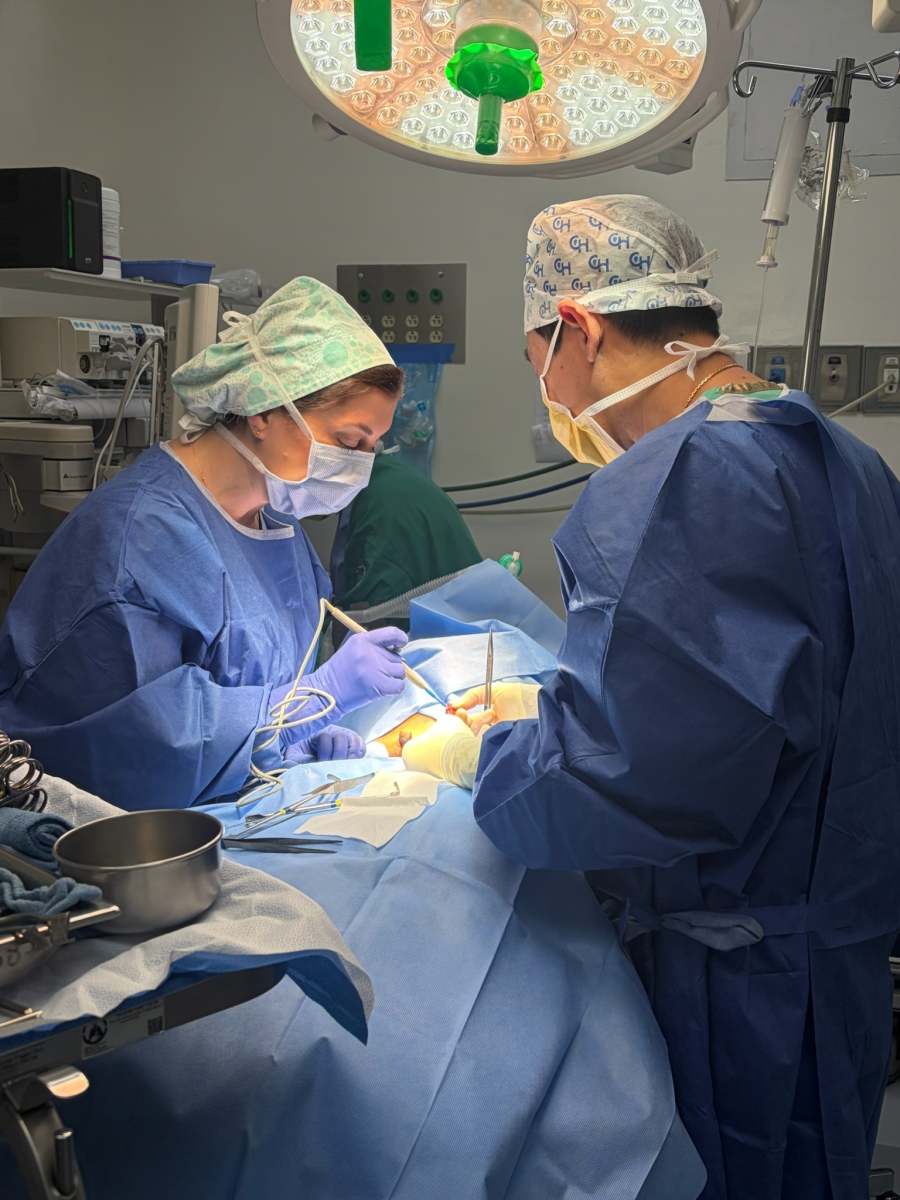
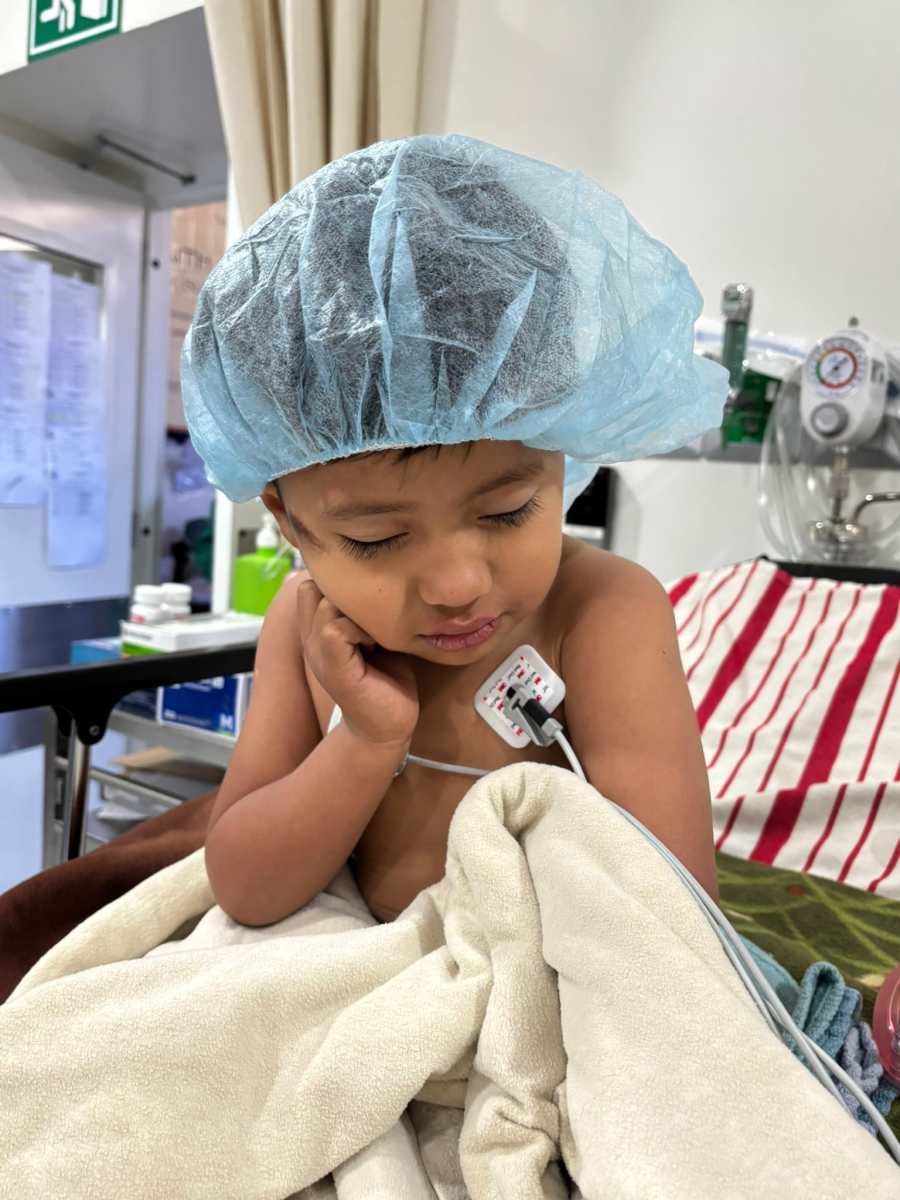
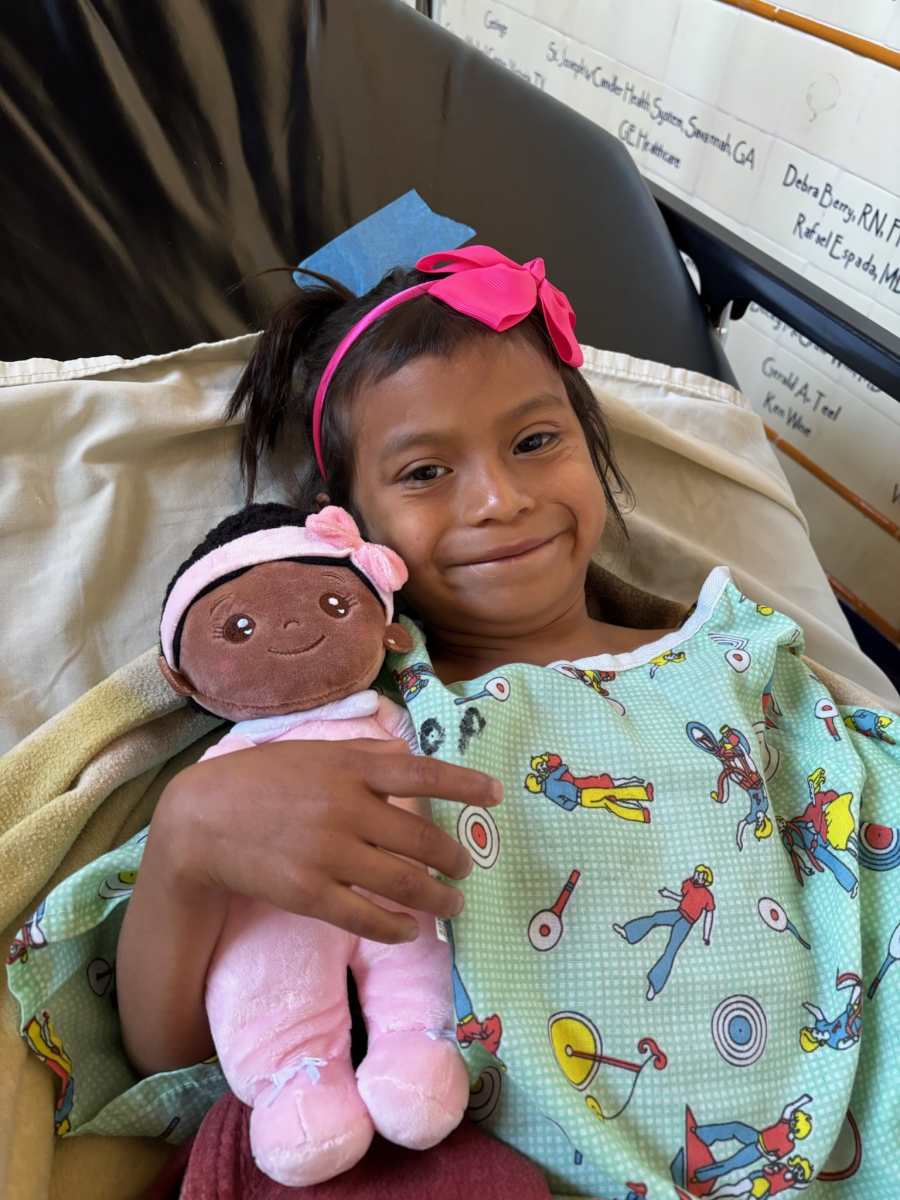

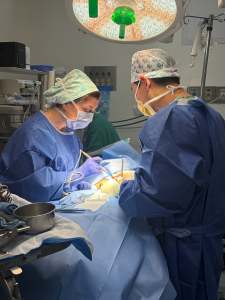
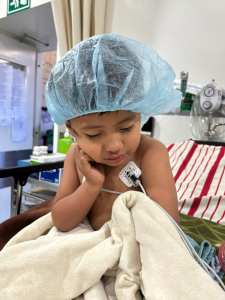
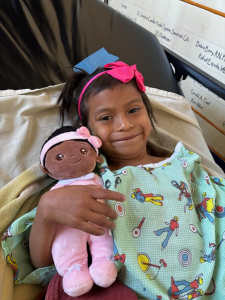
Our multidisciplinary team from The Children’s Hospital of Philadelphia recently completed our annual pediatric surgical mission to Antigua Guatemala, an experience that continues to have profound impact on the children and families we serve. This year marked my 13th year participating in this meaningful initiative.
Working in partnership with the American College of Surgeons, Partner for Surgery, and Asociación Compañero para Cirugía (ACPC), we provided outpatient surgical care at Hermano Pedro Hospital to indigenous Maya children who face significant barriers to healthcare, including geographic isolation, financial hardship, and language differences.
Over 4.5 operative days, we triaged 80 children and performed 66 surgeries. These procedures addressed conditions such as hernias, benign masses, and ENT disorders—health concerns that can cause chronic pain, limit mobility, interfere with nutrition and growth, and prevent children from attending school or participating fully in daily life. For many families, this was their only opportunity to access specialized surgical care.
Throughout the week, I supported preoperative evaluation, perioperative care, and postoperative follow-up coordination. As a bilingual provider, I also interpreted between Spanish and English to ensure families clearly understood diagnoses, surgical plans, and recovery instructions. Clear communication was essential to building trust, obtaining informed consent, and ensuring families felt supported during what is often a stressful and emotional experience.
In addition to direct patient care, our team worked closely with local clinicians through shared case discussions, bedside teaching, and collaborative workflow planning. This partnership strengthens local capacity to care for pediatric surgical patients long after our team returns home.
The impact was both immediate and deeply meaningful. Children returned home more comfortable and able to move, play, and attend school without pain or limitation. Families expressed relief and gratitude knowing their children received safe, high-quality surgical care. The mission not only changed individual lives during that week but also contributed to sustainable improvements in pediatric surgical care within the community.