I am seeking support for a capacity-building oncology visit to Da Nang Oncology Hospital in Da Nang, Vietnam. This visit will focus on networking, strengthening the skills, clinical confidence, and safety practices of oncology nurses who are essential to the delivery of systemic therapy. As the hospital continues to expand its treatment capacity, ensuring safe chemotherapy administration, early recognition of toxicities, and adherence to standardized protocols is critical to improving patient outcomes.
During the visit, I will conduct a structured needs assessment, observe chemotherapy workflows in both inpatient and outpatient settings, and collaborate with nursing and pharmacy teams to identify gaps and opportunities for targeted education. Training will emphasize chemotherapy administration safety, extravasation management, recognition and management of common chemotherapy toxicities, patient teaching, and safe handling of cytotoxic agents. An additional focus will be the collaborative development or refinement of chemotherapy protocols and supportive care guidelines tailored to local resources and clinical demands.
This engagement is designed to create immediate and long-term improvements in systemic therapy delivery by equipping nurses with practical skills they can apply directly in patient care. Strengthening protocol standardization and safety processes will reduce preventable complications, enhance workflow efficiency, and improve treatment adherence. Support for this visit will help Da Nang Oncology Hospital advance safe, high-quality chemotherapy services during a period of growing patient volume and evolving oncology capabilities.
Da Nang Oncology Hospital serves a large and diverse region encompassing Da Nang and surrounding provinces in central Vietnam. Cancer incidence in Vietnam continues to rise, with more than 180,000 new cases and over 120,000 cancer-related deaths annually. Many patients come from rural, mountainous, or coastal areas with limited access to early detection or specialized oncology services. As a result, they often present with advanced disease and require timely, well-coordinated systemic therapy.
The hospital is licensed for 650 beds but routinely cares for over 1,000 inpatients, placing significant strain on staffing, infrastructure, and clinical workflows. Nurses are the frontline providers responsible for chemotherapy administration, monitoring for toxicities, patient education, and ensuring adherence to safety standards. However, many oncology nurses have limited access to formal chemotherapy-specific training, and rapid service expansion has made it challenging to standardize practice across units.
Safe systemic therapy delivery relies on a well-trained and confident nursing workforce equipped to recognize complications early, manage extravasation, educate patients, and follow consistent protocols. Strengthening nursing capacity is essential to improving treatment safety and reducing preventable adverse events. This project will directly support the nurses who deliver the majority of hands-on oncology care, ultimately improving outcomes for thousands of patients receiving chemotherapy throughout central Vietnam.
This project is designed to significantly strengthen chemotherapy safety, workflow consistency, and patient outcomes at Da Nang Oncology Hospital by enhancing the skills and capabilities of oncology nurses. Through focused training and real-time workflow observation, the visit will improve competency in chemotherapy administration, extravasation management, toxicity recognition, and patient-centered education. Refining and implementing standardized chemotherapy protocols will further improve safety, reduce variability in care, and support more efficient clinical operations.
The expected outcomes include increased nursing confidence in managing systemic therapy, improved adherence to evidence-based safety practices, and more reliable recognition and early management of chemotherapy complications. Strengthened protocols and supportive care guidelines will promote consistent, high-quality care across departments and support safer management of high patient volumes.
The impact will extend beyond the on-site visit. Training materials, protocols, and workflow recommendations will be shared with hospital leadership to support integration into ongoing nursing education. Continued virtual collaboration—including case-based discussions, targeted lectures, and ad hoc mentorship—will reinforce learning, address emerging challenges, and foster a sustainable network for ongoing professional development.
By investing in chemotherapy-specific nursing education and standardized practice at this critical time, the project will strengthen the hospital’s ability to deliver safe, effective, and scalable cancer treatment. These improvements will have lasting benefits for patients, the nursing workforce, and the broader oncology system across central Vietnam.

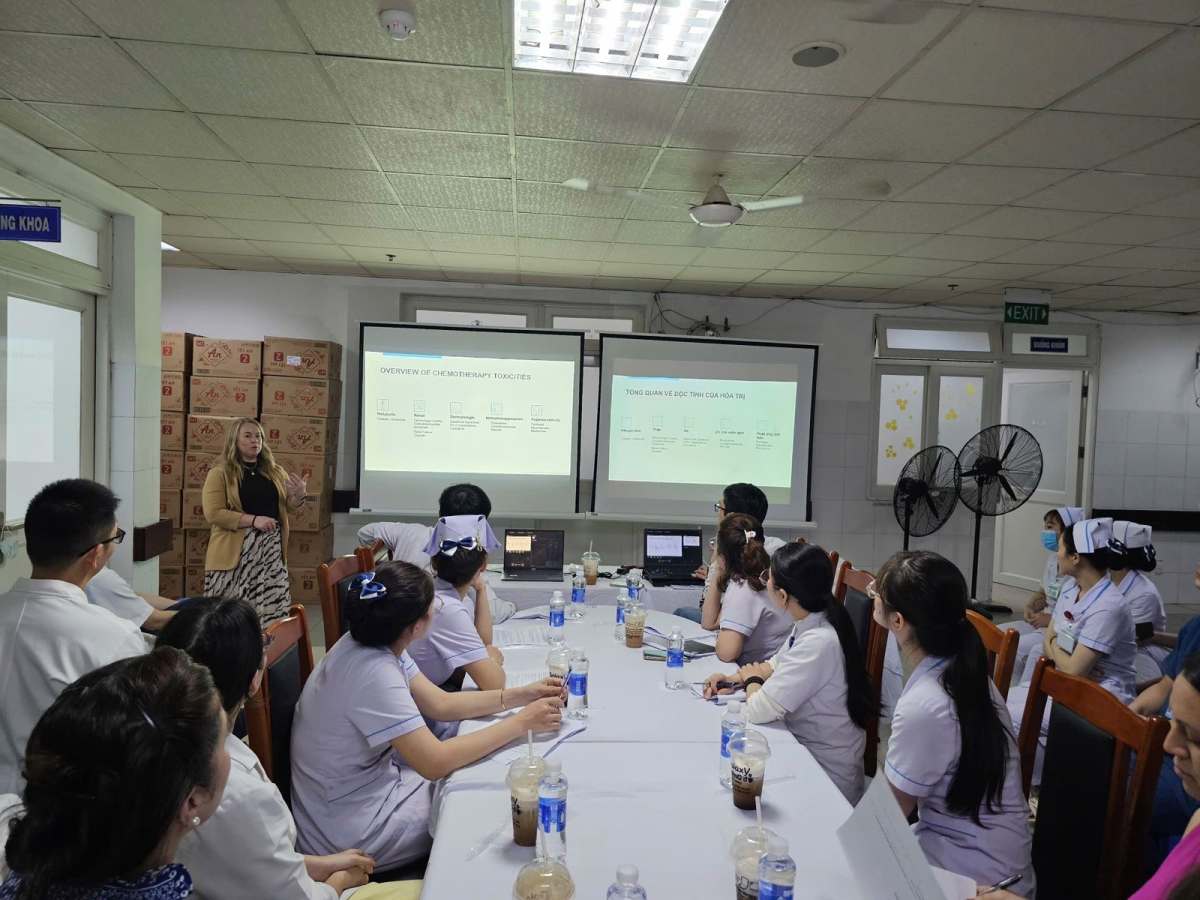
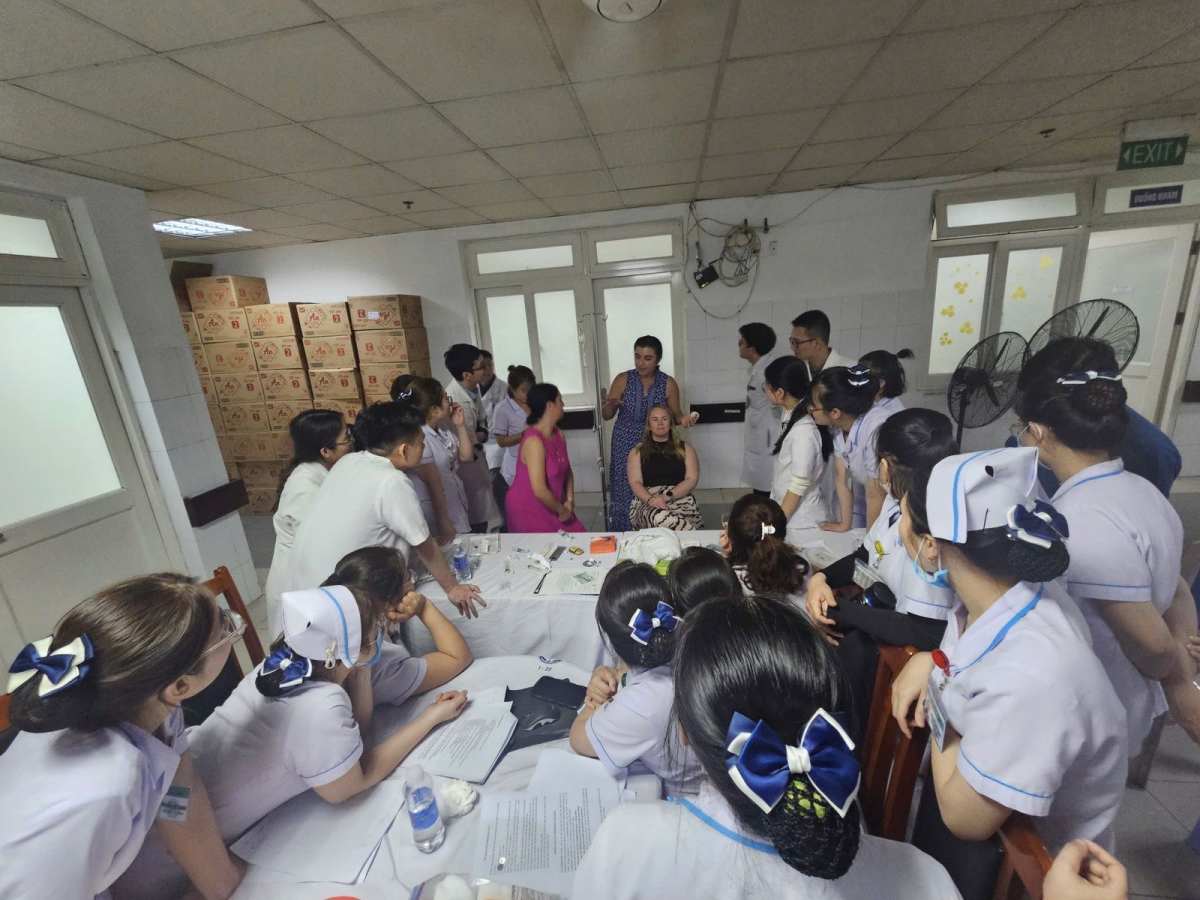

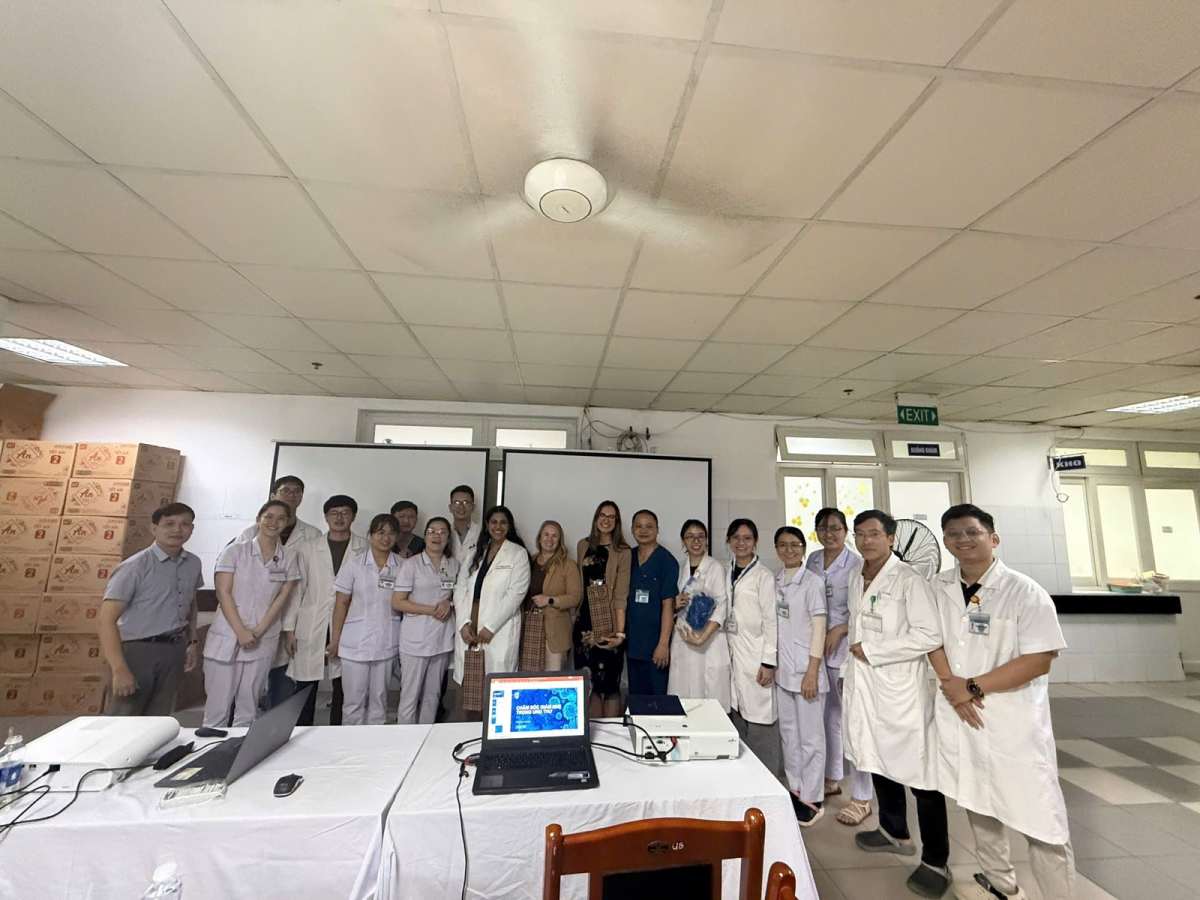

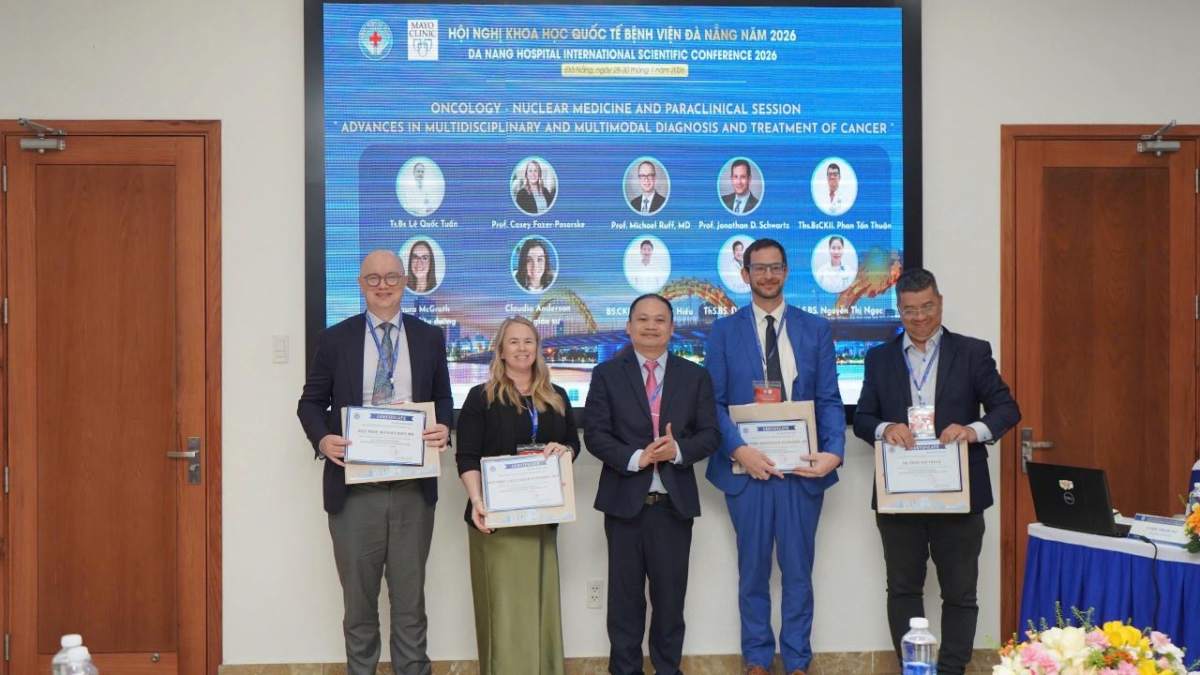


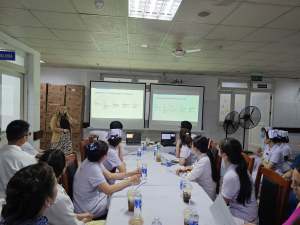
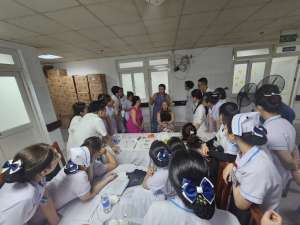

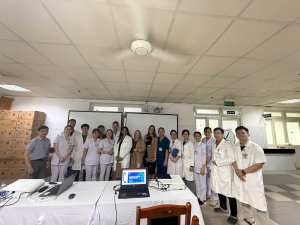

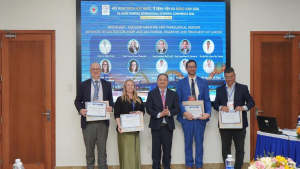


Our trip to Da Nang, Vietnam had a meaningful impact on oncology healthcare professionals and the patients they serve at both local and global levels. We partnered with clinicians at Da Nang General Hospital (Oncology Department) and Da Nang Oncology Hospital, engaging directly with physicians and nurses over several days of in-person collaboration and education.
At the institutional level, oncology nurses and physicians benefited from focused, practical education on topics identified as high-priority in their daily clinical practice. These included chemotherapy toxicities and management, immunotherapy for head and neck cancer, radiation-related side effects, nursing protocols for chemotherapy infusion reactions, extravasation management, IV access techniques, and radiation dermatitis care. Sessions emphasized real-world application, patient safety, and adaptation of evidence-based practices within local resource settings. These interactions strengthened clinical confidence, promoted interdisciplinary collaboration, and supported safer and more effective cancer care delivery.
Our impact extended beyond the Da Nang region through participation in a large international oncology conference attended by more than 2,000 healthcare professionals from across Vietnam and around the world. This forum allowed us to share best practices, engage in cross-cultural dialogue, and contribute to knowledge exchange among clinicians representing diverse healthcare systems and levels of resource availability. The conference facilitated global collaboration and reinforced shared goals of improving oncology care, symptom management, and treatment safety.
While our direct engagement was with healthcare professionals, the ultimate beneficiaries of this work are the patients receiving cancer care. By supporting education, capacity-building, and international collaboration among oncology clinicians, this trip contributed to improved symptom recognition, enhanced treatment safety, and higher-quality supportive care for oncology patients in Vietnam and beyond.