
Affiliated with Vanderbilt University Medical Center, I will be traveling to the AIC Kijabe Hospital in Kijabe, Kenya. The Kijabe Hospital is one of few tertiary-care hospitals in Kenya and performs over 200 operations a month. It also serves as a teaching hospital tasked with educating Kenyan nurses and physicians training in various specialties, including anesthesiology. During my time in Kenya, I will be working in the operating rooms and taking call to provide anesthesia care. Additionally, I will participate in the education of the Kenyan nurse anesthetist students while I am there. I will provide lectures for the students as well as hands on works shops for technical skills such as performing regional anesthesia.
Kenyan patients as well as Kenyan nurse anesthesia students will benefit from this project. There are currently not enough anesthesiologists to provide safe anesthesia for all the necessary surgeries in Kenya. I hope to not only help with administering anesthesia for necessary surgeries while I am there but to also aid in the education of nurse anesthetists. Efforts to increase the access of anesthesia nursing students to anesthesia education can help ensure that Kenyan patients continue to have access to anesthesia for necessary surgeries.
I hope to contribute to the education and expansion of education of anesthesia providers in Kenya. Due to limited resources, Kenyan hospitals are often limited in their ability to provide general anesthesia. Regional anesthesia in this setting is particularly useful. I hope to help instruct Kenyan nurse anesthesia students on how to perform nerve blocks. This will help expose more anesthesia providers to regional anesthesia skills and help improve access to anesthesia for surgeries in the country. Groups from Vanderbilt University Medical Center return every year to assist with the curriculum as well as provide anesthesia care. This is a long term endeavor that I am excited to participate in.


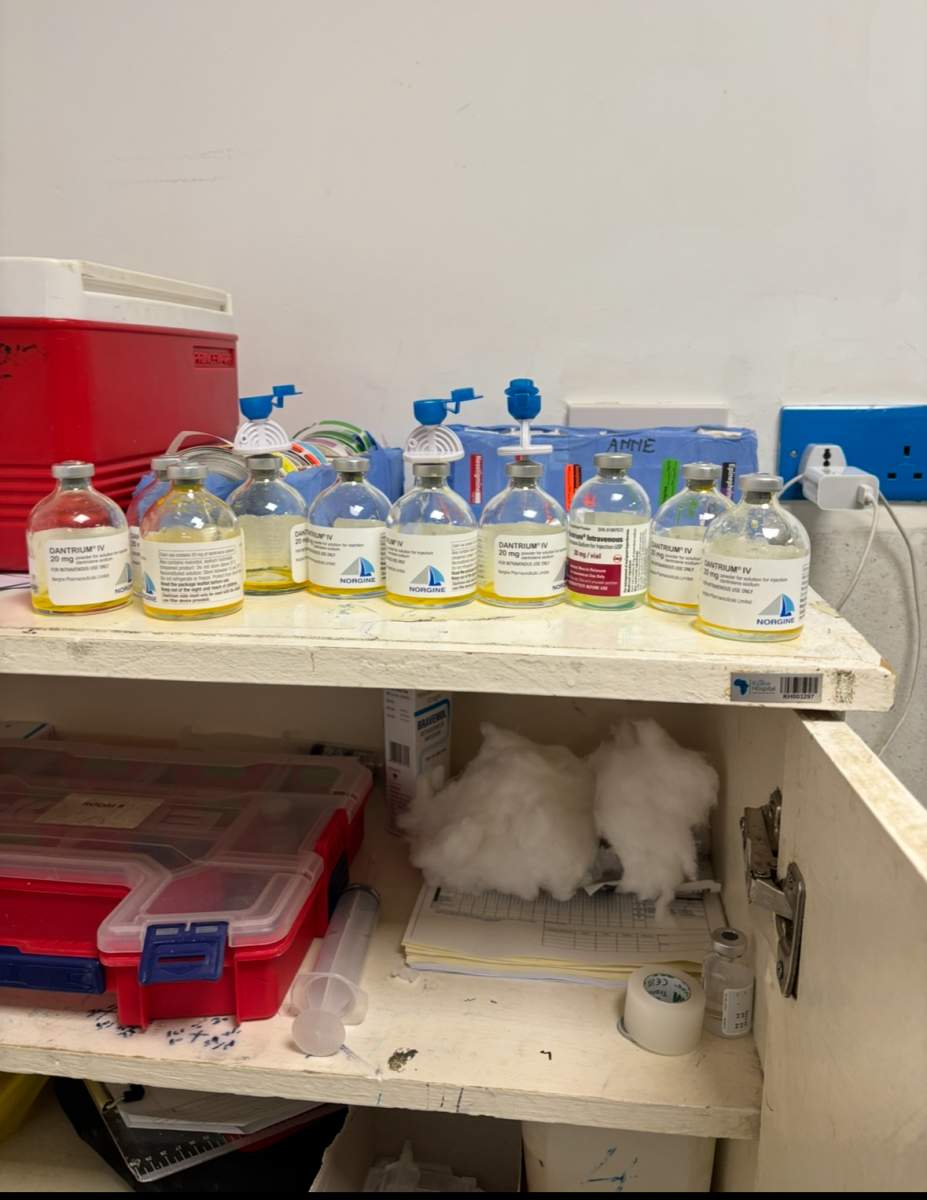


On my first day at the Kijabe AIC hospital, I walk into the operating room and look around. At first, things seem very different. There are no computers by the anesthesiology workstation. Paper charts are on the table waiting to be completed. The ventilators do not have a computer screen. There are many little knobs and levers on the ventilator that I'll have to investigate later. There is not an abundance of supplies stocked like there are in the operating rooms at Vanderbilt but rather a bag of supplies gets delivered with each patient. I continue to look around and notice that the circuit is recycled. The LMAs, stylets, oral airways, and bougies on the table have been cleaned and are being reused.
As the patient is brought back to the operating room, or should I say the operating theater, the anesthesia resident takes the preoperative history and we help the patient get onto the operating table. We place the monitors on the patient and then get into the normal rhythm of anesthesia. I start to feel like doing anesthesia in Kijabe really isn't that different than doing anesthesia at Vanderbilt. The first-year resident attempts the spinal and after a few tries, and with a few words of encouragement, she is successful. Our patient gets a little hypotensive, we open the fluids and bolus some phenylephrine.
One might expect that only a few types of basic surgeries are performed at the Kijabe hospital, but they would be surprised if they looked at the Kijabe operating theater board. There was a wide variety of surgeries ranging from C-sections, ortho trauma, and AV fistulas to ENT, plastics, and neurosurgery. Newborn babies had surgery as well as patients in their eighties. I was surprised to see so many hip and knee replacements. My role was to be an extra hand in the operating room, provide teaching to junior residents and nurse anesthetist students, perform nerve blocks, and assist with difficult cases and complications when they arose.
A few examples of complications I encountered were difficult pediatric airways and intra-operative bleeding. Although the nurse anesthetists and residents were very proficient with direct laryngoscopy, I wondered if a few of the difficult airways could have been secured more readily if they had access to a pediatric video laryngoscope. Intra-operative bleeding was also difficult to address as blood is such a precious and scarce resource at the Kijabe hospital. It was difficult to keep up with transfusing a bleeding patient when they needed five or six units of blood. Access to a cell saver or a rapid infuser would have been beneficial in a few cases with high intra-operative blood loss.
Although it's easy to think that some of these cases may have had better outcomes if they were performed in a high resource setting like Vanderbilt, it is important to remember that many of the patients presenting to Kijabe have limited access to medical care. Something that may have been diagnosed and treated within a few months in the United States might take years to diagnose and treat in Kenya due to limited availability and difficult access to medical care. This leads to patients presenting with diseases and medical conditions that have progressed and may be more difficult to treat.
I am grateful for my time at the Kijabe AIC hospital. Everyone I worked with was so gracious as I figured out the hospital and medical system. It was a wonderful experience to see the differences and well as the similarities between the two medical systems. The Kijabe AIC hospital does an excellent job taking care of patients with limited resources. It has helped me consider ways in which I could be less wasteful and more conscientious of unnecessary use of labs and supplies performing anesthesia at home. I am grateful for all the interactions with the patients, residents, nurse anesthetists, and physicians who welcomed me and taught me so much.