
I am seeking support for a capacity-building oncology visit to Da Nang Oncology Hospital in Da Nang, Vietnam. This visit will center on strengthening chemotherapy skills, improving clinical confidence, and reinforcing safety practices for the nursing team responsible for delivering systemic therapy. As the hospital expands its treatment capacity, the ability to administer chemotherapy safely, manage acute and delayed toxicities, and follow clear, consistent protocols is essential to protecting patients and improving outcomes.
During the visit, I will conduct a focused needs assessment, observe chemotherapy workflows in inpatient and outpatient areas, and work with nursing and pharmacy teams to identify gaps in safety, efficiency, and resource use. Training will concentrate on high-priority topics such as safe chemotherapy administration, extravasation management, recognition and early response to common toxicities, patient teaching, and safe handling of cytotoxic drugs. A key goal is to collaborate with hospital leadership and frontline staff to build or refine chemotherapy protocols and supportive care guidelines that fit the hospital’s resources and clinical realities.
This engagement is designed to produce both immediate and long-term improvements in chemotherapy delivery. By strengthening nursing competency, standardizing practice, and improving communication between departments, the hospital can reduce preventable complications, streamline workflows, and use limited oncology resources more responsibly. Support for this visit will help establish a durable partnership with Da Nang Oncology Hospital, one that promotes safe, efficient, and scalable chemotherapy services during a period of rapid oncology growth in both number and complexity of patients.
Da Nang Oncology Hospital serves a large population across central Vietnam, including patients from rural and underserved regions who often present with advanced cancer and urgent need for systemic therapy. The hospital is licensed for 650 beds yet routinely operates with more than 1,000 inpatients, stretching staff capacity, and increasing the complexity of safely delivering chemotherapy.
Oncology nurses carry the primary responsibility for administering chemotherapy, monitoring for toxicities, managing extravasation, teaching patients and caregivers, and upholding safety standards. Many nurses have limited access to chemotherapy-specific education, and rapid service expansion has made it difficult to maintain consistent practice across units. These challenges increase the risk of preventable toxicity, medication error, and delays in symptom recognition.
Building strong chemotherapy capacity requires a well-trained and confident nursing workforce supported by clear evidence-based guidelines and reliable systems. This project directly supports the nurses who provide hands-on care, improves their ability to identify and respond to toxicities early, and strengthens the hospital’s commitment to safe, resource-responsible chemotherapy for thousands of patients throughout the region.
This project will strengthen chemotherapy safe practices, consistent workflow, and toxicity management at Da Nang Oncology Hospital by enhancing oncology nursing skills and aligning practice with evidence-based standards. Through targeted training and real-time workflow assessment, the visit will improve competency in chemotherapy administration, extravasation response, early recognition of common toxicities, and effective patient education. Refining chemotherapy protocols and supportive care pathways will reduce variability, promote safer dosing and monitoring, and support more efficient use of staff and resources while allowing patient to maintain quality of life through cancer directed treatmemt.
Expected outcomes include stronger nursing confidence in chemotherapy delivery, improved adherence to safety standards, and faster, more consistent identification of toxicities. These changes will reduce preventable complications and build a safer treatment environment and improve patient experience, even in the setting of high patient volumes.
The impact will extend beyond the on-site work. Training materials, protocol updates, and workflow recommendations will be shared with hospital leadership to support integration into ongoing education. Continued virtual collaboration will help reinforce skills, address new challenges, and maintain a productive relationship focused on sustainable improvements.
By investing in chemotherapy-specific training and a lasting partnership with the hospital, this project will support safe, efficient, and scalable cancer treatment for patients across central Vietnam.
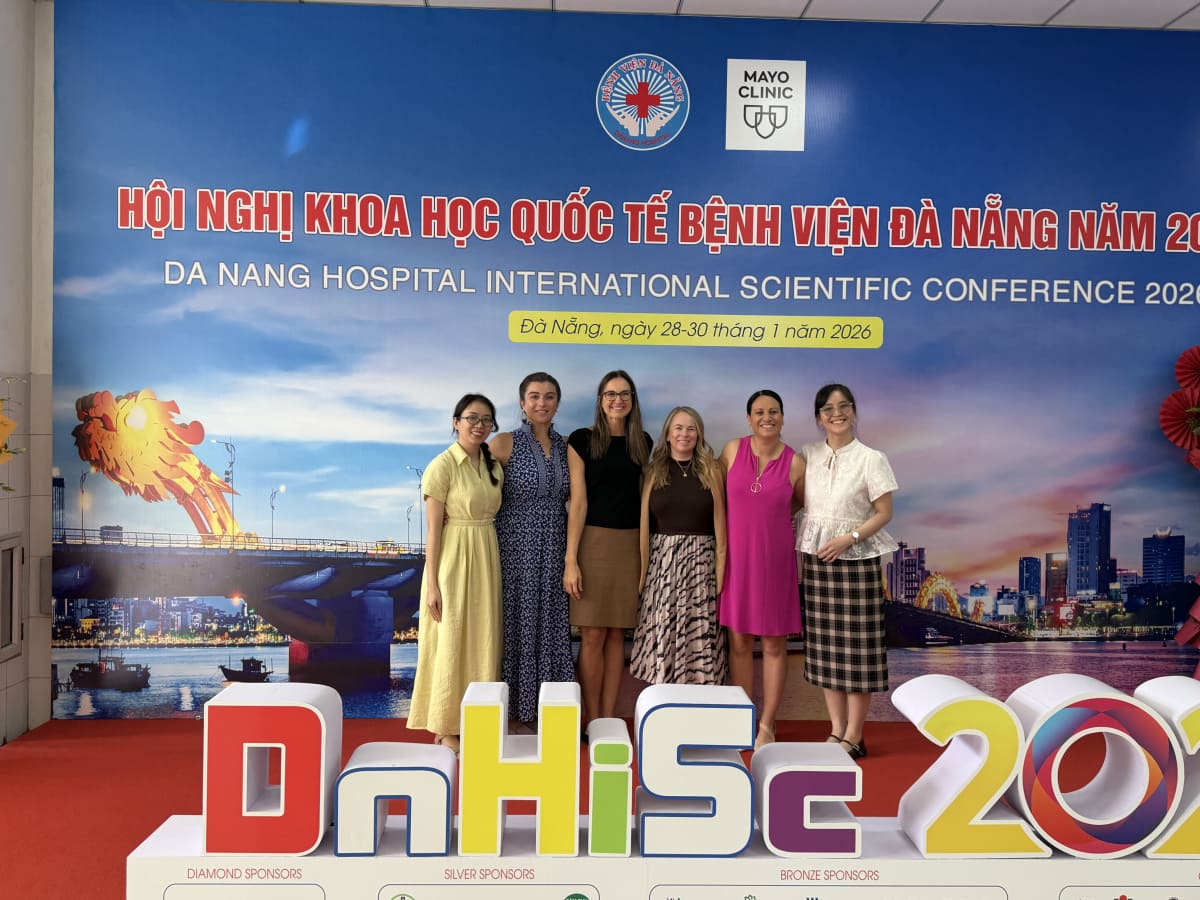

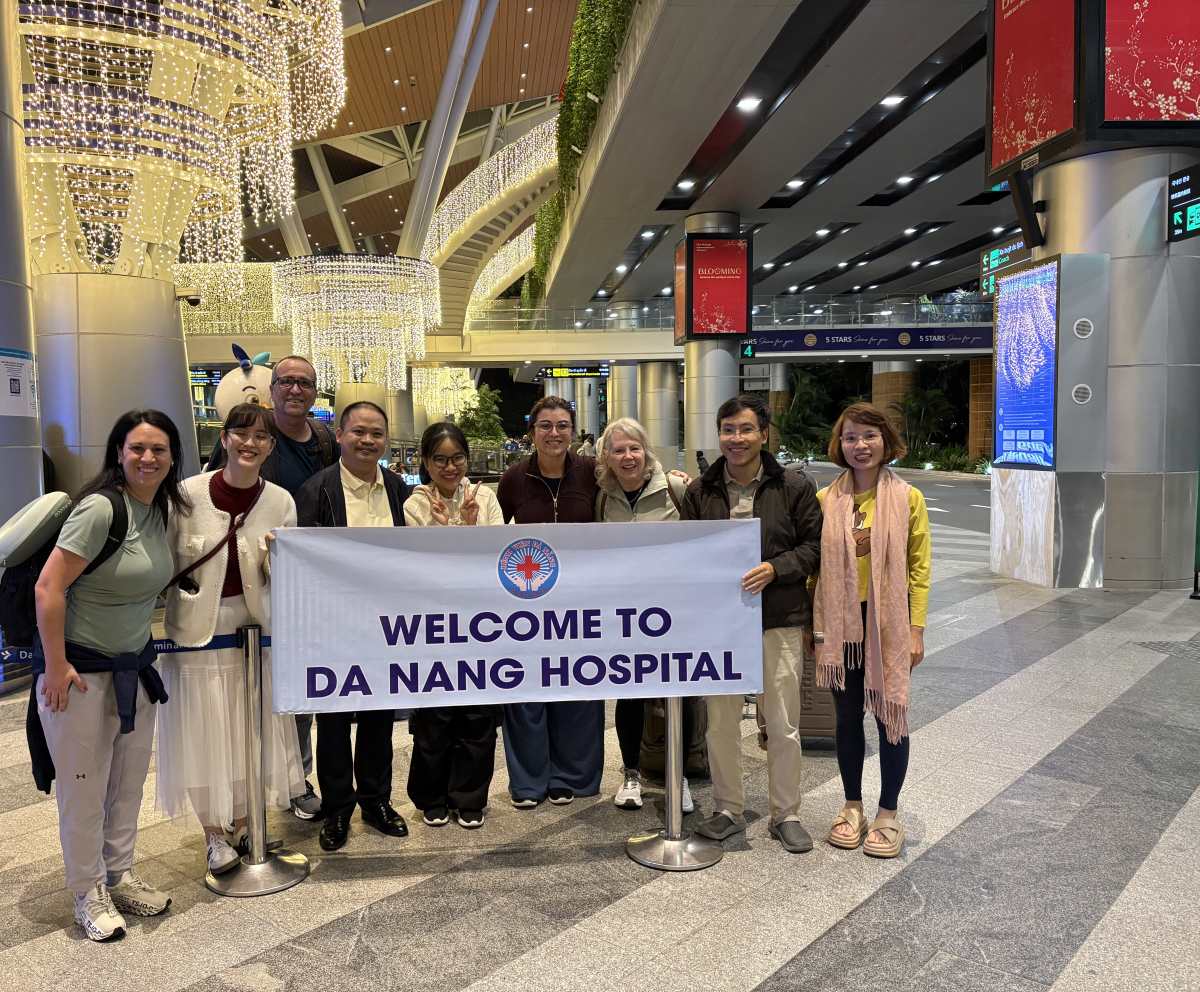


I am so thankful for the funding that allowed me to participate in this trip. This was the medical oncology team’s first endeavor with both DaNang General Hospital, department of Ocology and the DaNang Oncology Hospital in Vietnam.
At the general hospital we were able to lecture, train nurses and providers using a hands-on simulation and participate in the National Oncology conference put on by that hospital.
At the Oncology Hospital, we shared our knowledge with nurses and also did a hands on inservice for them. They shared with us that this was the first time they had ever gotten radiation and oncology specific nursing training. Perhaps my favorite part of the trip was reviewing complex cases with the nursing team in a round table setting which provided time for conversation and idea sharing.
Finally at both hospitals we were able to round on patients with their local teams and share our expertise.
The relationships we were able to start building were incredible. I have continued to maintain contact with nurses and doctors from both hospitals. They have reached out personally but also with questions regarding patient care.
My hope is to continue to build on these relationships every year with the hope of continuing to share knowledge that will improve patient care.