This project aims to launch the first pediatric surgical oncology course in Africa, targeting pediatric surgery trainees and early-career surgeons. With childhood cancer mortality exceeding 70% in most African countries and a critical shortage of pediatric surgical oncology expertise, there is an urgent need to build capacity in clinical decision-making and surgical management.
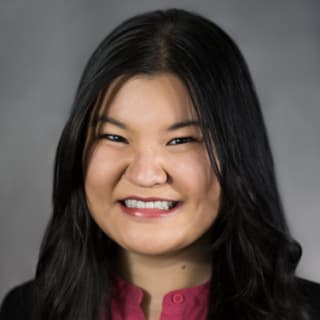
I will serve as the course coordinator, leveraging my clinical and educational expertise to design and implement a curriculum tailored to the continent’s needs. The project will begin with a comprehensive needs assessment at the annual College of Surgeons of East, Central, and Southern Africa (COSECSA) conference, surveying senior pediatric surgical trainees, faculty, examiners, and program directors. We will map common cancers treated surgically, identify resource gaps, and evaluate the motivations and learning needs of trainees. Key stakeholders will be engaged in focus group discussions to refine educational strategies and address potential barriers.
The curriculum will integrate case-based learning, mentorship, and clinical decision pathways, providing practical skills for managing childhood cancers in resource-limited settings. This inaugural course will establish a sustainable framework for annual training, fostering a network of skilled pediatric surgeons across Africa. By building capacity in surgical oncology, the program will directly improve clinical care, research engagement, and career development opportunities for trainees and early-career surgeons.
This project directly benefits pediatric surgery trainees and early-career surgeons across Africa. These individuals often face limited access to specialized pediatric oncology training, which constrains their ability to deliver timely and effective surgical care for children with cancer. By providing targeted training, mentorship, and evidence-based clinical decision frameworks, we aim to equip them with the knowledge and skills needed to manage surgically resectable childhood cancers safely and effectively.
Indirectly, children diagnosed with cancer and their families will benefit from improved surgical care and reduced mortality. Establishing an annual course ensures that successive cohorts of surgeons gain these competencies, creating a ripple effect across the continent. Engaging program directors, faculty, and stakeholders will also strengthen institutional capacity for pediatric surgical oncology training, research, and collaboration.
The expected impact of this project is multifold. First, it will establish the first structured pediatric surgical oncology course in Africa, filling a critical training gap. By coordinating the course and developing a curriculum based on locally assessed needs, I will ensure that it is contextually relevant, practical, and sustainable. The course will enhance clinical decision-making, surgical competence, and mentorship opportunities for trainees and early-career surgeons.
Second, by fostering collaboration among African surgical institutions and stakeholders, the course will build a continent-wide network of pediatric surgeons capable of improving childhood cancer outcomes. Data gathered from surveys and focus groups will inform ongoing curriculum refinement, ensuring relevance as cancer care evolves.
Finally, as the course is designed to be annual, it will provide long-term educational infrastructure, supporting ongoing professional development, research engagement, and capacity building. The knowledge and experience gained will translate into improved surgical care for children with cancer, more robust pediatric oncology programs, and sustained mentorship pathways for the next generation of African pediatric surgeons.
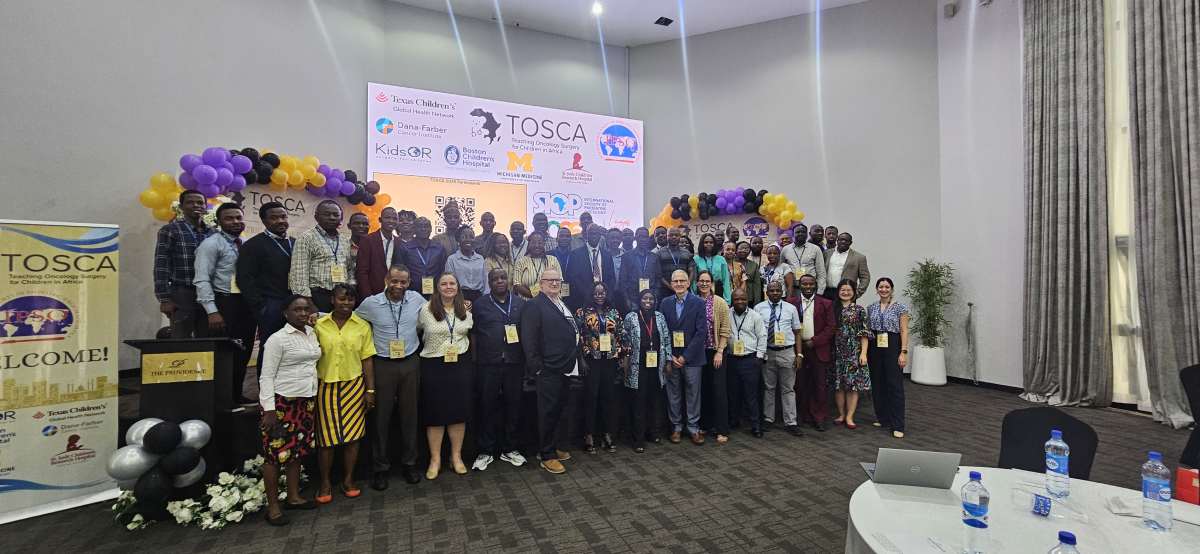

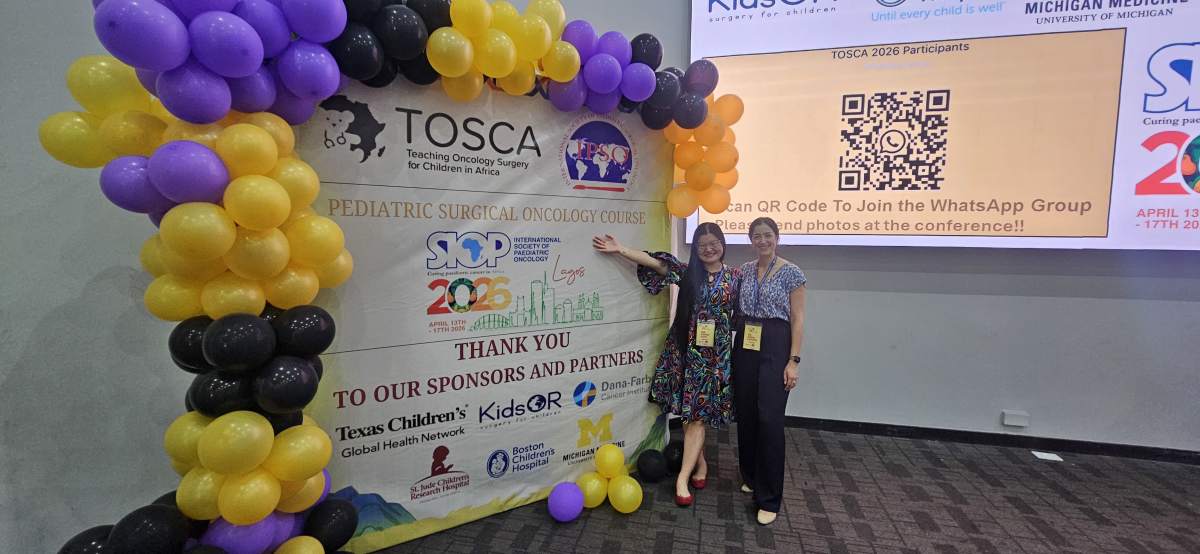

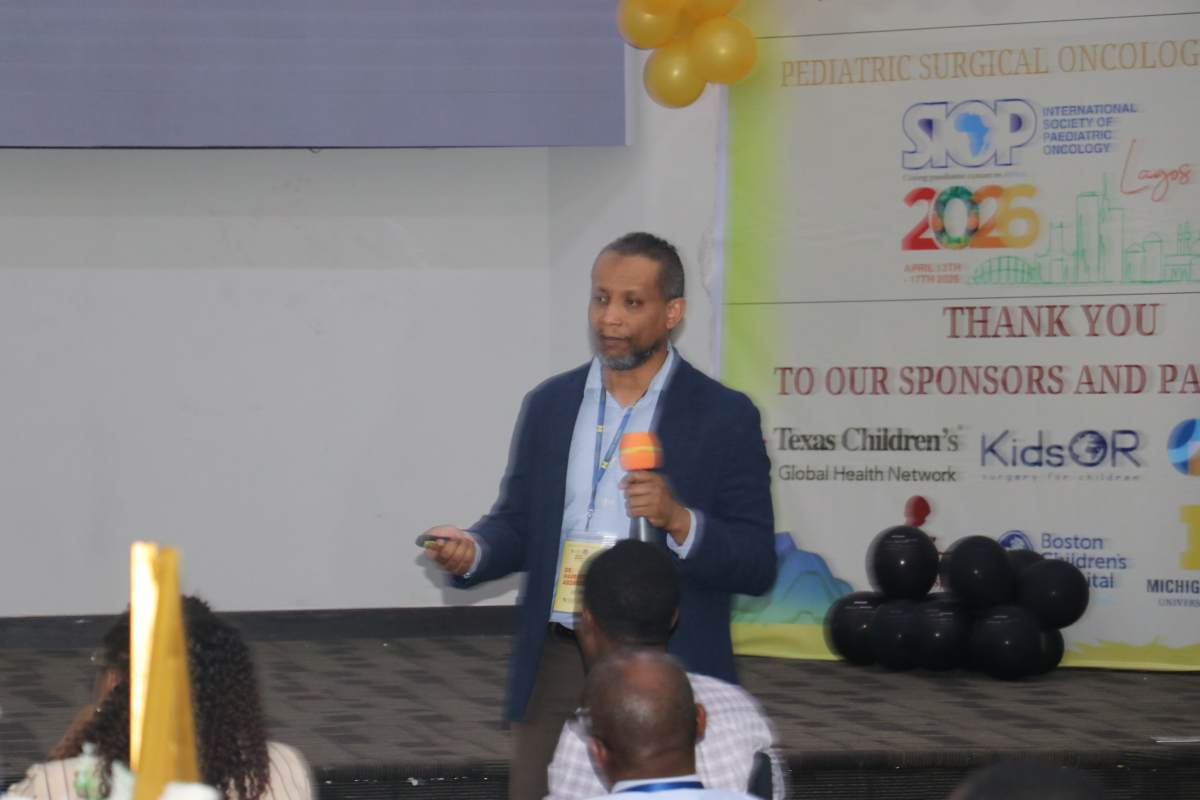
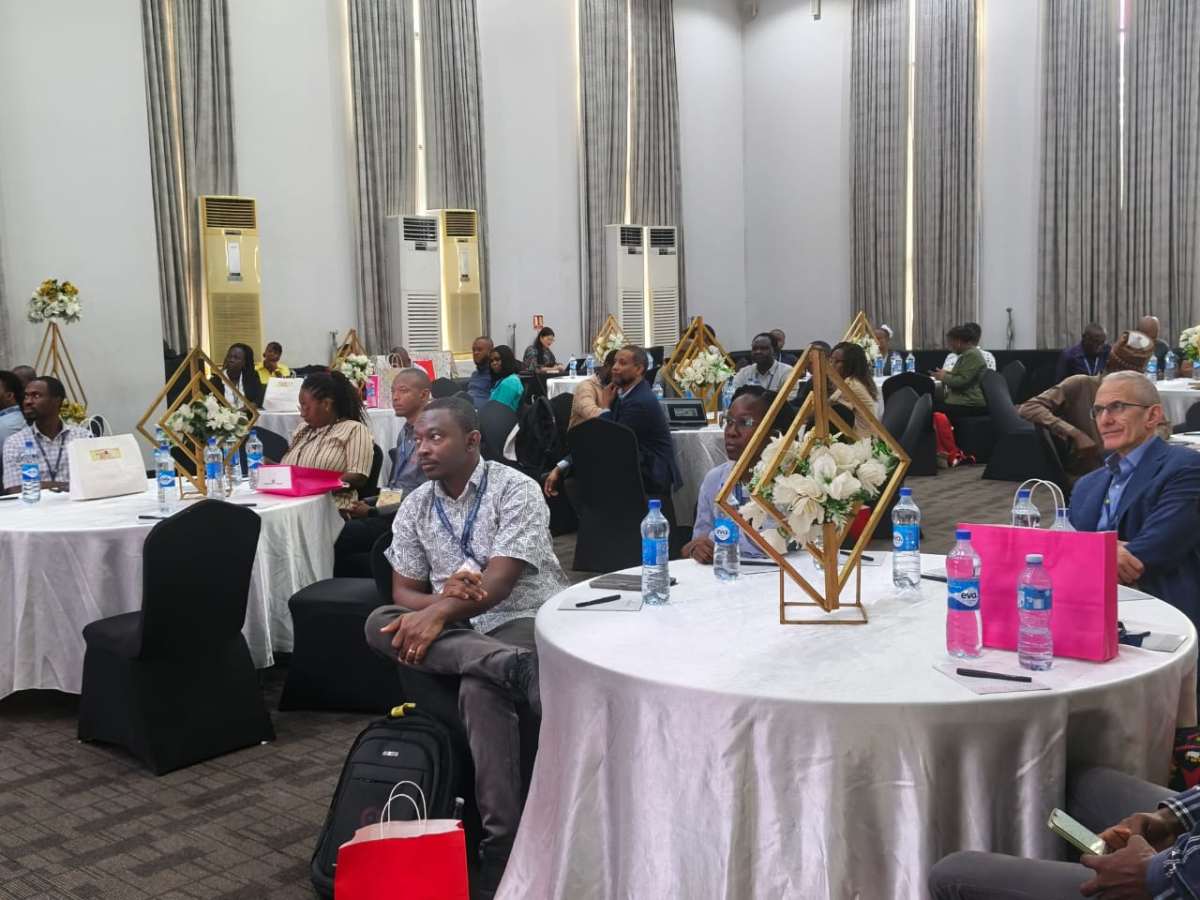

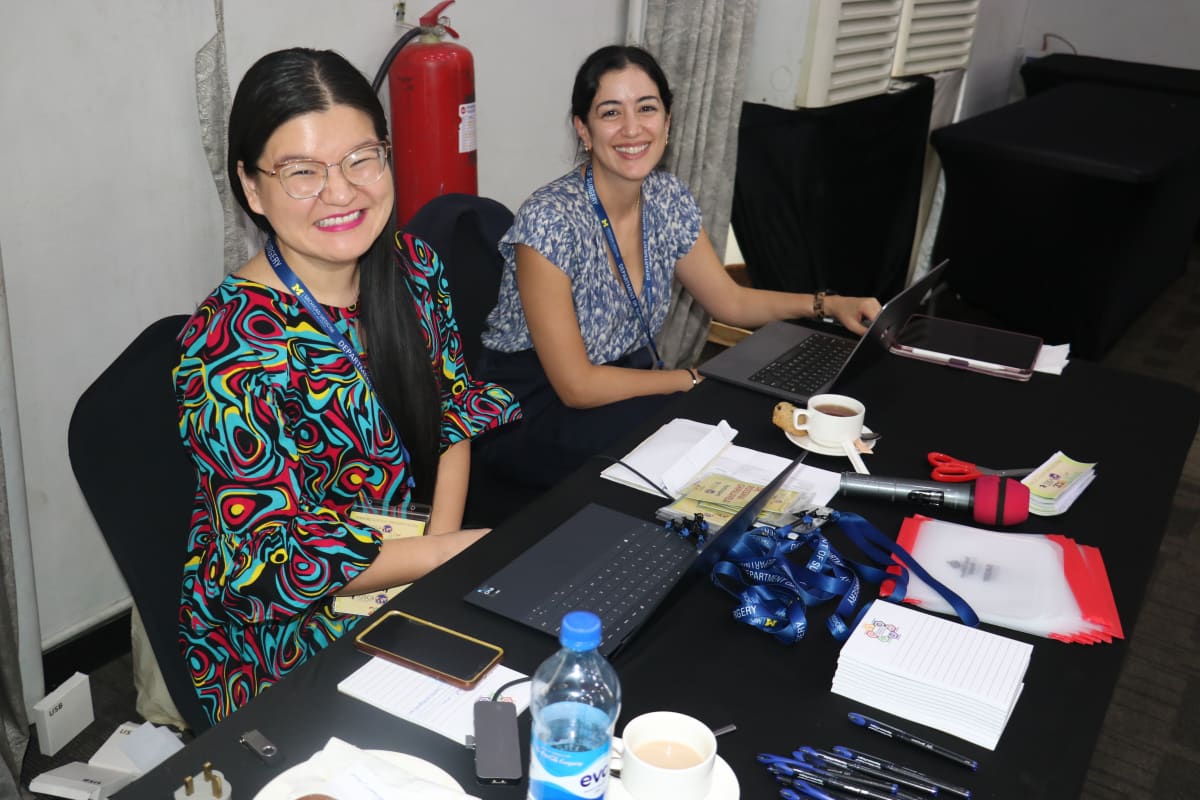

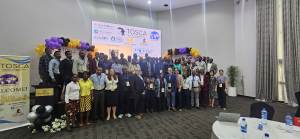

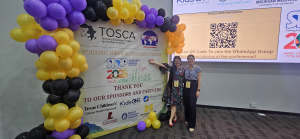

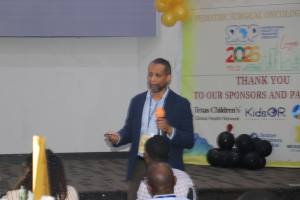
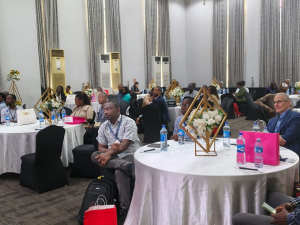

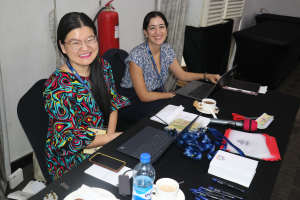

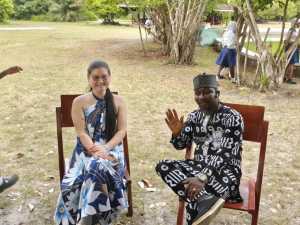
We recently hosted the first fully sponsored Pan Africa Teaching Oncology Surgery for Children in Africa TOSCA course in Lagos, Nigeria on April 13 and 14.
I had the privilege of organizing this course, alongside an incredible team who made it possible. We brought together 50 participants from 15 countries across Africa, with faculty and organizers from Nigeria, Rwanda, the United States, the Netherlands, and India. With the support of 9 sponsors, we were able to fully fund travel for trainees and early career consultants so they could attend.
The course focused on core pediatric surgical oncology topics, but what stayed with me most were the connections that formed. It was meaningful to reconnect with friends from my time working in Malawi, and to meet new people whose paths I would never have expected to cross.
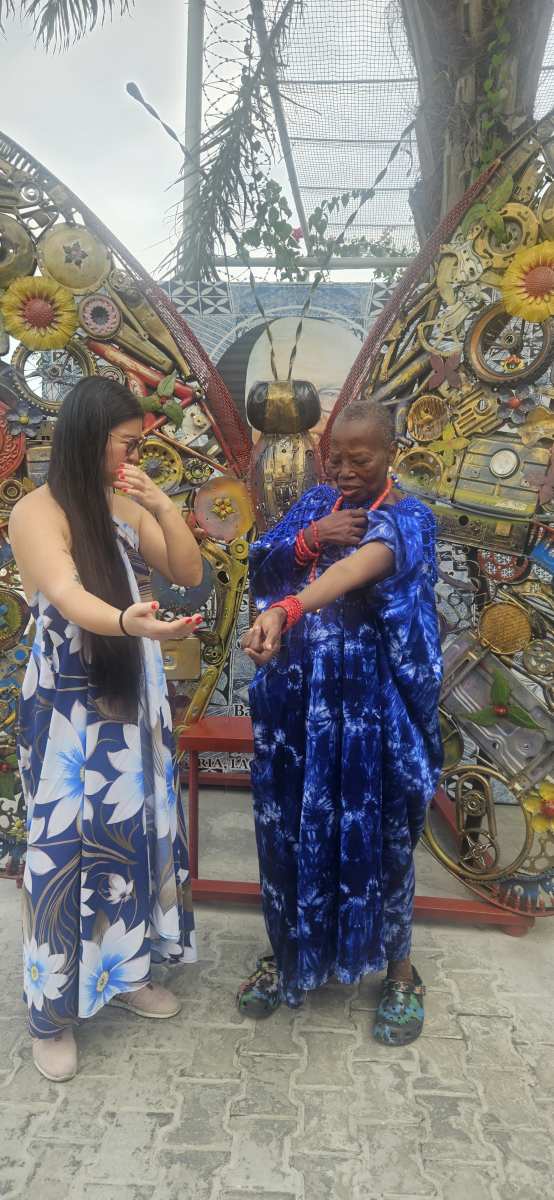
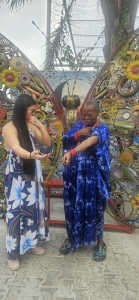
One of those moments was meeting Lady Nike Davies-Okundaye, who founded the Nike Art Centres across Nigeria. She shared stories about her time as an exchange teacher at the University of Michigan in the 1980s, and how her work has been inspired in part by the Detroit Institute of Arts. Her son graduated from the University of Michigan and is now an artist in Indiana. It felt like a small world in the best way.
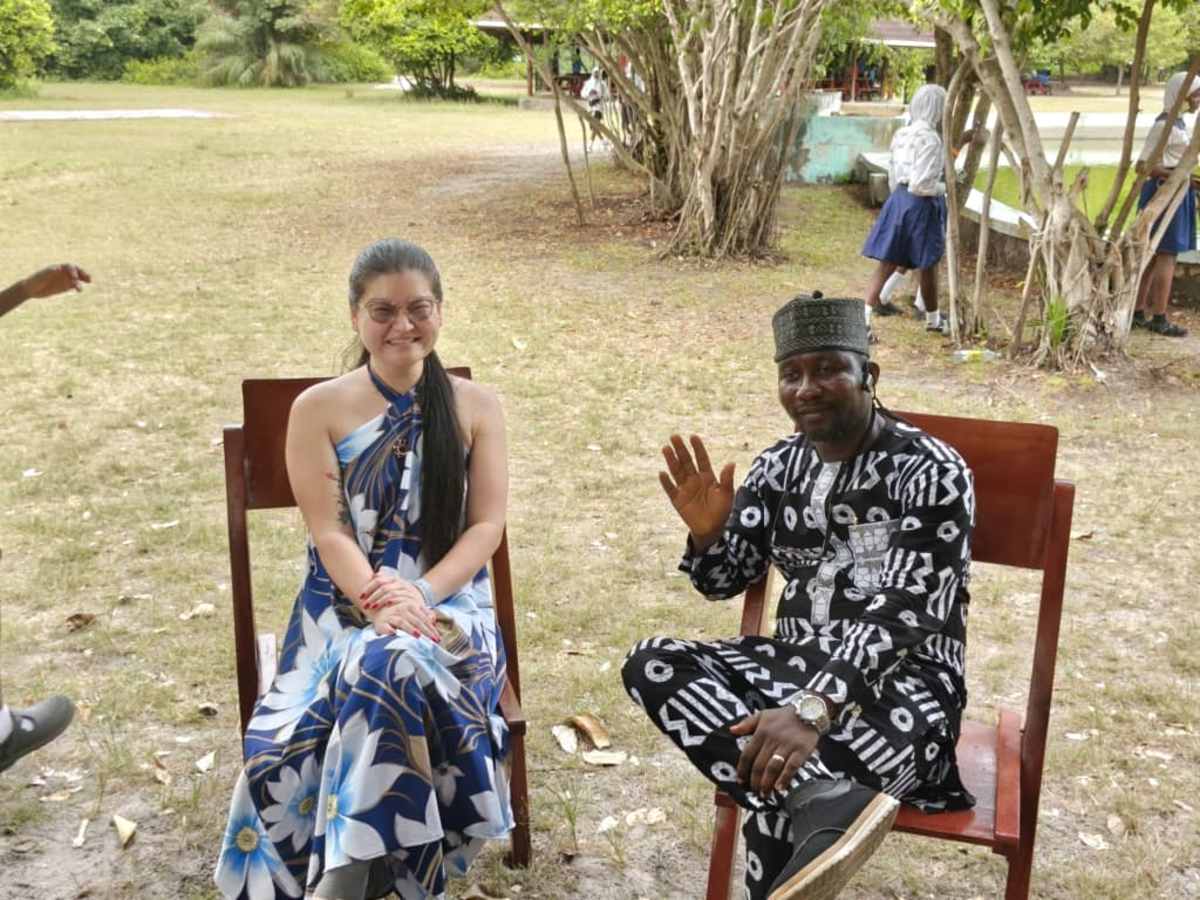
I also had the opportunity to speak with a group of girls at an all female boarding school, which was a powerful reminder of how important early encouragement can be.
Grateful for the team, the participants, and everyone who contributed to making this happen.