I will be spending 10 days in rural Burundi supporting the development of emergency care programs. The trip includes work in three main sites. The first site is the Kigutu Hospital in southwest Burundi. Run by a non-profit, the hospital serves the rural poor in a rural community and has recently opened a 150 bed hospital. I will visit the hospital and conduct resuscitation simulation cases with the generalists, nurses, and support staff. They have a training area with equipment but lack additional personnel to run additional trainings. In addition, I will spend time teaching new staff point of care ultrasound.
The second site is the Rumonge General Hospital where I will meet with Dr Moshi, the medical director, to conduct trainings in triaging and collaborate on ways to improve emergency care in Rumonge Province.
Finally, I will meet with the representatives of the Society for Emergency Care Burundi which was founded in the last year. We will plan for formal national activities related to emergency care and plan a delegation to the African Federation of Emergency Medicine which holds a conference in November, 2026.
Burundi is regarded as the poorest country in the world with predominantly rural population. The rural population has the least access to care and services at public facilities are poor. Disease or poverty including pediatric malnutrition, malaria, and tuberculosis are high. These conditions often have need for acute stabilization.
The Kigutu Hospital serves over 250,000 people in these rural communities.
My trip will work with different actors in this space. Simulation, ultrasound, and triage trainings will improve local providers skills as part of ongoing and existing training efforts.
Planning for future acute care interventions with the national society for emergency care can turn into long-standing programs that will strengthen this fragile health system.
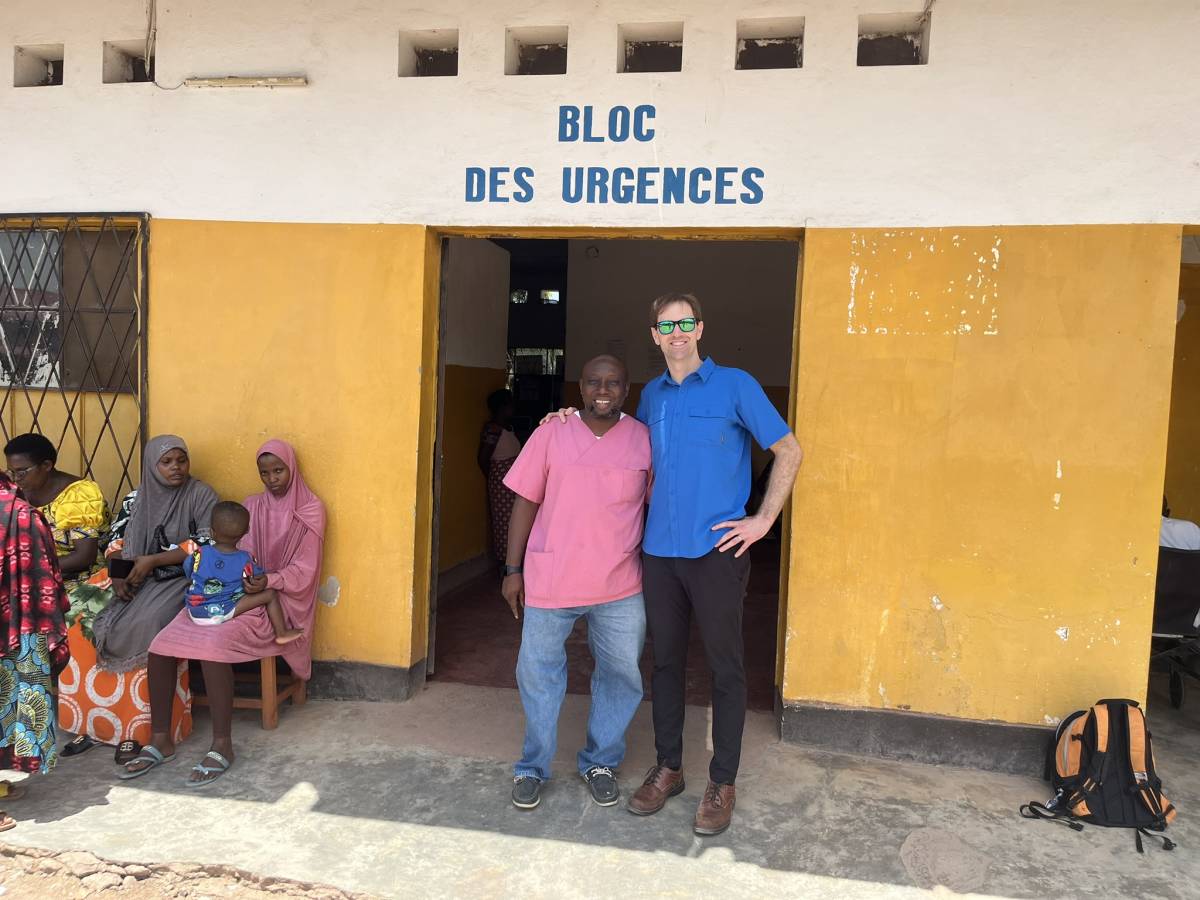
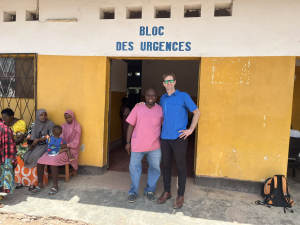
I had a very meaningful trip to Burundi this February. It was a joy to see healthcare workers fighting against innumerable barriers to quality care with the hope of providing better care to their communities.
Pursuing an aim to support regional and national emergency medical care efforts, I was able to spend time develop relationships with the medical directors of three major regional hospitals in Burundi. I spent time at the Muyinga hospital reviewing emergency care plans with him. I toured their Mpox emergency treatment facilities and reviewed challenges with their current ambulance fleet. Next, I visited Kibuye hospital in the middle of the country and met with its medical director, an emergency physician. I was able to tour a new emergency department before its opening with spaces for medical training and new infrastructure. We had time to review key points of strategy for expanding access and improving quality of emergency care in Burundi. At the end of my trip, I was able to meet the dean of medical affairs at the Hope Africa University in Bujumbura. We reviewed methods to include emergency care in Burundian medical schools, plan training for emergency first aid for pre-hospital providers, and conduct future Basic Emergency Care trainings to medical staff across the country.
In Rumonge Hospital, I renewed old friendships, gave an ultrasound lecture, and consulted on serious cases in the hospital. I met with Dr Mossi, the medical director of the Rumonge District Hospital, and consulted on his plans to open a new facility with a focus on emergency and critical care cases.
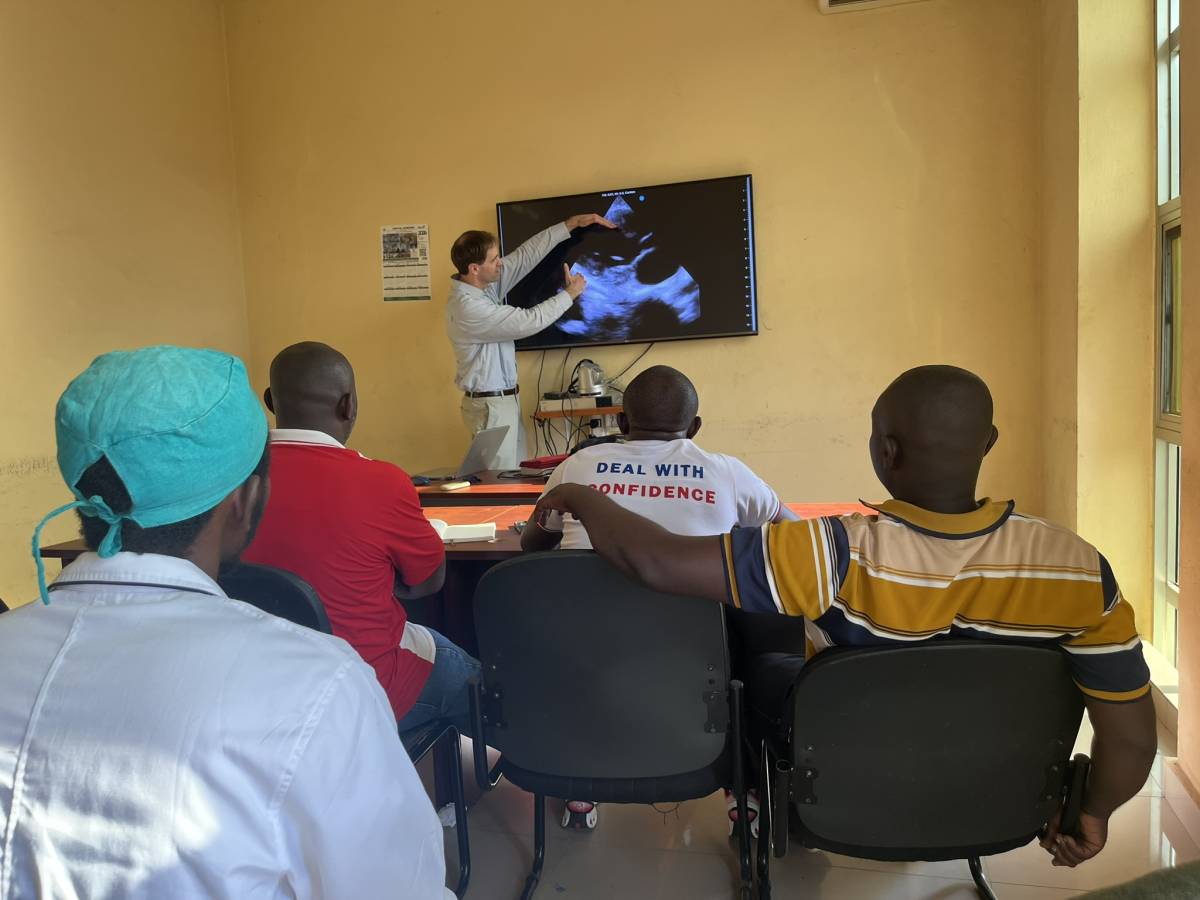
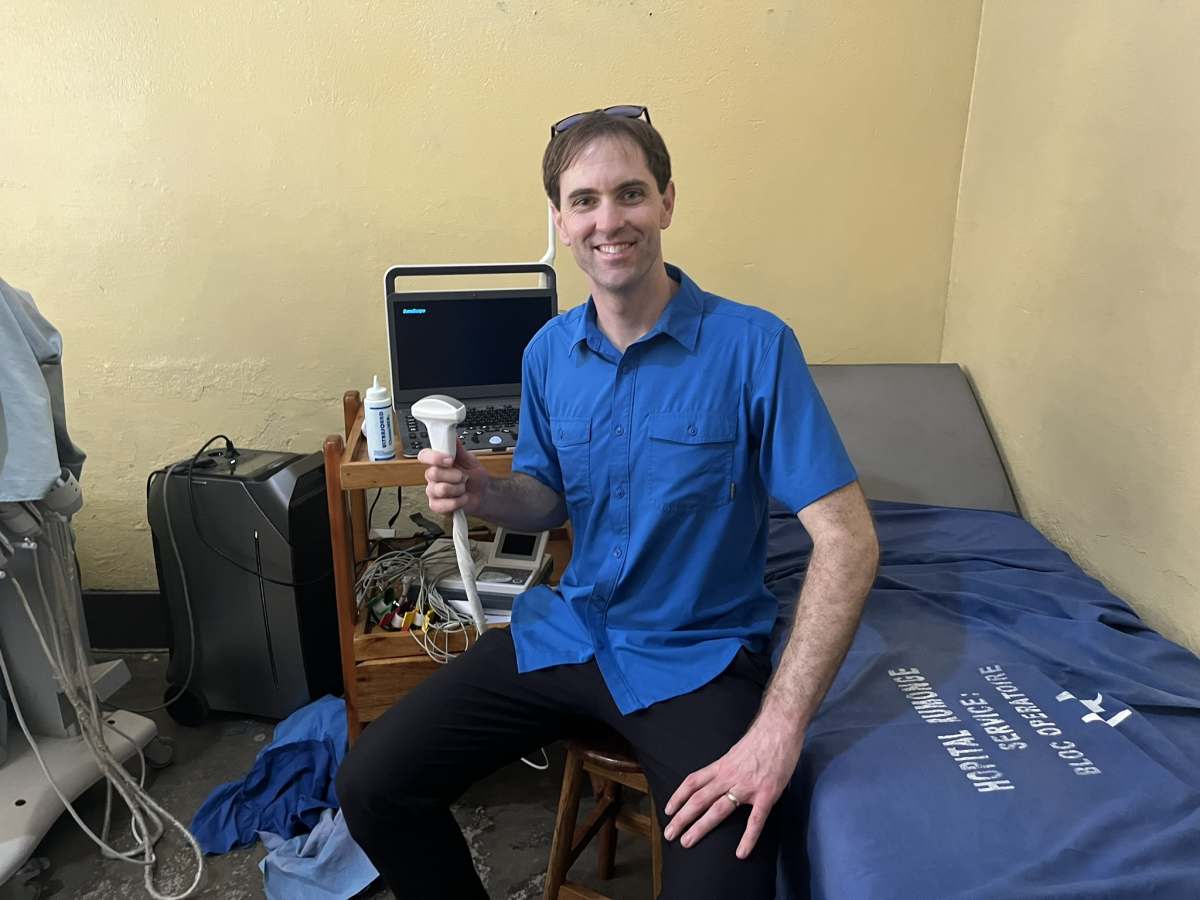
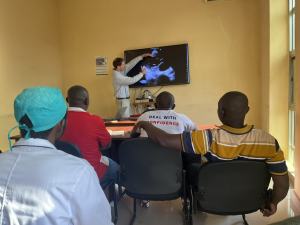
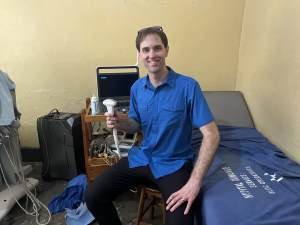
I gave a well-received lecture on critical care ultrasound to 10 of the hospital's medical staff. We reviewed cases of severe heart failure, ruptured ectopic pregnancy, complex pleural effusion, and gastric perforation. Shortly after the lecture, I spent time completing ultrasounds on some of their complex patients which happened to include a man with severe heart failure. One of the junior doctors was able to practice a number of ultrasound examinations. Despite having a portable ultrasound available to them, its use was largely limited to one provider for OB related ultrasound. The next day, a small group of medical staff spent time performing focused ultrasound exams with me including DVT ultrasound, gallbladder ultrasound. While my time at Rumonge was short, I was able to excite a few providers to jump into point of care ultrasound and explore emergency care as future career paths.