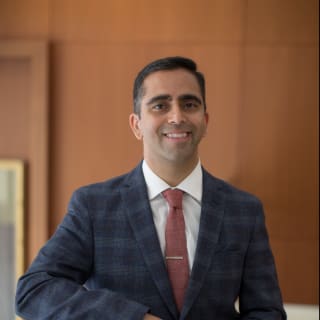
Operation International’s Team Manhattan has completed three overseas surgical missions to date, and I have participated in two of these prior trips. During these missions, our team has performed approximately 80–100 advanced head and neck and craniofacial surgical procedures in resource-limited countries where access to this level of specialized care is either extremely limited or entirely cost-prohibitive. These operations address complex, often life-altering conditions that would otherwise go untreated, leading to significant functional impairment, disfigurement, or life-threatening disease.
All surgical care is provided at no cost to patients. In addition to delivering direct operative care, our team is deeply committed to capacity building and sustainability. We provide hands-on training for local surgeons, anesthesiologists, nursing staff, and perioperative personnel through intraoperative teaching, case-based discussions, and skills transfer. We also donate essential surgical instruments, supplies, and perioperative medications to ensure that the host institutions are better equipped to continue caring for patients long after our team departs. Together, these efforts are designed not only to deliver immediate, high-impact surgical care, but also to strengthen local health systems and foster sustainable, long-term access to specialized treatment.
On this upcoming mission, we will also initiate a research project evaluating the use of telehealth to remotely monitor patients postoperatively and beyond once we leave the country. This project will assess the feasibility, safety, and clinical impact of longitudinal virtual follow-up in the mission setting, with the goal of improving continuity of care, early complication detection, and long-term outcomes. By combining direct clinical service, education, infrastructure support, and outcomes-focused research, this work seeks to create a scalable model for sustainable global head and neck surgical care.
The primary beneficiaries of this project are patients in and around Pakse, the capital of Champasak province in southern Laos, and the wider southern referral region. Champasak has roughly 670,000 residents, with Pakse serving as an urban hub for rural, low-income, and ethnically diverse communities that face limited access to specialty care. Laos is also one of Asia’s least-developed countries with about one-third of people needing surgery unable to access due to the heavy reliance on out-of-pocket payment and overall poverty levels. Access gaps are especially severe for complex head and neck and craniofacial conditions, which require specialized teams, reconstruction, and intensive postoperative care—resources that are scarce outside of a few urban centers in Laos. Patients with surgically addressable benign and malignant head and neck tumors and those with untreated cleft lip and/or palate are a vulnerable group. Studies from Laos show that many children with cleft lip/palate do not receive surgery until much later in life, largely because of limited specialty services, lack of awareness, and inability to pay. Cleft lip/palate is a common congenital anomaly, and Laos has been reported to have one of the highest rates, compounding the burden of feeding difficulty, speech impairment, and social stigma.
jmatonline.com
Our mission will focus on advanced head and neck surgery and reconstruction for benign and malignant tumors, as well as cleft lip and palate repair for children and adults who have lacked access to definitive care. By providing free surgery, on-site training for local otolaryngology, anesthesia, and nursing staff, and donation of essential equipment, this project targets a population for whom such care is clinically urgent yet structurally inaccessible, while building sustainable regional capacity in southern Laos.
The impact of this project will be both immediate and enduring. In the short term, patients suffering from advanced benign and malignant head and neck tumors and cleft lip and palate will receive life-changing surgical care that restores critical functions such as breathing, swallowing, speech, and appearance. These interventions directly improve quality of life, dignity, and the ability to fully participate in family, school, and work. For many patients, this care represents their only opportunity for definitive treatment. Beyond the patients served during the mission, this project is intentionally designed to strengthen the local health care workforce. Four local otolaryngologists, along with general surgeons, anesthesiologists, nurses, and staff, will receive hands-on training alongside our team. Through real-time mentorship and skills transfer, combined with the donation of surgical instruments, supplies, and medications, these providers will be empowered to continue offering higher-level care to patients long after our team departs—multiplying the long-term impact of the foundation’s investment.
This mission will also shape the next generation of physicians. Residents and medical students from Montefiore Medical Center and Albert Einstein College of Medicine, respectively, will participate, gaining firsthand experience delivering compassionate care in resource-limited settings. These experiences are often transformative, inspiring lifelong commitments to service, equity, and global health. Just as importantly, they reconnect young physicians with the pure purpose of medicine—healing those in need without the layers of bureaucracy and financial pressures that often erode the patient-doctor relationship in the US. Finally, the knowledge generated will extend the project’s reach even further. By studying and publishing on the feasibility and outcomes of telehealth-based postoperative follow up, we aim to share practical solutions that can improve care continuity.


Our recent mission to Laos with Operation International’s Team Manhattan was both deeply meaningful and humbling. Over the course of the trip, we performed 89 surgical procedures, including 51 thyroidectomies and 25 cleft lip and palate surgeries, along with other advanced head and neck operations. Many of these patients had lived with their conditions for years without access to specialized care due to financial and geographic barriers.
While these numbers reflect the scope of the work, they only tell part of the story. Each operation represented an individual patient whose quality of life stood to be significantly improved. Being able to provide care that restores function, appearance, and dignity is a privilege that is difficult to fully capture.
Equally important was the opportunity to collaborate closely with our local colleagues. We worked alongside otolaryngologists, surgeons, anesthesiologists, nurses, and perioperative staff—sharing knowledge, learning from one another, and strengthening relationships that will hopefully extend beyond this single mission.
This experience also had a meaningful impact on the trainees who joined us. Residents and medical students were immersed in an environment centered on teamwork, adaptability, and patient-focused care, offering a perspective that is difficult to replicate in traditional training settings.
On a personal level, I continue to feel that I take away as much—if not more—than I give. Being welcomed into a different culture and witnessing the resilience and gratitude of patients and families provides a perspective that is both grounding and inspiring. It is a powerful reminder of why we chose this profession and what it means to care for others.
I am incredibly grateful to be part of this team and for the opportunity to contribute to work that is, at its core, about helping others in a direct and meaningful way