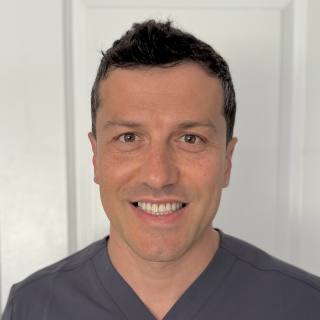
I joined Team Manhattan of Operation International in 2022. My role has been to deliver safe and reliable anesthesiology services in very remote areas with minimal resources at my disposal. We have been to Uganda, Bolivia and Tanzania since our inception. Our team has focused on delivering high-quality otolaryngology care to regions with limited surgical resources. This upcoming trip to Laos will be our team’s fourth.
Our goals for this mission are fourfold:
Provide direct surgical care for patients with complex head and neck disorders who otherwise lack access to specialized treatment. Many of these conditions cause significant functional impairment, disfigurement, or life-threatening complications, and timely surgery can dramatically improve quality of life and long-term outcomes.
Train and collaborate with local physicians, offering hands-on surgical education, case discussions, and skills transfer to help strengthen sustainable in-country capacity long after our team leaves. For instance, our team introduced the Tanzania doctors to electrocautery for use during obstetrical Csections and helped improve their maternal mortality rate which was an astounding 75%!
Support the hospital with critical donations, including surgical and anesthesia equipment that expand their ability to care for patients.
Advance global surgery research through a project evaluating the role of telehealth in postoperative follow-up for mission-based care. Our aim is to identify effective, culturally appropriate strategies for continuity of care and improved patient outcomes.
Through this work, our team hopes not only to treat immediate surgical needs but also to build local expertise, enhance infrastructure, and contribute knowledge that improves the delivery of global otolaryngology care.
The population served on this mission includes patients from Pakse, Laos and the broader southern Laos region, an area where access to specialized head and neck and craniofacial care is extremely limited. During the planning process, as with all of our mission sites, we have seen firsthand the severe financial constraints faced by the local community. Many patients are unable to afford travel to larger cities where advanced surgical services are available, leading them to live for years with conditions that are both functionally debilitating and socially stigmatizing—conditions that are often easily correctable with timely surgical intervention.
Our team specifically targets this population because they represent individuals with high unmet surgical needs and the least ability to access care through conventional pathways. By providing evaluations and surgery at no cost, along with financial assistance for transportation, lodging, and perioperative support, we aim to remove the major barriers that prevent these patients from seeking treatment.
We anticipate completing 80–100 surgeries during the mission week. Approximately one-third of these cases will involve children with cleft lip and palate—patients who often experience profound social stigma, feeding challenges, speech delays, and long-term psychosocial consequences. Other beneficiaries will include adults with benign and malignant head and neck masses, chronic infections, congenital lesions and facial deformities affecting breathing, swallowing, or appearance.
By delivering specialized care directly to this underserved region, we hope not only to transform immediate health outcomes but also to enhance long-term quality of life for some of the region’s most vulnerable and disadvantaged patients.
he expected impact of this mission extends far beyond the patients we treat during the week in Pakse. Champasak Provincial Hospital currently has four physicians and several general surgeons who manage head and neck conditions but are limited to basic procedures due to constraints in training, equipment, and case exposure. A core component of our mission is capacity-building: local surgeons will actively participate in every operative case, allowing for hands-on training in more advanced techniques. This skills transfer is essential for creating sustainable, long-term improvements in regional surgical care.
In parallel, our team will contribute to the global health knowledge base through a structured research initiative led by two medical students assessing the feasibility and effectiveness of telehealth for postoperative follow-up after international surgical missions. They have developed the study design, secured necessary approvals, and prepared data collection tools. During the mission, we will enroll patients and establish a standardized telehealth follow-up schedule. Because continuity of care is a longstanding ethical challenge in global surgery, this project has the potential to demonstrate telehealth as a practical, scalable adjunct for safe postoperative monitoring. Current literature is limited, and our findings may help guide best practices for future mission teams.
Finally, this mission serves as an important training and mentorship opportunity. In addition to seasoned global health volunteers, our team also brings medical students, residents, and new volunteers. We aim to cultivate the next generation of global surgeons and healthcare advocates. Through direct exposure to the needs of underserved communities and the impact of collaborative care, we hope to inspire lifelong commitment to global health and ensure these efforts continue to grow long after our return.


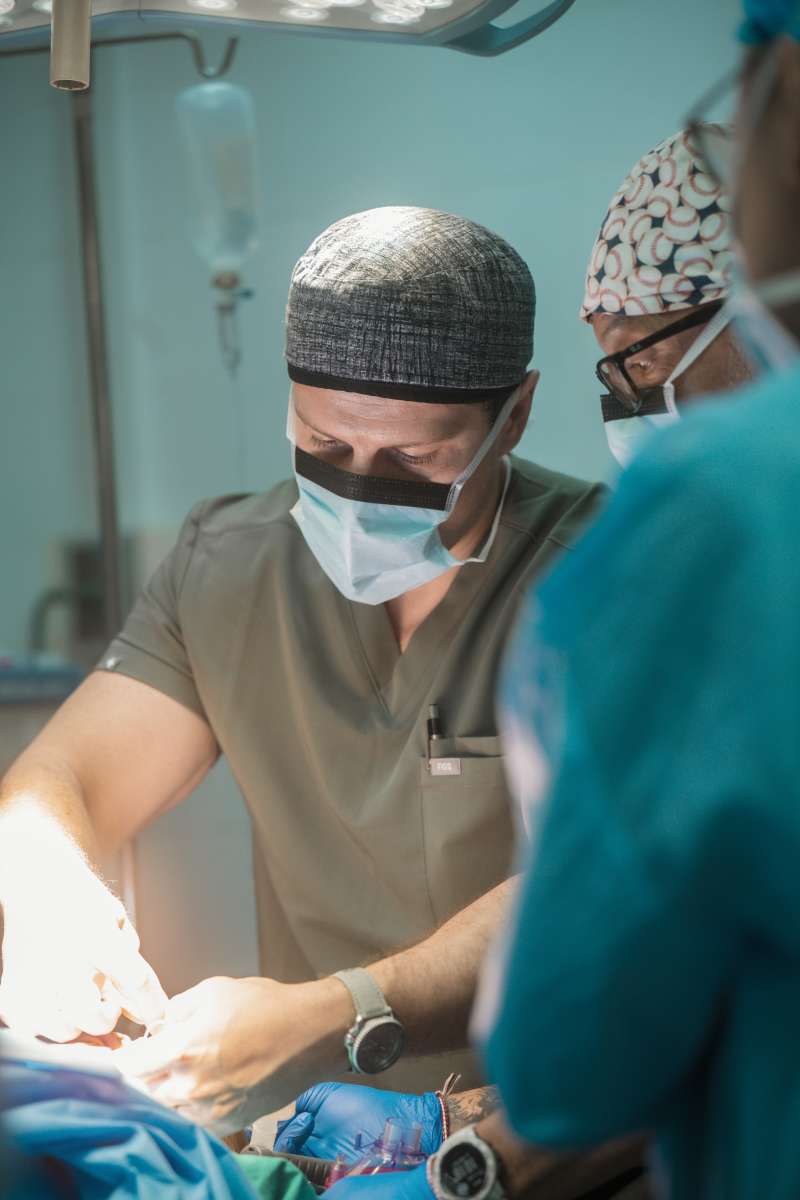


As part of Operation International Team Manhattan, we were able to do 89 surgeries in Pakse, Laos. We were able to do 20 cleft lip cases as well as many thyroid goiters and various head and neck deformities. Overall, it was a wonderful experience to be able to help those in need and to enjoy the beautiful culture of the amazing Laos people.