
I plan to support the annual POCUS bootcamp at Edward Francis Small Teaching Hospital in The Gambia, the country’s main teaching and only tertiary referral center. This bootcamp provides multidisciplinary providers at all levels with introductory and refresher training on ultrasound techniques to improve diagnostic accuracy and guide treatment. In a public healthcare system constrained by limited equipment, staffing shortages, and scarce opportunities for advanced training, POCUS offers an affordable, accessible solution to bridge gaps created by broken or prohibitively expensive diagnostic tools in a fee-for-service system.
As part of the UC Davis team, I will help deliver the two-week curriculum, which includes lectures, hands-on scanning, and supervised bedside assessments on the wards. As an emergency medicine physician with a global health fellowship focused on ultrasound in low-resource settings, I will provide teaching, mentorship, and real-time clinical integration of ultrasound skills.
I am also trained to teach the WHO Basic Emergency Care (BEC) course, which local staff have identified as vital for strengthening the skills of new nursing and medical graduates to better recognize and manage reversible emergencies. After delivering two successful BEC courses this year, local partners expressed a need for additional trainers to ensure long-term sustainability.
After the bootcamp, I will remain on site to conduct a Train-the-Trainer program to expand the number of local BEC instructors. Increasing the trainer pool will allow the hospital to run regular courses for providers at all levels, offer refresher sessions as needed, and begin extending training to smaller hospitals throughout the country. In a setting where many life-saving courses carry fees unsustainable for low- and middle-income countries, building local training capacity ensures accessible, durable education that strengthens emergency care and improves patient outcomes nationwide.
This project directly benefits a broad, multidisciplinary group of healthcare providers—including physicians, surgeons, nurses, midwives, and trainees—who care for patients in an under-resourced, fee-for-service system where many individuals live far below the poverty line. By strengthening providers’ skills in point-of-care ultrasound (POCUS) and Basic Emergency Care (BEC), the training enhances their ability to deliver accurate, timely, and cost-effective care.
The POCUS curriculum has already demonstrated measurable impact. Surgical specialists are now able to rely on ultrasound guidance to reduce unnecessary invasive procedures, lowering complication rates for central and dialysis line placements that were previously performed using landmark techniques. In a country with limited access to narcotic medications and a high burden of burns and trauma, ultrasound-guided nerve blocks offer a safe, affordable alternative that significantly improves pain control and patient experience. Recent courses have expanded to include obstetrics and gynecology teams, allowing clinicians to perform bedside assessments and avoid costly or delayed transfers to radiology.
Similarly, the BEC course equips providers at all levels to identify and treat emergencies using standardized, practical protocols. Increasing the number of local trainers ensures that these life-saving skills become embedded throughout the health system, ultimately improving outcomes for the entire patient population.
My connection to this community began during my fellowship training through a partnership with UC Davis. This work aligns closely with my passion for serving low-resource settings and using ultrasound to bridge gaps in time-critical and affordable care. Witnessing how much this hospital accomplishes with limited resources has been profoundly inspiring and reinforces my commitment to supporting their growth through sustainable training and medical education.
The integration of point-of-care ultrasound (POCUS) has already produced measurable improvements across both surgical and medical services in the hospital. Self-identified and hospital-selected POCUS champions have continued teaching their peers on the wards, creating a growing culture of bedside ultrasound use. Surgeons have reported fewer unnecessary exploratory laparotomies and reduced complication rates for invasive procedures such as central and dialysis line placement. Continued expansion of POCUS is expected to further shorten time to diagnosis and improve timely treatment interventions. With additional equipment and the appointment of new champions, POCUS can be more fully integrated at all levels of medical education, from trainees to attending providers.
The Train-the-Trainer model ensures that the local providers themselves will sustain and expand the knowledge gained. By increasing the number of trained instructors, the hospital’s own clinicians will be equipped to deliver recurring POCUS and Basic Emergency Care trainings without reliance on outside teams. These newly trained champions will mentor junior colleagues, reinforce skills on the wards, and incorporate ultrasound and emergency care principles into daily practice. As they continue teaching across departments, the benefits will multiply—standardizing care, improving early recognition of emergencies, and strengthening clinical decision-making throughout the system.
With a growing cadre of local trainers, the hospital will be able to host scheduled biannual courses and eventually extend training to neighboring facilities, helping fill gaps in continuing medical education across the region. This approach ensures that the skills taught are embedded within the healthcare workforce, creating lasting improvement in patient care long after the mission concludes.
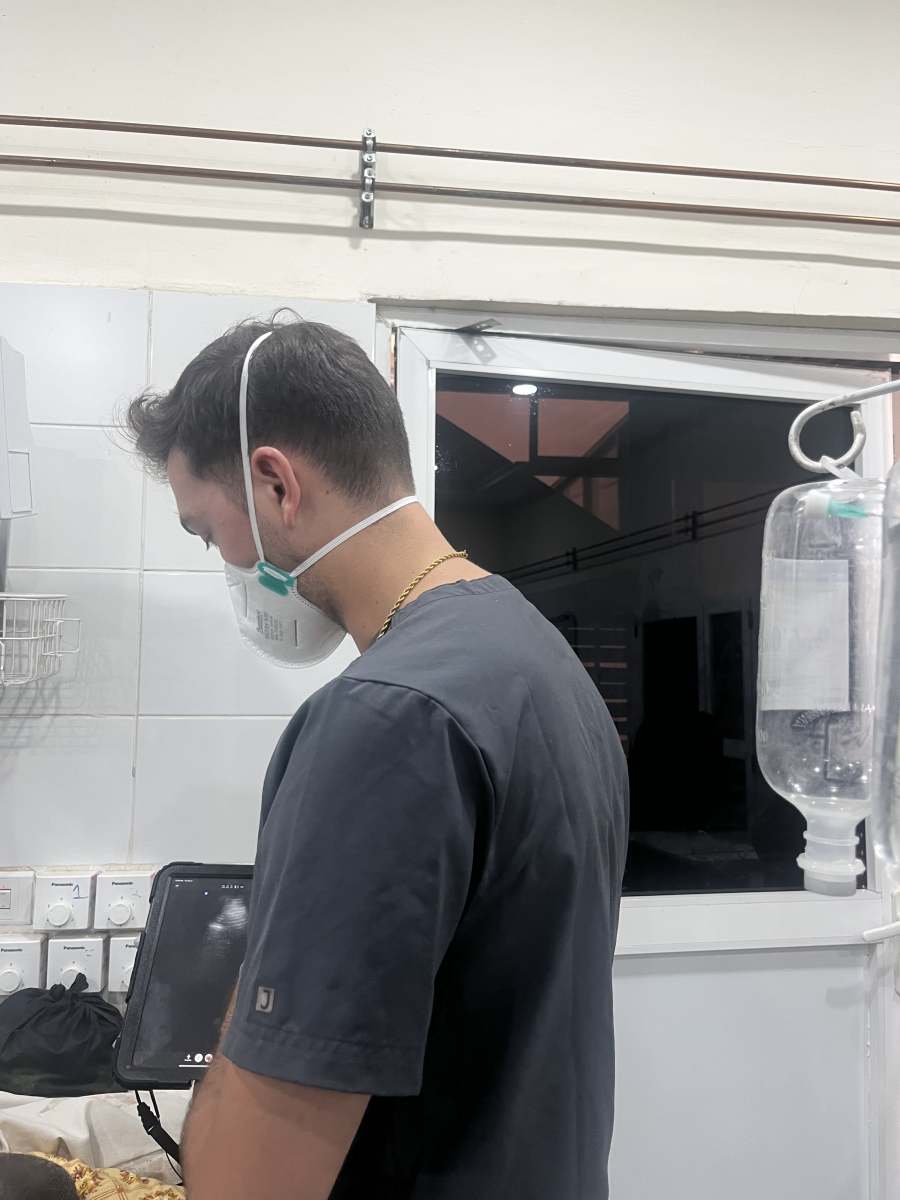
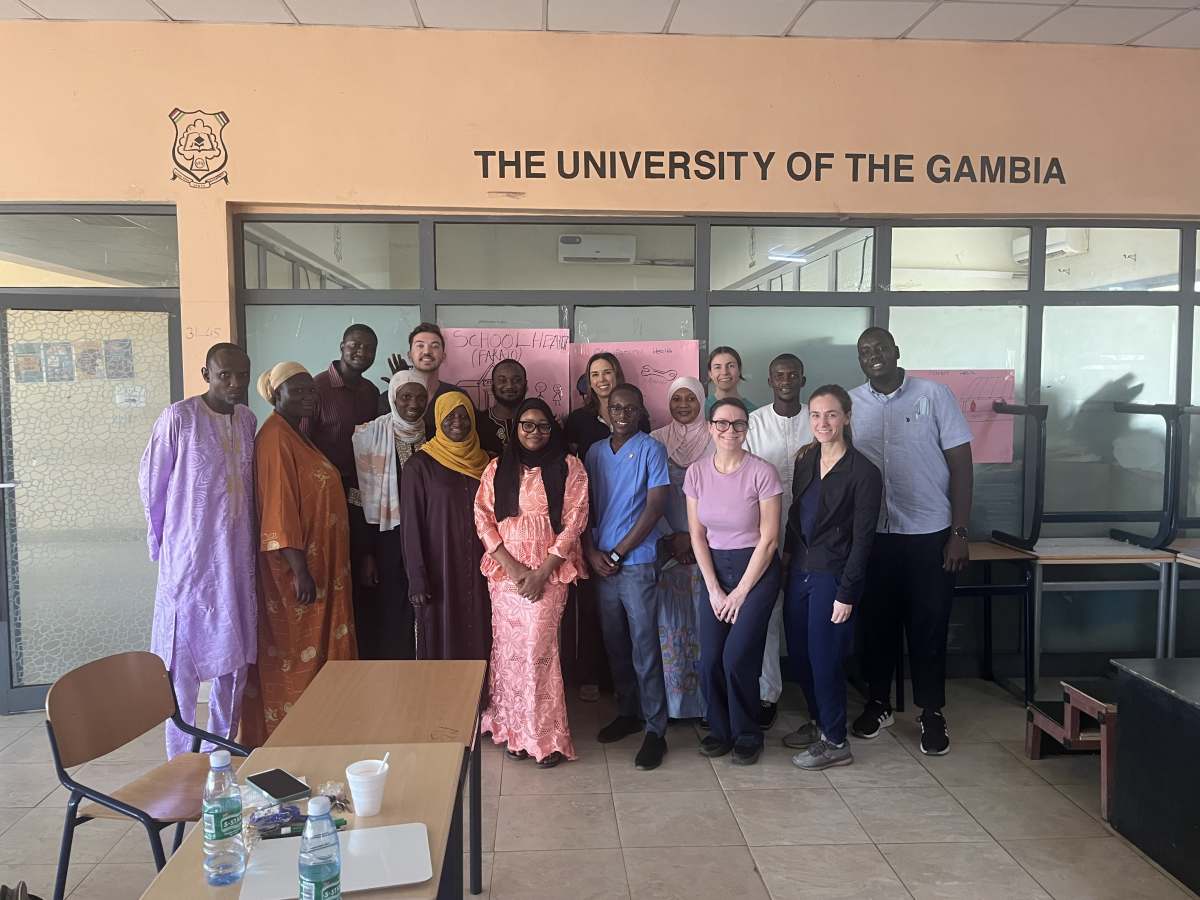
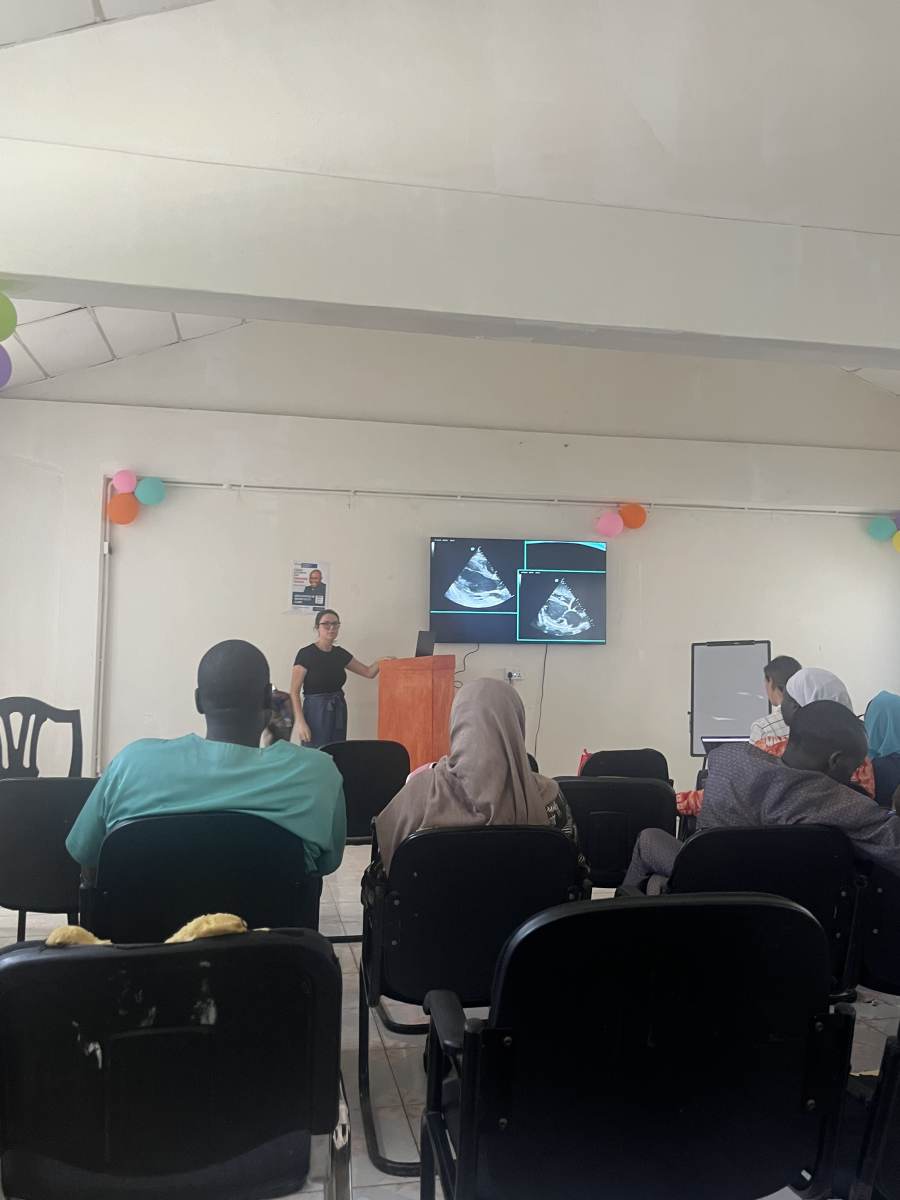
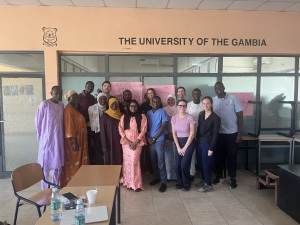
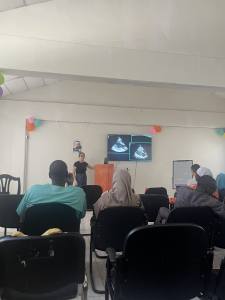
The POCUS course directly impacted resident and attending physicians from four local hospitals, providing both foundational training and refresher instruction in point-of-care ultrasound. By strengthening clinicians’ skills in bedside ultrasound, the course empowered providers to make faster, more accurate diagnostic and management decisions, ultimately improving efficiency and reducing costs of care.
Through a generous donation of handheld ultrasound devices, three local hospitals gained sustainable access to this essential technology. This support extended to the country’s largest hospital, aligning with its mission to advance research-driven, forward-thinking clinical care.
Most importantly, the impact reaches patients. Expanding access to point-of-care ultrasound translates into more timely diagnoses, more informed bedside decision-making, and more affordable, high-quality care for the communities these hospitals serve.