I will complete a supervised international clinical rotation at a large South African state-level hospital serving a community with an exceptionally high burden of tuberculosis. The hospital functions as a regional referral center for complex pulmonary and infectious diseases, including drug-susceptible and drug-resistant TB, HIV-associated lung disease, post-tuberculosis lung disease, and advanced respiratory pathology that is less commonly encountered in U.S. training programs.
Working alongside local physicians, trainees, and multidisciplinary care teams, I will participate in inpatient and outpatient care, bedside teaching, and case-based discussions. My role will be grounded in collaboration and learning, contributing clinically within my scope while gaining deeper exposure to diagnostic reasoning, treatment decision-making, and longitudinal TB care in a resource-constrained public health system. This rotation builds directly on prior collaboration with physicians at this site, allowing me to return with established clinical context and professional relationships rather than as a short-term visitor. As I prepare to apply to Pulmonary and Critical Care Medicine (PCCM) fellowship in the coming year, this experience will directly inform my clinical training and strengthen my foundation for a career that integrates global pulmonary care and tuberculosis research.
The primary population served includes patients receiving care at a public state hospital in South Africa, many of whom face overlapping burdens of tuberculosis, HIV, poverty, and limited access to specialty medical services. TB remains a leading cause of morbidity and mortality in this region, with patients often presenting late in the disease course and requiring prolonged, complex treatment and follow-up. Respiratory disease in this population is frequently shaped by structural inequities, overcrowding, and limited healthcare resources.
Local clinicians and trainees will also benefit through sustained bidirectional collaboration and shared clinical learning. Because this rotation builds on an existing partnership, the focus is on continuity, mutual exchange, and respect for local expertise rather than short-term service delivery. Supporting patient care and clinician training in high-burden public health settings is essential to improving TB outcomes and addressing global respiratory health disparities that extend beyond national borders.
The immediate impact of this rotation will be strengthened clinical collaboration within an established partnership, supporting patient care through shared clinical reasoning and engagement with local medical teams. Exposure to advanced and high-burden TB care will enhance my ability to recognize complex pulmonary disease, manage complications, and understand how health system constraints shape real-world clinical decision-making.
Long-term, this experience will play a central role in my development as a future pulmonologist and global health clinician. As I apply to PCCM fellowship in the coming year, the skills and perspectives gained through this rotation will directly inform my training goals and career trajectory. Upon returning to my residency program, I will integrate these lessons into teaching conferences, bedside education, and mentorship of trainees interested in pulmonary medicine and global health. I also plan to build upon existing research collaborations with physicians at this site, translating clinical insights into ongoing work focused on tuberculosis outcomes and health systems. These learnings will continue to guide my clinical practice, research agenda, and long-term commitment to equitable global pulmonary care.


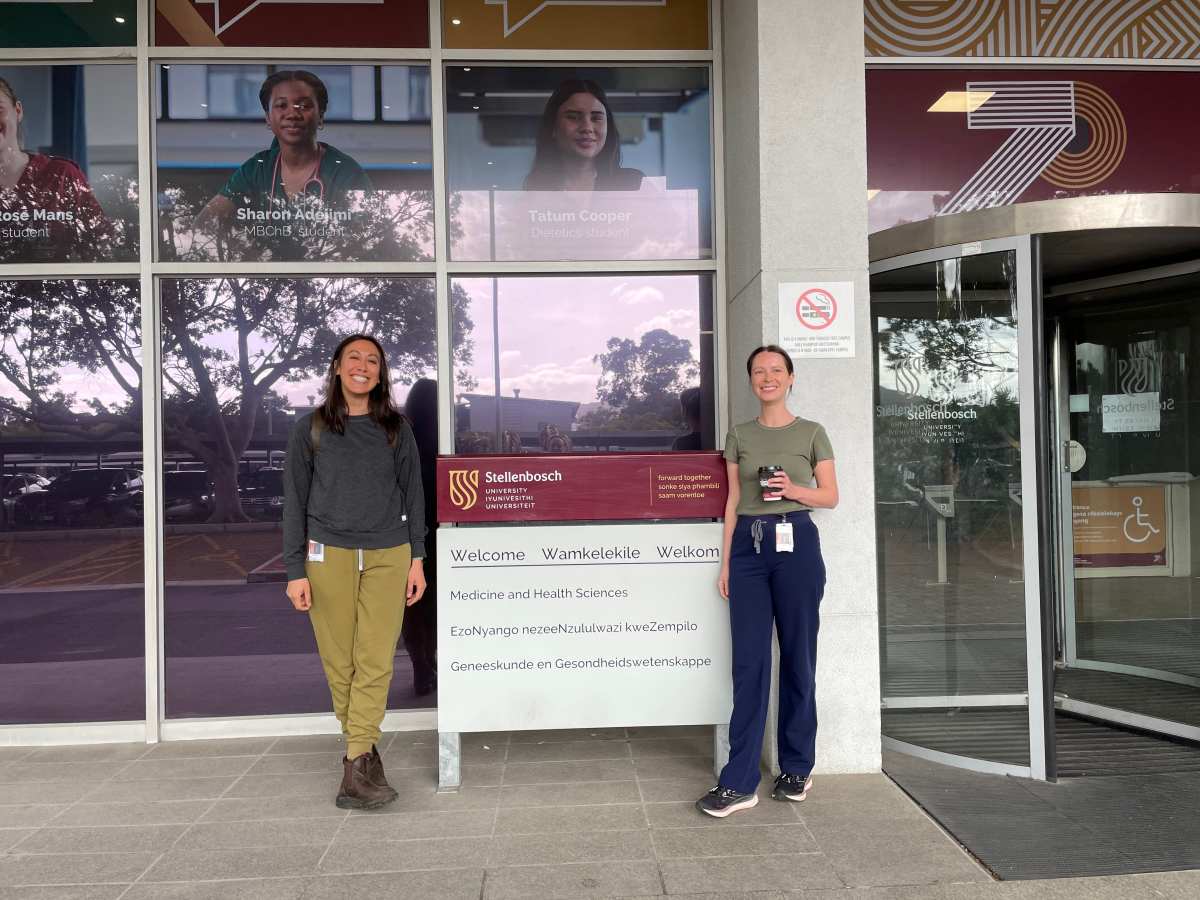
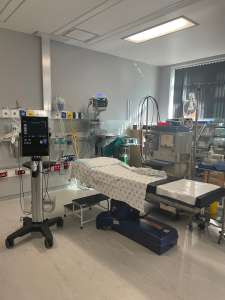

During my trip, I was able to see patients in pulmonary clinic and help them with their various presentations including acute on chronic dyspnea and asthma exacerbations. I was also able to care for very sick patients within the 7-bed ICU at the hospital, completing morning rounds daily and providing care to the sickest patients in the hospital. Furthermore, I was able to contribute to medical student teaching during rounds and on various research topics including post-TB lung disease.