The University of Botswana (UB) has made important progress in developing Emergency Medicine (EM) as a specialty, establishing a residency program at Princess Marina Hospital, the country’s largest teaching hospital, in 2011. Despite resource limitations, UB continues to strengthen emergency care by focusing on local capacity building, education, and research, including initiatives such as the Trauma Research Centre. These efforts aim to train emergency medicine specialists equipped to address Botswana’s unique disease burden, including HIV, tuberculosis, trauma, and rising non-communicable diseases.
As a senior Emergency Medicine resident from UC Davis Health, I will participate in a four-week global health elective in Botswana, working as an additional resident physician embedded within the emergency department team. Under the supervision of attending physicians, I will provide direct patient care alongside local EM residents in high-volume clinical settings such as Princess Marina Hospital. This experience will emphasize hands-on learning, clinical adaptability, and collaborative practice in a resource-limited environment.
In addition to clinical work, I plan to contribute to emergency medicine education through teaching and academic engagement. I will seek opportunities to participate in bedside teaching, present at the department’s monthly journal club, and support quality improvement efforts when appropriate. To extend the impact of this experience, I will share a case study and reflections with colleagues at UC Davis Health, promoting knowledge exchange and awareness of global emergency medicine practice. Through these activities, I hope to support the continued development of emergency medicine training in Botswana while fostering a sustainable academic partnership between UC Davis Health and the University of Botswana.
This project will primarily benefit patients receiving emergency care at Princess Marina Hospital, Botswana’s largest public referral and tertiary care center. As a national referral hospital, Princess Marina serves a predominantly underserved population with limited access to specialized medical services, including patients with severe trauma, complex medical emergencies, and complications of infectious and non-communicable diseases. The emergency department functions as a critical access point for patients referred from across Botswana and the surrounding region.
Botswana offers a unique opportunity to engage with an African healthcare system that has an established Department of Emergency Medicine, which remains uncommon across the continent. Participation within this setting allows for collaboration with locally trained emergency medicine residents and faculty while supporting the delivery of high-quality emergency care in a resource-limited environment.
The population served faces ongoing public health and economic challenges, including recent declines in national GDP related to Botswana’s diamond-dependent economy. These economic pressures have contributed to disruptions in medical supply chains and uncertainty in external financial support, with downstream impacts on emergency services and HIV care, which remains a significant component of the country’s disease burden.
In addition to direct patient care, this project will benefit healthcare trainees through bidirectional knowledge exchange. Upon return, I will share clinical experiences and lessons learned with colleagues at UC Davis Health, helping to raise awareness of global emergency medicine practice and establishing a potential pathway for future UC Davis residents to participate in similar electives, fostering sustained academic collaboration.
This project is intended to have both short-term and long-term impact. In the short term, my primary focus will be delivering high-quality, patient-centered emergency care within a resource-limited environment. As an additional senior emergency medicine resident, I will apply my clinical training within an appropriate and culturally sensitive scope of practice through direct patient care, working collaboratively with local residents and attending physicians. I will seek opportunities for bedside teaching and focus efforts on complex or high-acuity cases where having an additional provider can improve patient flow, clinical decision-making, and efficient use of limited resources.
This experience will also allow me to develop critical skills in emergency medicine triage, resource allocation, and patient stabilization in low-resource settings. Learning alongside and from emergency medicine peers in Botswana will deepen my understanding of adaptable, systems-based approaches to emergency care that prioritize clinical judgment and teamwork over technology-dependent solutions.
In the longer term, I hope to contribute to sustainable improvements by identifying opportunities for quality improvement or small, practical changes that may enhance clinical practice without placing additional burden on an already under-resourced system. Upon return to UC Davis Health, I will share key lessons learned through case discussions and reflections with colleagues and trainees, helping to integrate principles of global emergency medicine into my future practice. These experiences will inform my approach to patient care, education, and advocacy, while supporting ongoing academic exchange and potential future collaboration between UC Davis Health and the University of Botswana.
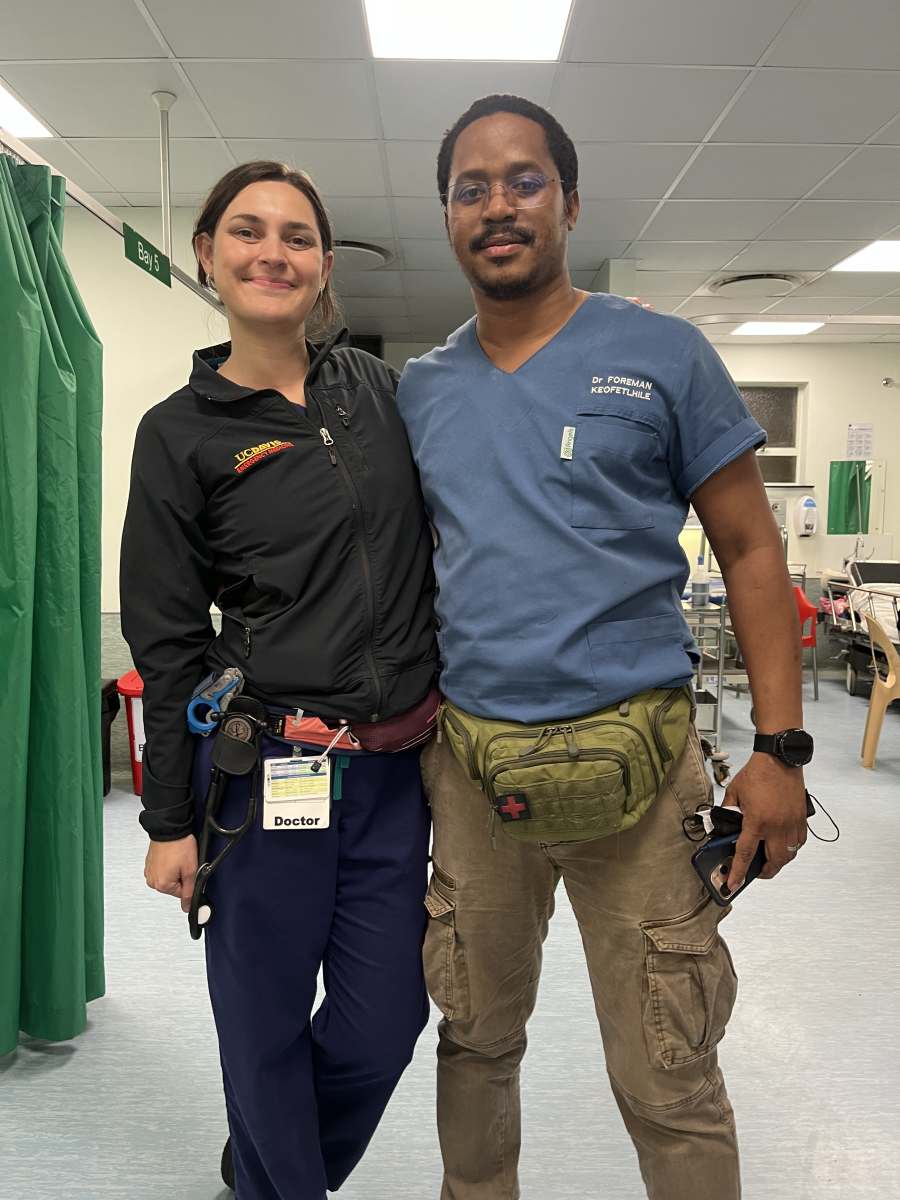
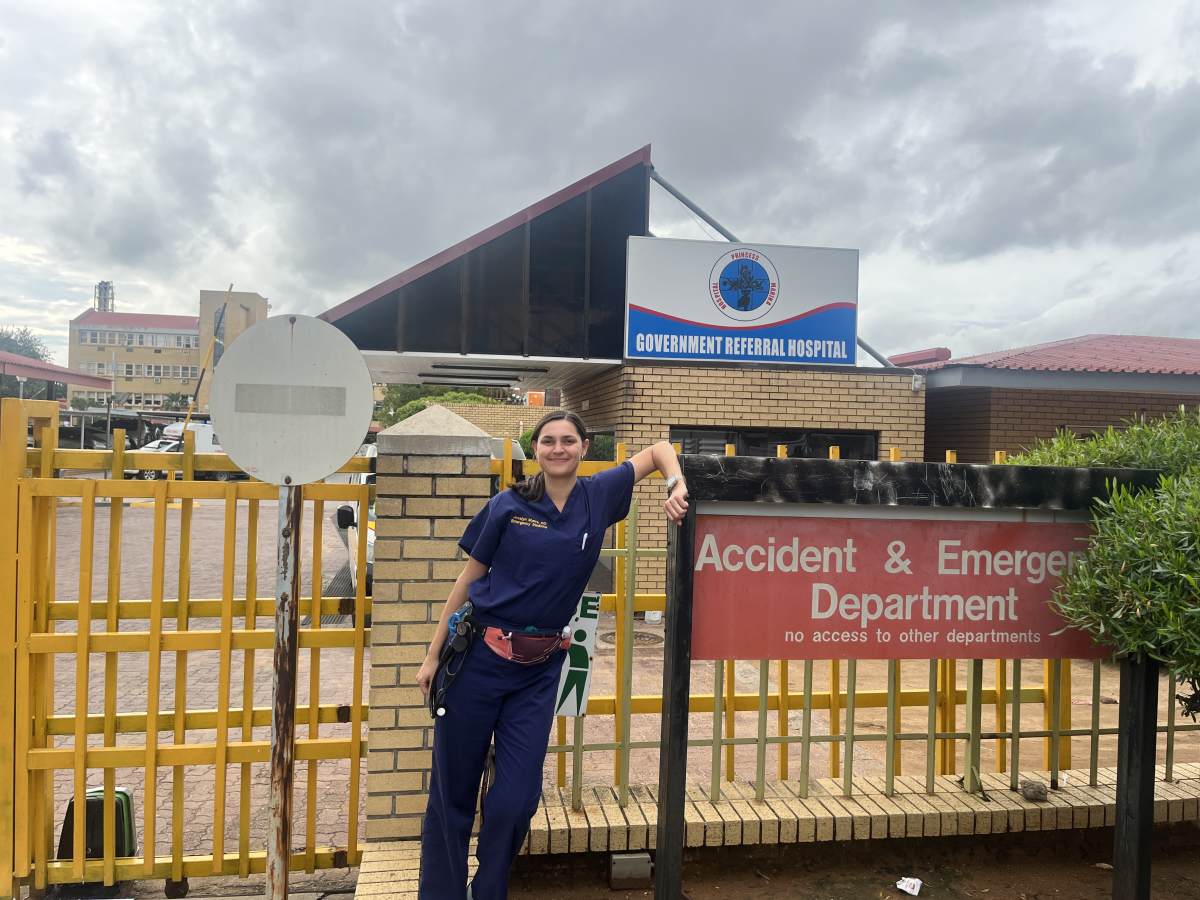
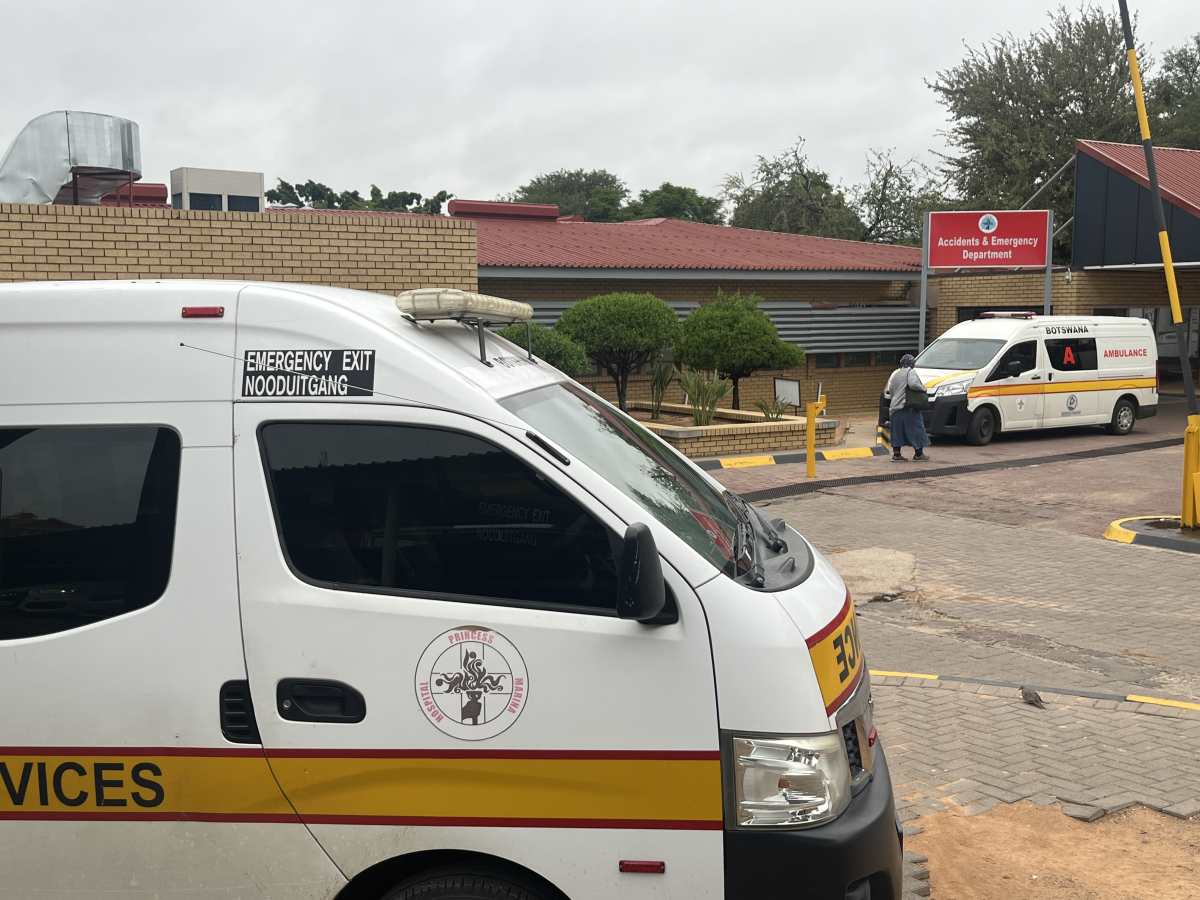
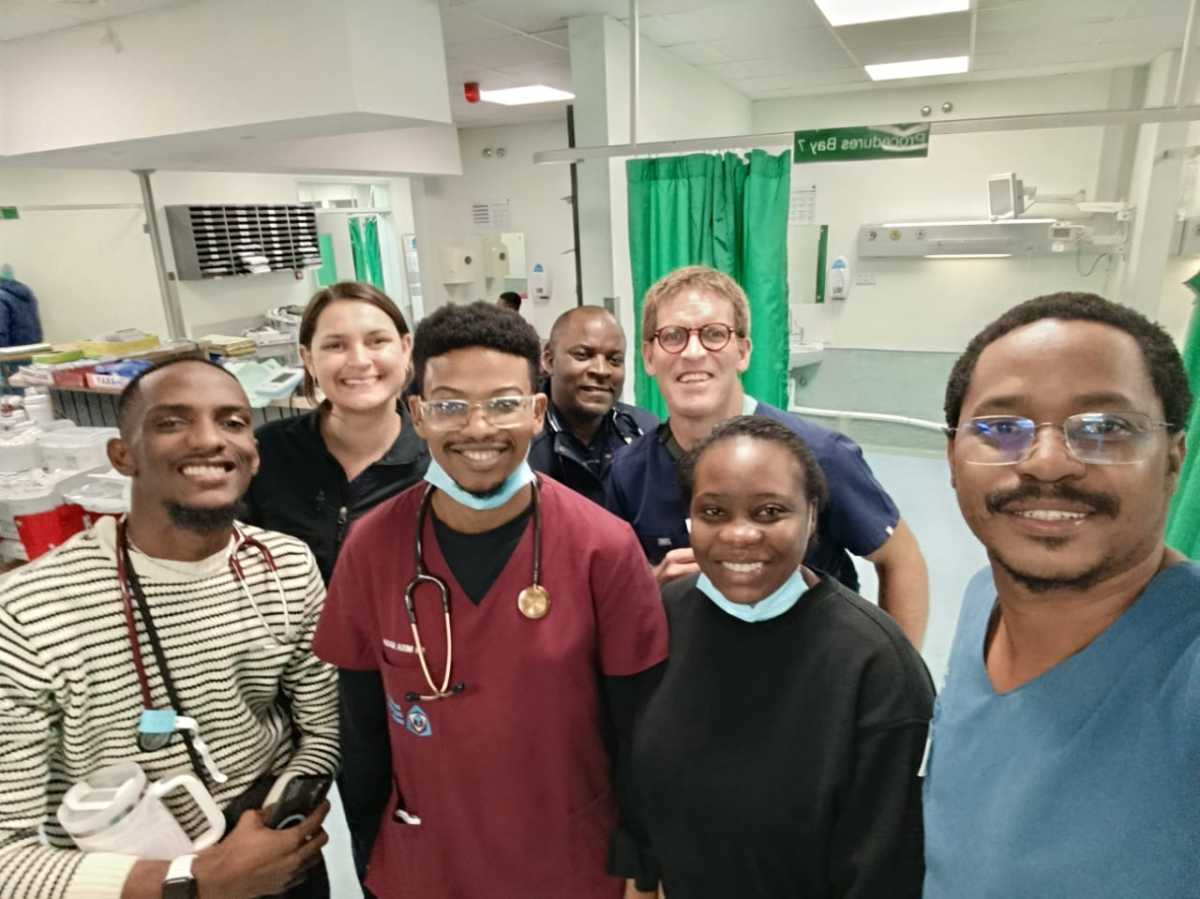



As a third-year Emergency Medicine resident at UC Davis, I had the opportunity to complete a global health elective at Princess Marina Hospital and the University of Botswana Emergency Medicine program in Gaborone, Botswana, with the support of the Doximity Foundation. Beyond the clinical experience, the most meaningful part of the trip was the opportunity to learn from and work alongside the residents, faculty, nurses, and staff who welcomed me into their department and shared their perspectives on emergency care and medical education.
The experience emphasized the value of collaboration, adaptability, and mutual learning across healthcare systems and cultures. It strengthened my interest in global emergency medicine and highlighted the importance of building sustainable partnerships that support education, mentorship, and shared growth.
I hope this experience helps foster ongoing collaboration and future opportunities for residents from my program to participate in similar global health exchanges that continue to benefit both institutions and the communities they serve.