March 5-15, 2026, Operation International’s Cleft Repair Team will return to Houaphanh, Laos for our second surgery mission in the region. Houaphanh is one the most underserved and geographically isolated provinces in Laos, where access to specialized surgical care is extremely limited due to widespread poverty, geographic isolation and a critical shortage of trained healthcare providers. Our team Aims to help fill this gap in care by providing life changing cleft lip and palate repairs for patients who would otherwise have no access to these surgical services.
Untreated cleft lip and palate leads to lifelong feeding and speech difficulties, recurrent infections, social isolation, and reduced economic opportunities. Our team plans to provide cleft lip and palate repair to 60 patients from Houaphanh and surrounding provences. In most setting, these surgeries are performed within the first year of life; however, in Houaphanh, many patients live with these conditions well into adulthood due to lack of access to care.
The mission will have immediate, life changing impact by providing cleft lip and palate repair to 60 patients who otherwise would not have access to care, helping improve feeding, speech, overall health, and social integration. Beyond the surgeries, our team will work closely with local surgeons, anesthetists and nurses to share practical skills so care can continue after we leave.
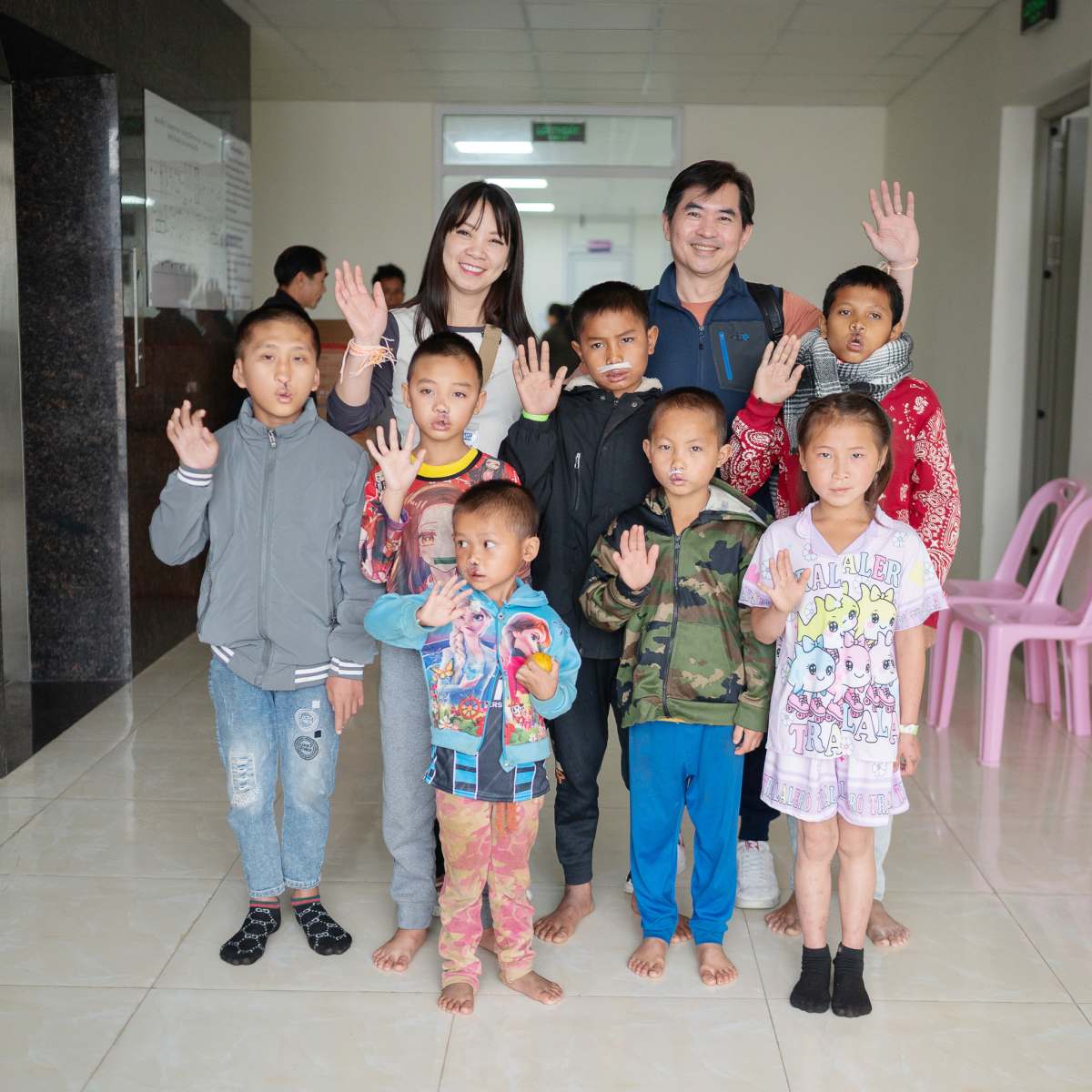
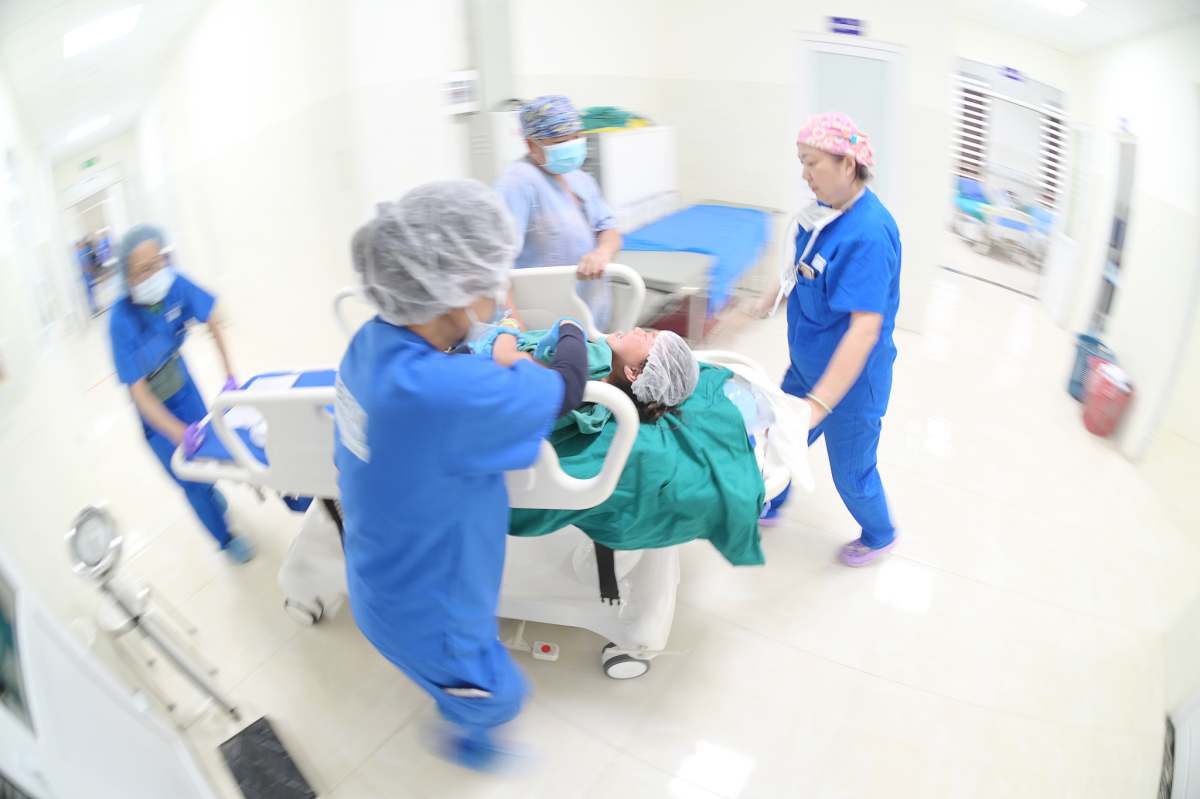

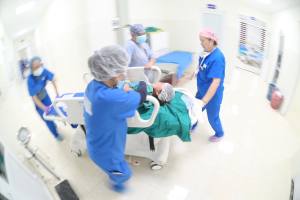

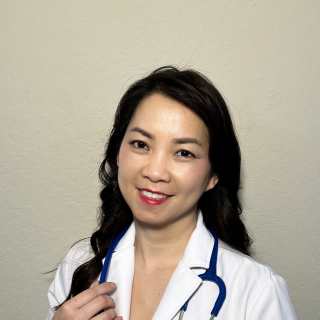
In March 2026, I ledd Team Cleft Repair on our mission to Laos, where we provided comprehensive cleft care despite significant logistical challenges. Originally, we planned to travel to Vietnam, but severe flooding forced us to pivot quickly. Within just ten weeks, we reorganized and carried out the mission in Houaphanh, Laos ultimately treating 55 patients, performing 69 surgeries, and completing more than 70 dental procedures. We also donated a Maglumi 600 CLIA System to help the local hospital improve its ability to diagnose patients on-site.
What stayed with me most were the personal stories behind the numbers. One of the most meaningful moments was discovering that two of our patients—a 6-month-old baby and a 64-year-old man—were actually granddaughter and grandfather. Being able to repair both of their cleft lips felt like more than just surgery; it felt like we were helping to break a generational cycle.
I also met children whose lives had been deeply affected by their conditions. Some had been kept home from school or faced constant teasing. After surgery, I saw firsthand how transformative this care could be—not just physically, but emotionally and socially. In those moments, it was clear that we weren’t just changing faces; we were changing futures.
Returning to Laos also allowed us to follow up with patients from our previous trip. Seeing a young child come back for the next stage of treatment—and witnessing how much he had grown and thrived—reinforced the importance of continuity of care.
This experience reminded me that while we brought skills and supplies, what truly mattered was the belief that everyone deserves access to quality care, regardless of where they live.