I will be completing a month-long clinical rotation at the Northern Navajo Medical Center (NNMC) in Shiprock, New Mexico. As a future primary care physician, I am drawn to this experience because it sits at the intersection of complex chronic disease, limited access to care, and the opportunity to build meaningful relationships with patients and community members. I am particularly interested in how primary care can support patients living with advanced illness while also addressing the modifiable factors that influence disease progression and quality of life.
During this rotation, I will work across both outpatient and inpatient settings caring for patients with significant medical complexity, including advanced cardiovascular disease, diabetes, liver disease and substance use disorders. In outpatient clinics, I hope to strengthen skills in longitudinal management, medication optimization, and counseling around realistic, patient-centered lifestyle changes such as nutrition, physical activity, sleep, and stress management that are feasible in the context of chronic illness. In inpatient settings, I aim to better understand how acute decompensations often reflect gaps in continuity and how hospitalization can be an opportunity to re-engage patients in ongoing care.
I am particularly interested in applying evidence-based communication strategies such as motivational interviewing to support behavior change in patients with substance use disorders and cardiometabolic disease. I also hope to learn from social workers, substance use counselors, and community health representatives who provide essential longitudinal support, including linkage to addiction services and treatment. This rotation will allow me to better understand how primary care teams partner with patients who are already sick while working to prevent further complications.
This project will serve patients of the Navajo Nation receiving care at the Northern Navajo Medical Center, a 60-bed hospital which serves communities across New Mexico, Arizona, and Utah. The population includes individuals living in rural and remote areas who experience a disproportionately high burden of chronic disease, including cardiovascular disease, diabetes, hypertension, and substance use disorders. National data demonstrate that rates of type 2 diabetes among American Indian adults are more than twice those of non-Hispanic White adults, with earlier onset and higher rates of cardiovascular complications. Further, American Indian patients have higher rates of premature death from heart disease and stroke
These conditions are among the leading causes of morbidity and mortality in the community and are strongly influenced by social determinants of health, limited access to care, geographic isolation, and historical inequities. Many patients face significant barriers to consistent primary care, specialty referral, and preventive services, often requiring long travel distances or experiencing gaps in follow-up. In many areas, stress testing or even cardiac imaging like echocardiography are not available.
Because of these barriers, patients frequently present at later stages of illness, with complications that require inpatient care and close outpatient follow-up. Primary care physicians at NNMC are often responsible for managing complex cardiometabolic disease in the absence of timely specialty input, making this population particularly reliant on strong, longitudinal primary care. This rotation will allow me to learn directly from clinicians caring for patients with advanced disease and to understand how care decisions are made when ideal resources are not readily available.
In the short term, this rotation will allow me to contribute directly to patient care at NNMC while learning how primary care physicians address complex chronic disease in a rural, resource-limited setting. I expect to gain practical experience in prevention-focused care, interdisciplinary collaboration, and culturally responsive communication. This rotation will offer an invaluable experience that contrasts from my prior residency training in a large, well-resourced urban academic center.
In the longer term, working with Navajo patients and their families will shape my future career as a primary care physician committed to health equity and prevention. The insights gained will inform how I approach chronic disease management, counseling for lifestyle change, and care coordination in underserved populations. This includes counseling around nutrition, substance use, physical activity, and weight management in patients who already have advanced disease, with a focus on slowing progression, reducing hospitalizations, and preserving functional status. I also anticipate that conversations with clinicians and community members will help identify gaps in preventive care delivery that could inform future quality improvement or community-partnered initiatives.
Upon returning to my home institution, I plan to incorporate these lessons into my clinical practice and teaching, particularly around lifestyle-based interventions, motivational interviewing, and care for patients facing structural barriers to health. Ultimately, I hope this rotation represents the beginning of a sustained commitment to serving underserved communities through prevention-focused primary care.


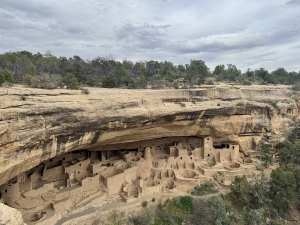
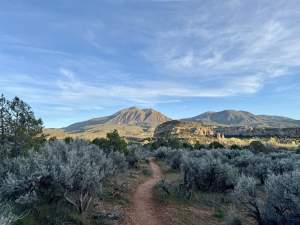


Thanks to the Dox Foundation flight grant, I spent several weeks working at Northern Navajo Medical Center in Shiprock, New Mexico, caring for patients from the Navajo Nation through the Indian Health Service.
During the rotation I worked in primary care clinic, the walk-in clinic, and inpatient wards. Many of the patients I cared for were living with chronic conditions that are highly prevalent in the community, including diabetes, cirrhosis related to alcohol use disorder, and complications of metabolic disease. In clinic, I helped manage diabetes and hypertension, adjusted medications, and worked with patients on lifestyle strategies to improve their health. On the inpatient side, I assisted in treating patients hospitalized with complications of liver disease and uncontrolled diabetes.
Because access to physicians is limited in this rural region, every additional clinician directly expands patient access to care. During my time there I helped evaluate and treat dozens of patients who otherwise might have faced long delays to be seen. Small interventions—optimizing diabetes medications, addressing acute infections in the walk-in clinic, or helping stabilize hospitalized patients—can make a meaningful difference in communities where healthcare resources are limited.
Just as importantly, I was deeply impacted by the patients I met. Many traveled long distances for care and expressed tremendous gratitude for the medical team. Their resilience and trust reinforced why expanding access to primary care in underserved communities is so important.
I am grateful to the Dox Foundation for making this experience possible. The opportunity to serve patients in Shiprock strengthened my commitment to providing thoughtful, accessible primary care throughout my career.