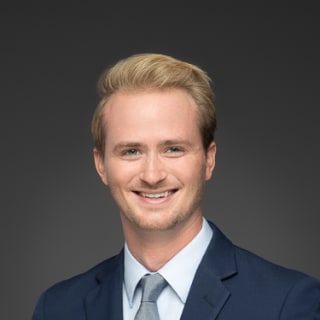
As part of my pediatrics residency program global health track, I will be spending a month at Dhulikhel Hospital in coordination with Kathmandu University. This is a hospital in central Nepal that often functions as a first-line medical center for much of eastern Nepal. I plan to spend the majority of my time in the pediatric inpatient ward, however, there will be a component of travelling to remote villages to provide preventive and primary care to children with limited access to healthcare. My educational goals include understanding differences in practice standards in this low-resource environment, the impact of local infectious diseases, and the implementation of traditional medical practices for hospitalized children. My service goals include providing education to learners on crucial pediatric topics, including respiratory distress management, sepsis and shock early identification, and fluid status assessment, as well as providing direct care to patients in need. The core of the project will be helping the providers develop clinical pathways and protocols for common disease processes with the overall goal of improving care quality and consistency. This was an expressed need by the care team at the hospital, which is even reflective of pediatric care shortcomings here in the United States. These pathways will need to be carefully crafted in close coordination with all stakeholders to avoid undue stress on the system and their limited resources.
There is a large youth population in Nepal, and many of the patients that come to Dhulikhel Hospital come from rural areas of eastern Nepal, especially as their initial stopping point for critical illness. There are limited pediatric services and specifically pediatric-trained providers in this area, which we know impacts the standard of care for children anywhere. There are many underserved patients throughout eastern Nepal, and with some of the out-of-hospital services that we will be providing, we will be able to reach many children who might never otherwise see a physician.
Hopefully, this project will provide the children in this area with a higher standard of consistent care and ultimately better outcomes for those ill enough to require hospitalization. From my discussions with the leadership team in Nepal, there is great variability in how providers treat children at this hospital, and limited evidence-based practice at that. Reviewing some of the most important aspects of pediatric care and establishing consistent evidence-based care that can be utilized in perpetuity has the potential to reach the thousands of children who live in the local area. Additionally, this project will serve to empower the providers and the learners to effectively care for their patients, which may impact all the children that they work with throughout their careers. The pathways and protocols will not only serve as a tool for practice but will also be a reliable source of education and a resource for vital information, which is highly valuable.
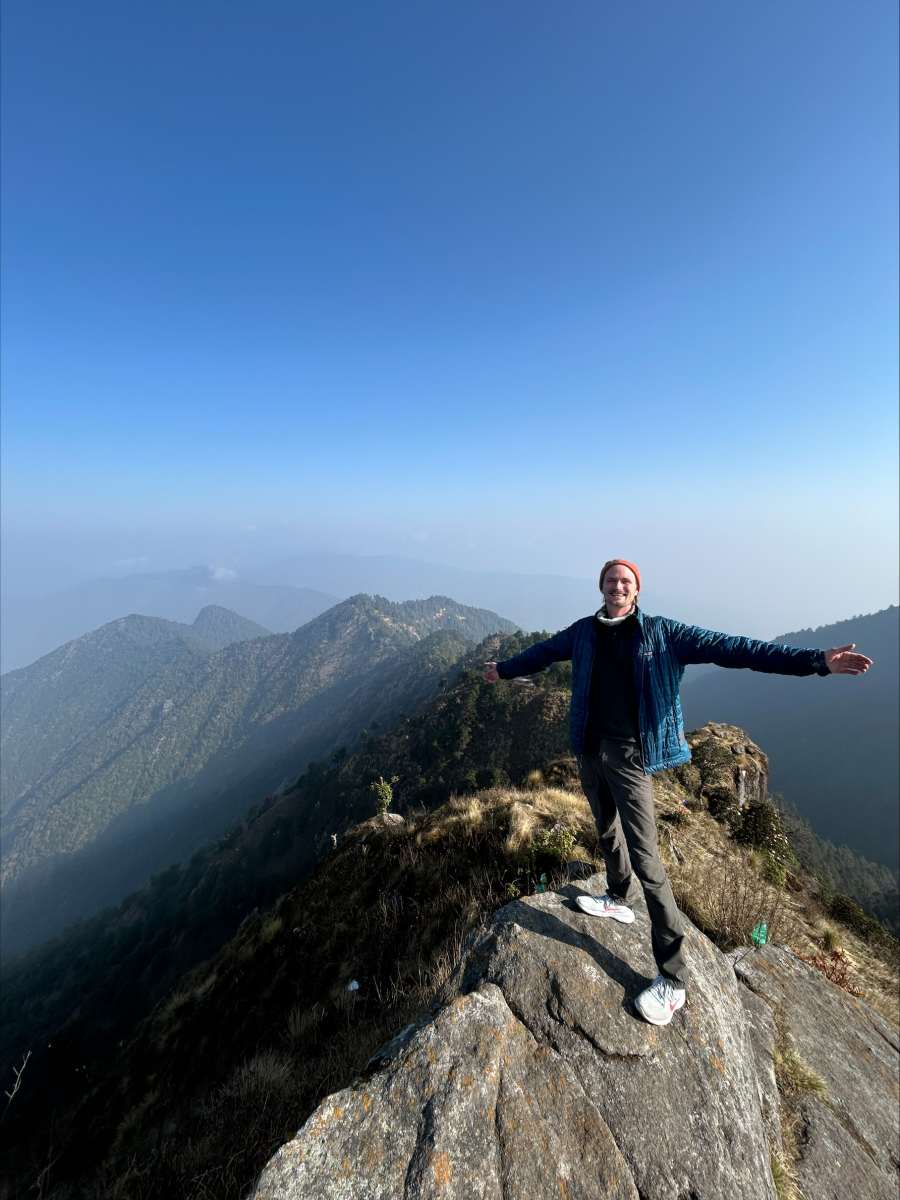
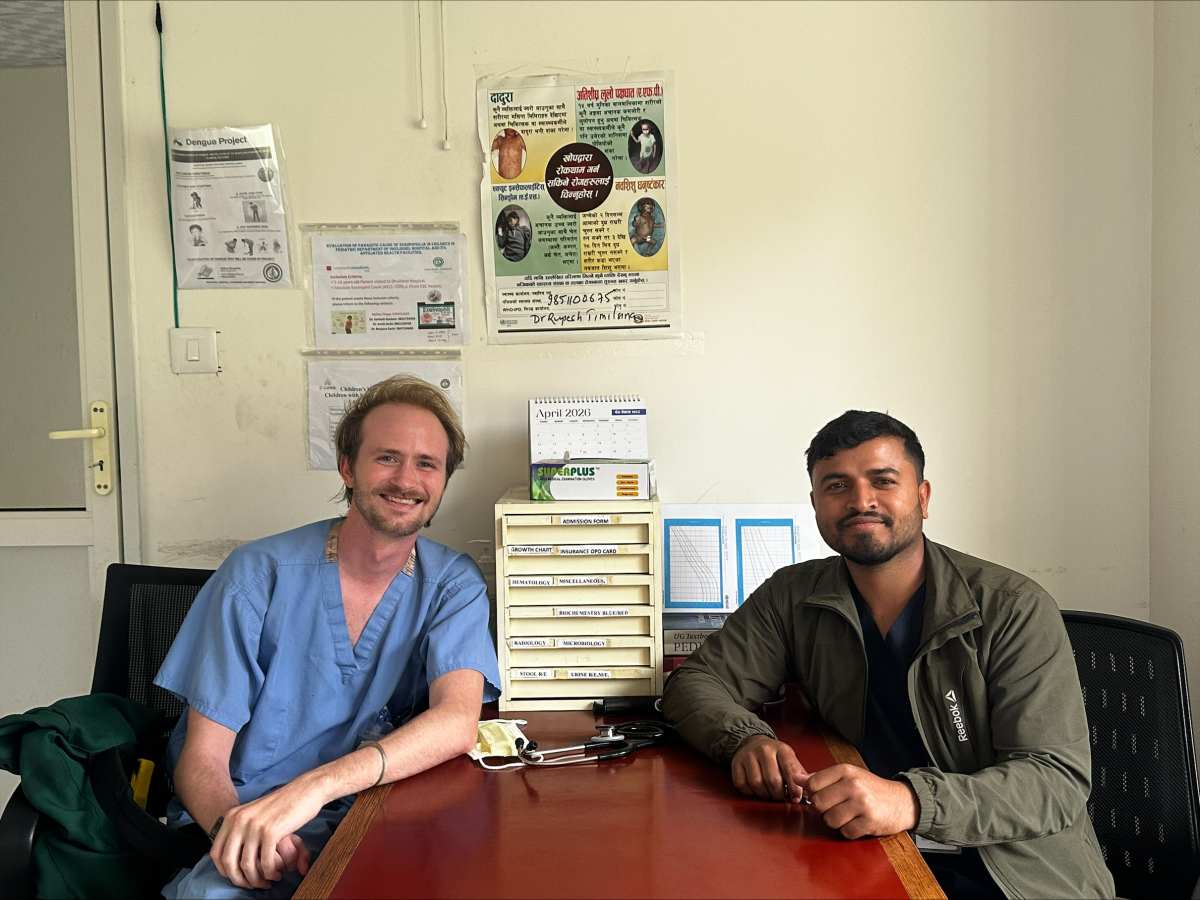


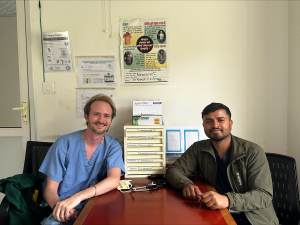


I had the pleasure of spending a month practicing pediatrics at Dhulikhel Hospital in Nepal, which would not have been possible without the support of the Doximity Foundation. This hospital approximately an hour east of Kathmandu serves as the backbone of the local community and provides care throughout the rural areas of Nepal with 18 outreach medical centers and a goal of providing healthcare to all who need it. While there are limited resources, the dedicated personnel there are able to provide life saving services and essential preventative care to it's patient population. My experience in pediatrics took me through their neonatal ICU, pediatric ICU, acute care wards, outpatient department, and one of their outreach centers. Serving alongside the pediatrics team and assisting in getting children the standard of care that they deserve was an incredibly rewarding experience. There was frequent educational exchanges with their team providing the state of common care factors in Nepal currently, and myself sharing how things are performed at my center in the United States and exploring how we could benefit from each other's methods. There were many challenges from language barriers as well as cultural and practice differences, however, the special thing about pediatrics is that children all seem to speak the same language. The most difficult part of the trip was experiencing the more challenging and emotional cases, mostly because often times I was seeing a disease process that would easily treated or have better outcomes or survival back home at my hospital. Even on the difficult days I was able to immerse myself and enjoy the natural beauty of Nepal and the incredible hospitality of those who live there. The skills and experience I gained will surely will serve me well in my future career in critical care and again I'm so thankful to the Doximity Foundation for their assistance. They were so accommodating and helpful when there were problems with my flight and I couldn't be more grateful. Couldn't have made it there (or back) without them!