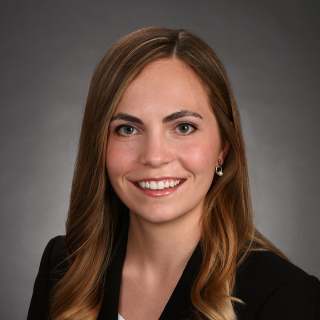
As a fourth-year OBGYN resident, I will be traveling to Coast for Christ Hospital in Winneba, Ghana in May 2026, alongside an OBGYN faculty member to provide specialized gynecologic surgical services. Our focus will be on performing essential procedures—such as hysterectomies and myomectomies—to treat chronic conditions like abnormal uterine bleeding and symptomatic uterine fibroids.
This mission makes a definitive difference by addressing a critical gap in surgical access for women in the Central Region of the country. Crucially, our work is built on a foundation of sustainability. While my mission duration is 2–3 weeks in May 2026, we are integrating into the long-standing partnership between Medical Ministry International (MMI) and Coast for Christ Hospital. This ensures that our surgical interventions are not isolated events.
This mission makes a difference by addressing the surgical backlog in rural Ghana, where benign but debilitating conditions often go untreated for years. For many of these women, these surgeries are life-altering; they restore the ability to work, care for families, and participate in community life without the pain or social stigma associated with untreated gynecological pathology. Furthermore, by working alongside local medical staff, my faculty mentor and I will engage in a collaborative exchange of culture, surgical technique, etc learning from one another.
The primary beneficiaries are the women of Winneba and the surrounding rural communities in the Effutu District. This population consists largely of women from low-income backgrounds who rely on the local fishing and agricultural economies. For these women, gynecological issues like heavy menstrual bleeding or pelvic pain are not just medical problems—they are economic ones that prevent them from working and providing for their families.
I am focusing on this population because specialized gynecologic surgery is often out of reach for rural women due to both geographic and financial barriers. By providing these services at Coast for Christ Hospital—a facility the community already trusts—we are able to reach patients who have been suffering in silence with treatable conditions. Restoring these women to health has a multiplier effect, as they are often the primary caregivers and economic pillars of their households.
The expected impact is a significant reduction in the surgical backlog at Coast for Christ Hospital and a life-changing improvement in the quality of life for our patients. By performing these surgeries in a resource-limited setting, I will also engage in a bilateral knowledge exchange with the local surgical staff, discussing perioperative protocols and techniques that optimize outcomes in this setting.
As a PGY-4 resident on the verge of independent practice, the learnings from this trip will be foundational to my career. Operating in Winneba will sharpen my clinical judgment, adaptability, and surgical resourcefulness. It will also deepen my commitment to health equity and provide me with a firsthand understanding of the barriers to care faced by West African patient populations. Upon my return, I intend to share these insights with my residency program and my broader community to advocate for sustainable, partnership-based global health initiatives.




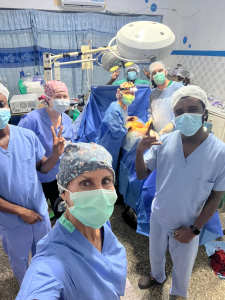



The women we cared for during our two-week surgical mission in Winneba, Ghana came from a variety of backgrounds, and many traveled long distances to access specialized gynecologic care. For many of our patients, the cost of surgery at local hospitals was prohibitive, delaying treatment until their conditions had progressed far beyond what we commonly see in the United States. As a result, many women had been living with significant symptoms and limitations for years before receiving care.
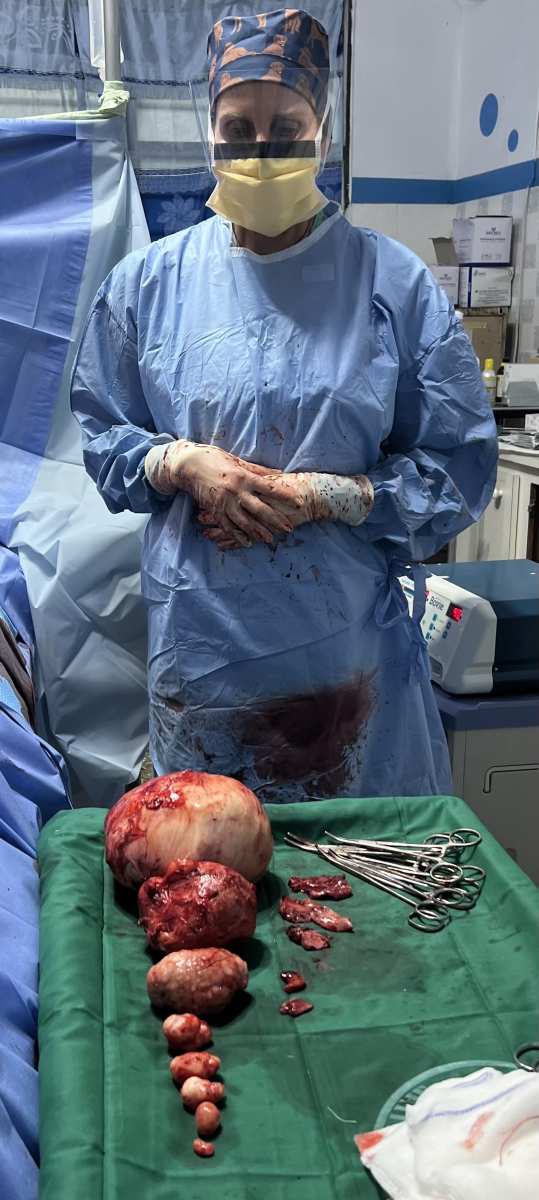
Working alongside my OB/GYN faculty mentor, we evaluated 18 surgical candidates and performed 10 open abdominal gynecologic surgeries, ranging from hysterectomies to myomectomies to adnexal surgery for a case of ovarian torsion. Several patients presented with advanced disease, including large fibroid uteri that caused pain, pressure, and heavy bleeding. Some women arrived severely anemic from chronic blood loss and required blood transfusions before they could safely undergo surgery. Some of our patients had never been able to become pregnant because of large fibroids, but strongly desired to preserve their fertility. For these women, maintaining their uterus and having a myomectomy represented the possibility of achieving a long-held dream of motherhood.
One patient who left a lasting impression on me suffered from a massive fibroid uterus that extended up to her ribs bilaterally. Despite the physical discomfort and challenges she endured, she never complained. Her fibroid uterus ended up weighing over 15 lbs - roughly the weight of two term babies! Following surgery, she expressed immense gratitude and relief, already noticing how much better she felt. Seeing her regain comfort and optimism for the future was a powerful reminder of the life-changing impact that access to surgical care can provide.
What struck me most was how the impact of these surgeries extended beyond the individual patient. Many of the women we treated were providers and leaders within their families and communities. Many women told us that they were traders - bringing their goods/produce from their farms to local markets where they sell items to help make an income for their families. When chronic pain, severe anemia, infertility, or large pelvic masses limited their ability to work, care for children, or participate fully in daily life, the effects often reached far beyond their own health. Restoring a woman's health through surgery can help her return to caring for her family, supporting her household, and pursuing personal goals. For some women, preserving or restoring reproductive potential also meant renewing hope for building the family they had long desired. In this way, the benefits of surgical care often ripple outward, affecting not only one patient but also the families and communities that depend on and support her.
Beyond the operating room, we were inspired by the resilience, strength, and trust of the patients we served. Despite significant healthcare barriers and limited resources, their stories highlight the challenges many women face in accessing surgical care and the profound difference that timely treatment can make.
The people we met in Ghana reminded us that healthcare is about more than performing operations—it is about restoring health, dignity, hope, and opportunity. This experience also reinforced the importance of global health and international collaboration. At a time when countries in Africa are responding to an Ebola outbreak that has affected both the Democratic Republic of the Congo and Uganda, it is a reminder that health challenges do not exist in isolation. We are so grateful for the investment in our travel by the Doximity Foundation! Investments in global health have far-reaching effects. The women we cared for in Ghana reminded me that improving health for one individual can strengthen an entire family and community, and that advancing health equity is a shared responsibility that extends beyond borders.