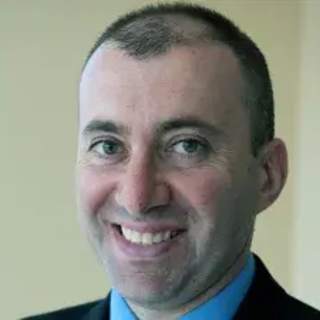
I graduated from the Lynchburg Global Health / Disaster Medicine Doctorate Program in 2024. I always wanted to go on a formal medical mission trip with the program but scheduled ortho surgery prevented me from attending earlier. A new opportunity came up to go to Panama in March 2026 with the Lynchburg DMSc program and Floating Doctors. Our mission is to reduce the present and future burden of disease in the developing countries. Also, to promote general health worldwide. As a graduate of the program, I will lead a small team of PAs and we will be in remote village delivering basic healthcare services to the population.
We will bring the clinic (supplies, diagnostics, etc) to the patients in need of healthcare services. We will set up a clinic in a tent/covered structure and deliver basic healthcare services. The population will consist of children and adults. Both prescription medications and non-prescription medications will be distributed over 5-6 days.
From the last few years, over 200 patients were seen daily in these areas. My goal is to continue to develop as a global healthcare provider and leader, continue to make an impact worldwide, and share lessons learned with my fellow providers and future PA students.

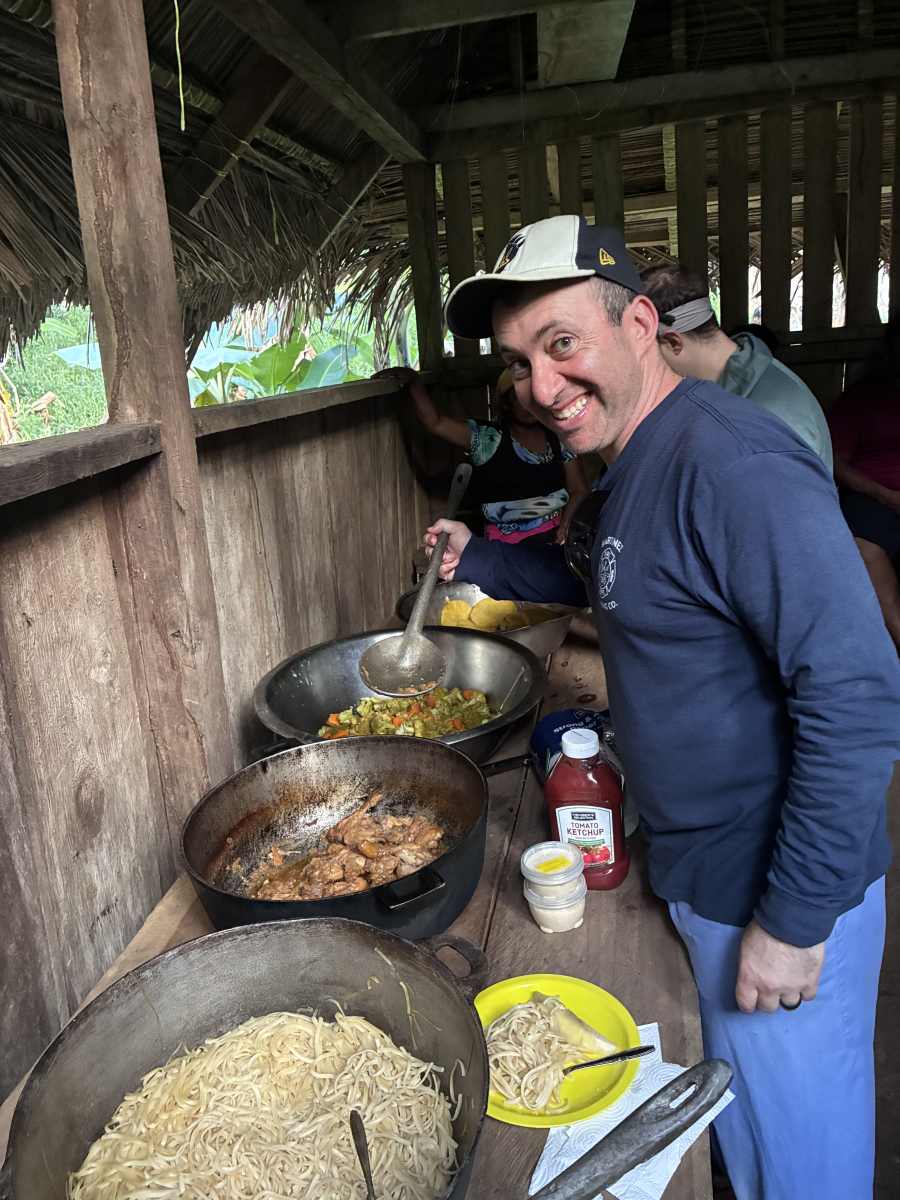
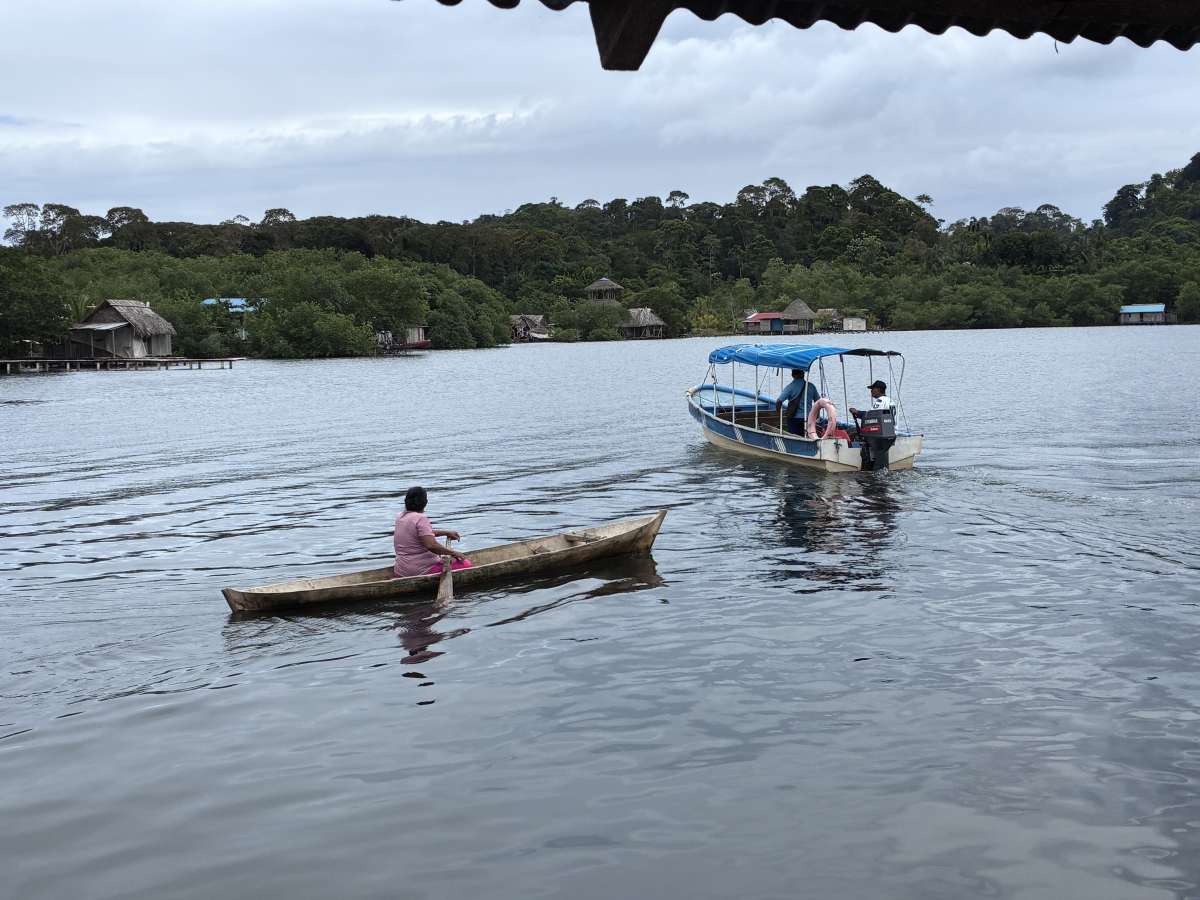

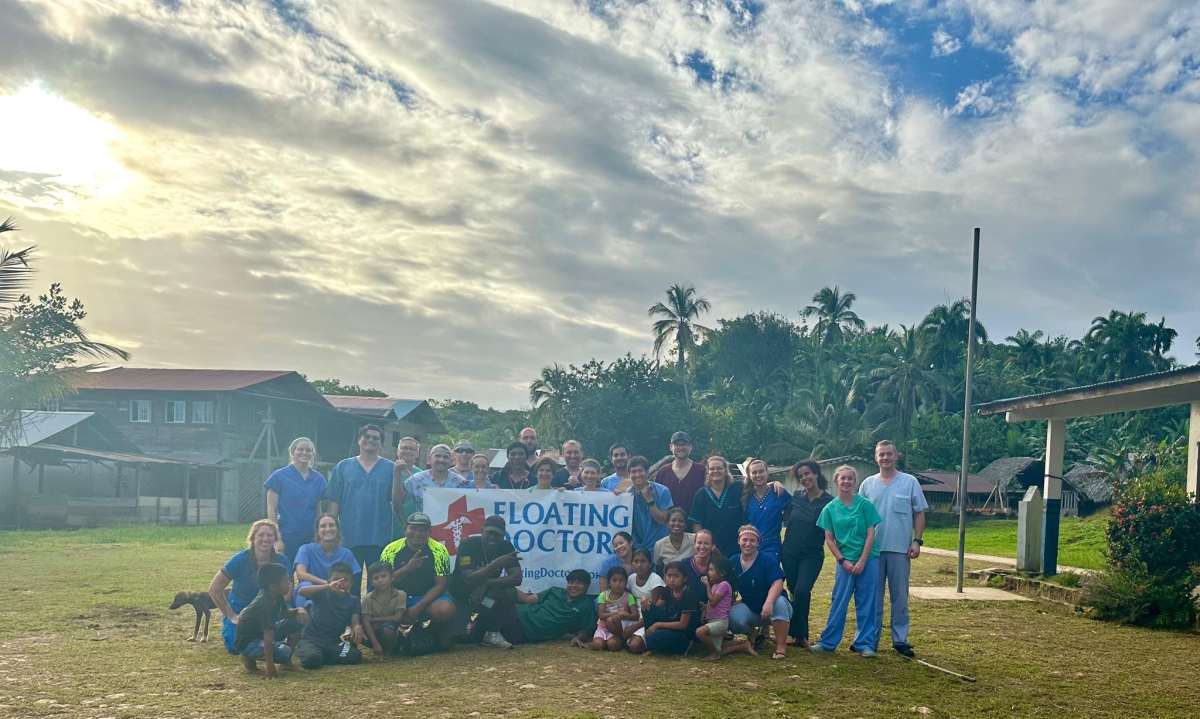


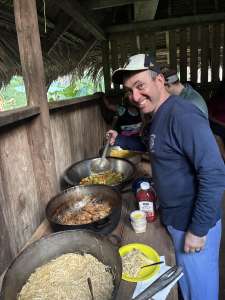
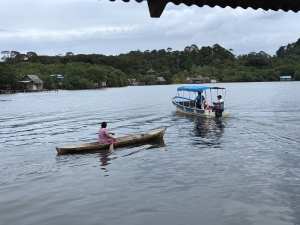
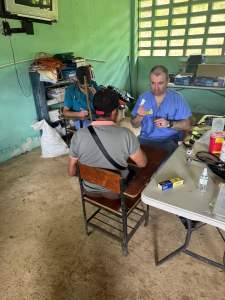


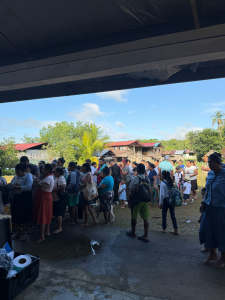

Earlier in March 2026, our team spent a week on multiple islands around the coast of Bocas Del Toro, Panama. We were hosted by Floating Doctors (FD), a non-profit organization whose mission is to provide healthcare, education, and community development to underserved communities. Our team consisted of mostly PAs from the University of Lynchburg's DMSc program, four medical students, a resident from New York, and organic healthcare providers from FD. These doctors represented many countries from around the world. We traveled to a remote island, 3 hours away on a speedboat, to bring primary care to the Ngabe population. Once we set up a clinic inside an elementary school, we were ready to see patients. Over the course of 2+ days, we saw over 200 patients, provided care for hypertension, diabetes, scabies, musculoskeletal disorders, women's health, and many other conditions. People of all ages, from newborns to the elderly, were seen for health checkups and acute complaints. Many were referred for future eye surgeries to remove cataracts and treat pterygia, which remain common in the population. Our delicious meals were cooked nearby by the local population, and we were able to decompress by having coconuts and cold Cokes every night, watching the sunset on the boat dock. One of the most memorable patient interactions I recall was when an elderly male visitor thanked us and told us that everyone there trusts our team’s care more than the care provided locally at the nearby town’s medical center. This was thought-provoking and incredible to hear. Many of us are hoping to return next year.