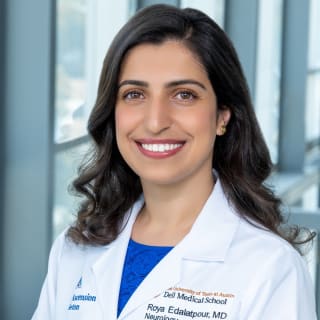
Since 2023, I have been fortunate to develop a strong, ongoing relationship with Moi University and Moi Teaching and Referral Hospital (MTRH) in Eldoret through AMPATH Kenya. This multi-year collaboration has included visits during which I have taught neurology to Kenyan medical students and residents, provided neurologic care to the local population, and partnered closely with Kenyan colleagues to identify opportunities to build sustainable capacity within systems of neurologic care.
One critical gap identified through this collaboration is in stroke systems of care at MTRH. At present, there is no rapid neurologic screening tool available in Swahili that is culturally adapted and validated for use in the acute assessment of patients with suspected stroke. The National Institutes of Health Stroke Scale (NIHSS) is a widely used and well-validated instrument in English and several other languages; however, it has not yet been translated or validated in Swahili, limiting its utility in this setting.
During my most recent visit to Kenya, I partnered with a multidisciplinary team of physicians, linguists, and trainees at Moi University to translate the NIHSS into Swahili and adapt its visual components to ensure cultural relevance and clinical feasibility. I plan to return to Kenya this year to refine and formally validate this tool in the clinical environment. Once validated, we aim to disseminate the Swahili-adapted NIHSS to additional medical centers across Swahili-speaking regions of Kenya and Tanzania.
In addition, I plan to return to Eldoret to continue advancing neurology education at MTRH, with a particular emphasis on neurovascular disorders and emergency neurology. These efforts will include didactic teaching, bedside clinical rounds, and hands-on training workshops for medical students, residents, and nursing staff focused on rapid stroke assessment using the adapted NIHSS.
AMPATH Kenya has served more than 8 million Kenyans and trained over 2,600 health professionals and community health workers. This project will directly benefit patients and clinical teams at Moi Teaching and Referral Hospital (MTRH) in Eldoret, Kenya. Medical students, residents and nursing staff will benefit from focused neurology education and hands-on training workshops, while patients at MTRH will benefit from improved neurologic assessment and care.
Neurologic disorders, particularly stroke, are a growing cause of disability and death in the region, yet systems for rapid neurologic assessment remain limited. Language barriers and the lack of standardized tools hinder effective care. By addressing these gaps, this project has the potential to strengthen neurologic care and be scalable across multiple healthcare settings. More broadly, this project will benefit patients with suspected stroke and other acute neurologic conditions across Swahili-speaking regions of East Africa. A culturally adapted and validated neurologic assessment tool will support earlier recognition of neurologic emergencies and more timely, effective clinical decision-making.
The expected impact of this project is both clinical and educational. Clinically, it will improve the recognition and management of stroke and other acute neurologic conditions at Moi Teaching and Referral Hospital (MTRH) by providing a culturally adapted and validated neurologic assessment tool, enabling faster diagnosis and more timely care. Educationally, it will strengthen local capacity in neurology by equipping medical students, residents, and nursing staff with practical skills and knowledge that they can apply in daily practice. It is also my hope that our presence at MTRH and our teaching efforts will inspire more Kenyan trainees to pursue careers in neurology, helping to build a sustainable workforce for the region.
This project will also allow me to learn from my Kenyan colleagues about strategies for delivering high-quality healthcare in a low-resource setting, enriching my own understanding of global health and systems-based care.
The learnings from this project will continue after my return through multiple channels. The Swahili-adapted NIH Stroke Scale, once validated, can be used at MTRH and disseminated to other Swahili-speaking centers in Kenya and Tanzania. Training materials, lectures, and workshops will remain as educational resources, and local clinicians who participate will continue to apply and teach these skills to future learners, supporting long-term improvements in neurologic care.
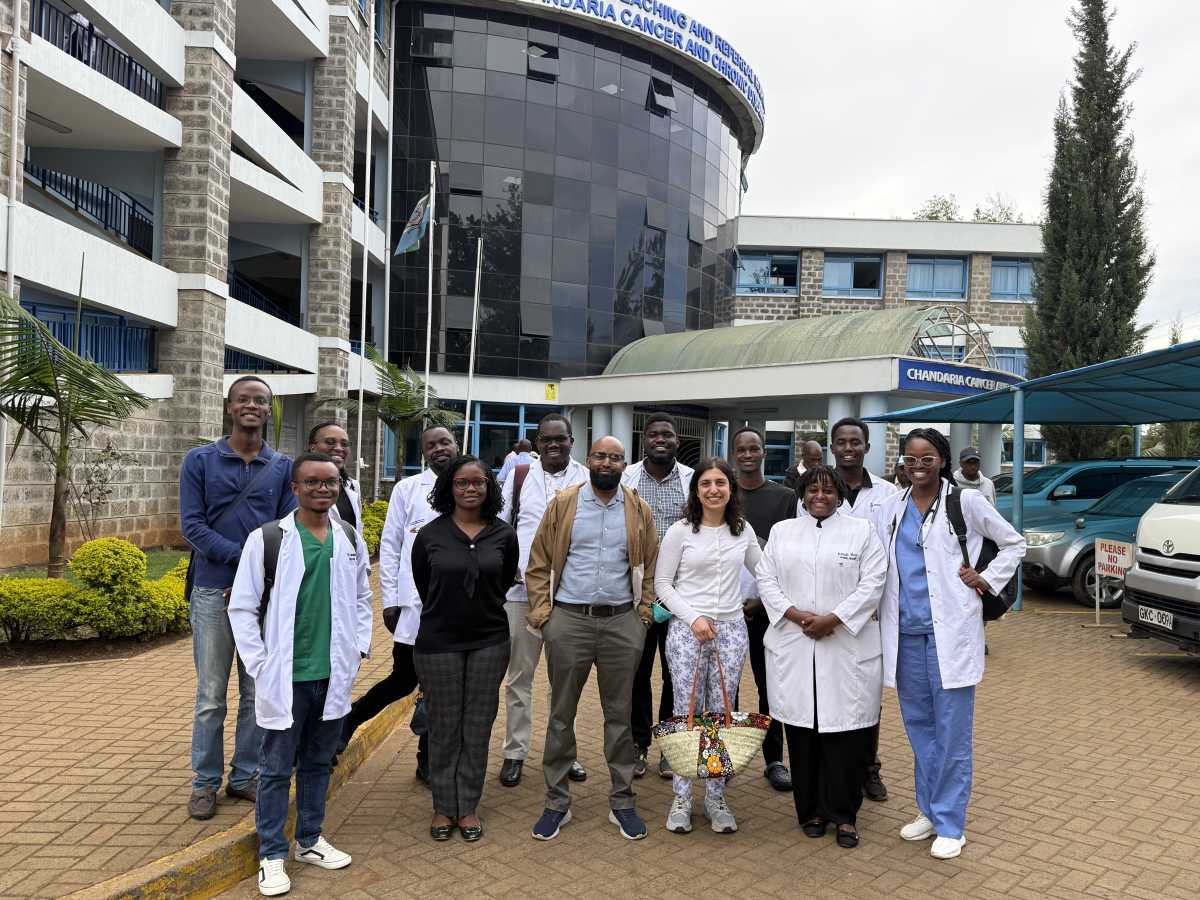
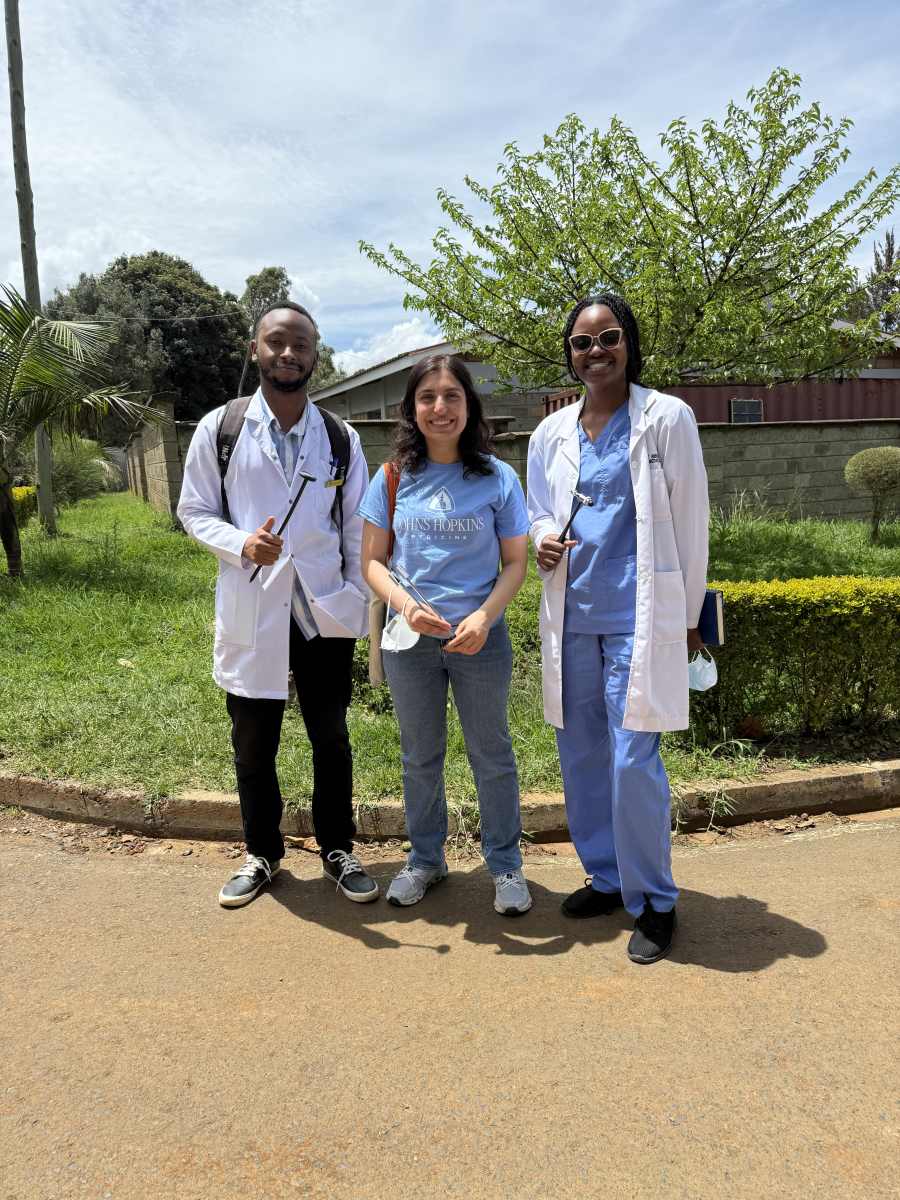
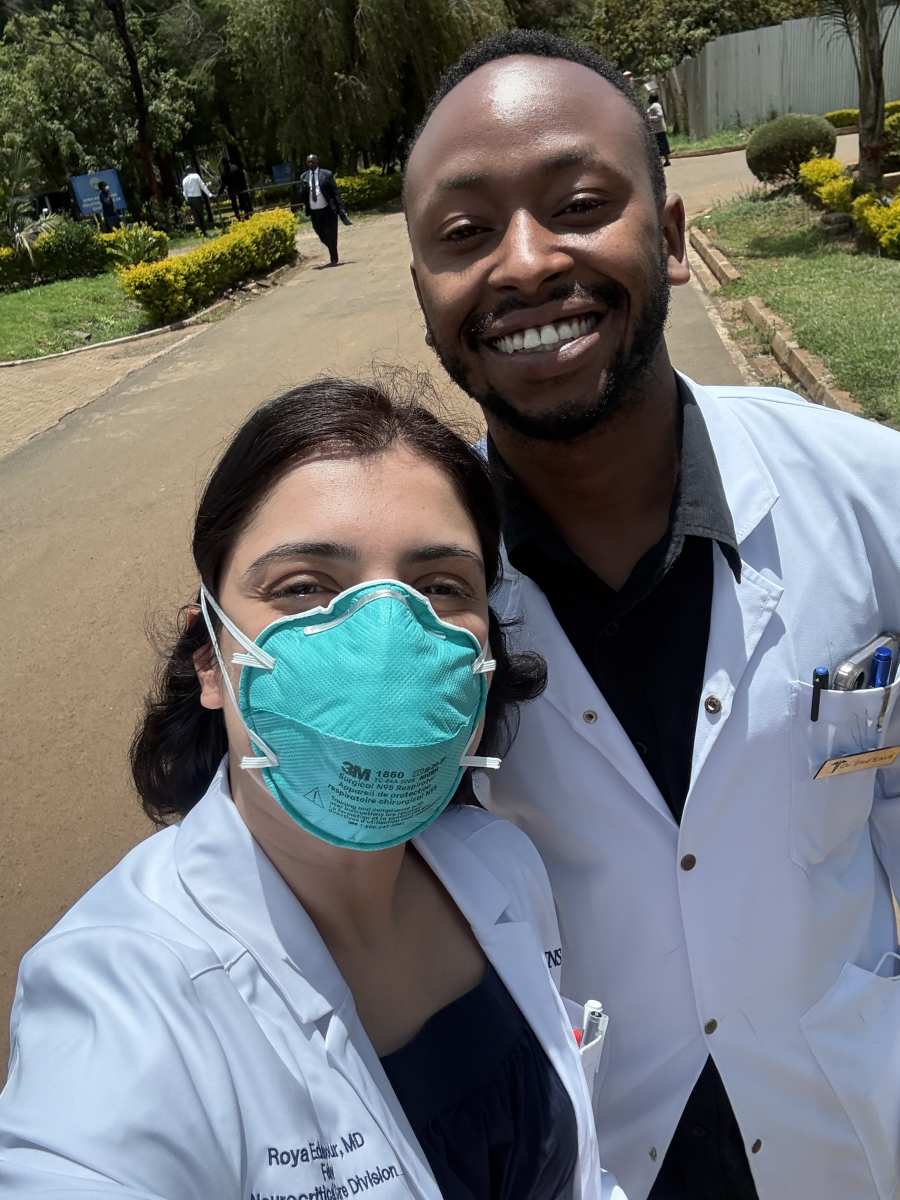
The past month in Kenya was both impactful and deeply enriching. During this time, we delivered neurology and neurocritical care teaching to medical students and registrars at Moi University and Moi Teaching and Referral Hospital (MTRH), while also contributing to high-quality patient care at MTRH. We hosted a combination of lectures, bedside teaching, and instruction during clinical rounds, which many medical students and registrars reported to be highly engaging, practical, and instrumental in strengthening both their clinical skills and confidence in neurology.
As a result of our sustained teaching and engagement in the neurology curriculum over the past several years, a number of trainees have expressed intentions to pursue neurology fellowship training, inspired by the mentorship and educational experiences we provided during our time in Eldoret. This marks an important step forward for the community, where a significant unmet need for neurological care persists alongside a critical shortage of specialists. These efforts offer a hopeful path toward gradually narrowing that gap over time.
In close collaboration with our Kenyan counterparts, we also achieved substantial advancements in the Swahili stroke scale project and are now ready to publish a rigorously refined and culturally adapted assessment tool. This tool is designed to directly improve stroke recognition and assessment in Swahili-speaking communities, enabling faster, more accurate clinical decisions and ultimately leading to more timely treatment and better patient outcomes.By strengthening early diagnosis and standardizing care, it also lays an important foundation for the future development and expansion of stroke care services within the community.