My experience with this global health partnership will build upon my existing foundation of and appreciation for Spanish as well as a facet of Hispanic culture in order to better serve patients not only at my current medical institution, but for volunteer opportunities and future work places, as well. While I will have opportunities for clinical observation as this partnership is associated with Benemérita Universidad Autónoma de Puebla [BUAP] School of Medicine, the purpose of this trip will primarily be general and medical Spanish language immersion and engaging in cultural experiences in the Puebla region of Mexico. Through interactions with a host family, Spanish tutors, and other members of the program, I hope to become proficient in Spanish and develop a more nuanced appreciation for Mexican culture. My experiences in healthcare thus far have allowed me to learn from Spanish-speaking patients and families with cultures from Puerto Rico, the Dominican Republic, and Chile. In Austin, TX, where I practice now, there is a large Hispanic population, primarily from Mexico.
I hope to make a difference in my day to day engagements with people in Puebla, however the biggest difference will be for my patients. My encounters with patients and the healthcare system in urban American settings have fully demonstrated the concept of local health is global health, and I think this global health experience will help create additional bridges and connections for local health in Austin and other cities in which I will work.
The primary beneficiaries from my experience in Mexico will be my current and future Spanish-speaking patients. In Austin, Texas, approximately 32% of the population is Hispanic with the majority being from Mexico. Within the communities our hospital system serves, approximately 7% are Spanish-speaking and identify their proficiency of English as speaking it "less than very well." Thus far in my practice, I have been able to communicate with patients in Spanish for simple conversations, but otherwise utilize an interpreter. When I explain that I have to use a video or telephone interpreter after already having introduced myself and started the discussion in Spanish, I can see my patients' families' faces fall. Even though interpreters bring language equity to patient care and help build bridges with patients and families, there are still nuances and barriers to utilizing this technology. I'd like to be certified as a bilingual provider so that I can better communicate with my Spanish-speaking patients in a way that is culturally aware, empathetic, and compassionate that doesn't always come through with an interpreter.
The major impact will be an improvement in my Spanish proficiency to the point that I would be able to be certified as a bilingual provider. I am conversational at this point with both general and medical Spanish, but I am aware of the trap of false fluency and want to improve to the point of objective fluency. I would like to be the primary communicator with my patients and their families instead of having a barrier with the use of a video/telephone interpreter in my communication. Additionally, as the majority of Hispanic people in Austin are from Mexico, I'm looking to gain insight into the culture that will allow for more nuanced discussions and understandings of concerns.
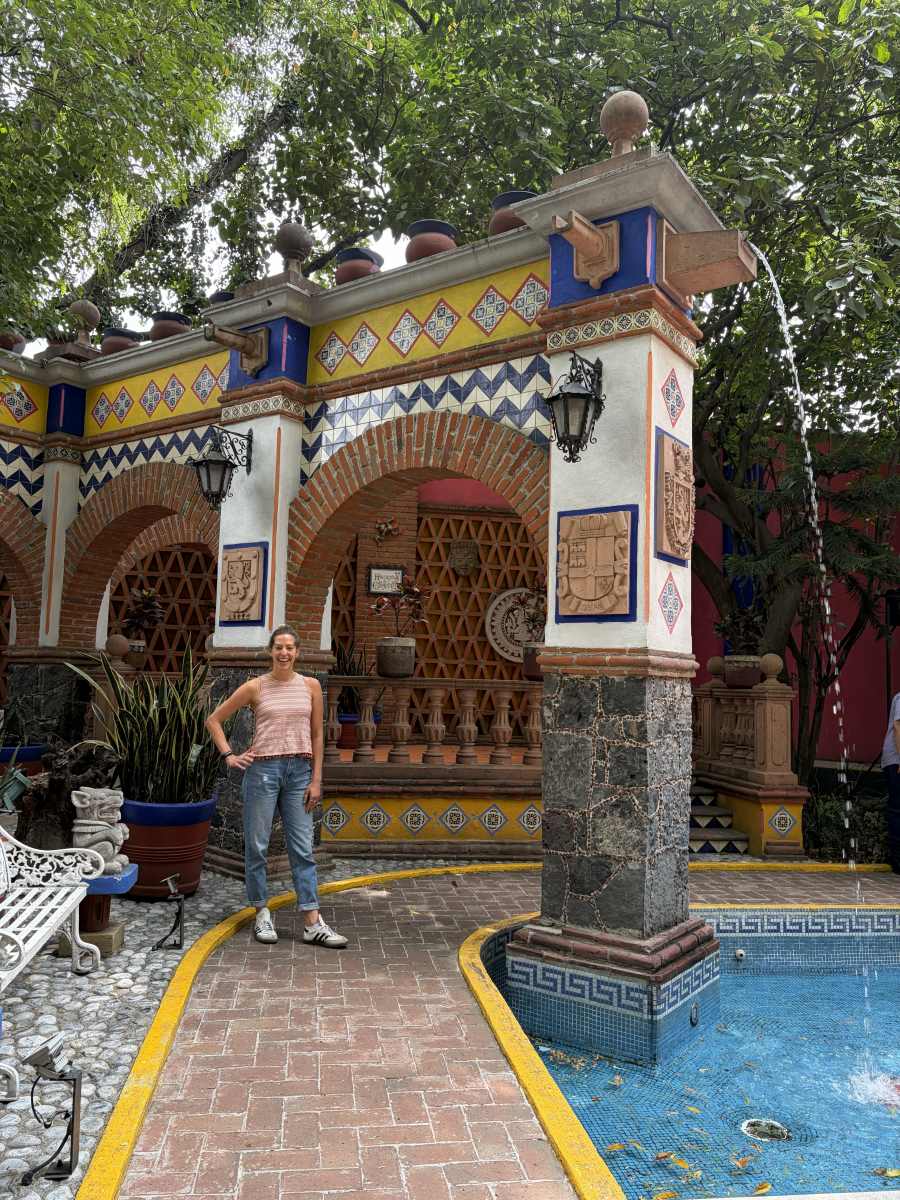
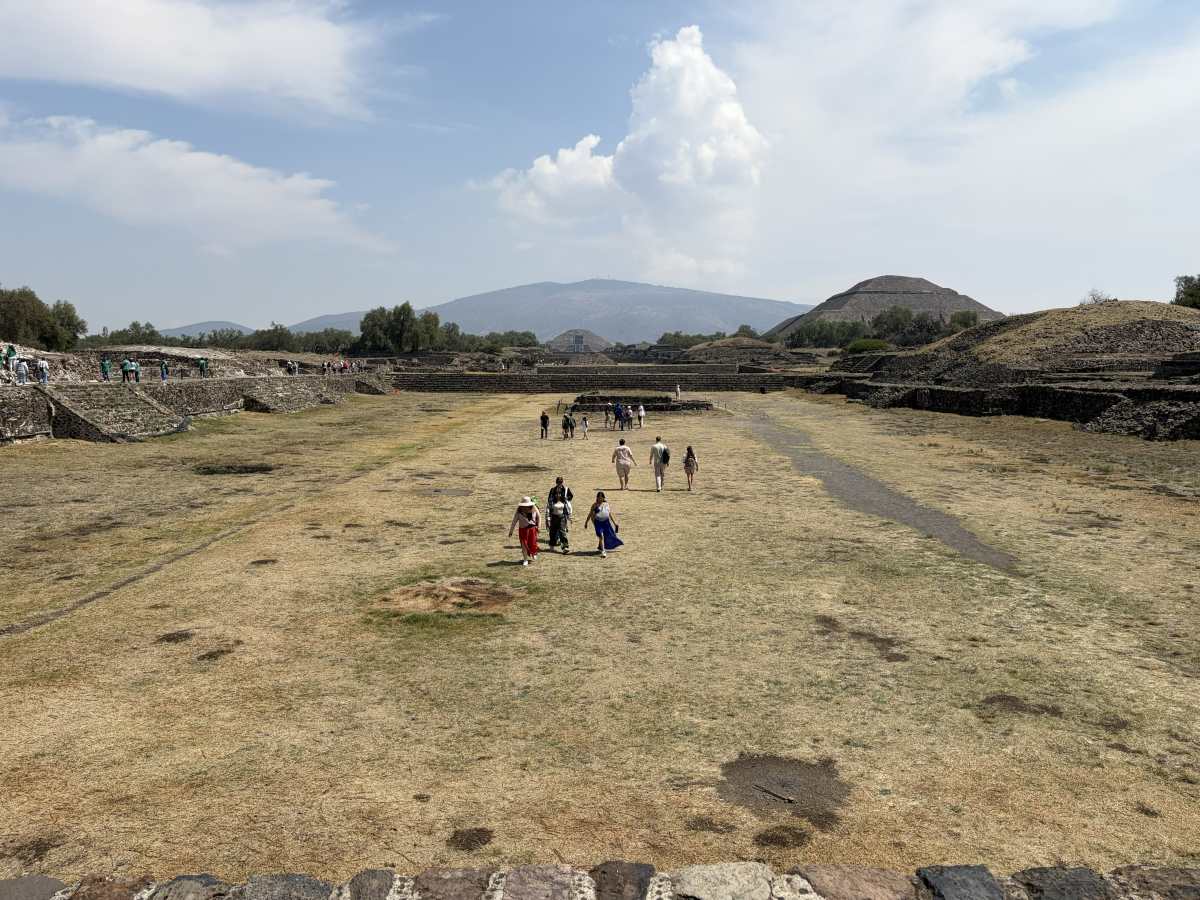
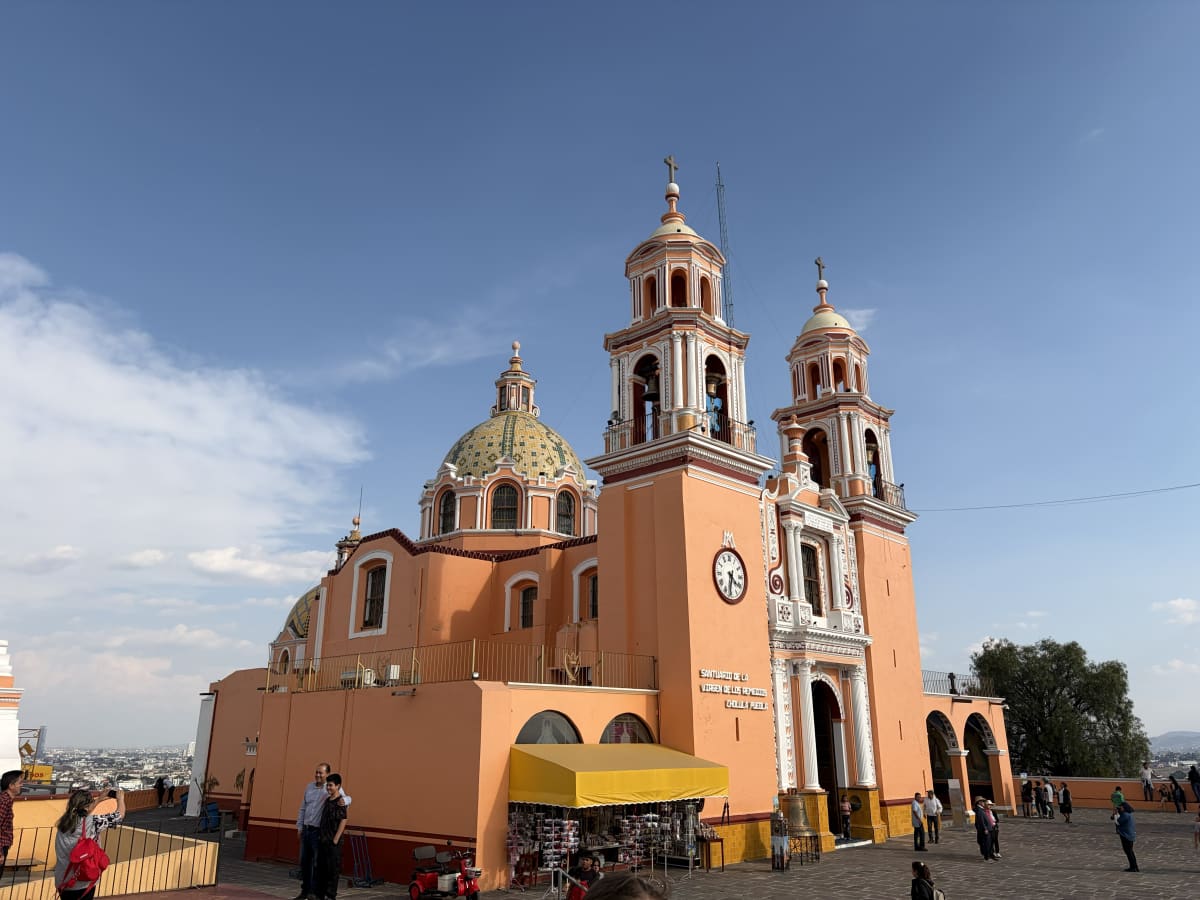
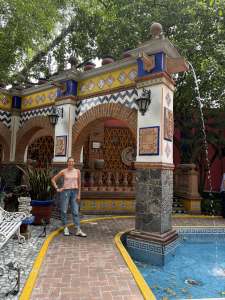
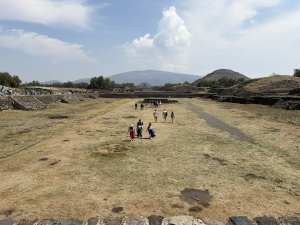
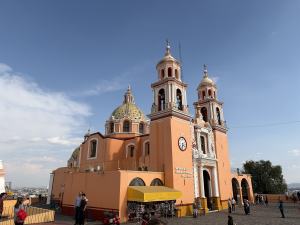
My experience in Mexico was one for language and cultural immersion. I took Spanish classes, lived with a lovely abuelita, and engaged in various cultural experiences. My daily interactions with my Spanish teacher, classmates, and host family allowed me to enrich my Spanish for the trip as well as for my patients. I also learned a lot about cultural contexts and understanding of medical care for Mexican people. I hope to utilize Spanish and cultural humility as I encounter patients and families with Spanish as their preferred language of care.