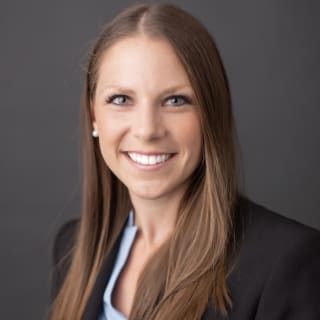
I am traveling to rural Tanzania to work with the Tanzania Rural Health Movement (TRHM), founded by Dr. Marko Hingi to expand access to emergency and primary care in Mwanza. TRHM operates the Beacon emergency response system, locating and assisting individuals involved in motorcycle accidents and other urgent events. Their mission—to close critical gaps in emergency care and provide dignified services for street children and underserved populations—aligns directly with my work at Cahaba Medical Care.
I will provide wound care and treatment for common illnesses among unhoused children, assist with transport to dispensaries or clinics for urgent care, and participate in continuity clinic services. I will also train local clinicians and community responders in first aid and emergency response, fostering cross-cultural learning. TRHM has served over 500 unhoused children, more than 17,000 clinic patients, and 3,750 individuals needing pre-hospital urgent care. Because HIV is prevalent among street-connected youth in Mwanza, as it is in U.S. street medicine populations, this work will strengthen my ability to care for pediatric patients with HIV and may support future global collaboration and research. Learning from TRHM’s mobile and emergency response models will inform protocols and educational partnerships for street medicine in the U.S., promoting culturally competent, dignified, and sustainable care. At my core, I am driven by the belief that every life has intrinsic worth. Working with TRHM allows me to honor this principle, serve highly vulnerable populations, and bring lessons home that improve care for marginalized communities both abroad and at home.
This project serves rural communities near Mwanza, Tanzania, where many residents face significant barriers to healthcare access. These communities experience high burdens of preventable illness—including malaria, HIV, typhoid, parasitic infections, and traumatic injuries—and often lack timely access to physicians, emergency care, and diagnostic services.
Motorcyclists (“bodaboda” drivers) represent a particularly vulnerable group. They are essential to the local economy yet face high rates of road traffic injuries, some of which are fatal. Pregnant women, children, and older adults in these communities also face delays in accessing primary and emergency care, contributing to ongoing disparities in health outcomes.
This project is expected to improve access to primary care and emergency response services for rural communities in Mwanza, Tanzania, particularly for populations at high risk, such as motorcyclists, pregnant women, and children. By assisting in clinical care and supporting the Beacon Emergency Response System, I will help reduce delays in treatment for injuries and acute illnesses while contributing to more efficient, organized care delivery.
This project will expand access to primary care and emergency response services for rural communities in Mwanza, Tanzania, focusing on high-risk populations such as motorcyclists, pregnant women, and children. By providing clinical care and supporting the Beacon Emergency Response System, I will help reduce delays in treatment for injuries and acute illnesses while promoting more organized and efficient care delivery.
The project will also strengthen local capacity through hands-on training and mentorship of clinicians and community responders, leaving a sustainable impact on clinical skills, emergency preparedness, and community-led health systems. TRHM’s model of mobile medicine and emergency response offers critical lessons for improving care delivery in resource-limited settings.
After returning, I will apply these lessons in the U.S., enhancing my residency practice and work with vulnerable populations. At my FQHC in Birmingham, AL, I provide care through chronic disease management, prenatal and suboxone clinics, walk-in care, and street outreach. Our Street Medicine program, “Care for Our Journey,” partners with local organizations to serve unhoused individuals. Learning from Dr. Hingi’s TRHM model will inform protocols, educational partnerships, and culturally competent practices, promoting dignity and equity in care for marginalized communities.
This population is the focus because the need is substantial, the healthcare system is overstretched, and targeted primary care and emergency response interventions have immediate, measurable impact. Partnering with TRHM ensures that our work aligns with community priorities and strengthens care where it is most needed.


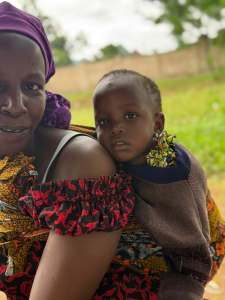

During May 11–June 3, our group traveled to Mwanza, Tanzania to serve with the Tanzania Rural Health Movement (TRHM) on a month-long medical mission experience. As family medicine residents, we participated in a variety of clinical activities including triaging patients, shadowing local physicians, assisting in clinic operations, and participating in Saturday street medicine outreach. We also had the opportunity to provide educational lectures for clinic staff on updated American clinical guidelines and topics such as street medicine, urinary tract infections, sepsis, dehydration/fluids, and point-of-care ultrasound basics. Through this collaboration, we sought to support the clinic’s mission while learning from the realities of rural and resource-limited medicine.
Outside of the clinic, we participated in community outreach serving street-connected children by helping provide medical care, food, clothing, hygiene supplies, and haircuts. We stayed at housing provided by TRHM near the clinic and were warmly welcomed by both clinic staff and the local community. Time spent sharing meals, learning about Tanzanian culture, attending local church services, and experiencing daily life in Mwanza made the month especially meaningful. The humility, hospitality, and commitment of the staff to continually improve patient care left a lasting impression, making this an incredibly rewarding experience both personally and professionally.