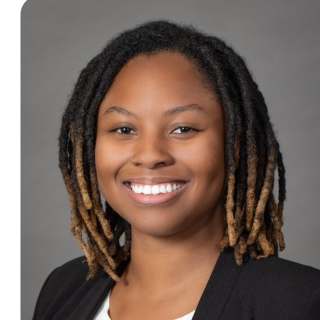
This project is an international rotation in Georgetown, Guyana as part of Zucker Hillside Hospital Psychiatry Residency Training Program's Global Mental Health initiative. This experience will take place at Georgetown Public Hospital Corporation (GPHC) from March 30th to April 26th, 2026 and I will be engaged in clinical activities related to Psychiatry. I will be working closely with psychiatric residents and attendings in Guyana to obtain valuable knowledge about mental health care in Guyana. This rotation will offer valuable clinical exposure to diverse patient populations and medical conditions, allowing me to improve my medical expertise and skills in healthcare.
The population served are the people of Guyana who struggle with mental health conditions. This population lacks psychiatric care as there isn't a robust mental healthcare system in this country. Not only would I be able to learn from this population, but I would also be able to give care to an underserved group of people. Working with underserved individuals is a passion of mine and I'd like to extend this passion globally.
With the knowledge I gain from this experience, I will be able to provide culturally competent care to my patients back home and continue to advocate for marginalized populations in my practice. I will also be able to care for an underserved population and provide mental health care to those in need in a country where mental healthcare is currently lacking. My hope is that this initiative leaves a positive impact on the people in Guyana.


I had the amazing opportunity to work alongside psychiatry residents and attending physicians, providing care to both inpatient and outpatient populations in Georgetown and Bartica. This experience gave me a broader perspective on the practice of psychiatry and the importance of understanding mental health care within different cultural and resource settings. While working closely with the clinicians and patients, one of my biggest takeaways was the importance of taking the time to understand a patient's cultural background, their beliefs, family dynamics, and community context. This was just as essential to good care as clinical training itself, and it shaped how I approached diagnosis and treatment throughout my time there.
Beyond the clinical setting, I made a deliberate effort to immerse myself in Guyanese culture in order to better understand the population I was serving. I explored local markets, spent time in the communities surrounding the hospitals, and enjoyed getting to know Guyanese cuisine from pepperpot to cook-up rice which gave me a window into the country's rich blend of Indigenous, African, Indian, and Caribbean influences. These experiences outside the hospital walls deepened my understanding of my patients' daily lives and helped me connect with them on a more personal level. The experience reinforced for me how inseparable culture and medicine truly are, especially in psychiatry, where a patient's history, beliefs, and community shape both their experience of illness and their path to healing. I left with meaningful professional and personal connections, a deeper appreciation for culturally attuned care, and a hope to return in the future.