Rwanda Endoscopy Week is a one-week mission trip where several Gastroenterologists and medical trainees from various academic centers and practices across the world travel to Rwanda to provide not only endoscopic care to patients, but teach local physicians various skills in endoscopy. I will be traveling with my Program Director and Global Health mentor, Dr. Pooja Elias. When in Rwanda, our two main goals are to provide excellent patient care and provide education to local physicians, trainees, and students.
We plan to train endoscopic skills such as scope handling, mucosal inspection with white-light endoscopy and narrow-band imaging, pattern recognition of common and rare lesions, biopsy techniques, and basic therapeutic maneuvers. As the disease presentation in this area of the world is different than the United States, teaching and medical care will be tailored to the needs of the population. Common diagnoses include H. pylori infection, esophageal cancer, gastric cancer, GI bleeding, and colorectal cancer. Treatment will focus on endoscopic therapy such as clipping, banding, resection and electrocoagulation, all with an emphasis on what is locally available.
The opportunity to participate in this initiative builds upon my interest in Global Health. I have participated in three international medical mission trips, and have participated in domestic care of patients from abroad, including refugee and asylum clinics. This fall, I had the opportunity to travel to Guatemala with a team from the Medical University of South Carolina to an affiliate hospital with whom we have a longitudinal relationship. During this week, we worked in tandem with local physicians to provide endoscopic care to patients who otherwise could not access it due to geographic or financial barriers. In addition, we were able to staff a GI clinic. Being able to participate in Rwanda Endoscopy Week will be a direct continuation of this work.
Several parties will benefit from the work done during Rwanda Endoscopy Week. First, the primary goal is to provide excellent care to patients. While on the trip, we will provide the workforce to endoscopically diagnose and treat a variety of conditions, utilizing the equipment on site. Access to endoscopic care in settings with limited resources can delay necessary diagnoses and treatment. Providing endoscopic care can help to resolve this issue, and decrease travel costs for the patient. Next, the local physicians will benefit. One of our primary goals is to provide formal endoscopy training to the Rwandan physicians. Enhancing the skill set of local physicians will expand the availability of regular endoscopic care provided by physicians who are a part of the community, and have built relationships with the patients they serve. In addition, I will have the opportunity to give formal lectures about different topics in GI to Internal Medicine residents and medical students.
The partnership in Rwanda was established as this community has a strong investment in the development of local medical providers in order to provide a benefit to the community that extends far beyond our one-week trip. This group of Rwandan physicians and trainees is committed to advancing education through sharing knowledge and advancing technology.
I am extremely excited about the prospect of being able to participate in Rwanda Endoscopy Week as it will be transformational for my career in Global Health. I am committed to providing care to the underserved, and plan to have this built into my career as an Attending Gastroenterologist. I have participated in several medical mission trips targeted toward Internal Medicine. Performing procedures in the Global Health space has an added layer of complexity and safety involved, and it is my goal to get as much experience as possible during my fellowship. I plan to pursue a career as a GI hospitalist which provides a flexible lifestyle of having several weeks off at a time, while taking care of the sickest patient within our specialty. One reason I am pursuing this type of career is to afford time off to travel for Global Health work several times per year. Building these longitudinal international partnerships early on, all while under the supervision of my mentor, will provide a bright start for my career in Global Health. I will carry with me the collaboration with local physicians, how to build culturally competent relationships, and how to provide endoscopic care in limited resourced settings.
The immediate impact of the trip will be the direct patient care provided. Patients who have not had access to endoscopic care will get necessary diagnostic and therapeutic procedures. The longer-term effect of the trip would be the expansion of the skillset of the local physicians, which would provide regular access to high quality endoscopy in their respective communities.


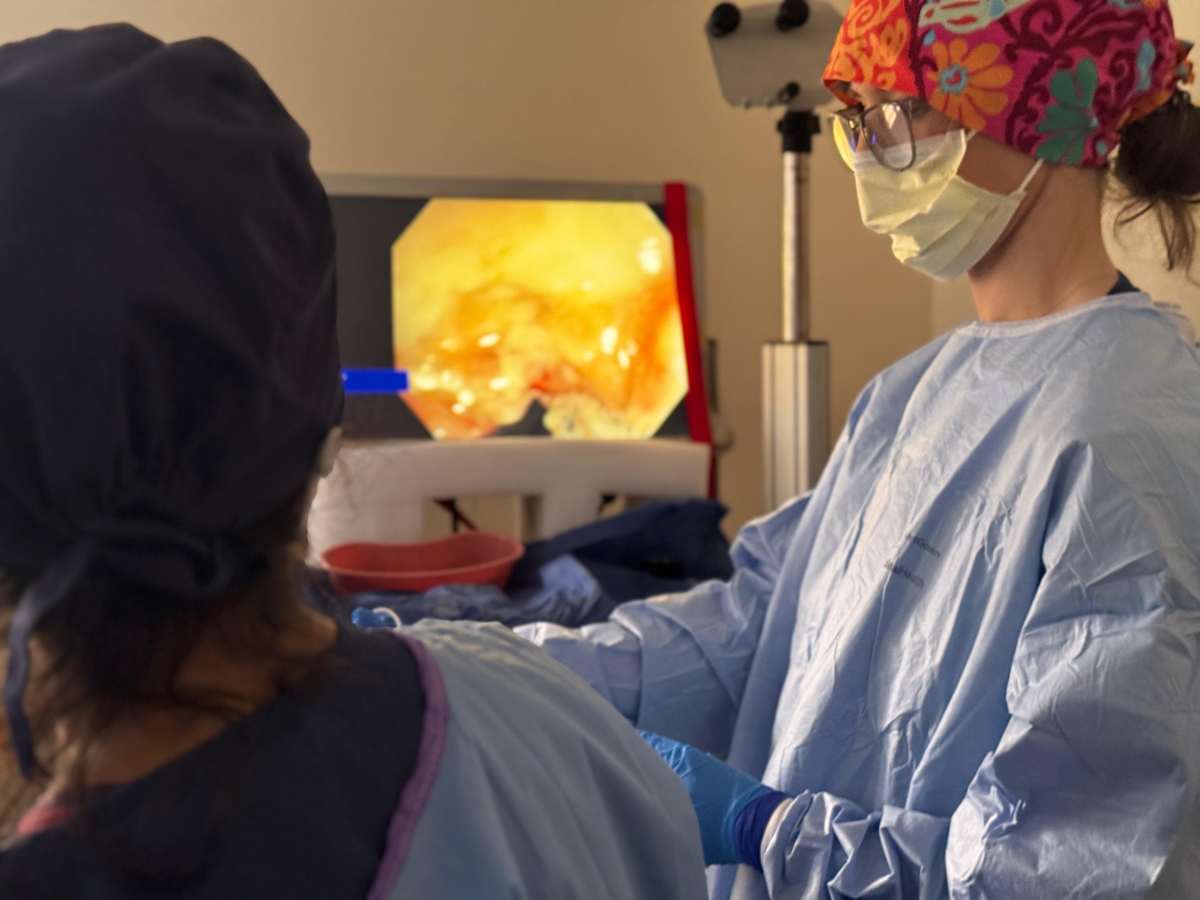
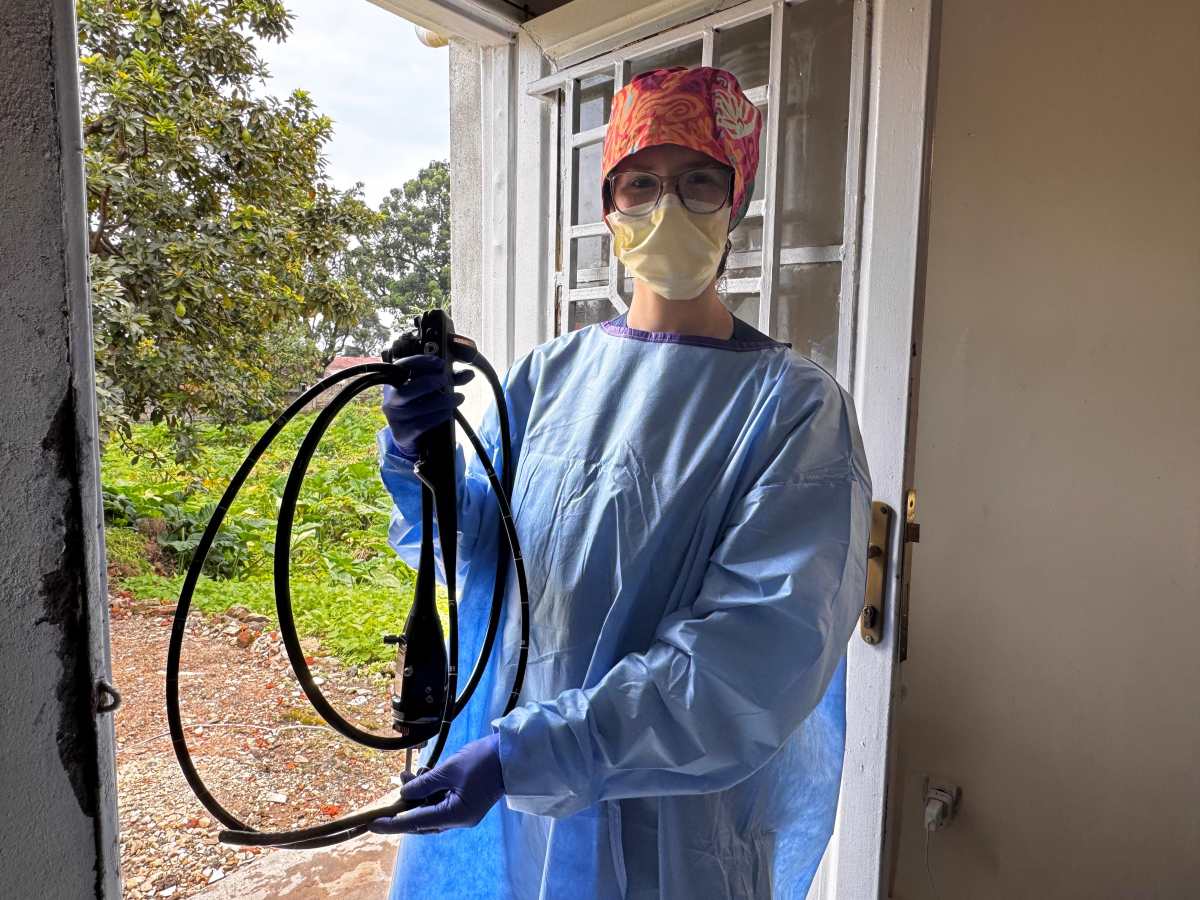
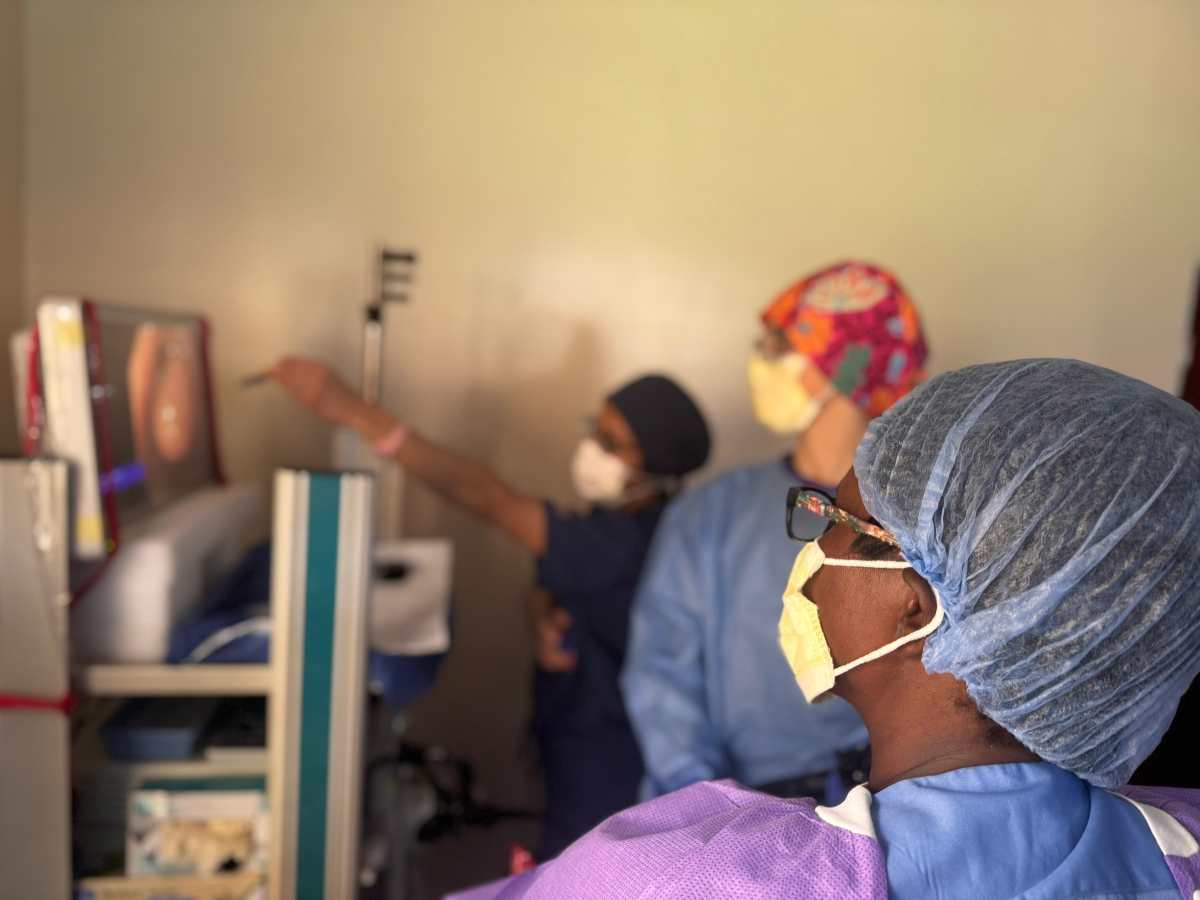



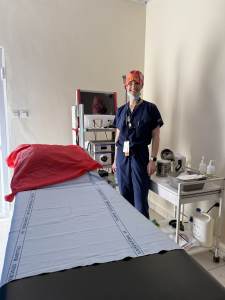
My time in Rwanda was a pivotal moment in my career as a Gastroenterologist. During our trip, our four-person team was dispatched to Gisenyi, Rwanda, which is a small town on the border of the Congo. I was accompanied by my attending, one endoscopy nurse, and a research assistant. There, we met our team of two Rwandan physicians, two nurses, and two patient care coordinators. During the week, we performed 106 endoscopic procedures. The care we were able to provide included endoscopic dilations of stenosis, banding of esophageal varices, foreign body removals, performing biopsies to confirm cancer diagnoses, and diagnostic EGDs and colonoscopies. Had our team not been there during this week, the patients would have had a significant delay in their care as they would have had to coordinate the time and the funding to travel several hours away to be seen by a Gastroenterologist. The specific endoscopic skill set we were able to provide to these patients improved their quality of life and gave them answers to questions they have had for months or years. We were challenged technically as some of our endoscopes stopped functioning, the power intermittently went out, and we did not have the procedural subspecialty back-up we were used to when typically performing these procedures in the United States. Despite this, our team rose to the occasion and we were able to provide excellent patient care alongside our Rwandan colleagues.
Working side-by-side with the Rwandan physicians and nursing staff, we helped with inpatient consults, taught young General Practitioners concepts in Gastroenterology and Hepatology, and our nursing staff provided education on endoscope cleaning.
My week in Rwanda was one that I will never forget, and has inspired me to continue pursuing a career in Global Health to grow the field of Gastroenterology and Hepatology and enhance access to endoscopic care across the world. I learned so much from our Rwandan partners, and am continually inspired by them, and am grateful for the lifelong friends and colleagues I have made. I am appreciative of my Program Director and Global Health Mentor, Dr. Pooja Elias, for being a leader in the field of Global Health Gastroenterology and having the invaluable opportunity to learn from her. I owe all that I learned and gained from this trip to the Doximity Foundation Grant as they made my travel to Rwanda possible. I look forward to the opportunity to continue to impact patients and colleagues in the Global Health space with collaboration with Doximity.