As a volunteer Nurse Practitioner with the Floating Doctors team in Panama, I plan to provide compassionate, patient-centered medical care to underserved and remote communities with limited access to healthcare. I will participate in clinical evaluations, diagnosis and treatment of acute and chronic conditions, medication management, and patient education, while working collaboratively with physicians, nurses, translators, and local health workers. I also plan to support preventive care efforts by educating patients on disease prevention, hygiene, nutrition, and chronic disease management, recognizing the importance of empowering individuals with knowledge to improve long-term health outcomes.
Beyond direct clinical care, I aim to build trust with patients and communities through respectful communication, cultural humility, and active listening. By adapting my practice to resource-limited settings and utilizing evidence-based care within those constraints, I hope to help deliver safe, effective, and sustainable healthcare. I also plan to support team operations as needed, whether through triage, documentation, follow-up planning, or community outreach.
This work will make a difference by addressing immediate healthcare needs while also strengthening patients’ understanding of their health and treatment options. By providing timely care, education, and compassionate presence, I hope to reduce barriers to access, improve quality of life, and contribute to more sustainable health outcomes for the communities served. Additionally, my participation supports Floating Doctors’ broader mission by reinforcing team capacity and continuity of care, helping ensure that underserved population receive consistent, respectful, and high-quality medical support.
The primary beneficiaries of this project are the underserved, rural, and indigenous communities in Panama that lack consistent access to healthcare services. These populations often face significant barriers to care, including geographic isolation, limited medical resources, economic constraints, and shortages of trained healthcare providers. As a result, many individuals go without timely diagnosis, treatment, and preventive care for both acute and chronic conditions.
This population is the focus of the project because the need is both urgent and ongoing. Without regular access to healthcare, preventable and treatable conditions can progress into more serious health issues, impacting quality of life and long-term outcomes. By serving these communities through the Floating Doctors medical mission, the project helps bridge critical gaps in care while promoting health education and disease prevention.
Prioritizing these populations also supports health equity by reaching individuals who are often overlooked within traditional healthcare systems. Providing compassionate, culturally sensitive care not only addresses immediate medical needs but also empowers patients through education and trust-building. Ultimately, focusing on these communities aligns with the mission of Floating Doctors to deliver sustainable, ethical, and accessible healthcare to those who need it most.
The expected impact of this experience is both immediate and long-term. In the short term, the medical mission will help improve access to essential healthcare services for underserved communities in Panama by addressing acute illnesses, managing chronic conditions, and providing preventive care and health education. These efforts can lead to earlier diagnosis, symptom relief, improved disease management, and increased health awareness within the communities served.
In the long term, the impact extends beyond the duration of the mission. Through patient education, trust-building, and culturally respectful care, the project supports more sustainable health outcomes and strengthens community engagement with healthcare services. By working alongside the Floating Doctors team, the mission also contributes to continuity of care and reinforces local healthcare capacity.
After returning, the learnings from this experience will carry forward into my ongoing practice as a Nurse Practitioner. Exposure to global health challenges and resource-limited settings will enhance my clinical decision-making, adaptability, and cultural humility. I will apply these insights to better serve diverse and vulnerable populations in my own community, advocate for health equity, and continue engaging in humanitarian and global health efforts. Additionally, I plan to share lessons learned with colleagues and peers to help promote awareness, compassion, and best practices in caring for underserved populations, ensuring the impact of this experience continues well beyond the mission itself.

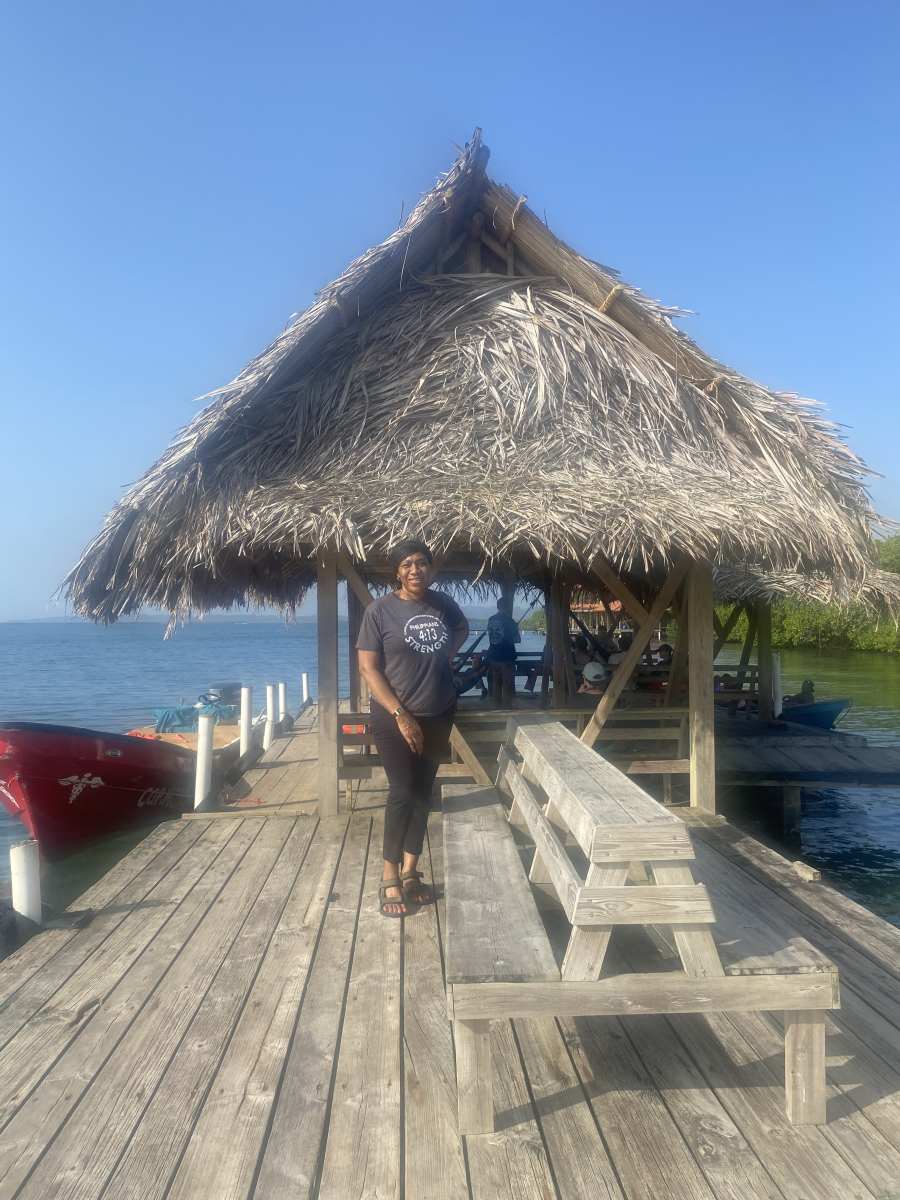


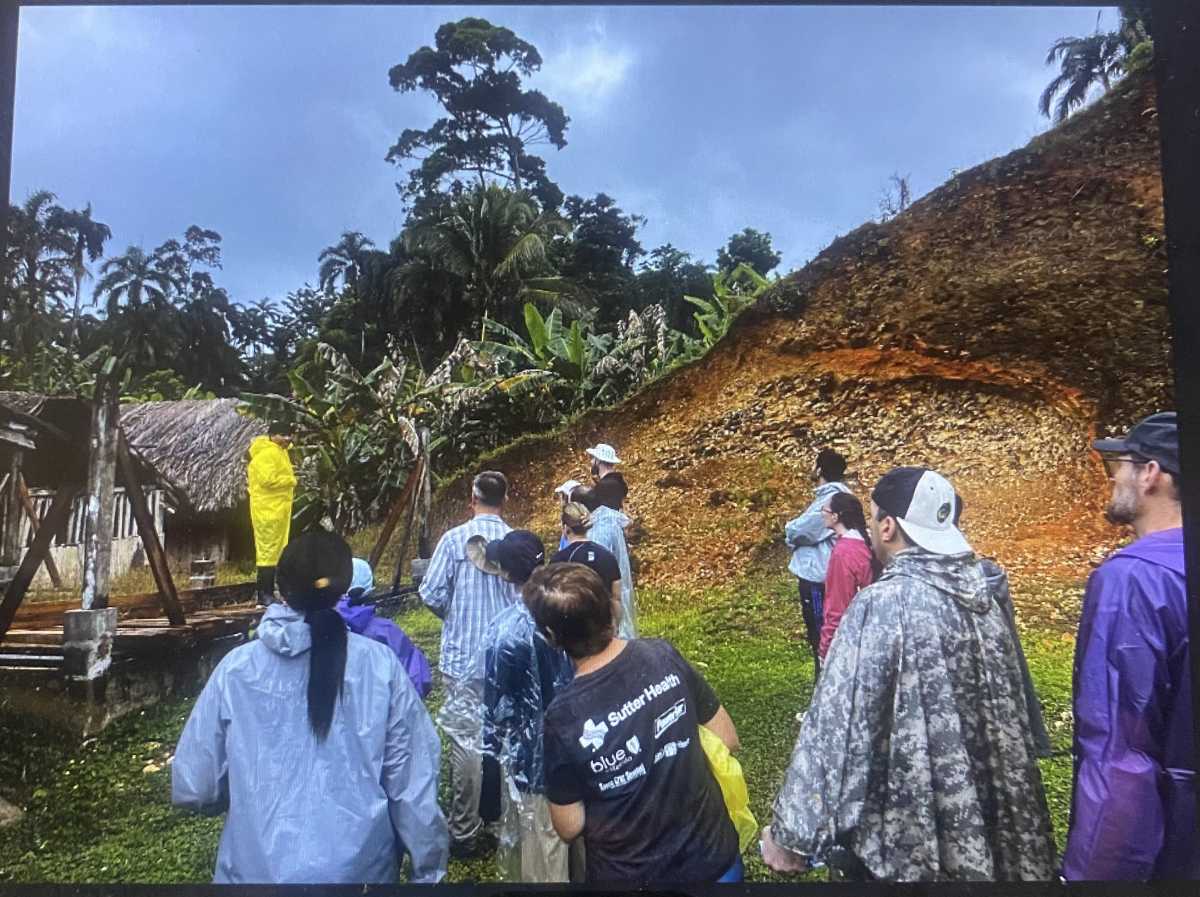


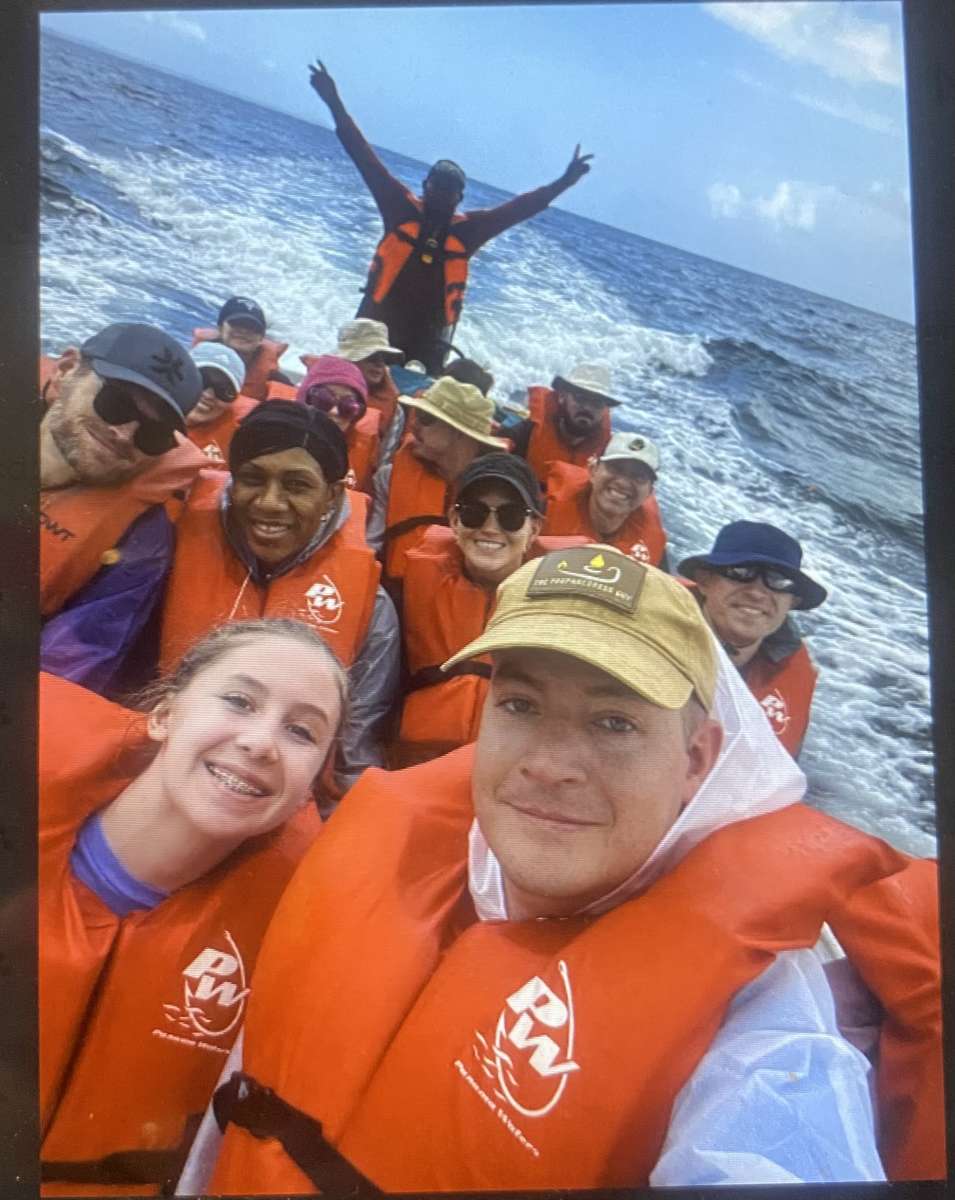




I participated in a medical mission in Encenada, a remote community in Panama located within regions where many residents belong to the Ngäbe-Buglé Indigenous population. The primary mission was to provide basic primary healthcare services to individuals living in areas with extremely limited access to medical care. Many residents must travel long distances by boat or through mountainous terrain to reach healthcare services, making routine care difficult. The mission aimed to provide medical evaluations, treat acute conditions, manage chronic illnesses, distribute medications, and offer health education to individuals who otherwise may go months or years without seeing a healthcare provider. The population served consisted primarily of individuals living in rural Indigenous communities with limited access to healthcare, education, employment opportunities, and basic infrastructure. Many families rely on subsistence farming or fishing and experience high levels of poverty and food insecurity.
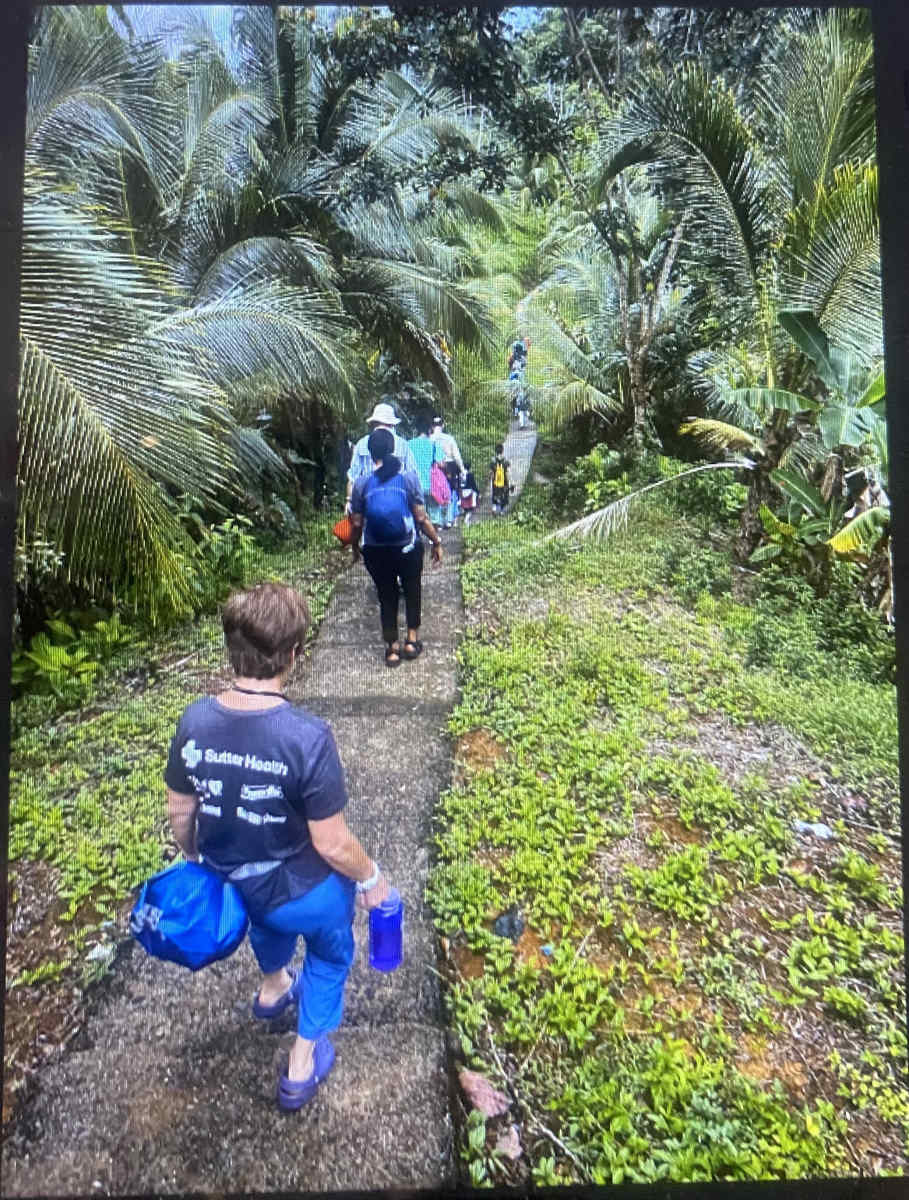
The healthcare setting was a temporary mobile clinic established in the community’s small school building, which required the school to close for the two days our team was present. This highlighted the limited infrastructure available in the village. For patients who could not travel due to illness or disability, the medical team sometimes traveled by boat and on foot to their homes to provide care. The mission reinforced how social determinants such as poverty, food insecurity, geographic isolation, and lack of infrastructure directly affect health outcomes. Conditions such as hypertension and diabetes that are manageable in well-resourced healthcare systems can become life-threatening when patients lack consistent access to healthcare and medications. This mission reinforced the importance of compassion, adaptability, and advocacy in healthcare. It reminded me that even small interventions—such as providing medications, education, or simply listening to a patient’s story—can have meaningful impact.
Moving forward, I hope to continue participating in outreach efforts while advocating for improved healthcare access for underserved populations. The experience in Encenada strengthened my commitment to addressing health disparities and serving vulnerable communities both locally and globally. The experience in Encenada will remain with me throughout my career as a constant reminder that behind every diagnosis is a human life shaped by circumstances far beyond medical treatment alone, and that compassion, advocacy, and cultural humility are just as essential to healing as clinical knowledge. Long after this mission, I will continue to remember the blind 78-year-old woman trapped in her small home in the mountains, we have to go see her via the boat and climbing the mountain. The mountain tested me in ways I never imagined, a reminder that behind every patient encounter is a human story shaped by circumstances far beyond the clinic, and that the role of a healthcare provider extends beyond treatment to empathy, advocacy, and service to those most vulnerable.
Thanks for the opportunity Doximity.