I propose a one-month global health engagement in Botswana through my residency program’s established partnership with Scottish Livingstone Hospital (SLH). During this time, my goal is to support medical education in ways that strengthen local capacity and endure beyond a short visit. I plan to work alongside medical learners through bedside teaching, case-based discussions, and shared clinical decision-making, with an emphasis on locally prevalent conditions and care in resource-limited settings. By centering education rather than short-term service delivery, this experience aims to support trainees already embedded in the community and to contribute to the long-term care of patients served by SLH. In parallel, I plan to organize twice-weekly sports camps for local youth, using physical activity as a platform to promote health, teamwork, and intercultural exchange. These sessions will emphasize movement, play, and mentorship, while fostering mutual learning between participants and visiting clinicians. My approach is informed by my prior service as a Peace Corps volunteer in Mozambique, where I spent two years working closely with communities, building trust across cultural differences, and developing programs rooted in local strengths. This experience has given me the skills to engage respectfully, adapt to new contexts, and prioritize partnership over prescriptiveness. Through clinical education and community engagement, this project seeks to advance global health not as a one-way intervention, but as a shared, sustainable collaboration.
This project will primarily benefit medical learners at Scottish Livingstone Hospital and the patients they care for. By supporting locally embedded trainees through bedside teaching and case-based learning, the impact extends beyond a single month and strengthens care delivery over time. Local youth will also benefit through the sports camps, which promote physical activity, mentorship, and community connection in a low-cost, accessible way. This population was chosen because both trainees and young people represent points of durable impact, where investment in education and health promotion can shape outcomes long after the visit ends.
The expected impact is improved patient care through strengthened clinical reasoning and decision-making among medical learners at Scottish Livingstone Hospital. By reinforcing approaches to diagnosis and management that are tailored to local disease patterns and available resources, this work supports safer, more effective care for patients both during the visit and after I return home. Teaching that emphasizes bedside assessment, thoughtful use of limited diagnostics, and shared clinical judgment can be carried forward by trainees in their daily practice. In this way, the benefits extend beyond individual encounters to influence the care of many future patients.
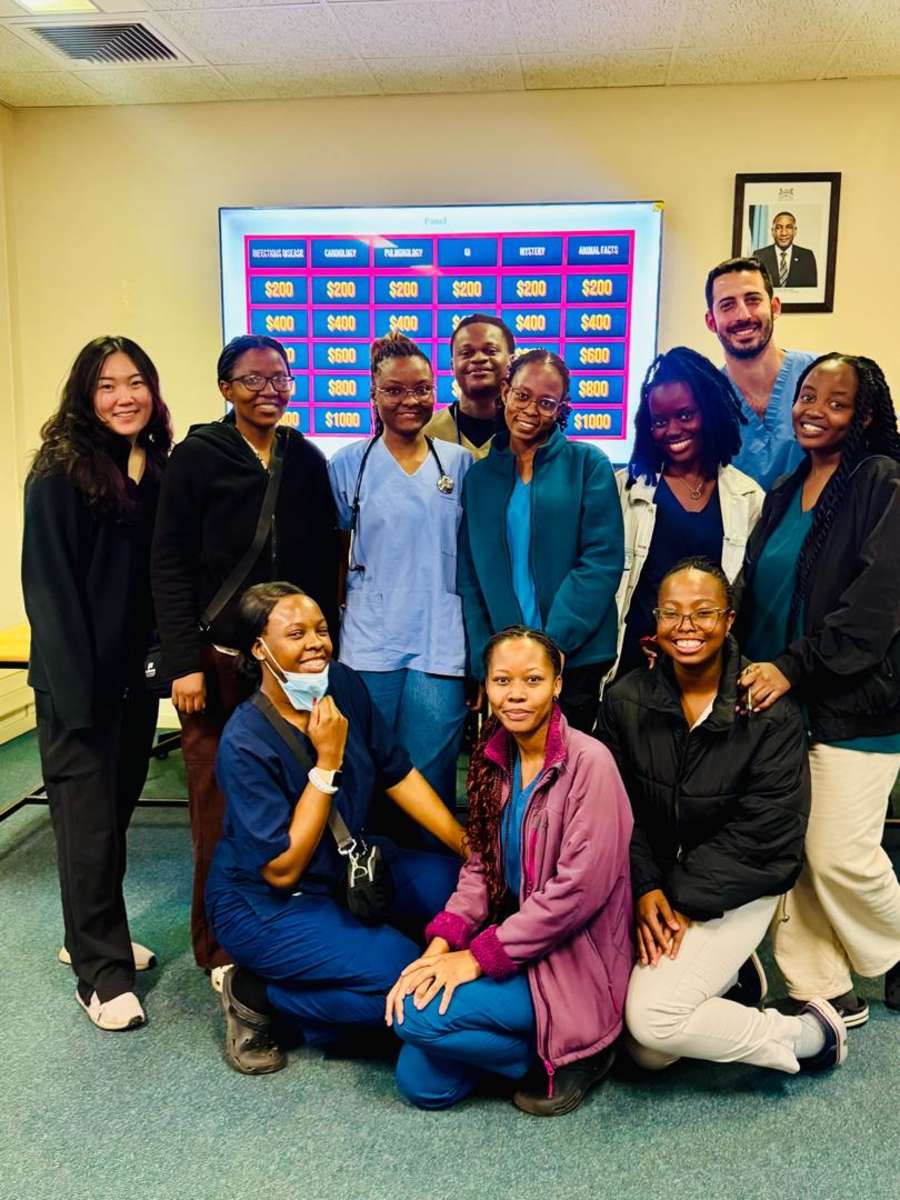
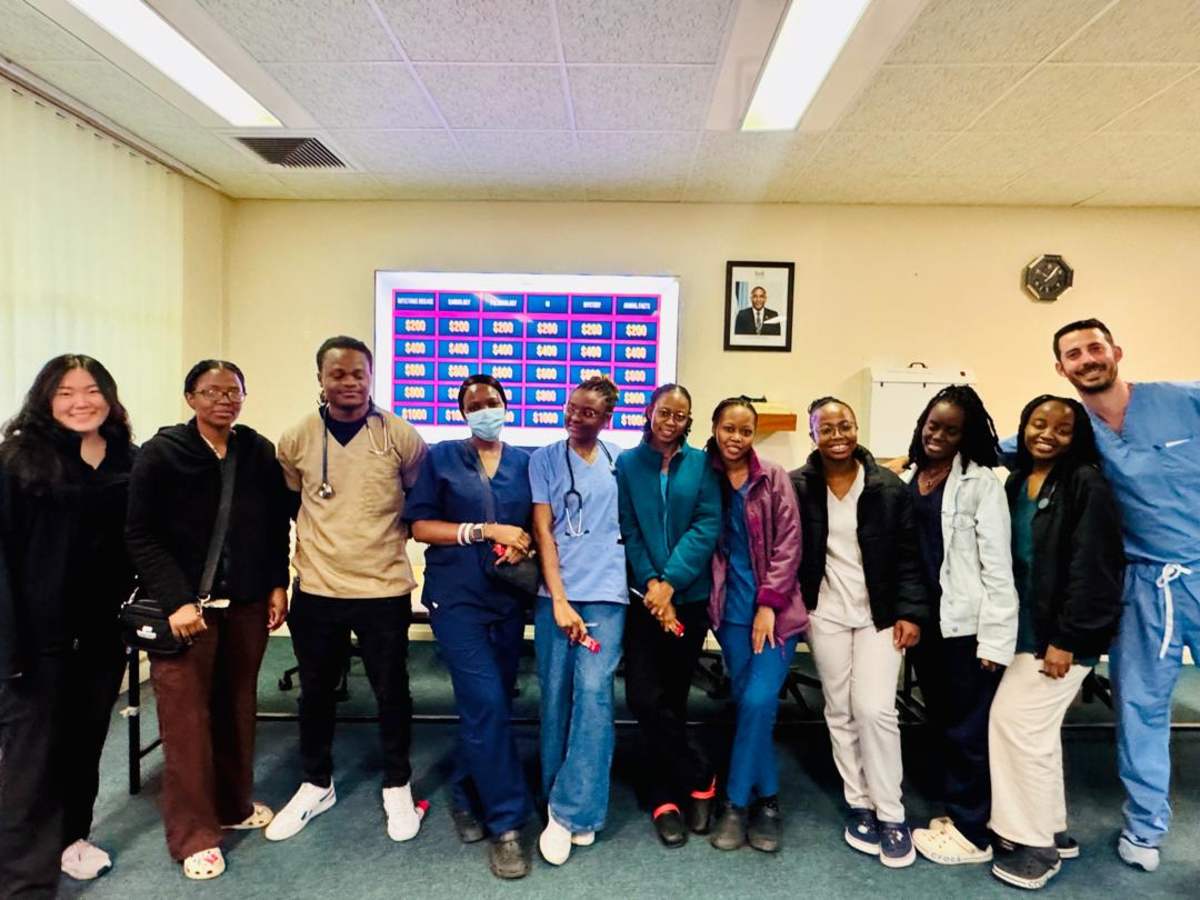
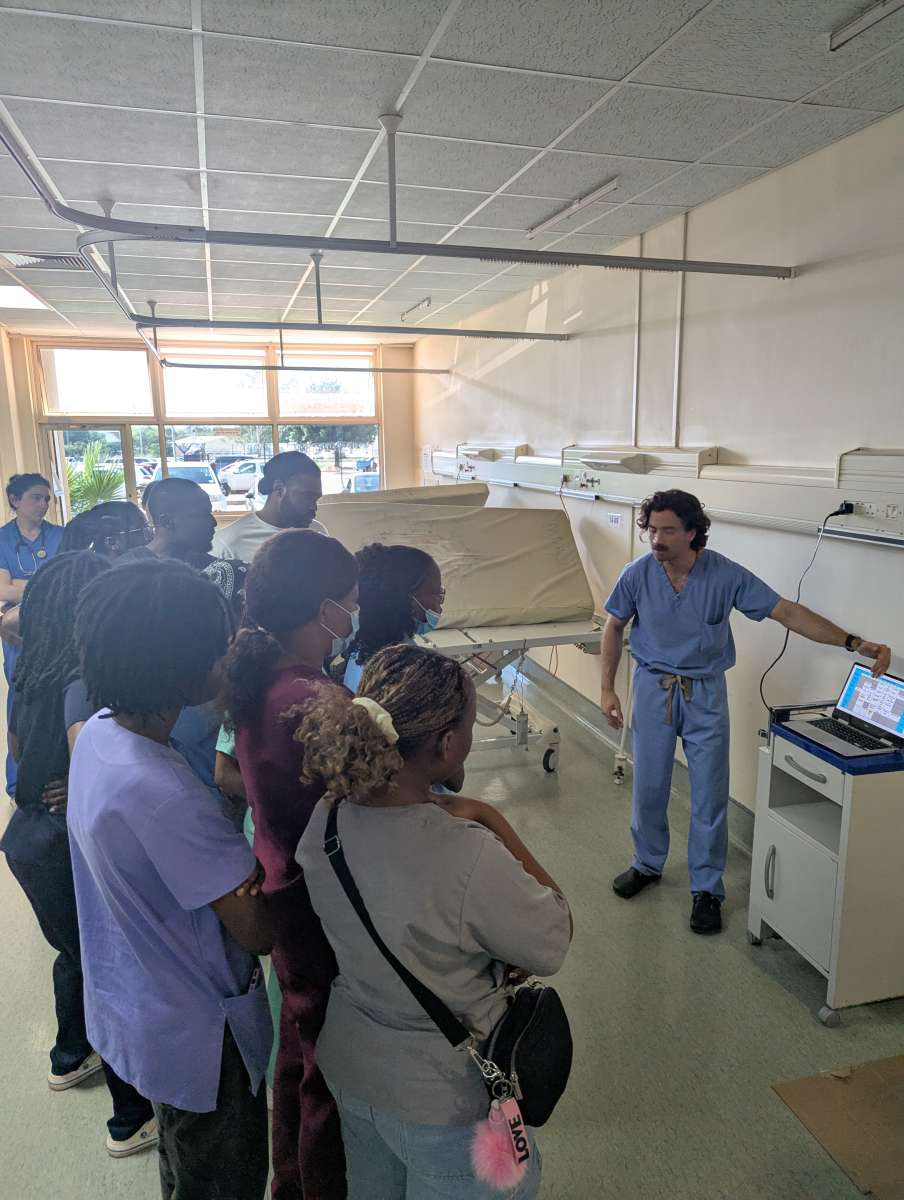
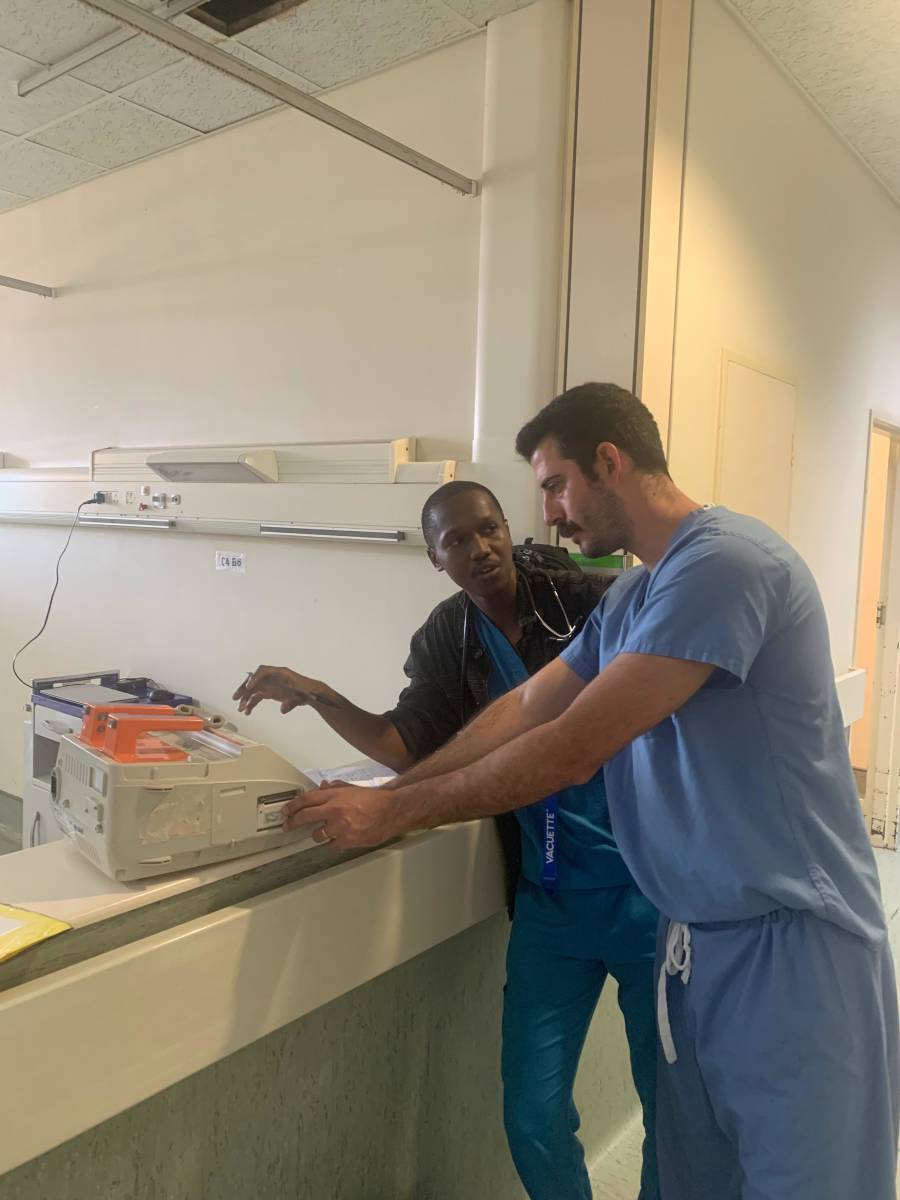
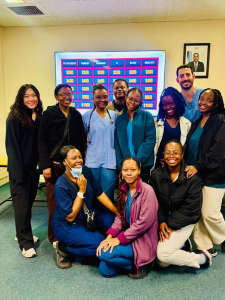
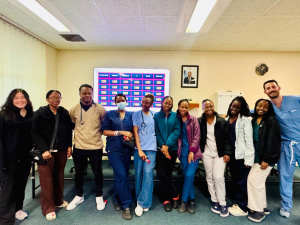
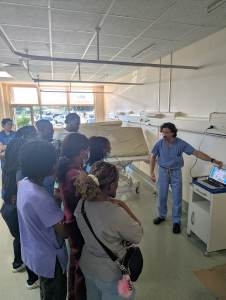
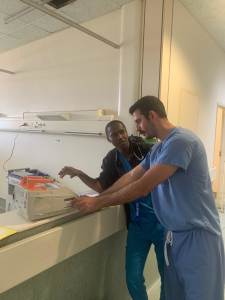
During my month in Botswana, the people most directly impacted by my trip were the interns and medical learners working on the internal medicine wards. I spent much of my time teaching in the hospital, both formally and informally, through chalk talks, bedside teaching, ECG interpretation sessions, and ultrasound teaching. These sessions were designed to be practical and responsive to the clinical questions that arose during ward rounds. Rather than teaching in isolation from patient care, I tried to focus on skills that could be immediately applied: how to approach a patient with shortness of breath, how to interpret an abnormal ECG, how to use ultrasound to strengthen a bedside assessment, and how to connect physiology to the decisions being made each day on the wards.
The interns I worked with were caring for a high volume of medically complex patients, often in a resource-limited setting where clinical reasoning and bedside skills were especially important. My goal was not simply to deliver lectures, but to support their confidence as clinicians. We discussed real patients together, reviewed diagnostic frameworks, practiced interpretation skills, and talked through management decisions in ways that could be carried forward after I left. Patients admitted to the internal medicine wards were also impacted by my presence. I participated in their care as part of the clinical team, helping with evaluations, discussions of differential diagnoses, and management planning.
The trip also impacted me deeply. The interns, residents, nurses, and patients I met reinforced the importance of medical education that is collaborative, practical, and rooted in the needs of the local setting. I left with a stronger understanding of how teaching can be an act of partnership: not the transfer of knowledge in one direction, but a shared process of asking better questions, strengthening clinical judgment, and supporting the people already doing the work.