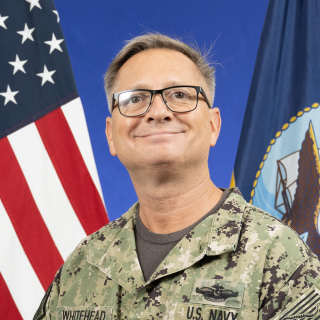
I am deeply aligned with Floating Doctors’ commitment to relationship centered care, community partnership, and sustainable health improvement. My background in global health, wilderness medicine, and austere environment operations has prepared me to contribute meaningfully to boat based mobile clinics and remote village outreach. I value the organization’s emphasis on continuity, cultural humility, and long term community trust, and I hope to support both clinical care and capacity building efforts.
The rural population of Panama benefits from the building of a permanent, sustainable rural health service and community development assistance programs in Panama. By deploying mobile clinics by boat, packhorse or on foot to remote underserved areas, where we conduct ongoing health services and community development projects. This is an underserved low-income portion of Panama that deserves improved access to quality care.
This program addresses individual and community health—not only providing acute and ongoing medical care, but also includes education, training, community projects, supply donation, and preventive health interventions to create sustainable improvements in health.



Global Humanitarian Experience: Personal and Professional Reflection
Setting the Stage: Overview of the Experience
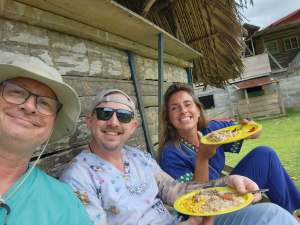
In March 2026, I participated in a multiday mobile medical mission with the organization Floating Doctors in the Comarca Ngäbe-Buglé region of Bocas del Toro, Panama. After arriving on 1 March for orientation and equipment preparation, our team deployed by panga early on 2 March to the coastal village of Ensenada—a community of approximately 600 residents accessible only by water. The region is characterized by geographic isolation, intermittent electricity, limited transportation infrastructure, and scarce access to formal healthcare services. The clinic operated from 2–5 March, with nightly hammock-based lodging in the community’s school building, followed by a return to base on 5 March for demobilization and resupply before final departure on 6 March.
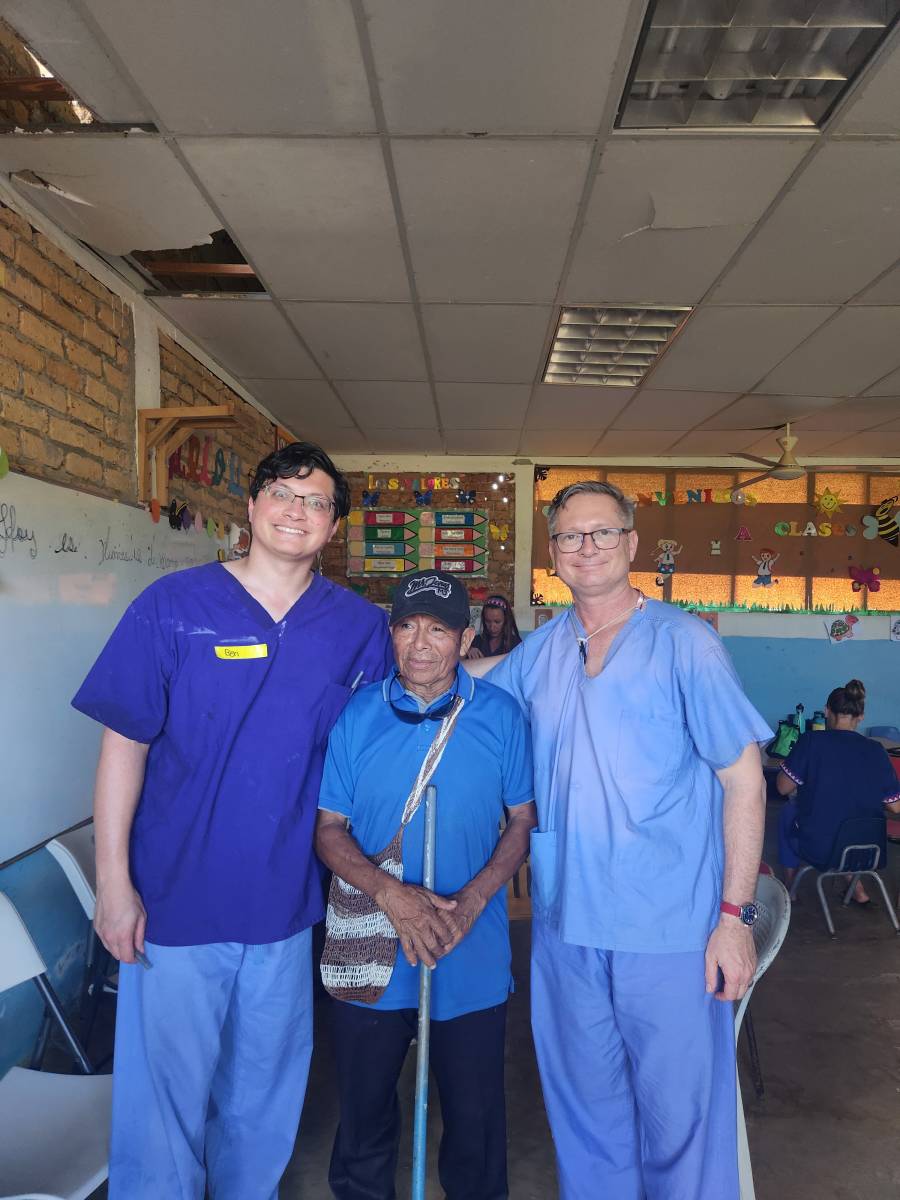
The mission’s clinical operations were conducted inside the village school classrooms, which were temporarily converted into examination areas. My primary responsibilities included patient triage, acute care evaluation, chronic disease management, women’s health screening, pediatric assessment, and coordination of referrals to the regional Centro de Salud in Kusapín. One of the primary objectives of this clinic was to screen patients for an upcoming cataract surgery program coordinated by Floating Doctors and the Panamanian Ministry of Health.
Patient demand was high. On the first day alone, the team evaluated approximately one hundred patients. I personally evaluated ten patients while working alongside a medical student and community interpreter. Patients ranged in age from two to eighty‑four years old and presented with conditions including parasitic infections, dermatologic infections, musculoskeletal complaints, poorly controlled hypertension and diabetes, and ophthalmologic conditions requiring cataract surgery referral. Each clinical encounter required careful history-taking, physical examination, and treatment planning, using a limited medication formulary and minimal diagnostic resources.
Cultural Humility and Ethical Reflection
Providing medical care in the Ngäbe-Buglé community required deliberate cultural humility and adaptability. Communication frequently occurred through multiple layers of interpretation because many older residents spoke Ngäbere rather than Spanish. Clinical discussions often required translation from Ngäbere to Spanish and then to English, requiring patience and careful communication to ensure understanding.
Ethical challenges emerged when resource limitations constrained treatment options. One encounter involved a 45‑year‑old man who had been told during prior hospital visits that he had a chronic inguinal hernia. Careful physical examination revealed severe orchitis instead. The case highlighted the importance of bedside diagnostic skills when advanced imaging and specialty consultation are unavailable. Communicating the revised diagnosis through interpreters required sensitivity and clarity to ensure the patient understood the treatment plan and follow‑up expectations.
Personal Growth and Resilience
The mission presented physical and emotional challenges that fostered personal growth. Long clinic hours in high humidity, limited personal space, inconsistent sleep in hammocks, and high patient volumes required flexibility and resilience. Working without advanced diagnostic resources reinforced reliance on history, physical examination, and risk stratification to guide clinical decisions.
A particularly memorable encounter occurred during a home visit conducted by boat to evaluate a man reportedly bedridden for several years due to chronic abdominal pain and constipation. He appeared markedly emaciated with central wasting but preserved limb musculature and no pressure sores. Examination revealed pinworm infestation, and treatment was provided for both the patient and the household. Laboratory testing available during the visit was normal, leaving the clinical presentation difficult to explain. The team suspected a combination of gastrointestinal pathology and behavioral health factors and coordinated follow‑up evaluation at a regional hospital.
Global Health Lens
The Ensenada mission revealed significant health disparities affecting rural populations in the Ngäbe‑Buglé region. Chronic diseases such as hypertension and diabetes were frequently undertreated because of limited medication availability and restricted laboratory monitoring capacity. Some patients had not taken medications for extended periods due to transportation barriers or supply interruptions.
Maternal health challenges were also evident. One patient presenting for prenatal follow‑up had experienced a miscarriage weeks earlier but had not sought care because she did not recognize the symptoms as concerning. Pregnancy testing confirmed the miscarriage, and the team provided counseling and contraception.
Geographic isolation significantly influences healthcare access in the region. Patients and providers frequently travel several hours by small boat to reach communities separated by waterways and rainforest terrain.
Connection to Professional Goals
This humanitarian experience informs my development as a clinician, Navy officer, and future Doctor of Medical Science graduate. Practicing medicine in a resource‑limited environment strengthened competencies essential to expeditionary and humanitarian operations, including rapid clinical decision‑making, improvisation with limited supplies, and culturally informed communication.
The barriers observed in rural Panama—limited laboratory testing, transportation challenges, inconsistent medication supply, and fragmented follow‑up—mirror systemic challenges present in fragile health systems worldwide.
Looking Ahead
The Ensenada clinic reaffirmed that effective humanitarian healthcare requires humility, adaptability, and sustained partnership with local communities. Sustainable impact cannot be achieved through isolated clinical encounters alone. Instead, integration with local health systems, community education, and consistent follow‑up are essential.
Floating Doctors’ recurring mobile clinic model provides a pragmatic framework for delivering care in geographically isolated environments and highlights the importance of long‑term engagement. This experience reinforced that humanitarian medicine is not defined solely by clinical skill, but by humility, adaptability, and long-term commitment to the communities served.