I propose to participate in a four-week global health dermatology elective in New Plymouth, located in the Taranaki region of New Zealand. During this experience, I will work under the mentorship of Dr. Anna Nichols to provide dermatologic care within New Zealand’s universal public healthcare system, while gaining exposure to a distinct clinical and cultural patient population. The elective will focus on direct patient care in both hospital-based and outpatient settings, with particular emphasis on conditions prevalent in the region, including UV-related skin cancers and dermatologic disease in Māori and Pacific Islander communities.
In addition to clinical care, I plan to contribute academically through the completion of a case report, case series, or quality-improvement project in collaboration with the host institution. This scholarly component will support local research efforts while refining my own skills in clinical investigation and academic writing. Observing dermatologic care delivery within a universal healthcare model will provide valuable perspective on access, equity, and system-level determinants of patient outcomes, contrasting with the mixed public-private system in the United States.
This project is designed to strengthen my clinical judgment, cultural competence, and understanding of global health delivery, while fostering mentorship and collaboration across institutions. Ultimately, the experience will enhance my ability to provide thoughtful, equitable dermatologic care and to engage in service-oriented academic practice throughout my career.
This project will primarily serve patients receiving dermatologic care in the Taranaki region of New Zealand, including individuals from Māori and Pacific Islander communities, who experience well-documented health disparities and barriers to accessing specialty care. These populations face a disproportionate burden of dermatologic disease, including delayed diagnoses of skin cancer and chronic inflammatory conditions, often influenced by geographic, socioeconomic, and systemic factors.
Patients in this region also benefit from care within a universal public healthcare system, which offers an important contrast to U.S. healthcare delivery models. By participating in their care, I will gain insight into how structural differences in access and resource allocation shape dermatologic outcomes. The region’s high ultraviolet exposure further places patients at increased risk for advanced non-melanoma skin cancers and melanoma, allowing for meaningful clinical engagement with complex and advanced disease presentations.
This population was selected because it provides a unique opportunity to combine service, learning, and cultural humility. Direct interaction with diverse patient groups will strengthen my ability to deliver culturally responsive care and deepen my understanding of how dermatology intersects with public health, equity, and community trust—skills that are directly transferable to caring for underserved populations in my future practice.
The expected impact of this elective is both immediate and enduring. In the short term, the project will support patient care delivery and contribute academically through a scholarly output that benefits the host institution and broader dermatology community. Engagement in clinical research or quality improvement will help sustain local scholarly activity while enhancing my own academic development.
Long-term, the knowledge and perspective gained from practicing dermatology within a universal healthcare system will directly inform my future clinical practice, outreach efforts, and mentorship roles. Exposure to diverse populations and healthcare structures will strengthen my adaptability, cultural awareness, and commitment to equitable care. Upon returning, I will disseminate lessons learned through formal presentations and informal teaching, enriching resident education and fostering interest in global health engagement among peers.
This experience will also reinforce professional resilience and purpose by reconnecting clinical practice with service and community impact. The skills, insights, and mentorship cultivated through this elective will carry forward into my career as a dermatologist who integrates patient care, education, advocacy, and academic contribution—extending the impact well beyond the duration of the trip itself.


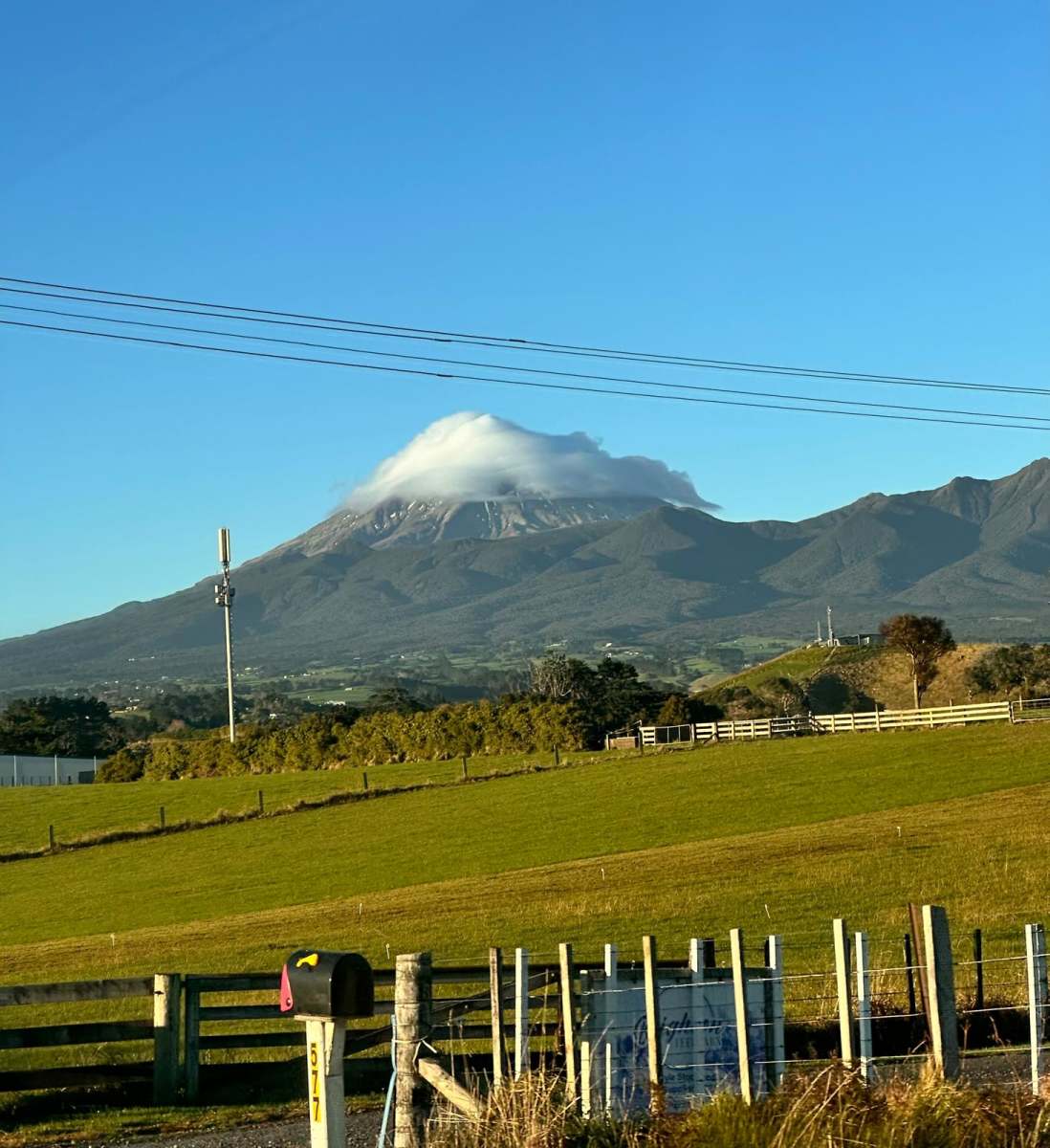


The impact of this experience extends well beyond my own professional development. During my four-week observership in New Zealand, I was privileged to learn from dermatologists practicing within a publicly funded healthcare system while caring for patients with a wide range of skin diseases. Although I was present in an observational role, the patients I met had a profound impact on my understanding of how healthcare systems, resource allocation, and access to treatment shape patient outcomes.
The knowledge gained from this experience will directly benefit the patients I care for in South Florida. I was exposed to different approaches to managing common dermatologic conditions, including psoriasis, atopic dermatitis, hidradenitis suppurativa, skin cancer, and autoimmune skin disease. I learned about medications and treatment pathways that differ from those commonly used in the United States, as well as strategies for delivering high-quality care when resources are limited. These insights have broadened my clinical perspective and will help me provide more thoughtful, patient-centered care throughout my career.
The experience also benefited my colleagues and fellow trainees. Upon returning to the United States, I developed and delivered an educational presentation comparing dermatology practice in New Zealand and the United States, highlighting differences in healthcare delivery, medication access, melanoma care, and treatment prioritization within a publicly funded system. By sharing these lessons, I was able to extend the impact of the observership to residents, faculty, and future trainees who may never have the opportunity to experience another healthcare system firsthand.
Finally, the experience strengthened professional relationships between dermatologists in New Zealand and the United States. The mentorship and collaboration I received from my hosts created opportunities for future educational exchange and fostered a broader understanding of how physicians across different healthcare systems can learn from one another to improve patient care.
This observership reinforced that meaningful global health experiences do not require direct clinical intervention to have lasting impact. The patients, physicians, and trainees connected through this experience will continue to benefit from the knowledge, perspectives, and professional relationships developed during my time in New Zealand.