
We aim to partner with pediatricians at Dhulikhel Hospital (DH) to develop a Pediatric Advanced Life Support (PALS) instructor course tailored to the hospital’s patient population and available resources (e.g., medications, equipment, personnel). This train-the-trainer initiative will empower local physicians to become PALS instructors, creating a sustainable model for pediatric resuscitation education. While American Heart Association (AHA)-based PALS has reduced pediatric mortality in the U.S., success in Nepal depends on contextual adaptation. Our approach is inspired by the Initiative for Medical Equity and Global Health (IMEGH), a cost-effective, physician-led program that provides relevant resuscitation training and builds local instructor capacity in Rwandan hospitals. Mount Sinai physicians have collaborated with IMEGH to refine pediatric content and support local implementation. We now plan to pilot the first IMEGH-based PALS instructor course outside of Africa, aligning with AMPATH’s mission to reduce child mortality by sustainably strengthening local emergency pediatric care.
We hypothesize that the development and implementation of a locally tailored PALS instructor course will enhance the ability of DH physicians to effectively resuscitate critically ill children and will foster the expansion of high-quality pediatric emergency care training across Nepal. This will ultimately contribute to reduced pediatric mortality nationwide.
By focusing on relevant education, sustainable local empowerment, and clinical outcome tracking, this project aims to create a replicable model for pediatric emergency training in financially-limited settings. Ultimately, our goal is to build long-term capacity for pediatric resuscitation in Nepal and reduce preventable child deaths.


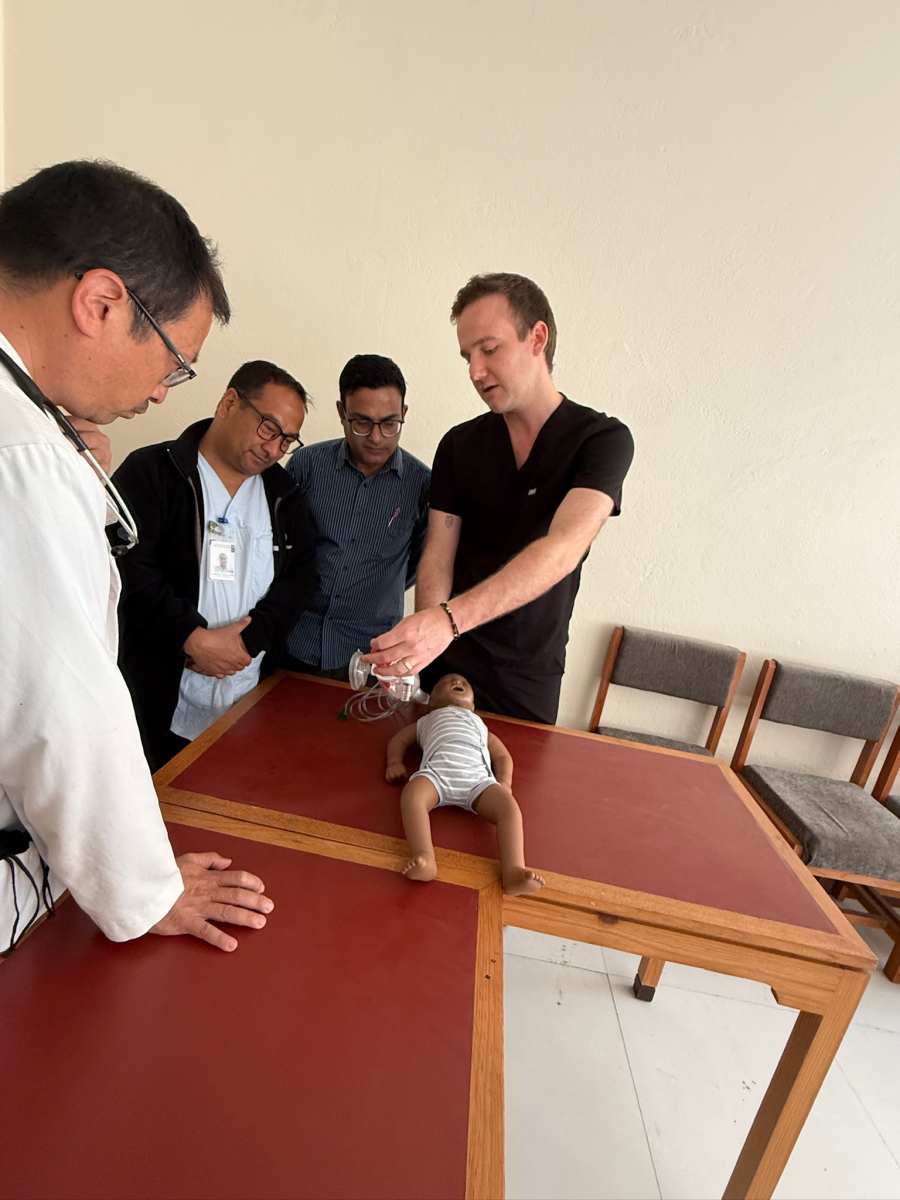


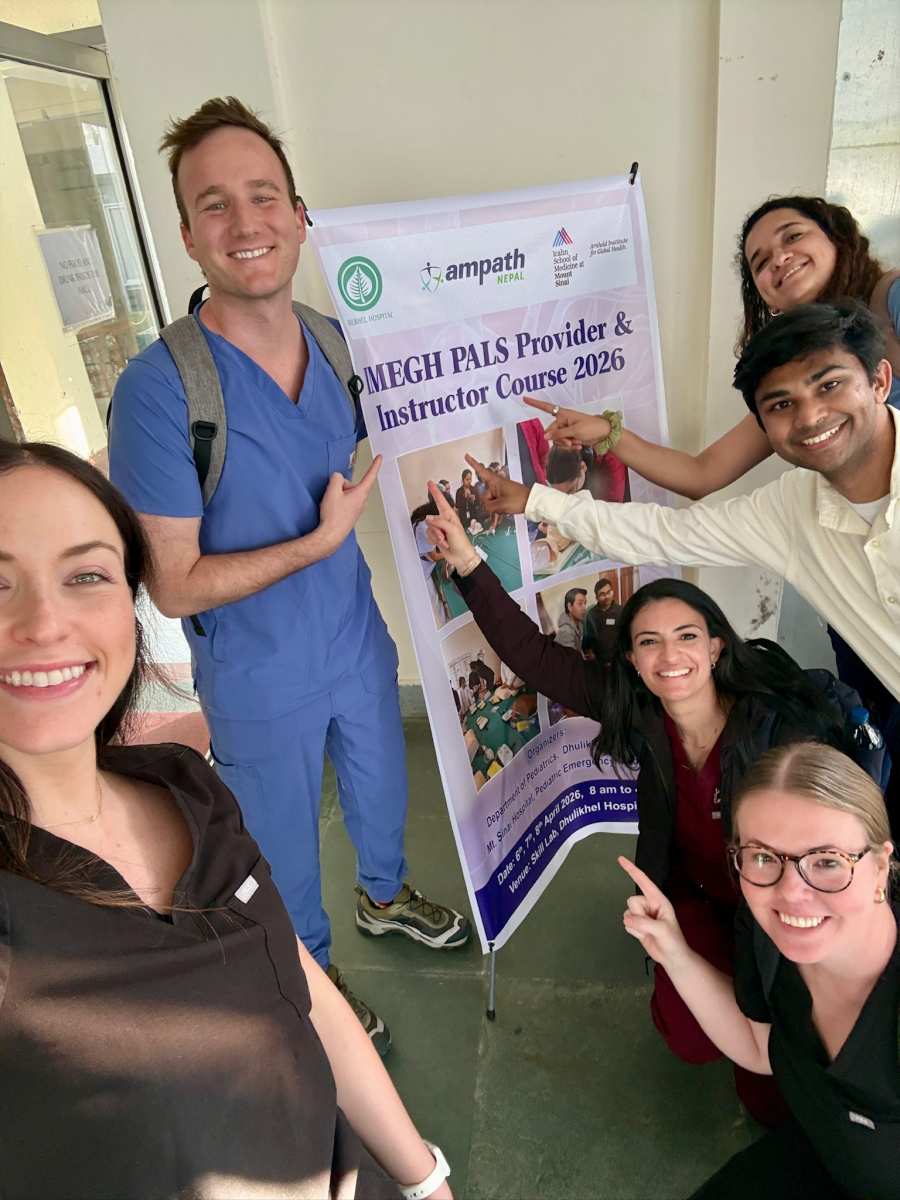




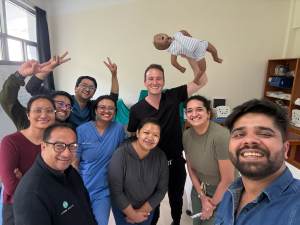

This past month, I had the opportunity to travel to Dhulikhel Hospital in Nepal as part of an IMEGH PALS global health mission with a group of colleagues. The goal was straightforward but meaningful, to address a gap in pediatric resuscitation training in a self sufficient way.
Before we arrived, the majority of pediatric doctors and nurses at Dhulikhel Hospital had not been trained in PALS. For a hospital serving a large and underserved catchment area, that's a significant vulnerability. It's not because the clinicians aren't skilled, but because structured resuscitation training simply hadn't been accessible to them.
Part of what makes that gap so persistent is the way PALS has traditionally been delivered. The American Heart Association model is excellent, but it was designed for a specific context that assumes resources, infrastructure, and cost structures that just don't exist in most low-income settings. Expensive proprietary materials, complex logistics, and ongoing licensing fees make it functionally out of reach for many hospitals across the globe.
Something had to fill that space, and that's where the IMEGH PALS model comes in.
IMEGH PALS was originally developed out of Africa specifically to address this mismatch. It preserves the core science and clinical framework of PALS but restructures the delivery model to be feasible in resource-limited environments. It's been used successfully across multiple African settings, and this trip was about bringing that same model to Nepal.
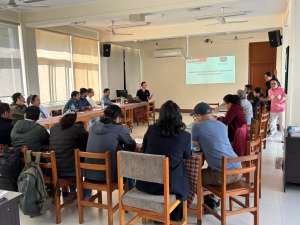
We ran the mission over three days. On the first day, we taught a PALS provider course. Day two shifted gears entirely: we ran a PALS instructor course, focused on adult learning principles and the nuts and bolts of simulation design. The idea was to not just teach content, but to teach people how to teach it. On the third day, we put that to the test as we supported the newly trained instructors as they ran their first provider course with our supervision and guidance.
By the end of the three days, we had certified 58 IMEGH PALS providers and 16 IMEGH PALS instructors. Those 16 instructors are the part we are most excited about. They're not going to stay at Dhulikhel and the plan is for them to take this training out to the smaller district hospitals in the region and deliver provider courses there. The hope is that this becomes a locally sustainable model that doesn't depend on outside groups.
There's still a lot of work to do, and sustainability is always the hardest part to get right. But leaving Nepal with a trained local instructor pool felt like a genuinely different kind of outcome than just delivering a one-time course, and I'm hopeful about what comes next. It was a truly life changing experience and I am excited for similar opportunities in the future.