I have been invited to serve as a faculty educator at an international pediatric surgery conference focused on improving childhood cancer care in low-resource settings. As a senior surgeon and internationally recognized expert in Wilms tumor, my role will be to provide dedicated teaching on the surgical management of pediatric renal tumors, with an emphasis on evidence-based decision-making, risk stratification, and adaptation of treatment pathways in resource-limited environments.
At this conference, I will volunteer my time to deliver didactic lectures, case-based discussions, and small-group teaching sessions tailored to pediatric surgeons, trainees, and early-career faculty practicing in low- and middle-income countries. My teaching will integrate current international protocols with pragmatic strategies for settings where access to chemotherapy, radiotherapy, pathology, and intensive care may be limited.
Beyond formal teaching, I will participate in mentorship sessions with early-career surgeons and researchers, offering guidance on clinical decision-making, program development, and research collaboration. This engagement aims to strengthen global capacity in pediatric surgical oncology while fostering long-term professional relationships that extend beyond the conference.
The primary beneficiaries of this project are pediatric surgeons, surgical trainees, and early-career faculty working in resource-limited settings who care for children with Wilms tumor and other solid malignancies. Many of these clinicians have limited access to subspecialty training in pediatric surgical oncology, despite managing complex oncologic cases in their daily practice.
By providing targeted education and mentorship, this project will directly enhance their clinical confidence, surgical planning, and ability to deliver safe, effective care within local constraints. Indirectly, children with Wilms tumor and other pediatric solid tumors will benefit through improved surgical decision-making, reduced complications, and better integration of surgery into multidisciplinary cancer care.
The conference also provides a platform to elevate the voices of clinicians from low-resource settings, ensuring that their experiences and challenges inform global standards and collaborative efforts in pediatric oncology.
The expected impact of this project is both immediate and long-term. In the short term, participants will gain practical, context-specific knowledge in the surgical management of Wilms tumor, including timing of surgery, operative techniques, complication management, and coordination with oncology teams. These skills are directly transferable to clinical practice upon return to their home institutions.
In the longer term, this engagement will help build a global network of pediatric surgeons committed to improving outcomes for children with cancer. By mentoring early-career surgeons and fostering research and educational collaborations, the project supports sustainable capacity building rather than one-time knowledge transfer.
Lessons learned from teaching in diverse settings will also inform my ongoing academic work, helping refine international guidelines to better reflect realities in low-resource environments. Ultimately, this project advances equitable pediatric cancer care by sharing expertise, strengthening mentorship, and supporting the next generation of global surgical leaders.
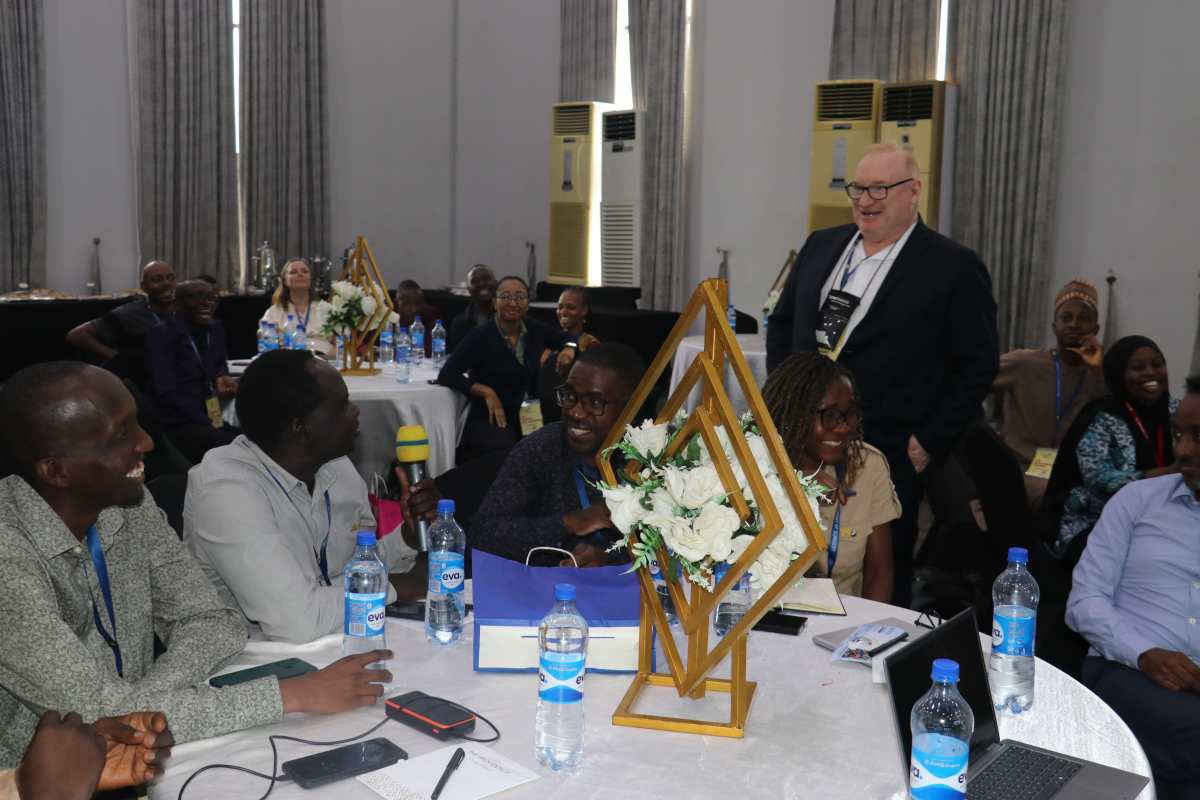
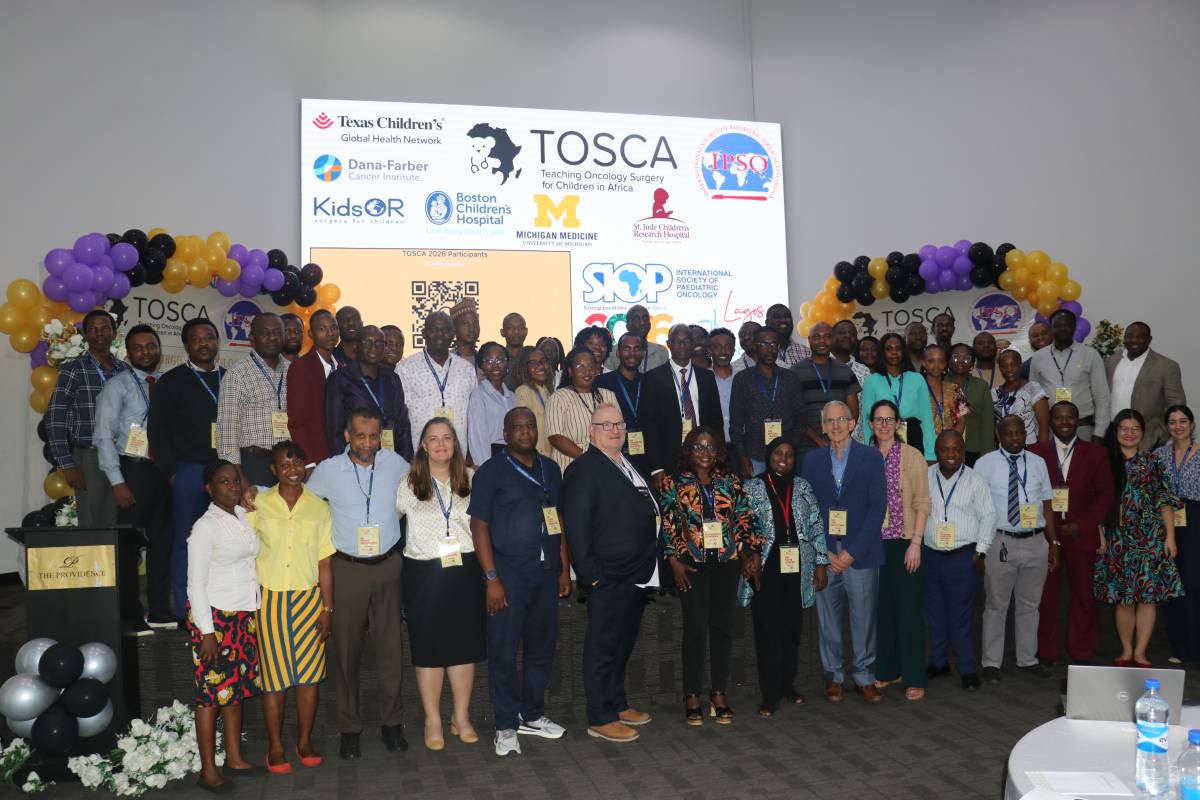
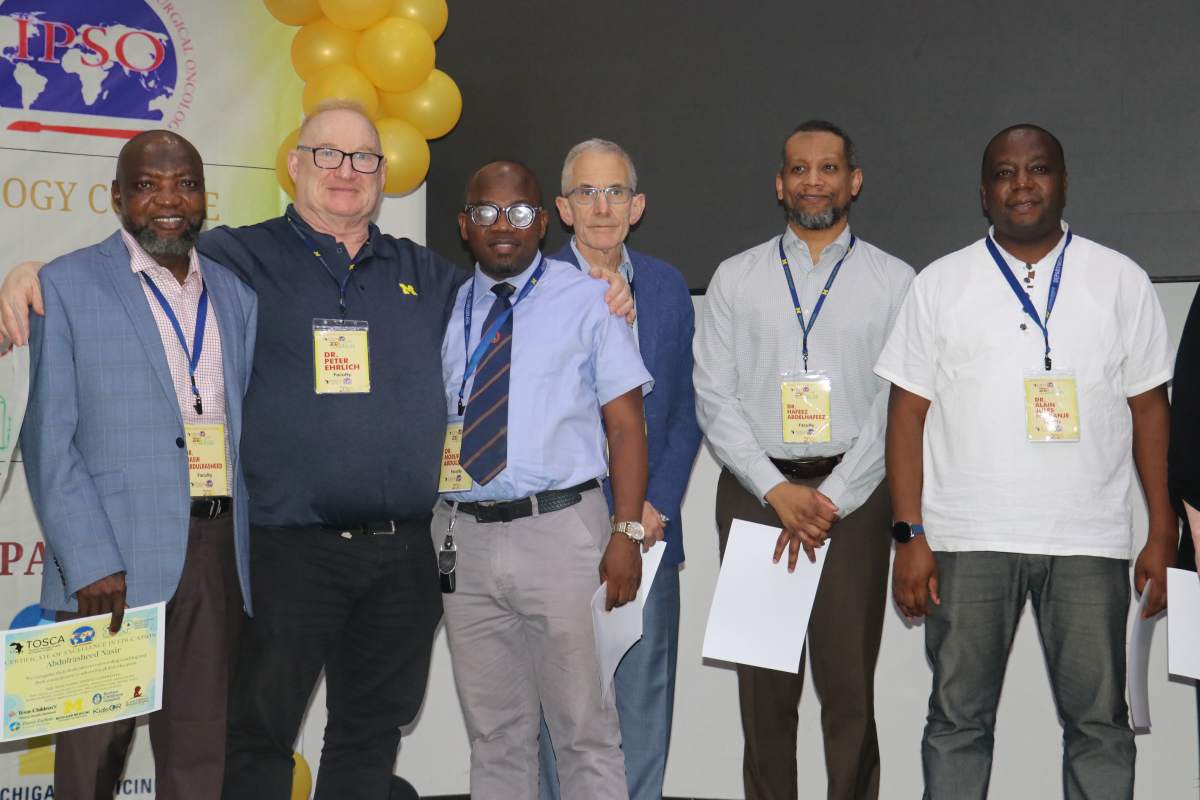
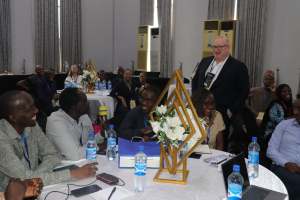
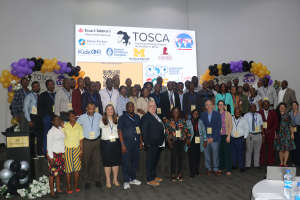
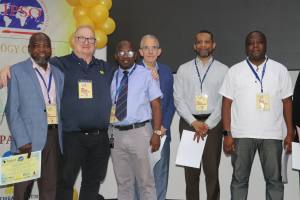
My trip was amazing and inspirational. I am a pediatric surgeon with a long-standing interest in pediatric surgical oncology. I was invited by a nonprofit group called TOSCA – Teaching Oncology Surgery for the Children of Africa. TOSCA was developed and is run by four pediatric surgeons based in Rwanda, Malawi, and Tanzania. The course took place in Lagos, Nigeria. They are supported by a few global pediatric funds. The course was for soon-to-be graduates and recent pediatric surgeons in Africa who treat children with cancer. As opposed to North America, the outcomes for children with cancer in Africa are far worse. TOSCA was able to fund close to 50 future and current pediatric surgeons to come to this two-day course, where ideas were exchanged and problem-solving took place. Topics included traditional pediatric tumors, but also developing a research program and creative ideas to manage cancer and surgery in low-resource settings. The faculty who participated were an equal mix of North American and African surgeons. Among the countries represented were Nigeria, Ghana, Malawi, Tanzania, Zambia, Uganda, South Sudan, Kenya, South Africa, Niger, Liberia, Burundi, and Angola. When one considers the number of young surgeons in attendance and the countless children and families they will serve throughout their careers, the ripple effect of this single course is truly immeasurable.