Our project brings a multidisciplinary group of emergency medicine providers from Mount Sinai Hospital in New York City to Dhulikhel Hospital in Nepal, an established partner site, to deliver a modified Pediatric Advanced Life Support (PALS) course using the low-resource curriculum developed by the Initiative for Medical Equity and Global Health (IMEGH).
In 2024, our team successfully certified 14 local medical providers in American Heart Association (AHA) PALS at Dhulikhel Hospital. As these certifications expire after two years, there is a critical need for renewal to maintain essential pediatric resuscitation skills. This project will renew training using a context-appropriate, low-resource PALS model designed for settings with limited equipment and staffing.
Beyond certification renewal, our primary focus is sustainability. We will implement a “train-the-trainer” model, identifying and mentoring local clinicians to become instructors who can independently teach future courses and lead refresher trainings. The curriculum emphasizes high-yield pediatric resuscitation principles, team-based care, and rapid decision-making using resources that are realistically available in this setting.
This initiative will strengthen pediatric emergency care capacity at a regional referral center serving a large pediatric population and surrounding rural communities. By building local expertise and teaching infrastructure, this project reduces reliance on visiting teams and creates a durable, self-sustaining educational program that supports long-term improvements in pediatric emergency outcomes and advances global health equity.
his project will directly benefit pediatric patients and frontline healthcare providers at Dhulikhel Hospital (DH), an independent, not-for-profit academic teaching hospital in the Kavrepalanchok District of Nepal that serves a catchment area of approximately 2.5 million people. DH is a core component of AMPATH Nepal and Kathmandu University School of Medical Sciences and functions as a regional referral center for critically ill children.
DH has a dedicated pediatric department and treats more than 200 pediatric patients per month in its emergency department. Compared to pediatric emergency departments in the United States, children presenting to DH have significantly higher acuity. Approximately 90% of pediatric patients evaluated in the DH emergency department require admission, and more than 40% require care in the Pediatric Intensive Care Unit or High Dependency Unit. In contrast, U.S. pediatric admission rates average 15–20%, with only 2–5% requiring intensive care.
The primary beneficiaries are the children and families who rely on DH for emergency and critical care, many of whom have limited access to alternative healthcare facilities. Secondary beneficiaries include local physicians, nurses, and trainees providing frontline pediatric care in a high-acuity, resource-limited setting.
PALS-trained providers improve outcomes not only through clinical algorithms, but through systems-based care, role clarity, closed-loop communication, and effective team leadership during pediatric emergencies. These skills are especially impactful in high-acuity environments, where coordinated responses and efficient use of limited resources can be lifesaving. By strengthening team-based resuscitation practices and maintaining PALS-equivalent training, this project directly addresses the needs of a high-risk pediatric population.
The expected impact of this project is both immediate and durable. In the short term, pediatric and emergency care providers at Dhulikhel Hospital will strengthen their ability to recognize and manage critically ill children through renewed, context-appropriate PALS training. This builds on a highly successful 2024 training at Dhulikhel Hospital, after which providers reported increased confidence in pediatric resuscitation and have expressed strong interest in recertification and further advanced training.
Beyond individual skill acquisition, this project emphasizes systems-based improvement. PALS training reinforces standardized approaches to pediatric emergencies, role clarity, closed-loop communication, and effective team leadership. These principles are especially impactful in a high-acuity, resource-limited setting, where coordinated responses and efficient use of available resources can be lifesaving.
A central focus of this project is sustainability. Through a structured train-the-trainer model, selected local clinicians will be mentored to become instructors capable of independently delivering future PALS-equivalent courses and refresher trainings. Educational materials and simulation frameworks adapted for low-resource environments will remain at Dhulikhel Hospital, enabling continued skills reinforcement without reliance on visiting teams.
As a regional referral and teaching hospital, Dhulikhel Hospital trains future physicians and nurses, allowing these learnings to extend beyond immediate participants. By building local expertise, leadership, and teaching capacity, the impact of this project will continue to grow long after the visiting team has returned, ensuring lasting improvements in pediatric emergency care.
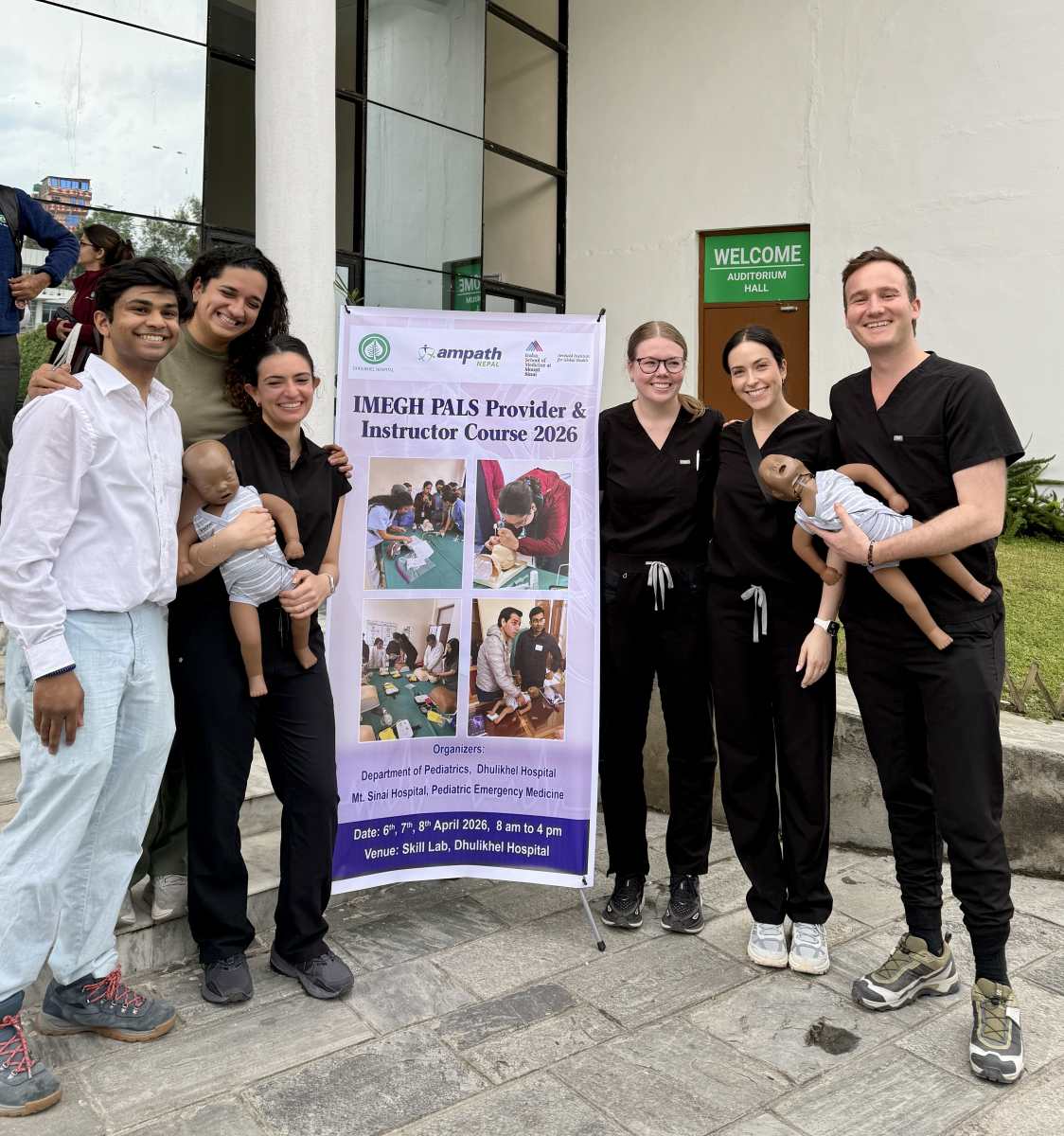
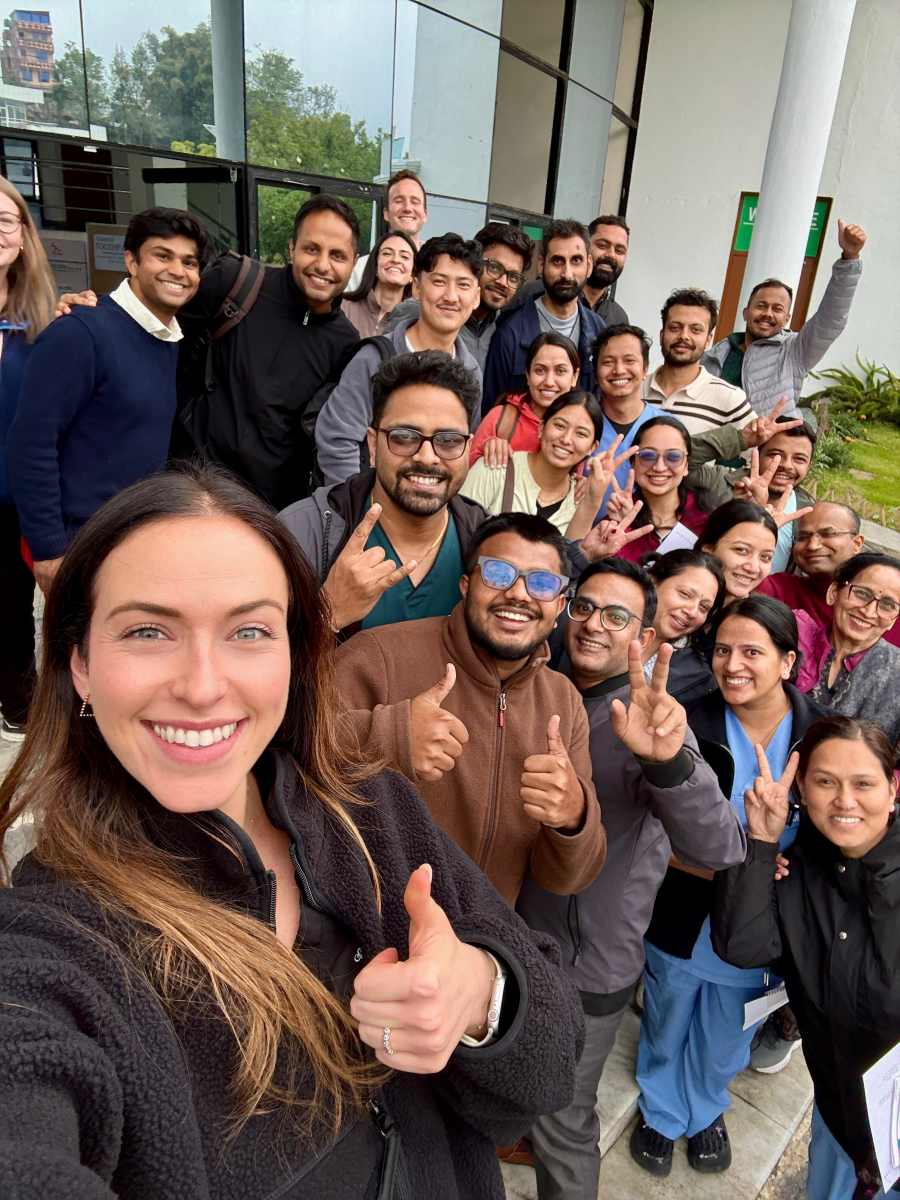
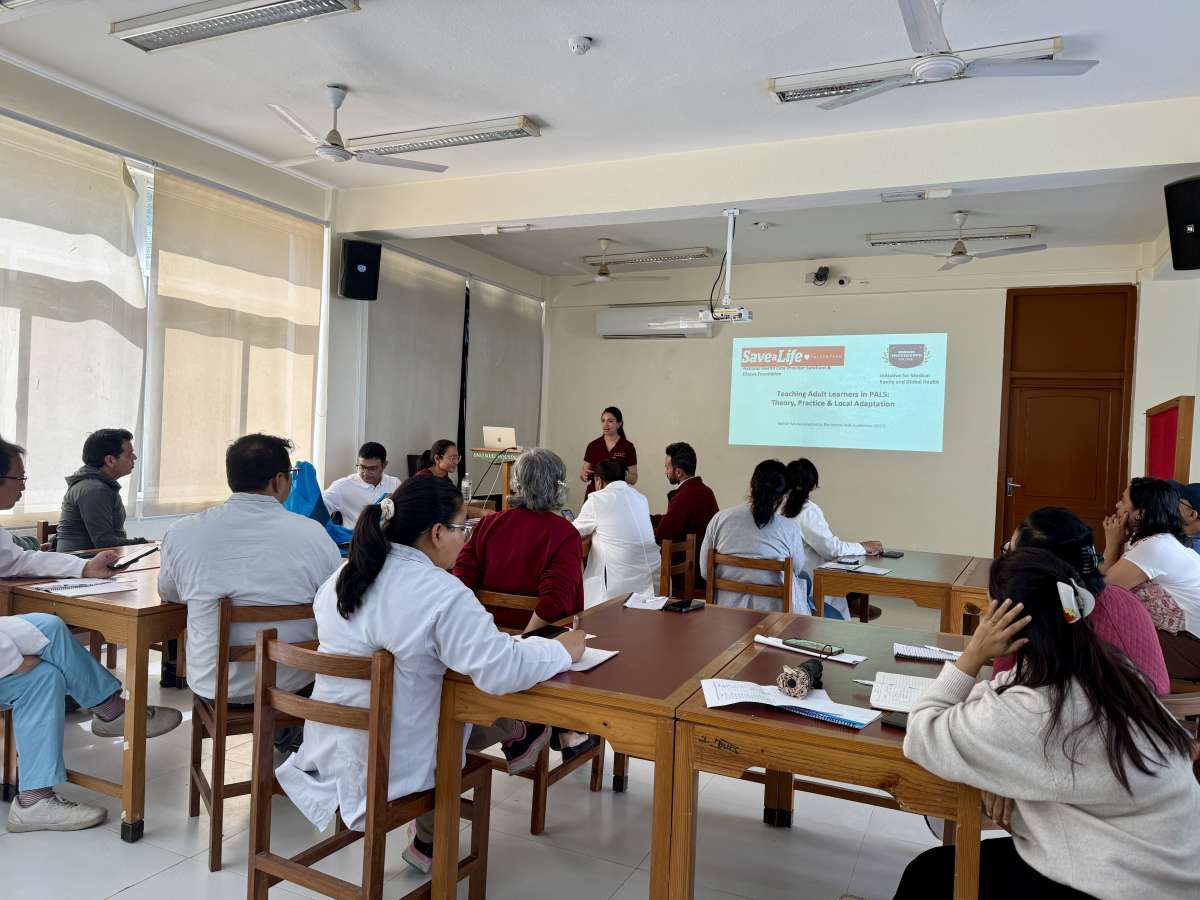
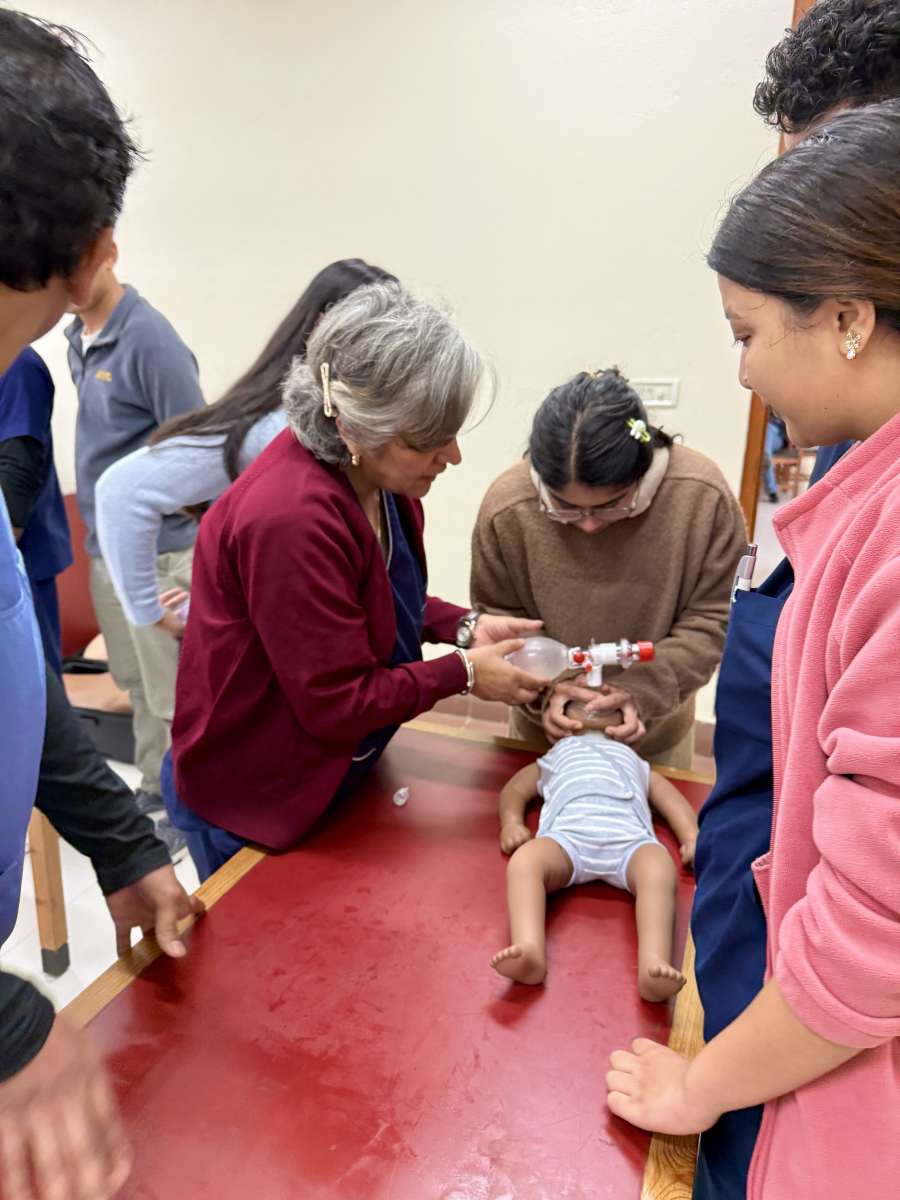
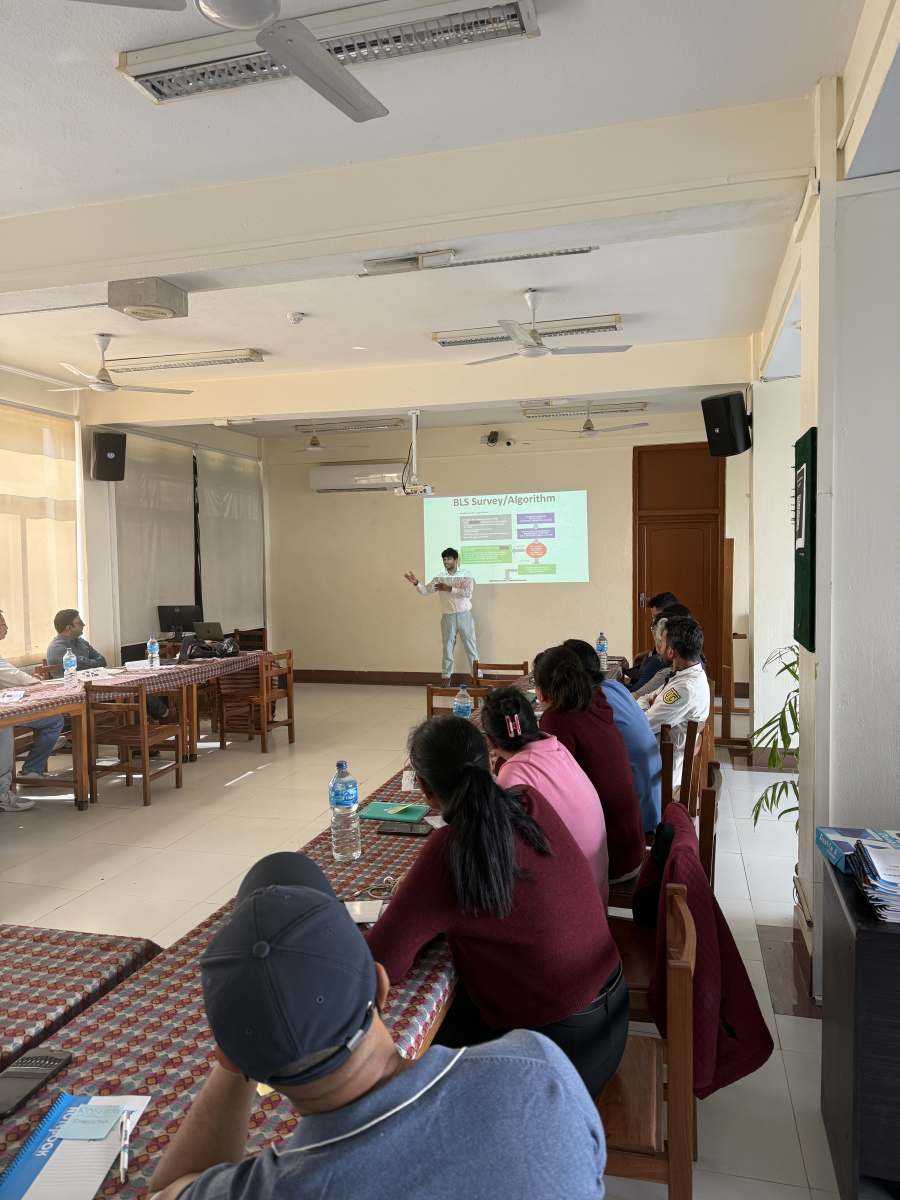
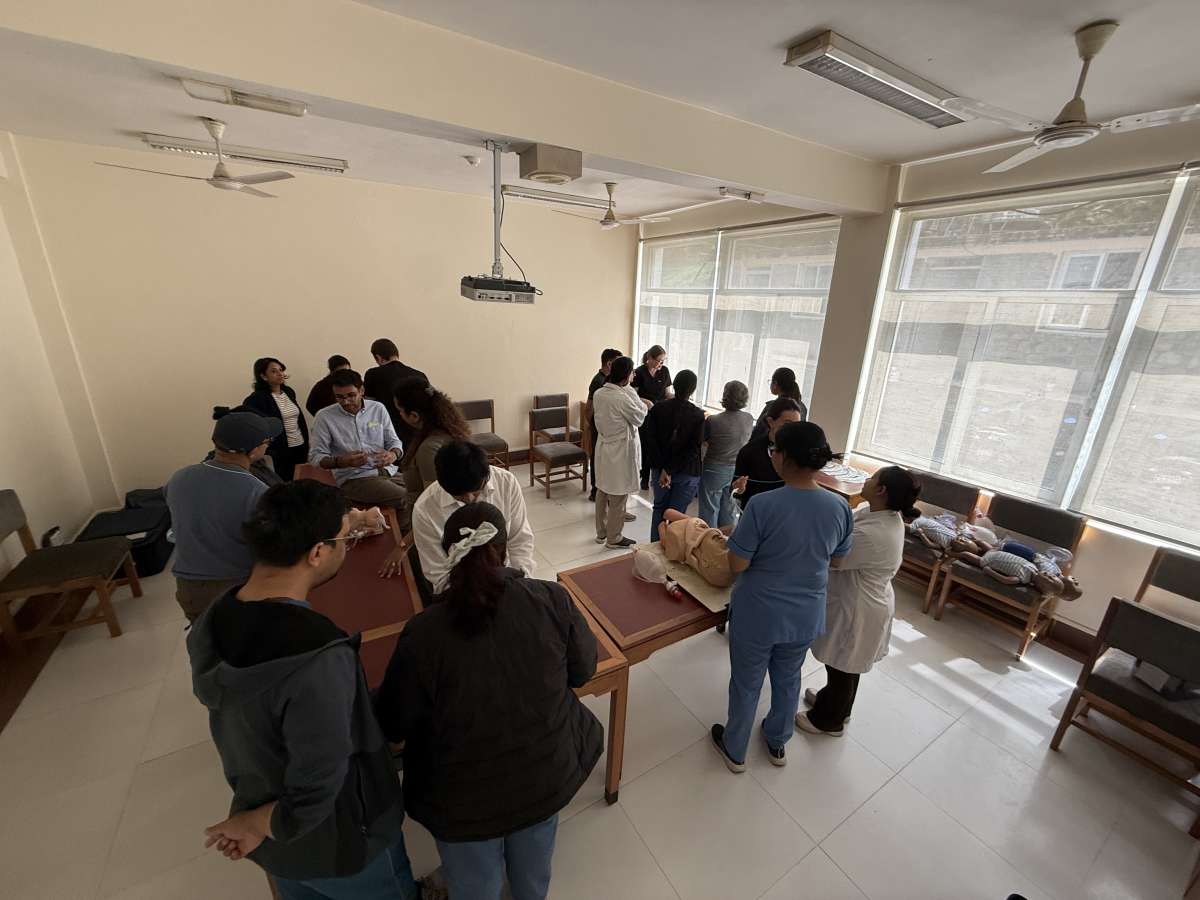
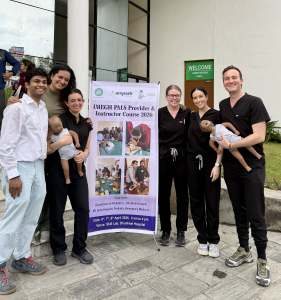
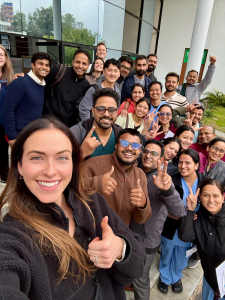
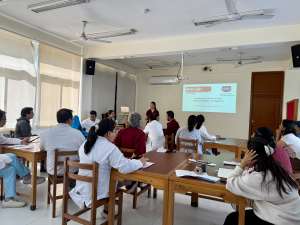
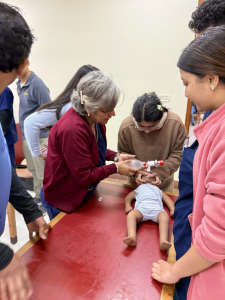
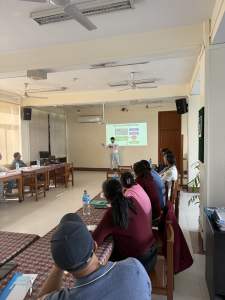
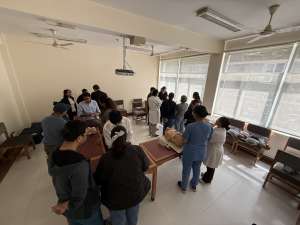
This trip had a meaningful impact on both the local healthcare providers we worked with and the patients they serve. Through our lower-resource–adapted IMEGH PALS program at Dhulikhel Hospital, we certified approximately 60 providers, including physicians, nurses, and EMTs, equipping them with practical, life-saving skills tailored to their clinical environment. In addition, we trained 17 of these participants as instructors, who then went on to help teach a subsequent provider course during the same visit. This “train-the-trainer” model is critical for sustainability, empowering local clinicians to continue delivering high-quality resuscitation education independently and expand the program’s reach over time. Ultimately, the greatest impact will be seen in improved recognition and management of critically ill children, benefiting countless pediatric patients and families across the region.