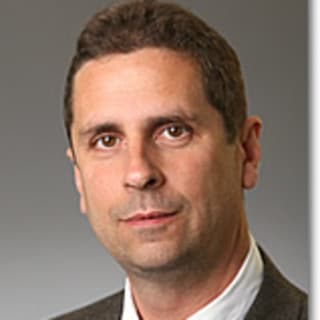
Hand Surgery clinical and surgical care and teaching of residents, faculty and hand therapists
Population of Tanzania who don't have access to advanced care for complex hand problems
Education of the Plastic Surgery group will hopefully allow them to provide ongoing care of these complex patients even after I complete the assignment with virtual consultations and support from me
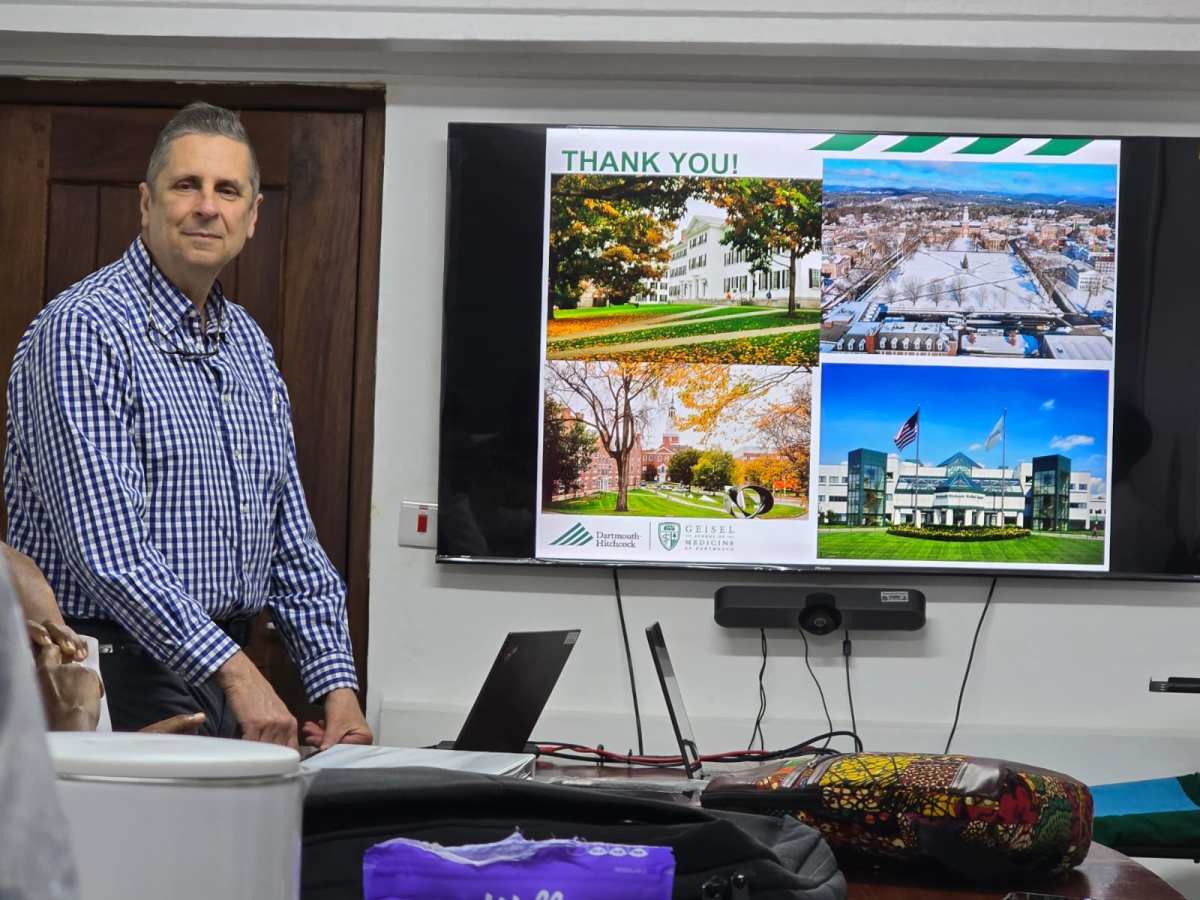
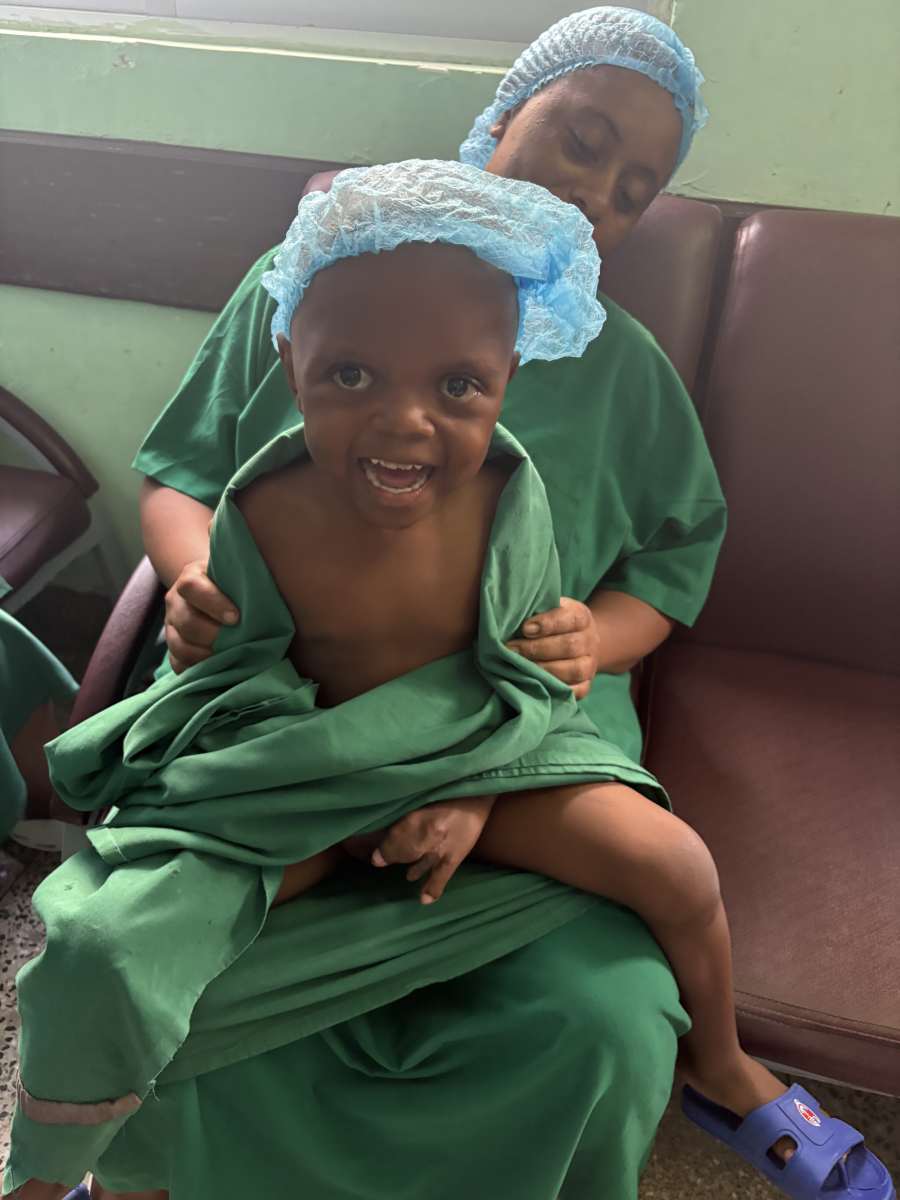
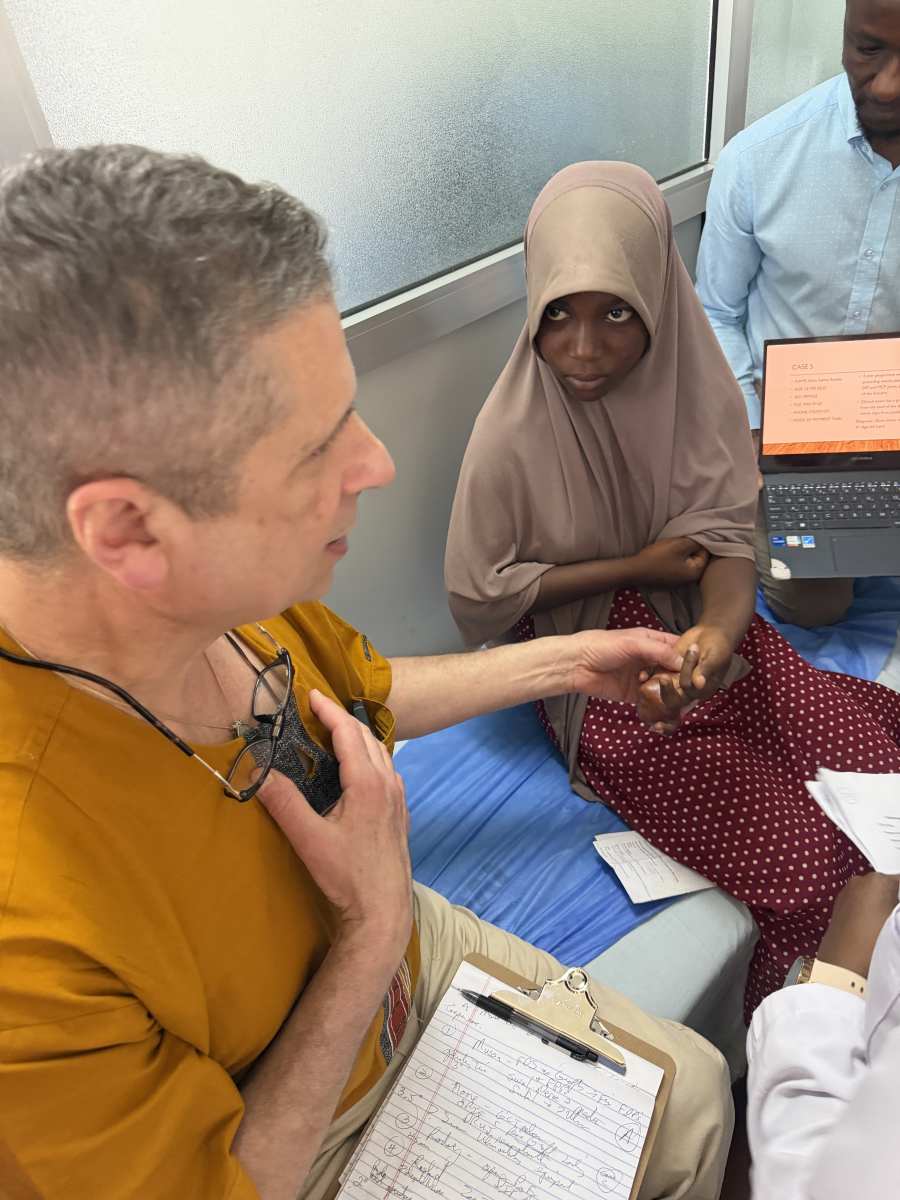
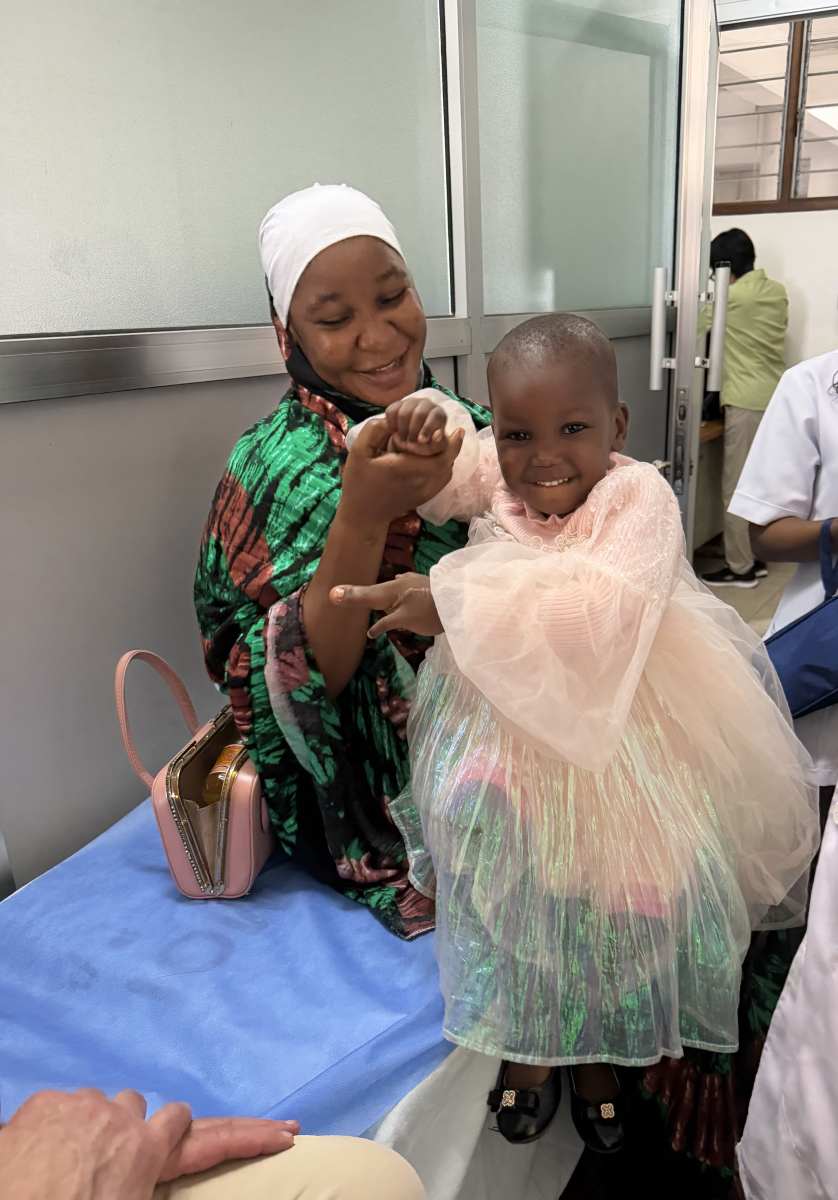
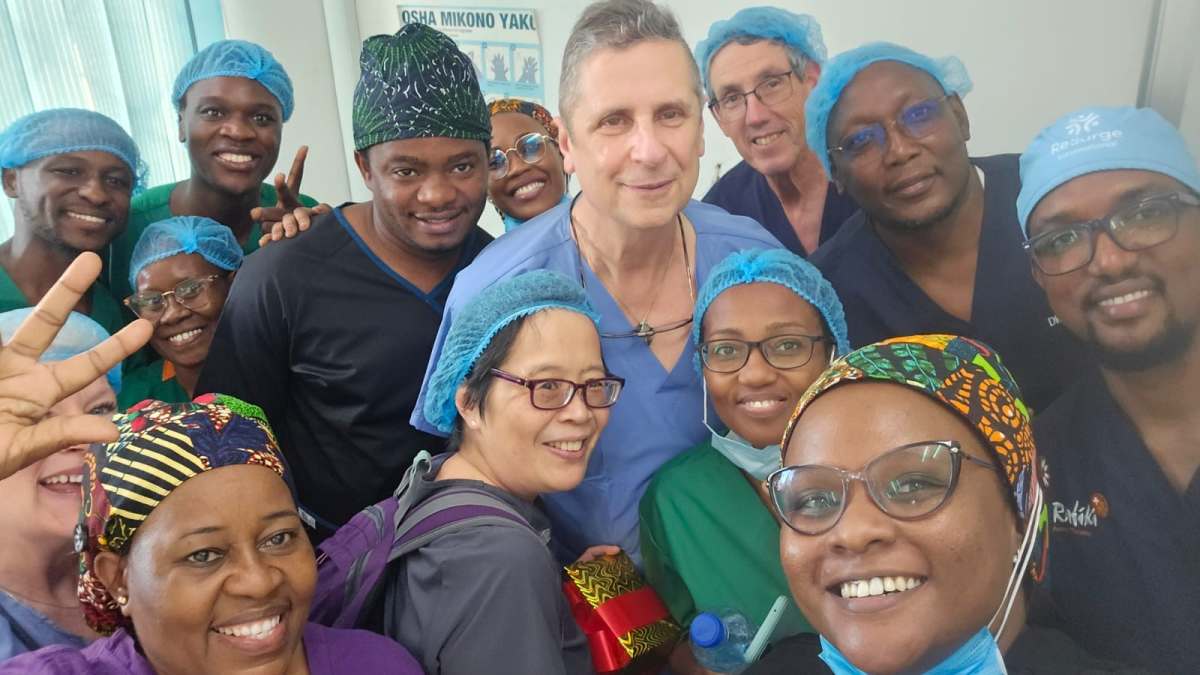

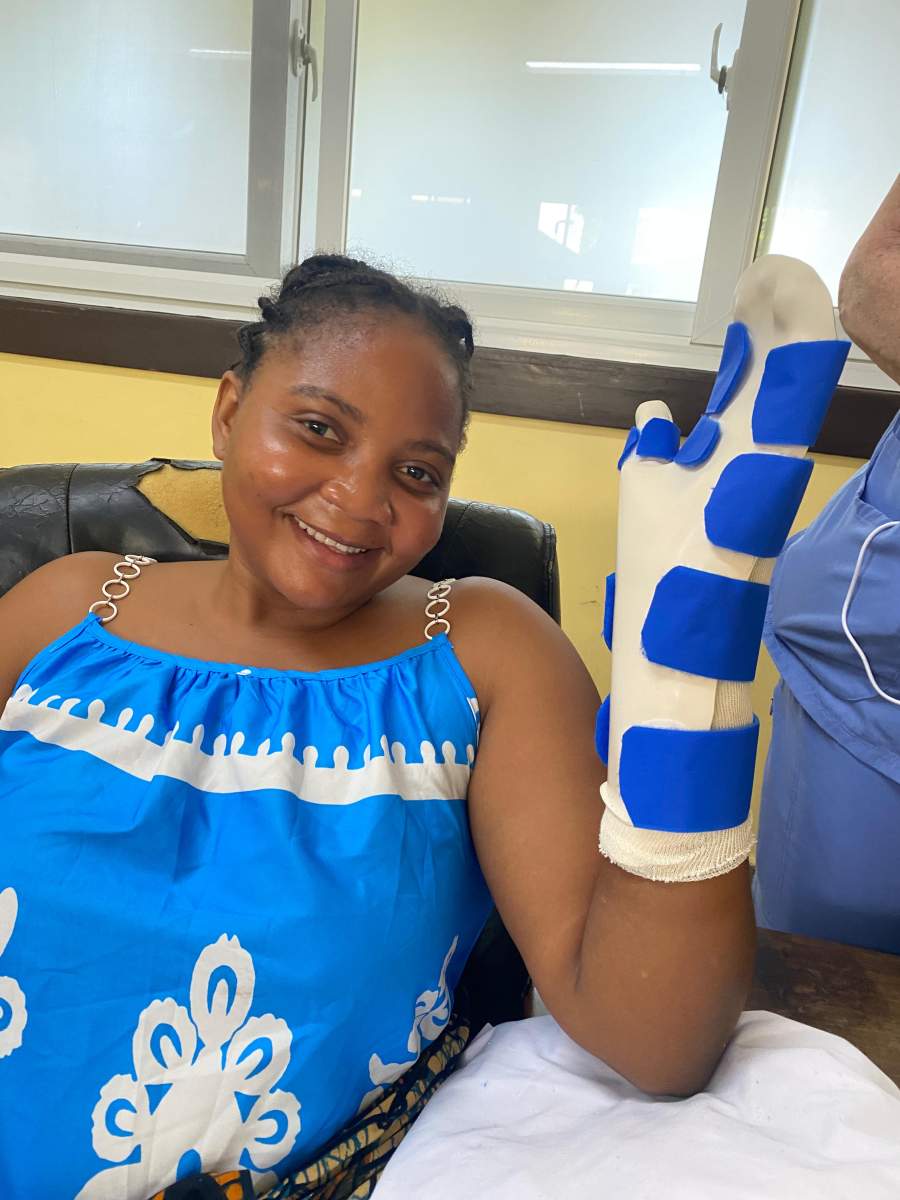
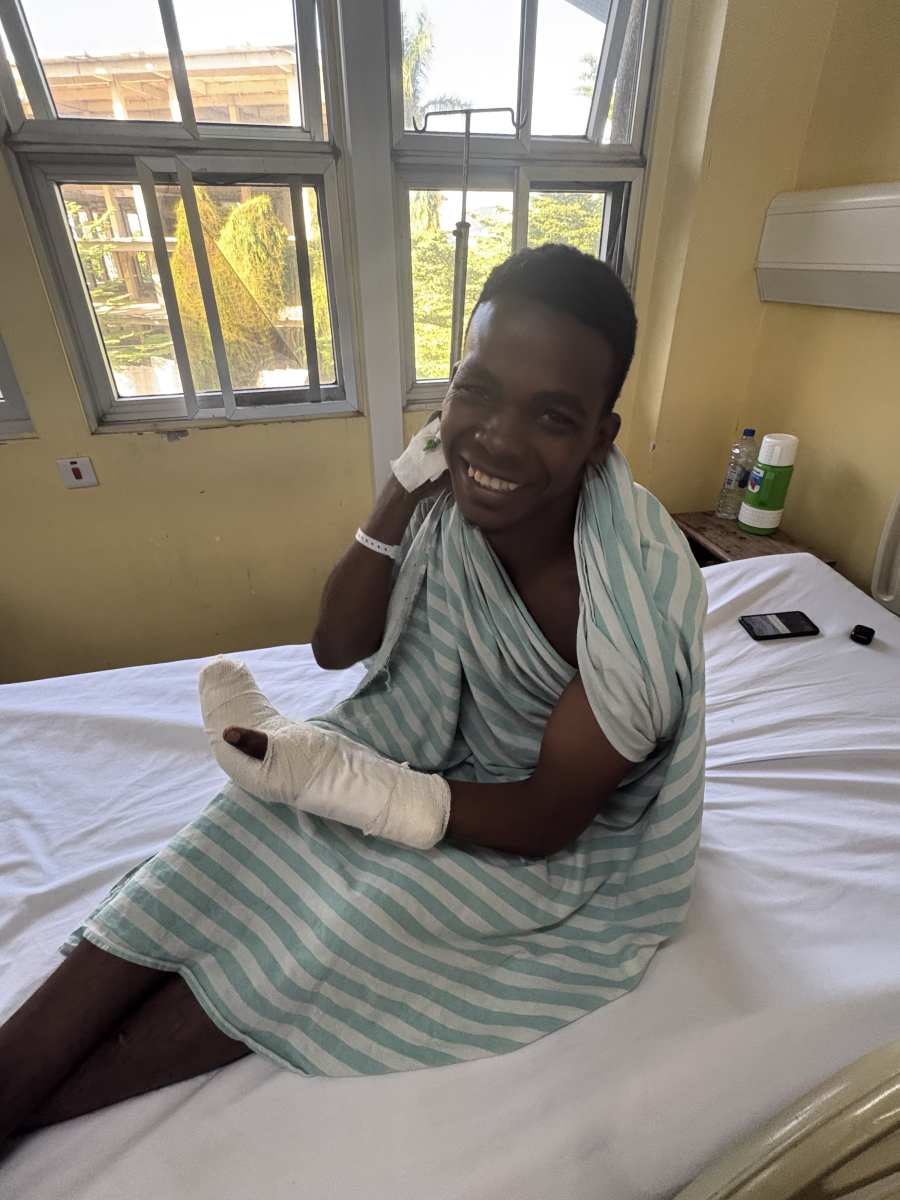
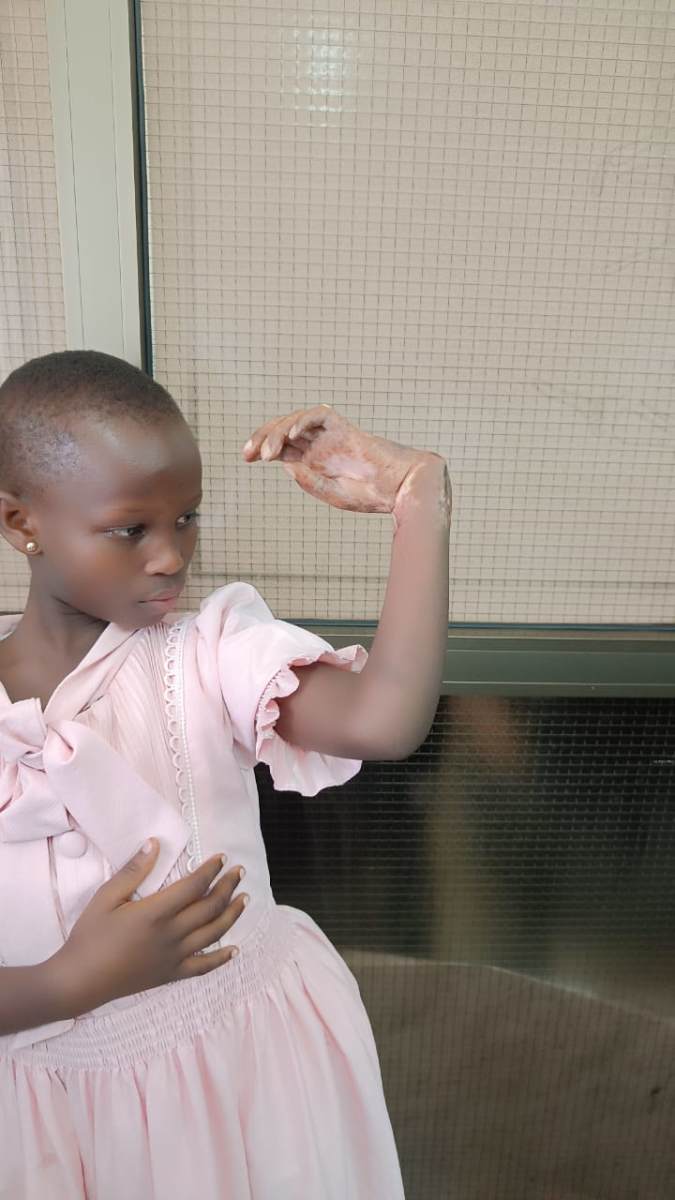
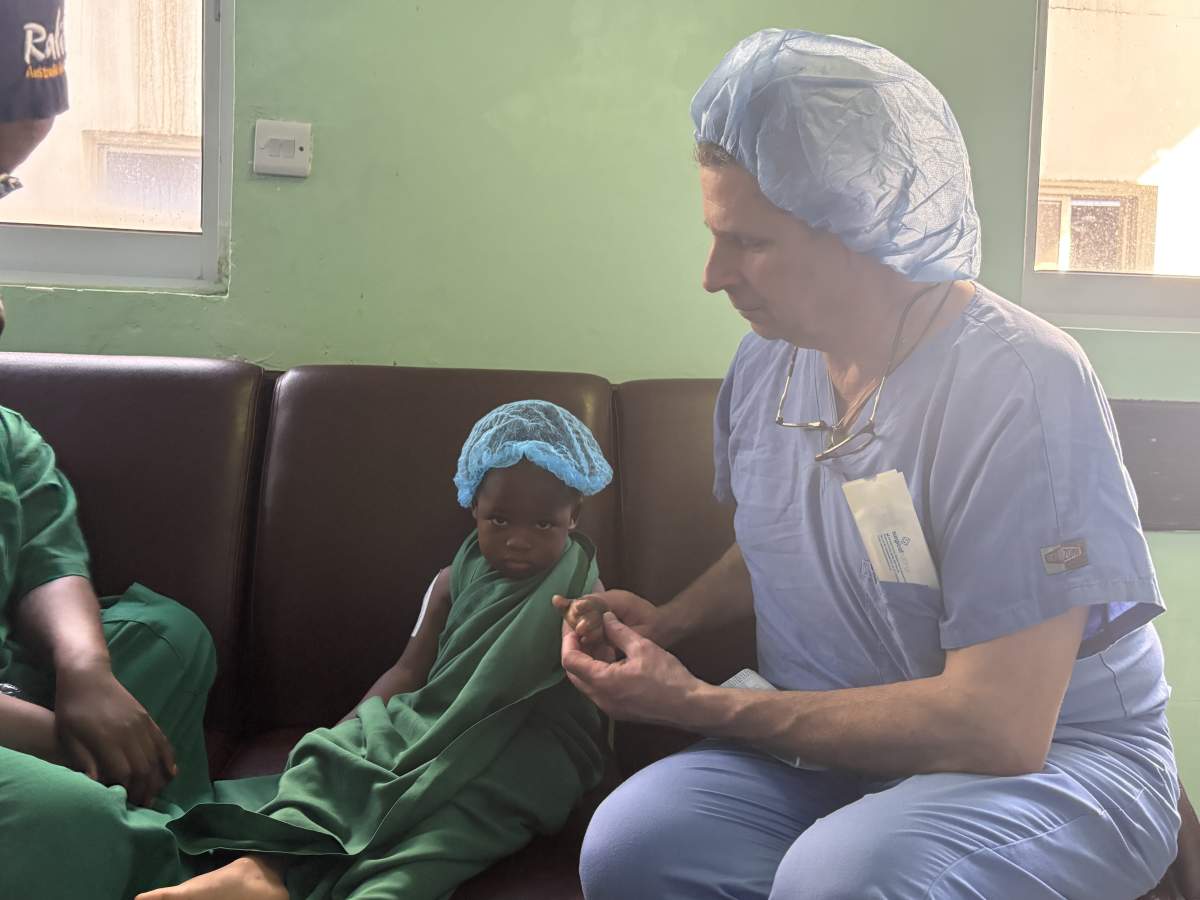
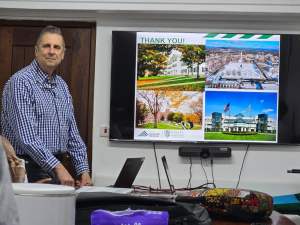
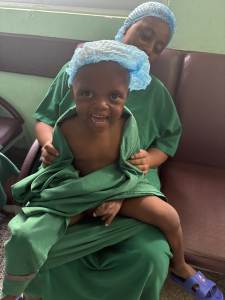
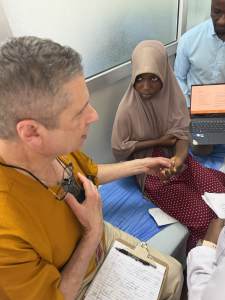
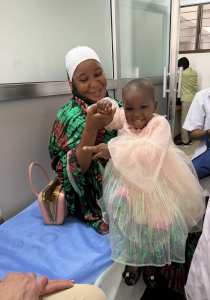
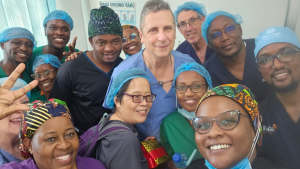

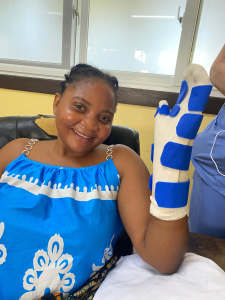
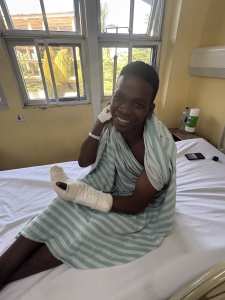
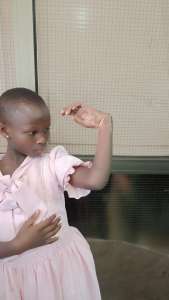
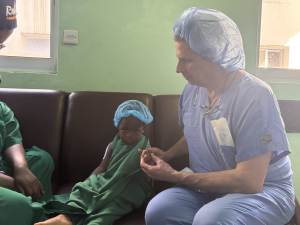
I traveled from my home institution, Dartmouth Hitchcock Medical Center(where I serve as the Division Chief of Hand Surgery in the Department of Orthopaedic Surgery) in Lebanon, New Hampshire, to Muhimbili National Hospital in Dar es Salaam,Tanzania in April 2026 for a hand surgery mission trip. This trip was sponsored by ReSurge, a grant from the American Association for Hand Surgery(AAHS), Doximity Foundation, and the Department of Orthopaedic Surgery at Dartmouth Health. I visited this institution on two prior occasions as a member of a team of surgeons, but this time I went as the sole surgeon. Regardless, I knew that I have a network of colleagues back in the USA available to provide advice if needed.
One of my goals for this trip was to help the local team manage some very complicated hand and upper extremity problems including congenital differences, sequelae of burns to the hand and upper extremity, tumors, chronic nerve and tendon injuries, and fracture non-unions. Since I would only be there for a limited period of time, it was important for me to assess and enhance the skill set of the local team to enable them to manage these patients on their own in the future. Our patients came from various regions of Tanzania and during my days in the operating room, together we were able to perform many complex hand surgery procedures while training the local surgeons in the techniques that I use in my hand surgery practice in the United States.
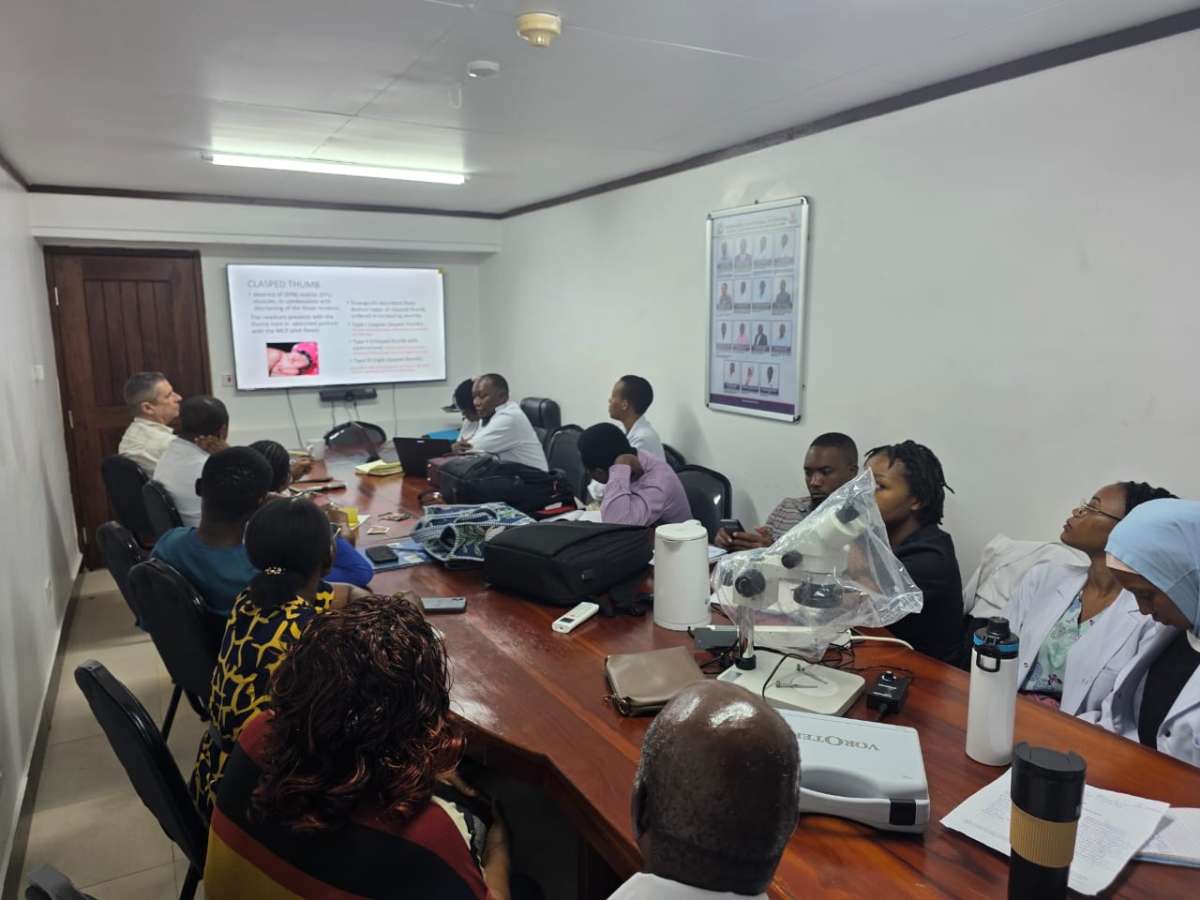
Another important goal of this mission was also to provide education to the local Plastic Surgery faculty, residents, and fellows. The learners also included members of the Department of Orthopedic Surgery, and we were occasionally joined by medical students from Germany as well as the local hand therapists and physical therapists.
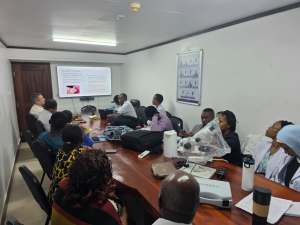
Didactic education was done in conjunction with the members of the Departments of Plastic and Orthopaedic Surgery, and with the local Hand Therapists. Our formal daily teaching sessions started at 6AM and included interactive didactic lectures, cadaver surgical demonstrations and anatomic approaches, and clinical teaching in the outpatient office setting, on the wards, and in the operating room. Our postoperative ward rounds generally followed our surgical day and they frequently went well into the evening.
Over the past two years, I’ve gotten to know the majority of the faculty, fellows, and residents. I found joy in the fact that their knowledge and skills in the realm of hand surgery has dramatically improved since I was first there in 2024 and they continue to make progress. They are enthusiastic about making the most of my time with them and they are great at self advocating for their own education. I told them that they now feel like my second residency program and I’ve certainly have developed deep connections with many of them. It is gratifying to see that most of them are considering a career in hand surgery.
Dr. Hellen of the Orthopaedic Surgery Department spent a lot of her time with our Plastic Surgery team on a volunteer basis and she brought a different patient care perspective to the team. This allowed us to model collegial collaboration across Hand Surgery specialties which will serve to improve the quality of patient care and education in the future. The enthusiasm and hospitality of the local faculty, especially Dr. Adelaida and Dr. Ibrahim and their trainees, made us feel welcome throughout our time there. I even managed to learn a little bit of Swahili.
We were able to screen many complex patients in the clinical setting on my first day at Muhimbili. We did not have enough time to operate on everybody that needed care, but we selected the most time sensitive and difficult problems to manage during my time there. We also developed surgical plans for many of the patients who would be operated on by the local team after I left. It seemed like my visit was too short and we spoke about ways of extending the trip to spend more days during future visits.
I would be remiss in not acknowledging several colleagues who joined me on this trip from different parts of the United States. We met each other for the first time during an online pre-trip planning conference and we worked well together throughout our visit. Joining me on this trip was Dr. Marty Clayman, an anesthesiologist from California. We were also fortunate to have two experienced hand therapists join us, Nancy Chee and Christine Miller. Marty provided valuable education for the anesthesia staff during his time there, and Nancy and Christine spent a lot of time taking care of our patients postoperatively as well as teaching the local hand therapy staff. They clearly had a major impact on many patients, but most notably they treated a man who had bilateral arm amputations who was unable to even feed himself until our therapists equipped him with adaptive devices, which suddenly transformed the quality of his life. I learned early in my hand surgery training that our good outcomes are predicated on the symbiotic relationship we have with our hand therapists, and Nancy and Christine‘s work demonstrated that to the local faculty at Muhimbili.
We also were able to identify many needs in the operating room regarding specific equipment which would allow us to better perform complex procedures in the future. An example of this are the lack of organized hand trays which could provide easy access to the specialized instruments needed for most hand surgery procedures. They are not reliably available and the equipment available was often not optimal for hand surgery procedures. Another example of this is the need for Hunter rods for reconstruction of chronic tendon injuries. They are not currently available at that institution but they are very necessary in that clinical setting. Since my return from this mission, I’ve been working to identify surgical vendors in the United States who are willing to provide equipment donations for future missions.
I made time to speak with their leadership and Dr Adelaida about future program development, including formation of a southeast African Hand Surgery Fellowship program to be based in Dar es Salaam in which I would potentially serve as adjunct faculty and possibly incorporate a rotation for the hand fellows at my home program at Dartmouth. Another part of advocacy that I found to be beneficial was mentoring and advising the current Plastic Surgery fellows and residents regarding obtaining Hand Surgery Fellowships in other countries in the near future. We discussed developing an opportunity for a hand surgery “observership” for their residents and fellows at Dartmouth.
Trips like this are very valuable to me because they rekindle that spirit of service and excitement that drew me to my hand surgery vocation over 40 years ago. Although I realize that I bring value regarding patient care, education, and program development, I have always felt like I’ve personally benefited more from the experience than I’ve given. I’ve heard those same sentiments expressed by other medical professionals who have done these type of mission trips. Through the sponsorship of groups like Doximity, the AAHS, Dartmouth Health, and ReSurge, a profound impact can be made in places like Tanzania that not only can help the existing patients but also contribute to the training of future generations of surgeons in southeast Africa and Tanzania in particular. I left rejuvenated and optimistic about the future of hand surgery and the quality of care provided to the patients of Tanzania.