We aim to partner with pediatricians at Dhulikhel Hospital (DH) to develop a Pediatric Advanced Life Support (PALS) instructor course tailored to the hospital’s patient population and available resources (e.g., medications, equipment, personnel). This train-the-trainer initiative will empower local physicians to become PALS instructors, creating a sustainable model for pediatric resuscitation education. While American Heart Association (AHA)-based PALS has reduced pediatric mortality in the U.S., success in Nepal depends on contextual adaptation. Our approach is inspired by the Initiative for Medical Equity and Global Health (IMEGH), a cost-effective, physician-led program that provides relevant resuscitation training and builds local instructor capacity in Rwandan hospitals. Mount Sinai physicians have collaborated with IMEGH to refine pediatric content and support local implementation. We now plan to pilot the first IMEGH-based PALS instructor course outside of Africa, aligning with AMPATH’s mission to reduce child mortality by sustainably strengthening local emergency pediatric care.
Pediatric mortality remains a global challenge, with nearly one-third of pediatric deaths occurring within the first 24 hours of hospital presentation. This highlights the urgent need for improved pediatric emergency medicine.
DH is an independent, non-profit institution that serves a population of about 2.5 million people, providing cost-effective and high-quality healthcare services. The Emergency Department at DH sees more than 200 pediatric patients each month, with a 90% admission rate and more than 40% of children requiring admission to the Pediatric Intensive Care Unit (PICU) or the High Dependency Unit. DH physicians are highly motivated to improve pediatric outcomes through enhanced training and systems development. Our novel project aims to develop an adaptable IMEGH-based PALS instructor course (a train-the-trainer model) tailored to the local context. We propose that empowering local physicians to become certified PALS instructors will create a self-sustaining training ecosystem that is independent of U.S. assistance. These local instructors can teach others in their community, increasing the reach and impact of pediatric emergency training in Nepal.
Our project is two-fold and will take place at DH in April 2026. First, we aim to teach the previously developed IMEGH PALS course and implement iterative changes. Second, we will create and pilot a PALS instructor course. We will gather qualitative and quantitative data through direct observation of skills during simulation sessions and pre-/post-training qualitative surveys. The study population comprises 20 healthcare professionals who registered for the PALS Course and 10 pediatric healthcare professionals who registered for the PALS Instructor Course at DH. We aim to improve access to PALS training through an adapted training model. By focusing on relevant, contextual education and sustainable local empowerment, this project aims to create a model for pediatric emergency training that can be replicated in resource-limited settings. Ultimately, our goal is to reduce preventable child deaths by building long-term capacity for pediatric resuscitation in Nepal and similar health systems with constrained resources.
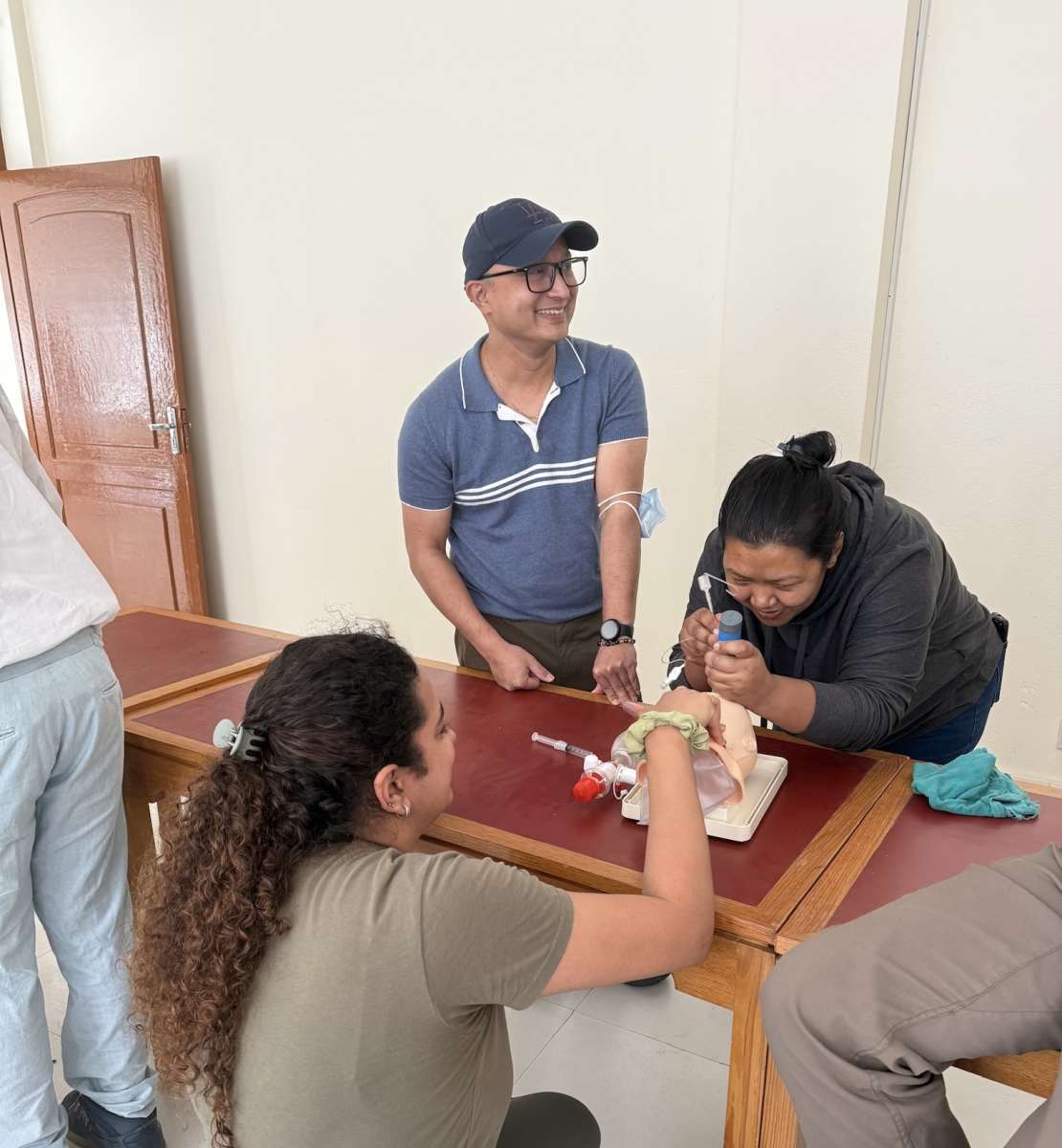
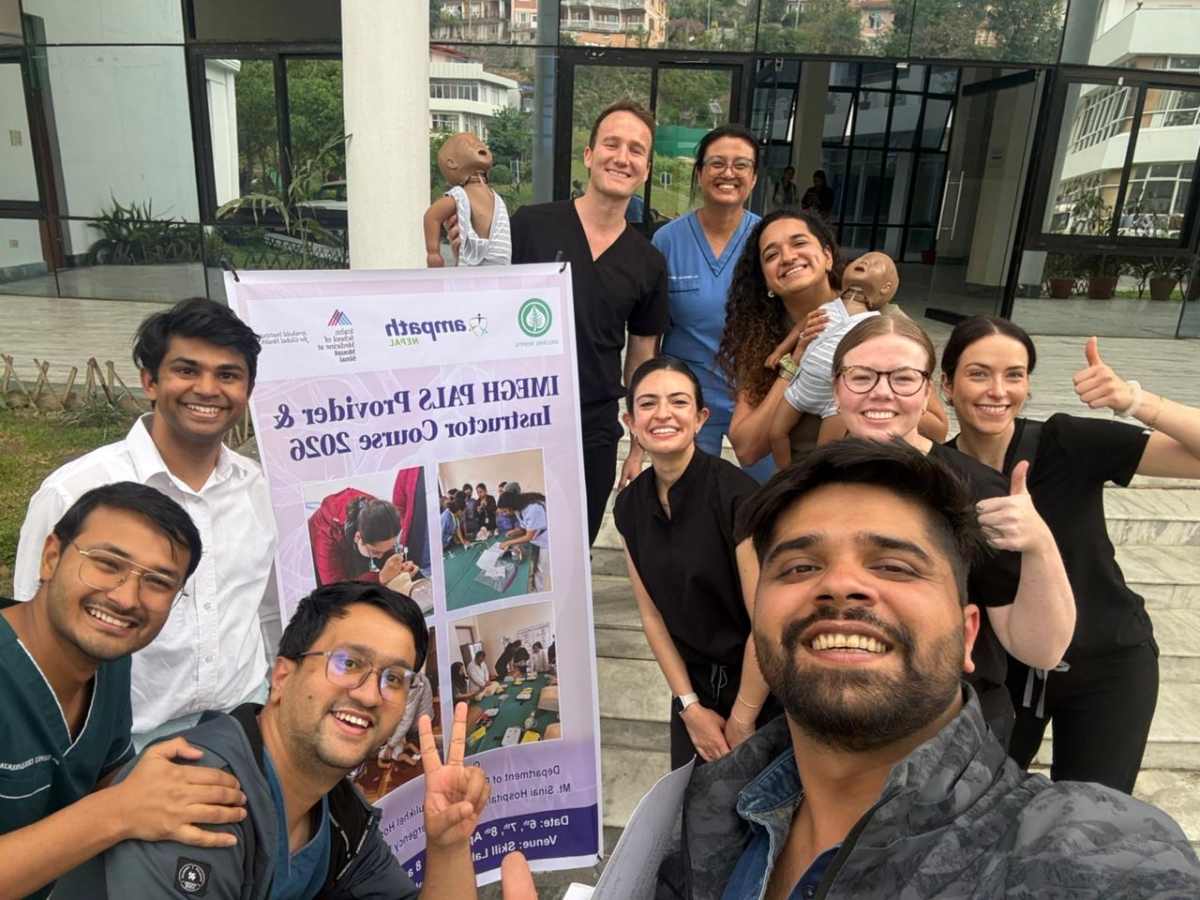
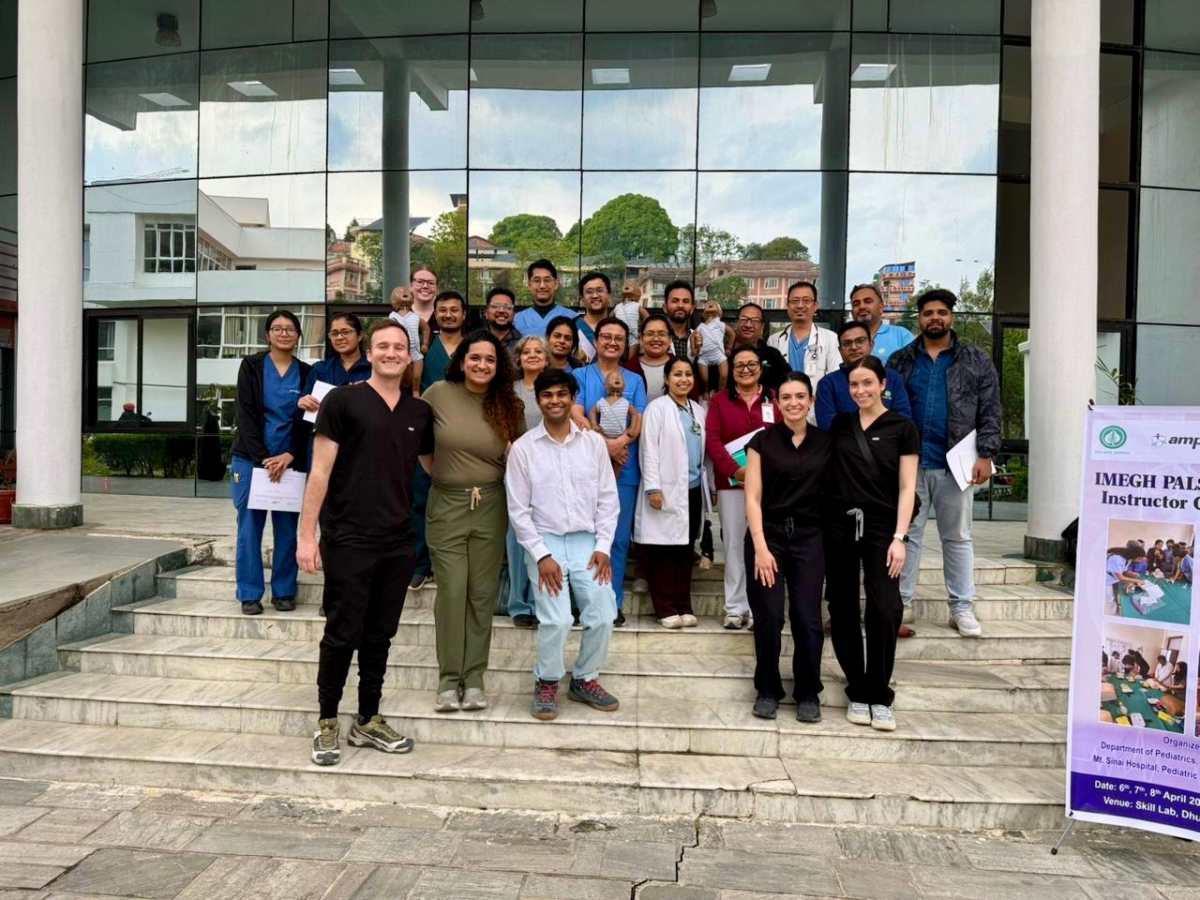
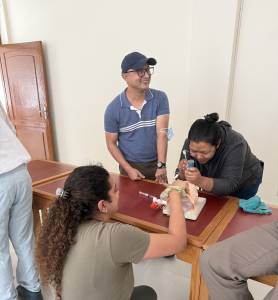
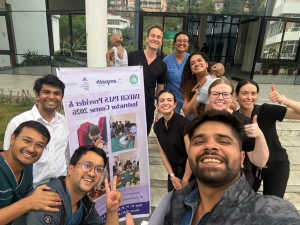
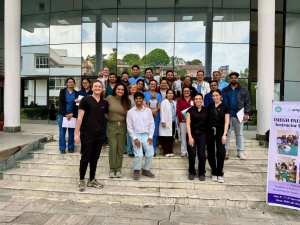
IMEGH PALS Instructor Course (Nepal)
I had the privilege of traveling to Nepal and working with the healthcare community at Dhulikhel Hospital, who have made remarkable strides in improving child health outcomes and building a medical infrastructure, all against the backdrop of a complex geography and a diverse population.
This grant-funded opportunity placed me at the heart of that progress, allowing me to participate in an IMEGH Pediatric Advanced Life Support (PALS) Instructor Course that brought together some of the most motivated and skilled clinicians in the region. This experience proved both professionally transformative and deeply humbling.
The IMEGH PALS Instructor Course was designed to train local healthcare providers not only in the clinical algorithms of pediatric resuscitation, but in the pedagogical skills necessary to teach and evaluate others. We trained 60 new IMEGH PALS providers and 17 new IMEGH PALS Instructors during our time in Nepal. Participants included physicians and paramedical staff from Dhulikhel Hospital and surrounding outreach centers; a diverse, passionate cohort united by a shared mission to strengthen pediatric emergency care from within their community.
The course emphasized simulation-based learning, debriefing methodology, and scenario design, skills foundational to building a sustainable, locally-led training workforce. Serving in an instructor-development capacity, I participated in pediatric resuscitation simulations and skills stations covering airway management, rhythm recognition, and shock management. A central theme was understanding how the core principles of pediatric resuscitation can be delivered with creativity, ingenuity, and adaptation to local contexts. Among the most inspiring aspects of this experience was learning alongside Dhulikhel Hospital's providers, who bring remarkable problem-solving ability, clinical acumen, and genuine passion to their work every day.
This experience also reinforced the importance of task-sharing and team training in global health contexts. Building a cadre of locally trained PALS instructors creates sustainable, local capacity rather than dependence on periodic visits from international educators. The train-the-trainer model has meaningful potential to improve pediatric survival outcomes.
Participation in this course deepened my clinical and educational competencies while broadening my perspective on health equity and the global burden of preventable pediatric mortality. I returned with a stronger commitment to supporting global health education initiatives and to applying a more culturally humble, context-sensitive lens to my own teaching and clinical practice.
I am grateful to the Dox Foundation Grant for making this experience possible, and I look forward to contributing to ongoing efforts that strengthen emergency care and critical care systems in resource-limited settings through future teaching partnerships, curriculum development, or advocacy for sustainable global health education models.