During my time in Rwanda, I will work at the University Teaching Hospital of Kigali and its affiliated community hospitals to support emergency medicine education through targeted, context-appropriate teaching. My primary focus will be educating medical students and residents on core emergency medicine topics that are immediately relevant to clinical care in Rwanda, including trauma resuscitation, mass casualty incident management, pediatric emergency medicine, and the initial stabilization of critically ill patients. Teaching will occur through a combination of didactic lectures, case-based discussions, and simulation-based education, with an emphasis on practical decision-making in resource-limited settings.
In parallel, I plan to learn deeply about Rwanda’s healthcare system, particularly how emergency care is delivered across urban and rural environments. Understanding the strengths and challenges of emergency medical care in both the city and countryside will allow me to tailor educational content to real clinical constraints and priorities. I also intend to pursue educational opportunities in prehospital care, an area with significant potential for growth in Rwanda. Strengthening the knowledge and skills of providers involved in early recognition, stabilization, and transport of acutely ill and injured patients can have an outsized impact on outcomes across the health system.
Through these efforts, my goal is not only to teach specific clinical topics, but also to support the continued development of emergency medicine as a specialty in Rwanda. By prioritizing interactive education, simulation, and partnership with local faculty and trainees, I hope to contribute to sustainable improvements in emergency care delivery that extend beyond my time on site.
The primary beneficiaries of this project will be the emergency department staff at the University Teaching Hospital of Kigali, including emergency medicine trainees, medical students, nurses, and technicians. While the project is aimed primarily at trainees in emergency medicine, I intentionally plan to include nurses and allied health professionals, as high-quality emergency care depends on strong multidisciplinary teamwork. Emergency departments function best when all members of the care team share a common framework for resuscitation, communication, and prioritization, particularly in high-acuity situations.
Emergency medicine is a rapidly growing field in Rwanda, and the need for well-trained emergency providers is substantial. Rwanda has a young and rapidly expanding population, with a high burden of trauma, acute medical illness, pediatric emergencies, and obstetric complications. Emergency departments are often the first point of contact for patients with life-threatening conditions, regardless of age, diagnosis, or ability to pay. Preparing clinicians to care effectively for “anyone who walks through the door” is therefore critical to improving population-level outcomes.
By focusing on emergency department staff at a major referral center, this project also has the potential for broader downstream impact. Trainees educated at the University Teaching Hospital of Kigali often go on to practice and teach throughout the country. Strengthening their clinical skills, confidence, and teaching capacity helps build a workforce that can meet Rwanda’s current and future emergency care needs.
I expect this project to have a meaningful and lasting impact on emergency medicine trainees by enhancing their confidence and competence in managing high-acuity, time-sensitive conditions commonly encountered in Rwanda’s emergency departments. The topics covered will be directly applicable to their daily clinical work, reinforcing learning through immediate relevance. Simulation-based education, in particular, will provide a safe environment to practice critical skills, teamwork, and clinical decision-making without risk to patients.
Importantly, the impact of this project will extend beyond my physical presence in Rwanda. I plan to maintain close collaboration with the University Teaching Hospital of Kigali through ongoing communication and virtual educational initiatives, including remote case discussions and simulation sessions where feasible. These continued partnerships will allow for reinforcement of core concepts, mentorship, and bidirectional learning over time.
The experience and relationships developed through this project will also inform my future work in global emergency medicine. Depending on the reception and outcomes of these educational efforts, I intend to expand similar capacity-building initiatives to other communities through future global health opportunities. Ultimately, my goal is to contribute to sustainable emergency medicine education that empowers local clinicians, strengthens health systems, and improves care for acutely ill and injured patients long after I return home.


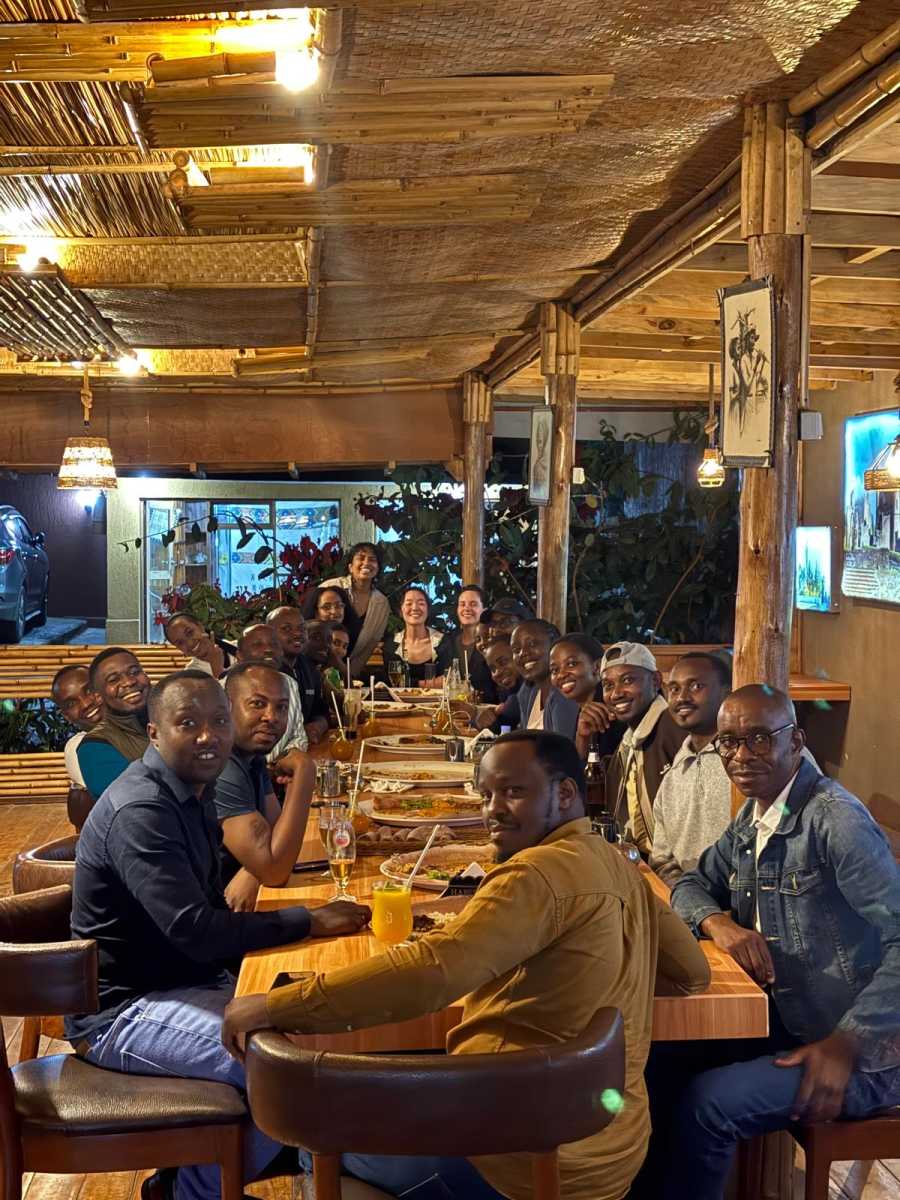

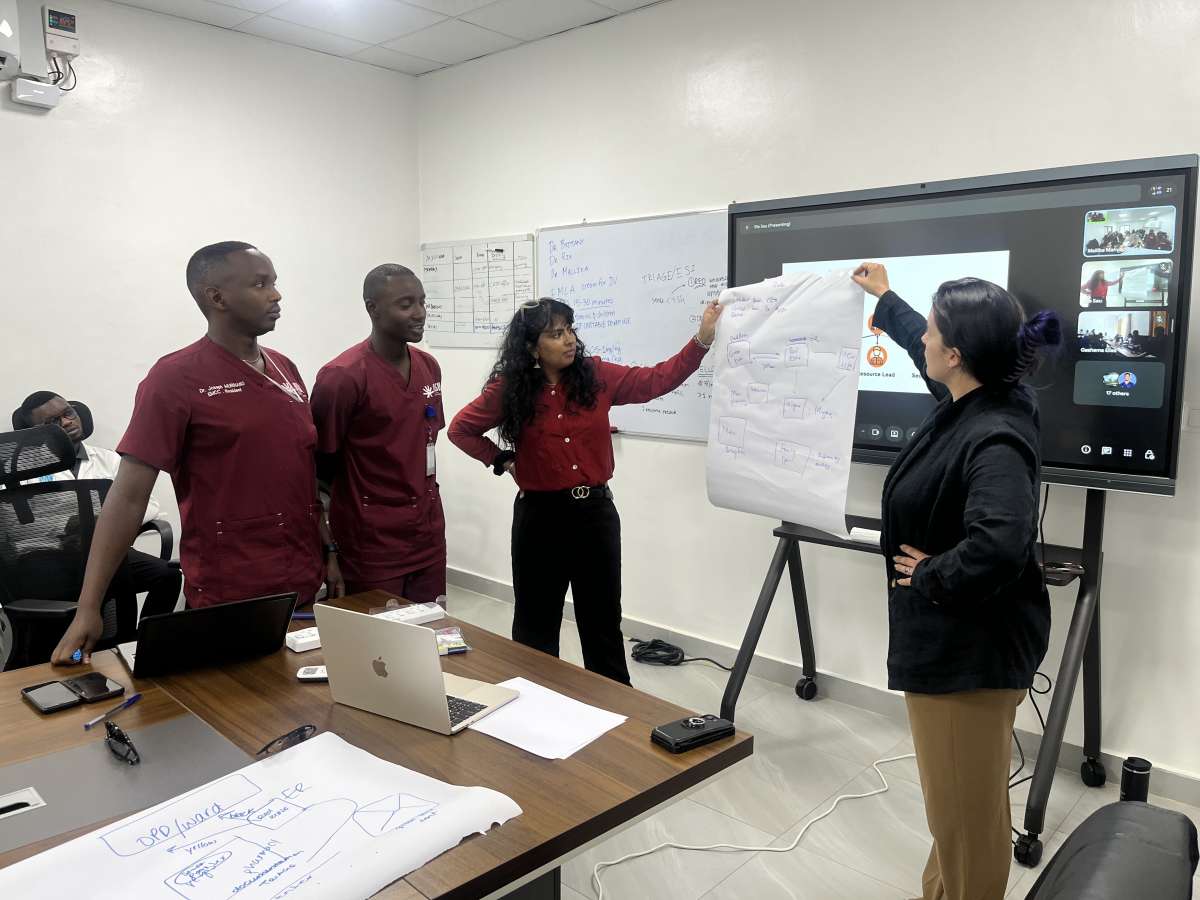


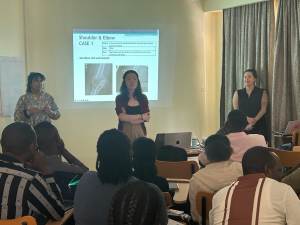

During my time in Rwanda, I had the opportunity to contribute to emergency medicine education while also learning deeply from the local healthcare system. I worked closely with residents and nurses, delivering teaching sessions on core emergency care principles and mass casualty incident (MCI) management. One of the most impactful components was facilitating hands-on simulation sessions, including an MCI scenario in the ED and a pericardiocentesis workshop, which created a collaborative environment for practicing critical, life-saving skills.
Beyond teaching, this experience significantly shaped my own clinical perspective. I observed and engaged with a wide range of healthcare settings—from public hospitals to private institutions, as well as district hospitals—each with unique resources, challenges, and approaches to care. These experiences highlighted the adaptability, innovation, and resilience required to deliver emergency care across different systems.
This trip was both an opportunity to share knowledge and to grow as a clinician and educator. The exchange of ideas, skills, and perspectives reinforced my commitment to global emergency medicine and to building sustainable, context-specific educational initiatives.