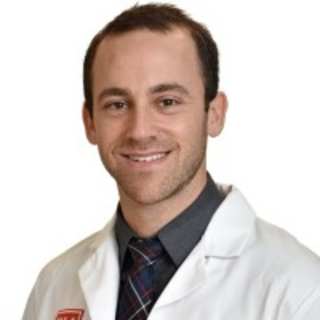
I am a Physician Assistant and current member of the Center for Ultrasound Research and Education (CURE) in the Department of Emergency Medicine (EM) at Massachusetts General Hospital (MGH). We will be teaching a multi-day point-of-care ultrasound (POCUS) course at the Komfo Anokye Teaching Hospital (KATH) in Kumasi, Ghana. KATH is one of the major teaching hospitals in the region with an EM residency program. However, there are no EM physicians present with fellowship training in emergency ultrasound.
We are planning a three-day course with didactic and hands-on training focused on broad clinical applications of bedside ultrasound specific to the needs of the Kumasi community, including the topics of cardiac, lung, aorta, biliary, deep venous thrombosis, pregnancy, renal/bladder, soft tissue, inferior vena cava, ocular, musculoskeletal, Focused Assessment with Sonography for Trauma (FAST), Rapid Ultrasound for Shock and Hypotension (RUSH), and procedural guidance.
POCUS is a safe, efficient, and cost-effective tool, especially in resource-limited settings. For example, it is highly effective in the management of emergent conditions, such as expediting the diagnosis of ectopic pregnancy, detecting intra-abdominal bleeding in trauma, or diagnosing pericardial tamponade, life-threatening conditions that are easily missed without ultrasound. In addition to these known clinical improvements in procedural safety and diagnostics that POCUS provides, emergency ultrasound is especially critical in this region as patients are often required to pay upfront for diagnostic testing such as X-ray, CT, or MRI. POCUS removes this financial barrier since it can be provided for free by emergency clinicians right at the bedside.
The Komfo Anokye Teaching Hospital (KATH) is located in Kumasi, the capital of the Ashanti region with a population of approximately 6 million people. KATH is a 1200-bed tertiary hospital with 29,000 annual visits and acts as the referral center for over 80% of the regions in Ghana. The geographic location of the hospital is uniquely placed making it accessible to all 16 regions of the country, especially those that share boundaries with the Ashanti region. This course will benefit the entirety of the emergency medicine residency as well as fellows and attendings in providing both didactic learning and hands-on experience with POCUS in identifying pathology in both stable and unstable patients. The patient population will ultimately benefit from expedited medical work up, cost-effective diagnostic methods, avoidance of costly and, at times, unnecessary imaging, and decreased exposure to ionizing radiation (X-rays and CT-scans can oftentimes be avoided completely in favor of POCUS, which uses high frequency sound waves with no known harmful effects).
This course is part of a multi-year project that began in 2019 when the KATH EM residency training program was gifted a hand-held ultrasound machine which led to critical changes in patient management. However, there was a need for further ultrasound training and education, especially in a consistent longitudinal manner. The CURE team at MGH has returned to KATH three times since 2019, most recently last year to teach a site-specific ultrasound course.
The providers and EM residents of KATH will benefit from an engaging and hands-on training course organized by a team which includes fellowship-trained educators in consecutive years—a staple of EM resident training in the United States. Therefore, this year’s course is critical in solidifying that relationship with our partners at KATH and to ensure consistent, high-quality performance of ultrasound in their day-to-day clinical activities well after our departure.
The impact of our work with the team at KATH will stretch far beyond the conference rooms and lecture halls we will be teaching in. This course is designed to enable clinicians to attain autonomy in their use of ultrasound to support their medical work-ups. A wide array of techniques will be taught and practiced in real time on actual patients on the hospital wards. This style of instruction ensures that clinicians acquire a level of competency that will allow them to use these skills to aid in their medical decision-making moving forward. Consistent use of ultrasound in their practice patterns will also empower them to introduce more junior clinicians and staff to the benefits of ultrasound.
Furthermore, we plan to continue to collaborate with our partners at KATH throughout the rest of the year with ongoing invitations to our weekly Harvard Emergency Ultrasound Conference and interval virtual lectures which cover a vast array of both introductory and advanced-level concepts and techniques specific to ultrasound. In addition, we plan to implement tele-ultrasound guidance which will allow for remote guidance, acquisition, and interpretation of ultrasound images using real-time voice and video. This will allow for expert input to guide on-site providers anytime the need arises with the ultimate goals of improving patient care and establishing clinician autonomy.
With your support, we will be better equipped to provide high-quality emergency ultrasound education, influence better patient outcomes, and further establish this longitudinal relationship with our partners at KATH. Thank you for your consideration for this travel award.
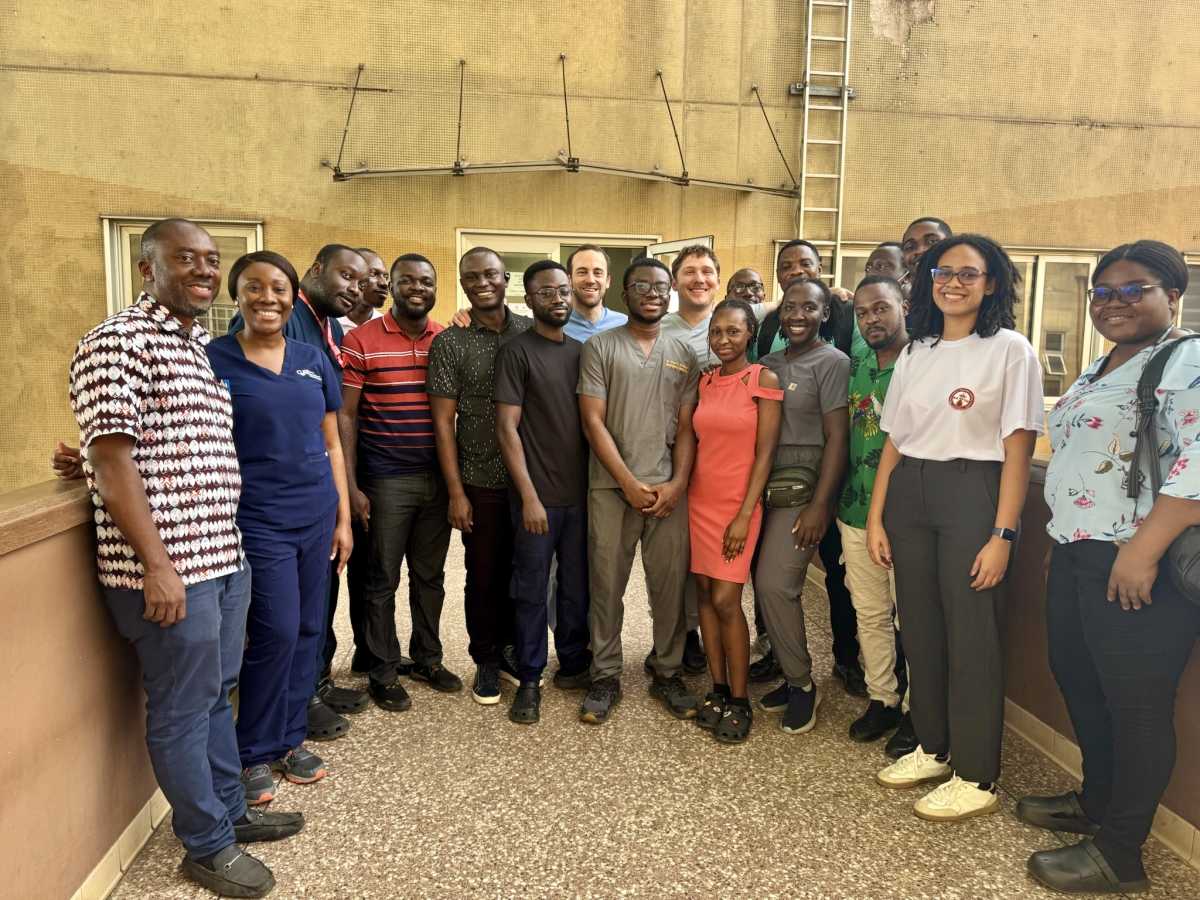
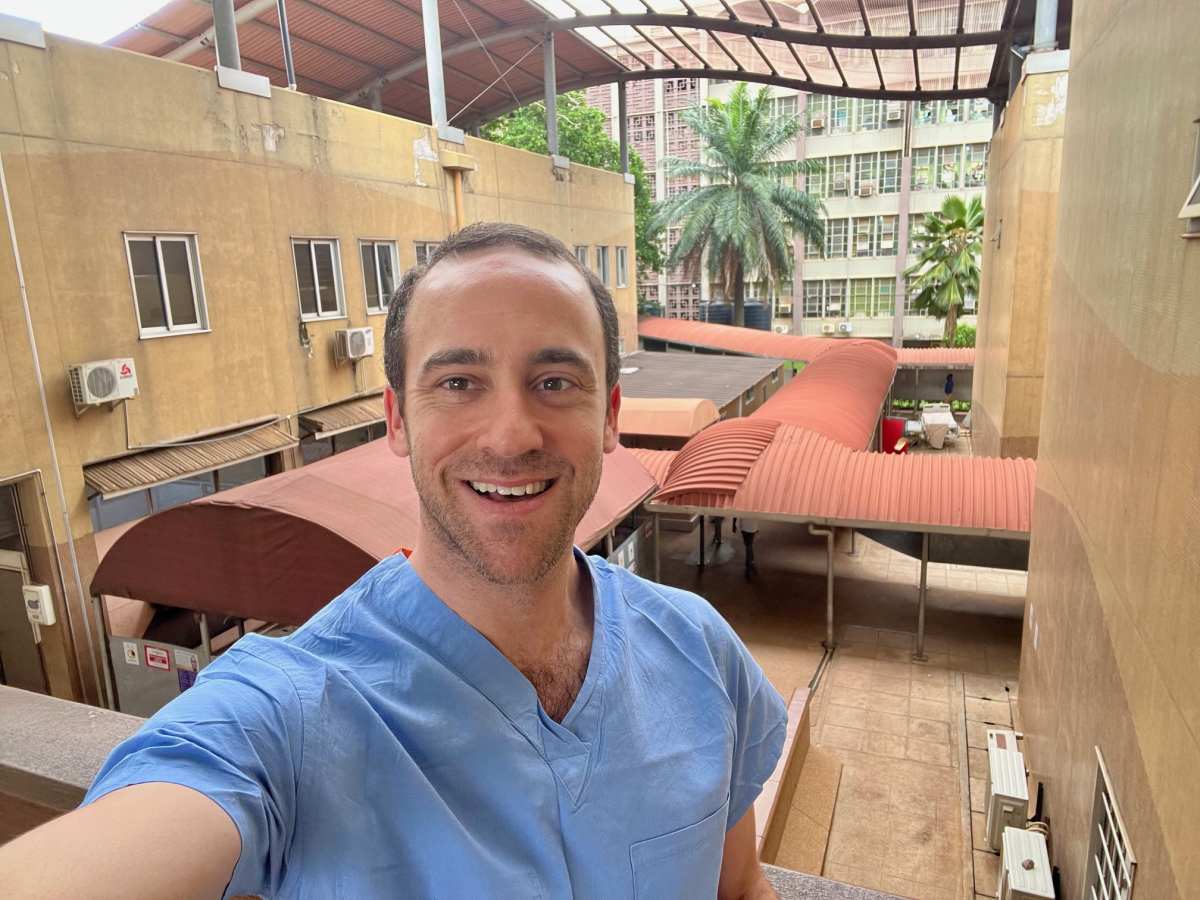
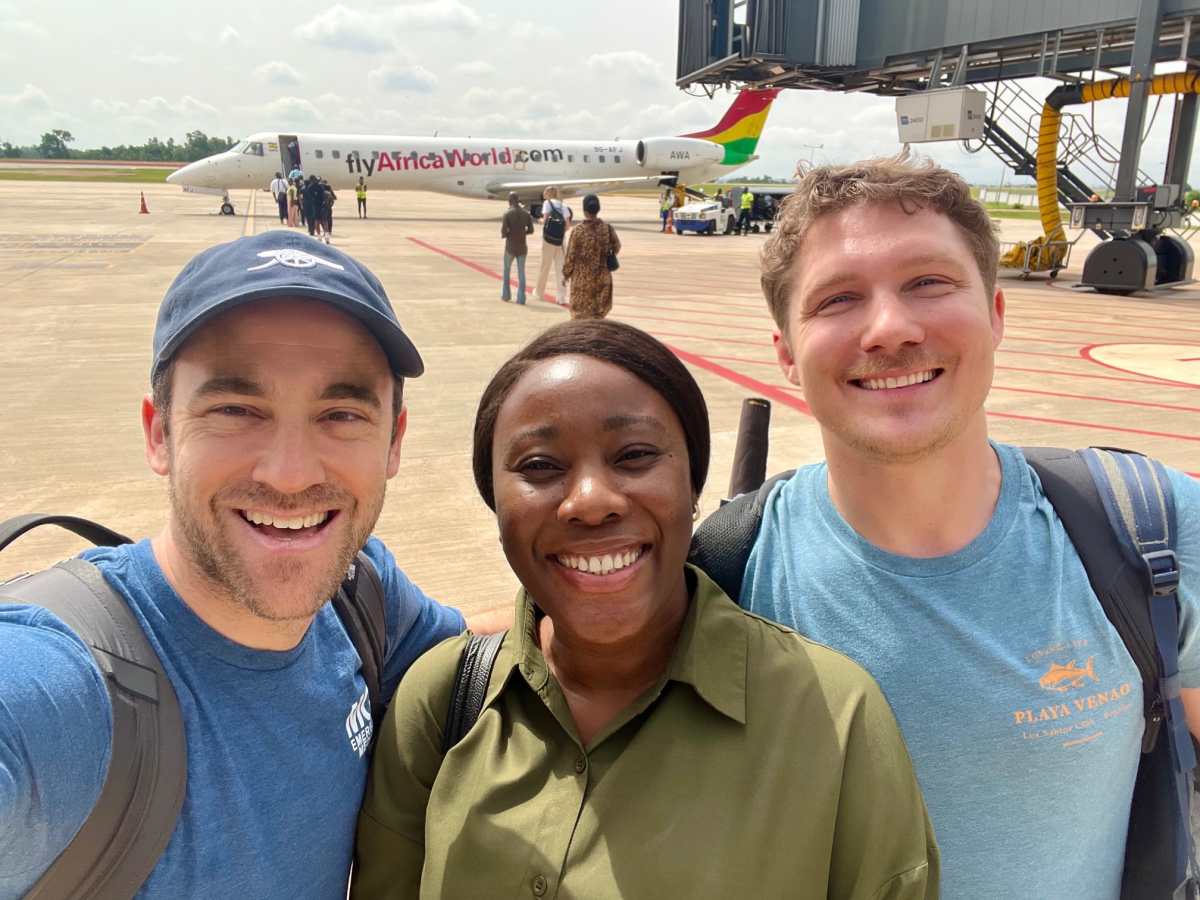
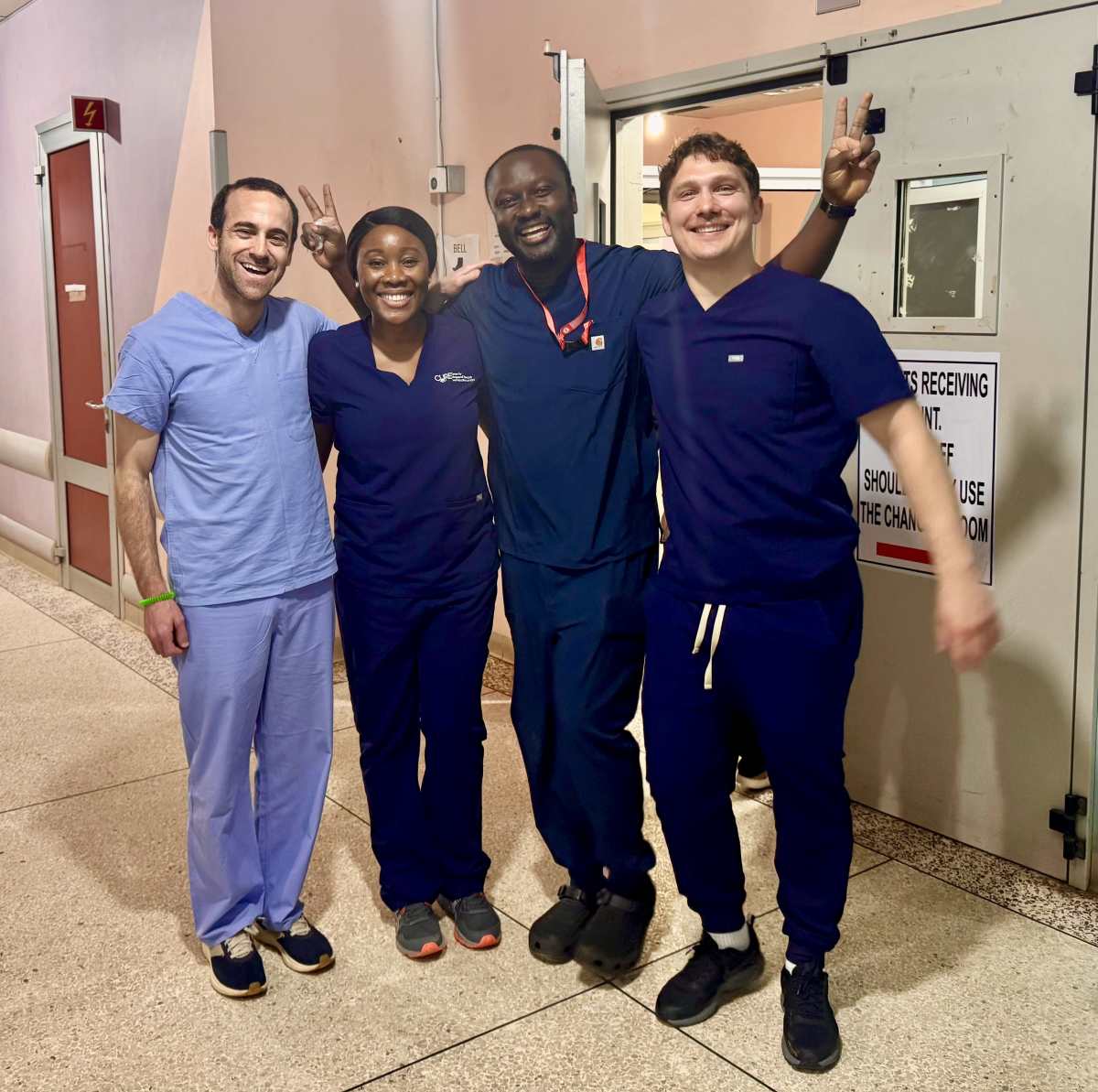
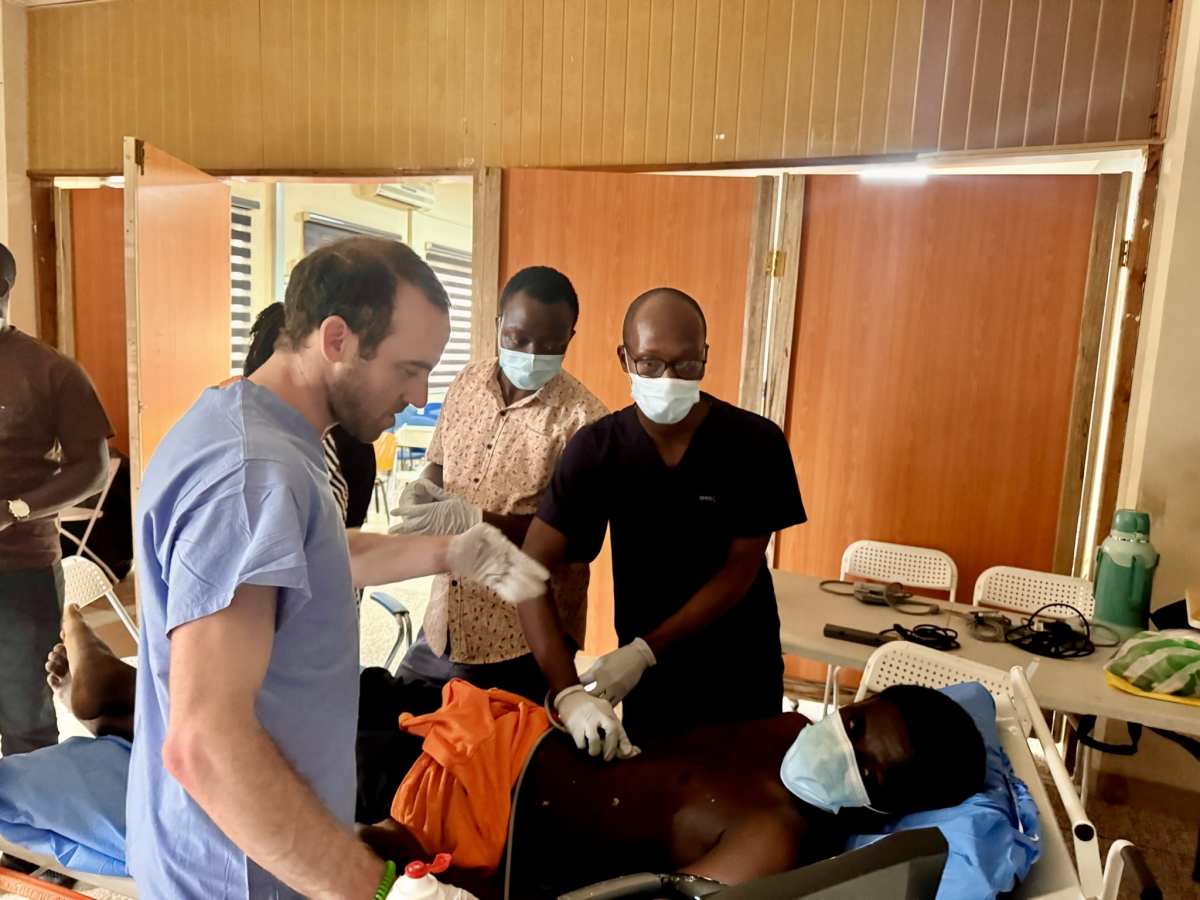
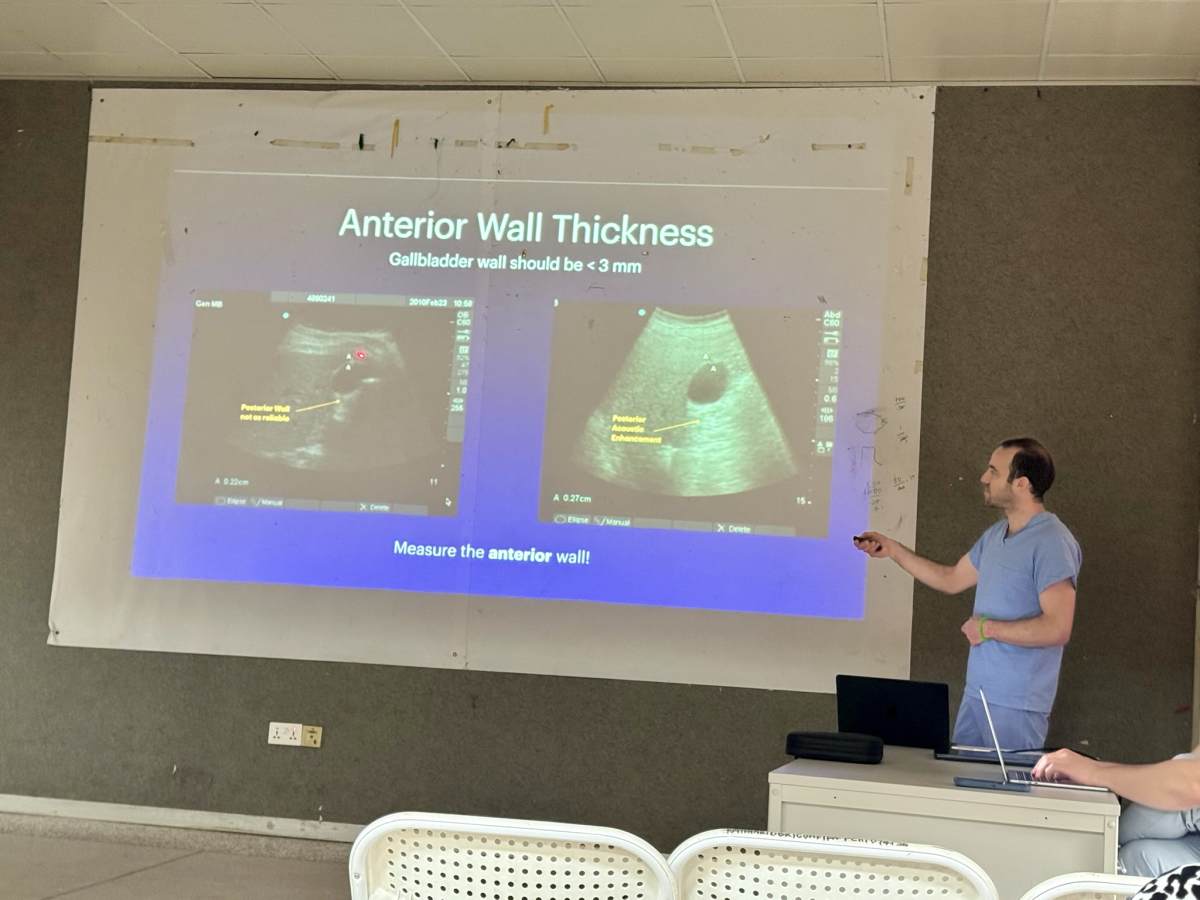
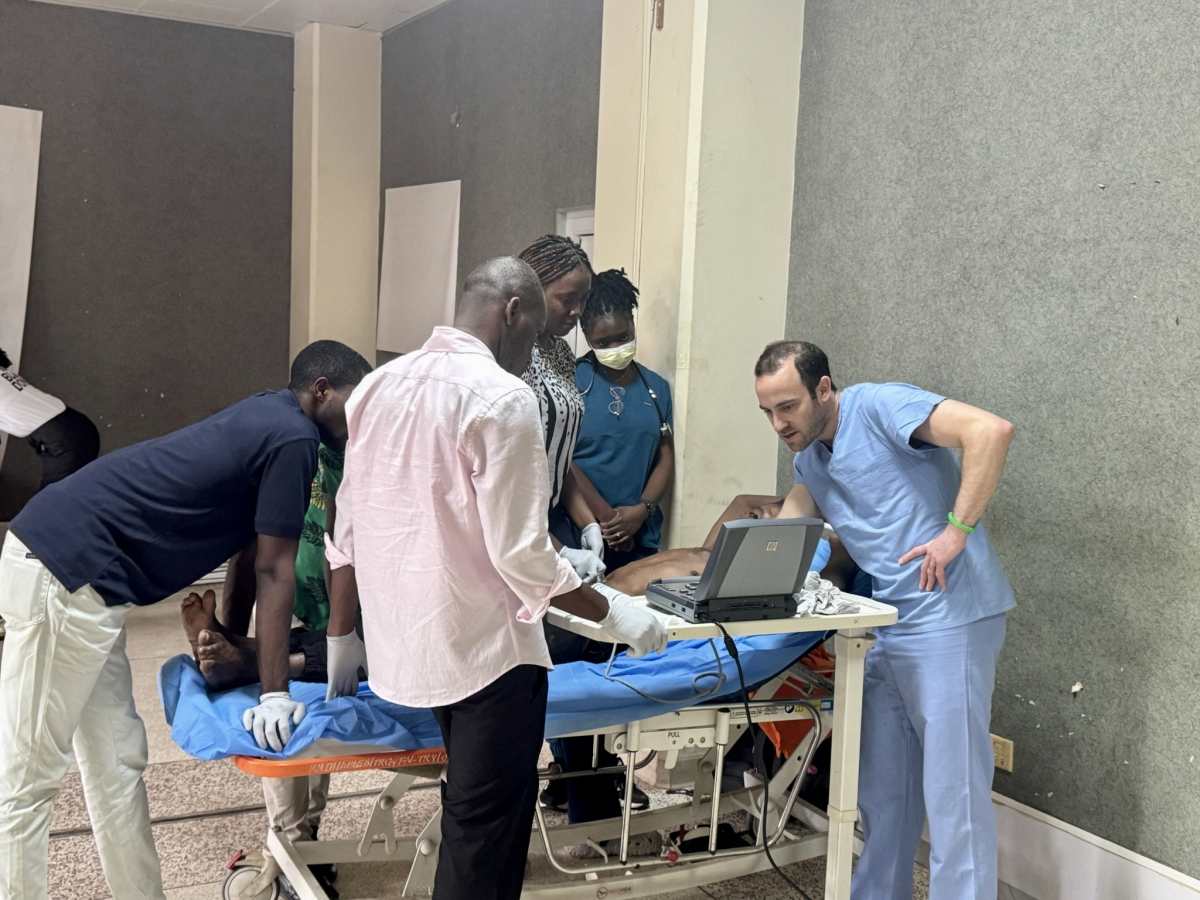
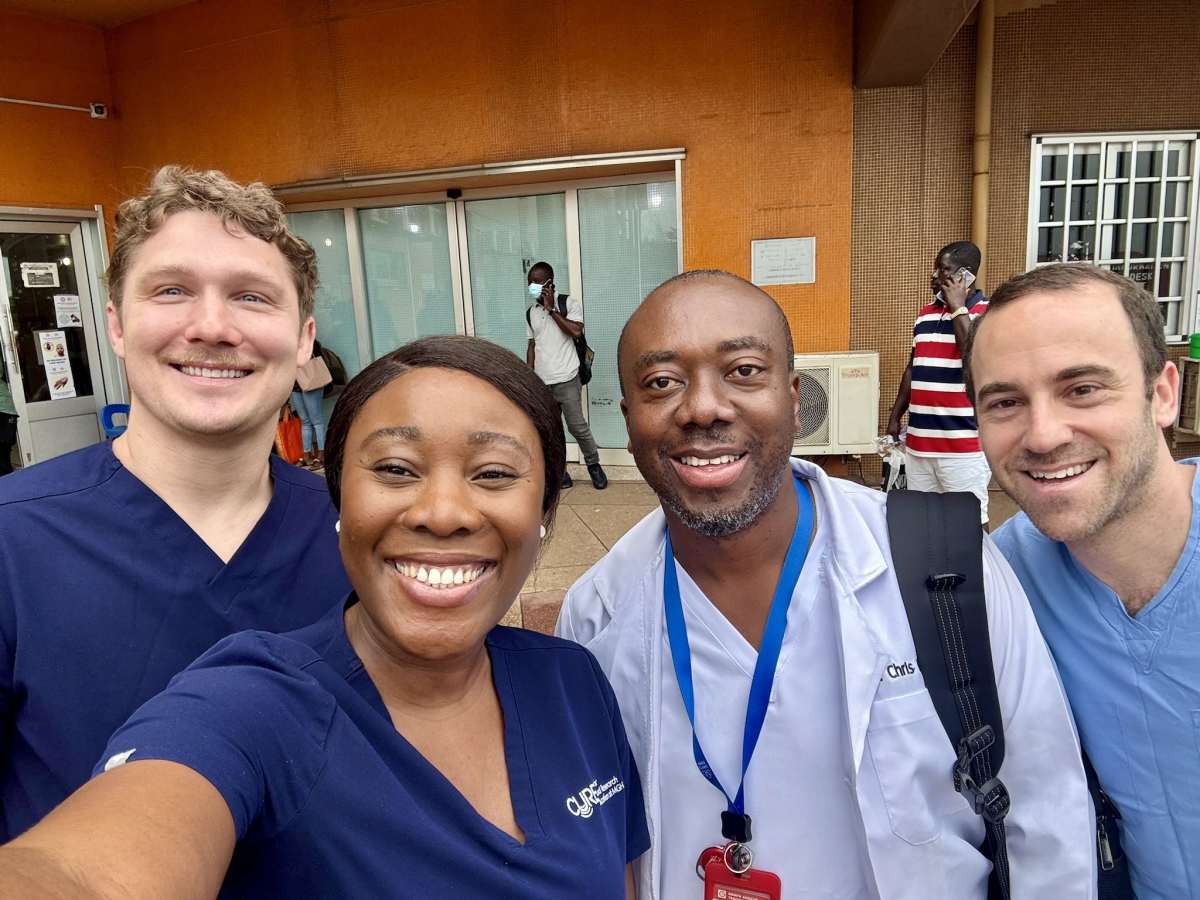
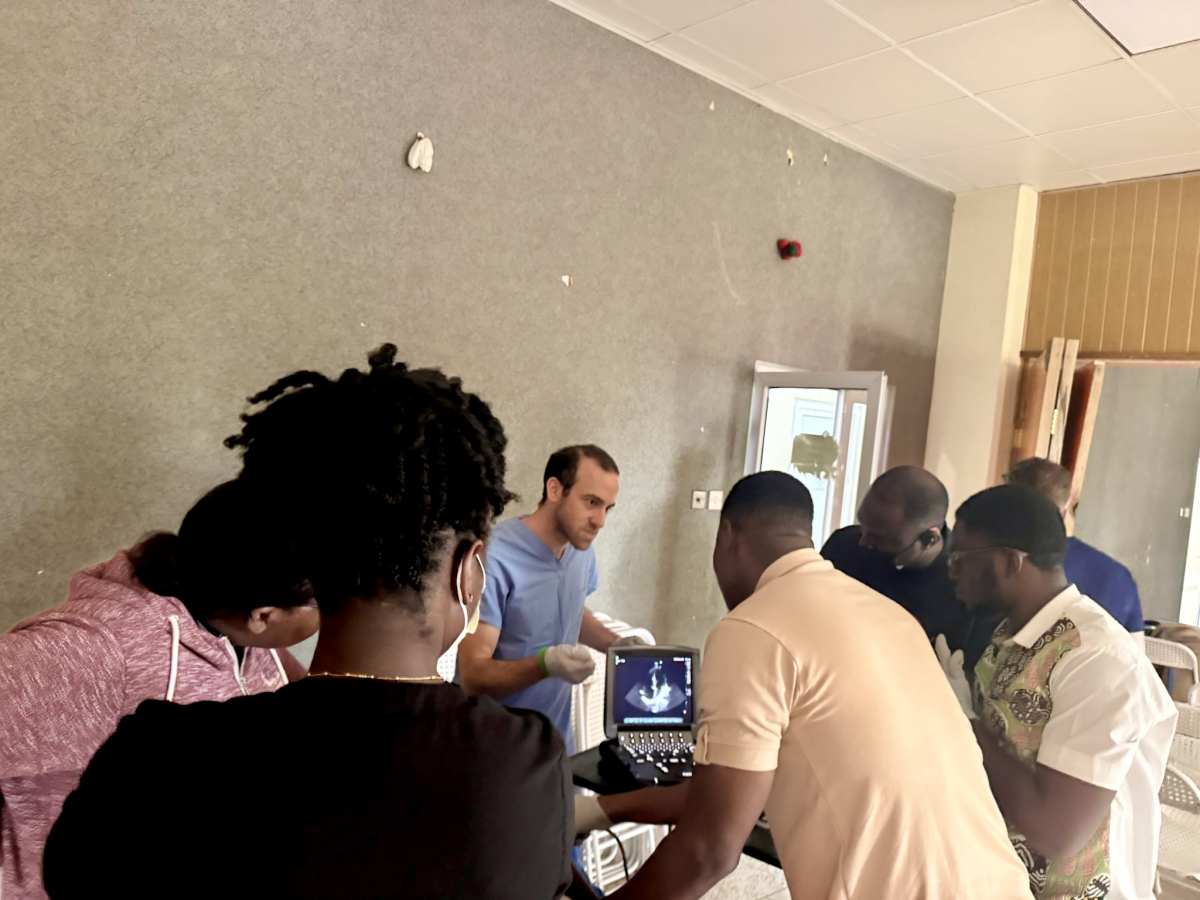
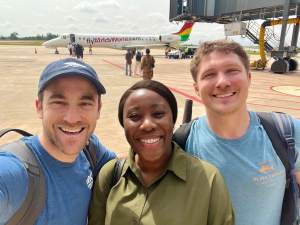
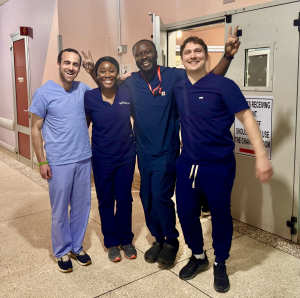
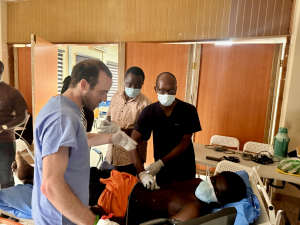
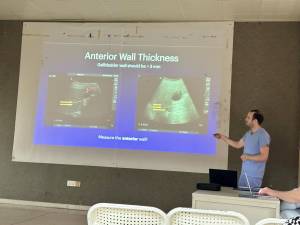
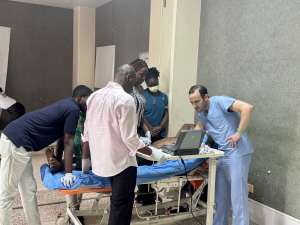
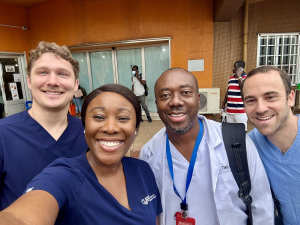
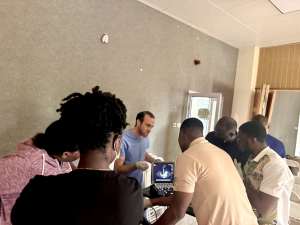
With the help of the Doximity grant, I was fortunate to have the opportunity to teach emergency ultrasound at the KATH hospital in Kumasi, Ghana. Three ultrasound fellowship trained emergency medicine physicians and myself hosted a 3-day POCUS course for the residents and several attending physicians at KATH. Our course consisted of 2 days of didactic lectures on topics ranging from cardiac echo and DVT to hepatobiliary and even ultrasound guided procedures including LPs and an array of upper and lower extremity nerve blocks. The lectures were geared toward emergency medicine residents, however, several attending physicians were also in attendance. While the majority had some prior experience with several of the ultrasound modalities, we learned that, for many of them, this was their first formal training on how POCUS fits into the clinical work up.
The first 2 days consisted of a series of lectures punctuated by Q&A sessions in the mornings after which they broke into small groups and rotated through a series of stations to get hands-on experience performing POCUS on volunteer models. It was so rewarding to see how interested and engaged they were in performing the various techniques they had just learned. The 3rd and final day was spent in the Accident & Emergency (A&E) ward applying their ultrasound skills with actual patients. My group was assigned to “red”, one of the highest acuity areas allowing us the opportunity to visualize severe pathology. For instance, during one encounter, we found a large pleural effusion on ultrasound which the team were able to rapidly drain with a thoracentesis to improve the patient’s breathing. Our team was also able to procure a Butterfly ultrasound machine which we donated to the KATH Emergency department to supplement their ultrasound capabilities. I feel incredibly fortunate to have had this opportunity to not only teach emergency ultrasound but to learn about a culture and health system I previously knew little about. Hopefully this is the first trip of many!