I am applying for support to participate in a humanitarian surgical outreach mission to the Uganda Cancer Institute in Kampala, Uganda, with the nonprofit organization Head and Neck Outreach. This mission will focus on providing otolaryngologic surgical care to patients with advanced head and neck cancers who otherwise lack access to life‑saving treatment. The trip is scheduled for April 2025 and will begin with several days of patient evaluations and pre‑operative planning in clinic, followed by major cancer resections, reconstructions, and postoperative care. My attending physician, Dr. Shawn Li, has previously participated in this mission several times in the past and has invited me to join the remainder of the team, comprised of surgeons from multiple academic institutions. The patient population we will serve consists primarily of individuals with large, complex head and neck tumors who have not had access to care. Our clinical activities will include both direct surgical care and peri‑operative management, while also engaging in teaching and collaboration with Ugandan physicians, nurses, and surgical trainees. By working side‑by‑side with local providers, we aim to share surgical techniques and management strategies while learning from their expertise, strengthening local capacity and fostering sustainable education. As a PGY-4 resident, my responsibilities prior to the trip will include assisting with case review, surgical planning, and preparation of educational materials. During the mission, I will actively participate in patient evaluation, surgical procedures, and postoperative care, while also contributing to teaching efforts in collaboration with Dr. Li and the rest of the team.
The primary beneficiaries of this mission are the patients in the area surrounding the Uganda Cancer Institute in Kampala and the local medical community. This population faces a dual burden: a high prevalence of aggressive head and neck malignancies and a shortage of specialized surgical infrastructure. In Uganda, patients often present with advanced-stage tumors that have progressed beyond the scope of local standard care and without the means to seek healthcare. Without intervention from specialized teams like Head and Neck Outreach, these individuals face high mortality rates or debilitating morbidity. By providing complex resections and reconstructions, this project offers a lifeline to patients who lack the financial or geographic means to seek treatment elsewhere. The benefit is not merely clinical; it is restorative, allowing patients to regain function, dignity, and the ability to reintegrate into their families and workforce. We have chosen this population because the disparity in otolaryngologic care in East Africa is profound. In a region where specialized surgical oncology is a scarce resource, the UCI serves as a critical healthcare hub. My role as a PGY-4 resident allows me to bridge the gap between high-level surgical assistance and clinical education. Focusing on Uganda ensures that our efforts are directed where the surgical gap is widest, providing specialized care to a marginalized population while fostering an enduring partnership that promotes global health equity.
Beyond the direct surgical intervention and clinical impact in treating upwards of 50 highly complex patients, the project benefits Ugandan physicians/surgeons, nurses, and surgical trainees. Rather than operating in a vacuum, our team works side-by-side with local providers to share advanced oncologic techniques and peri-operative management strategies. This collaborative model ensures that the mission’s impact outlasts our physical presence. Head and Neck Outreach has completed many mission trips to this area in the past, and we expect each mission to continue to progress the competency and experience of the native surgeons. By mentoring local residents and surgeons, we contribute to a self-sustaining cycle of education that strengthens the Ugandan healthcare system's internal capacity to manage complex pathology.
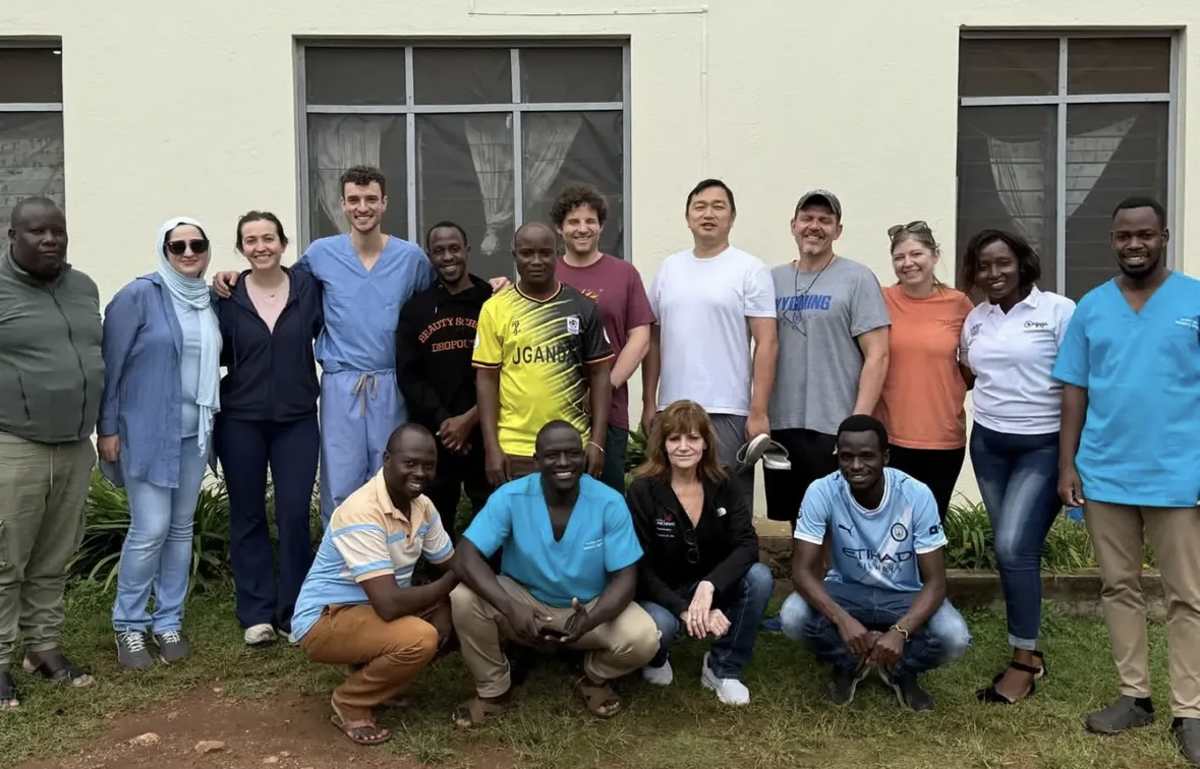

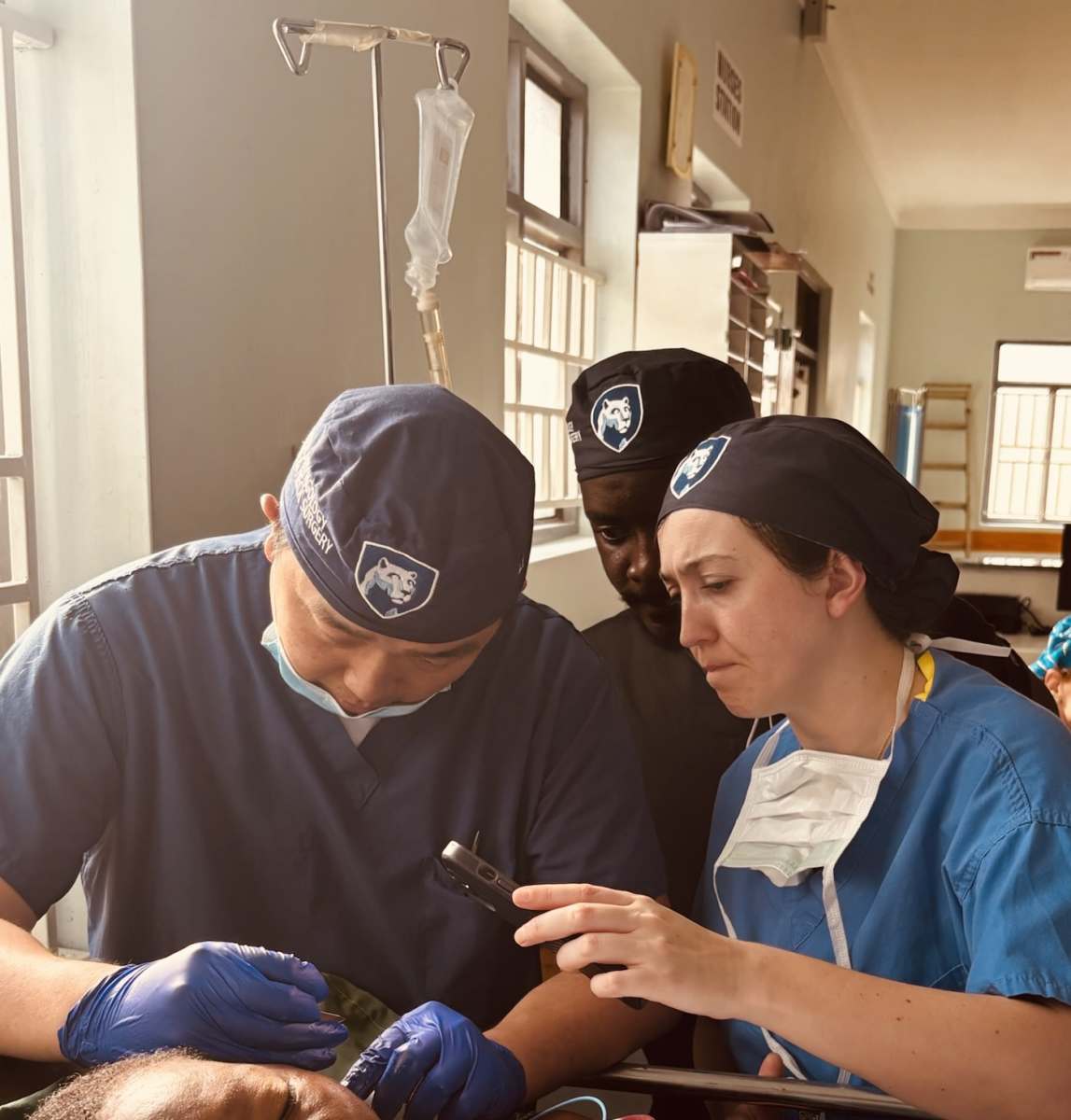
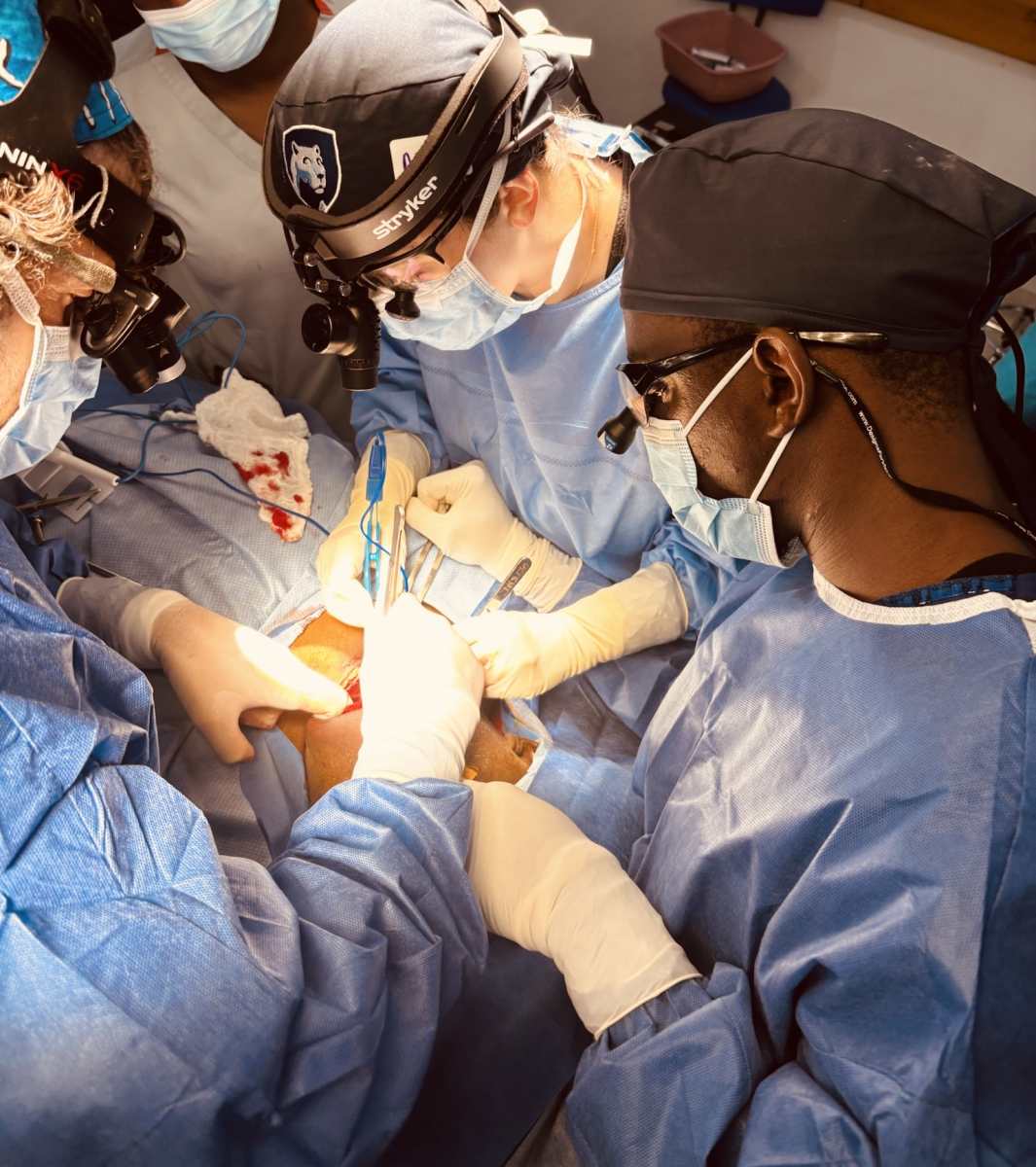
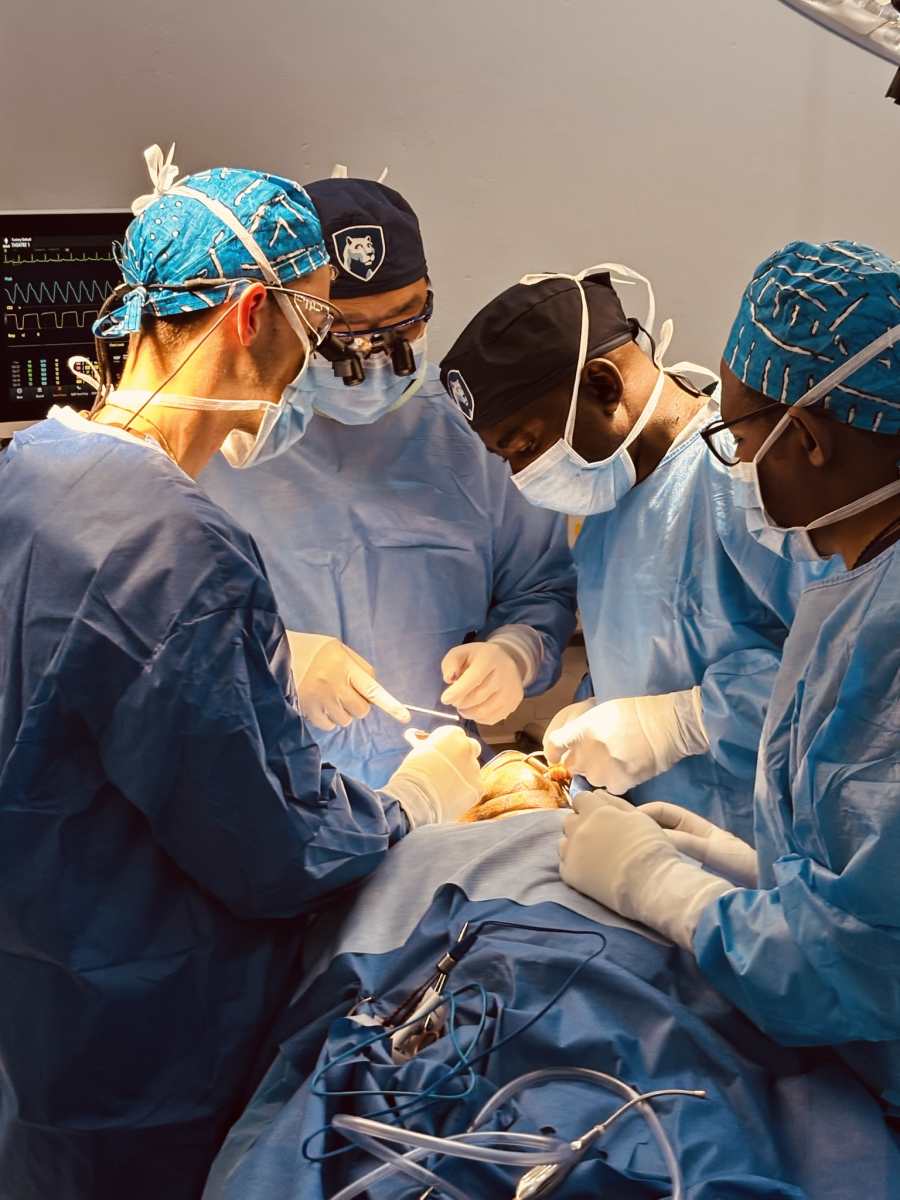
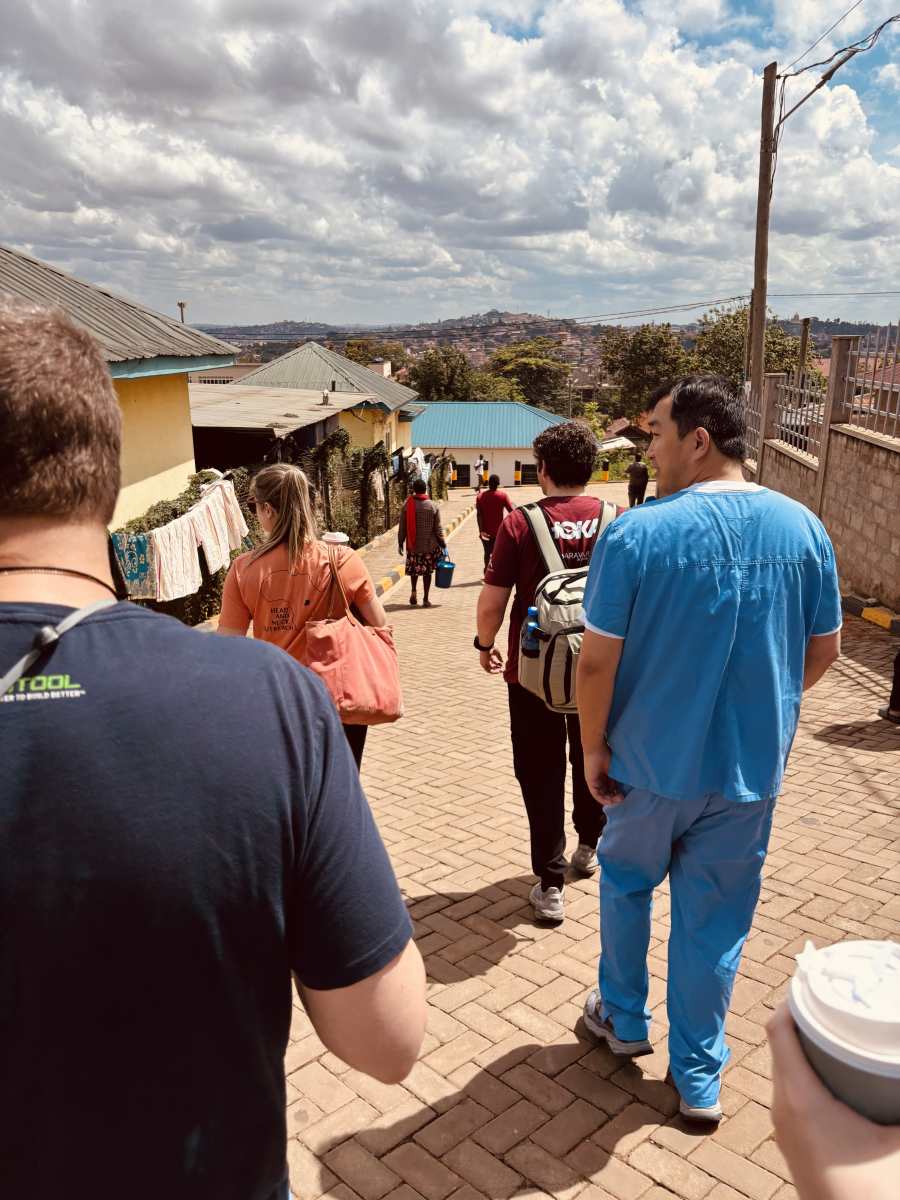
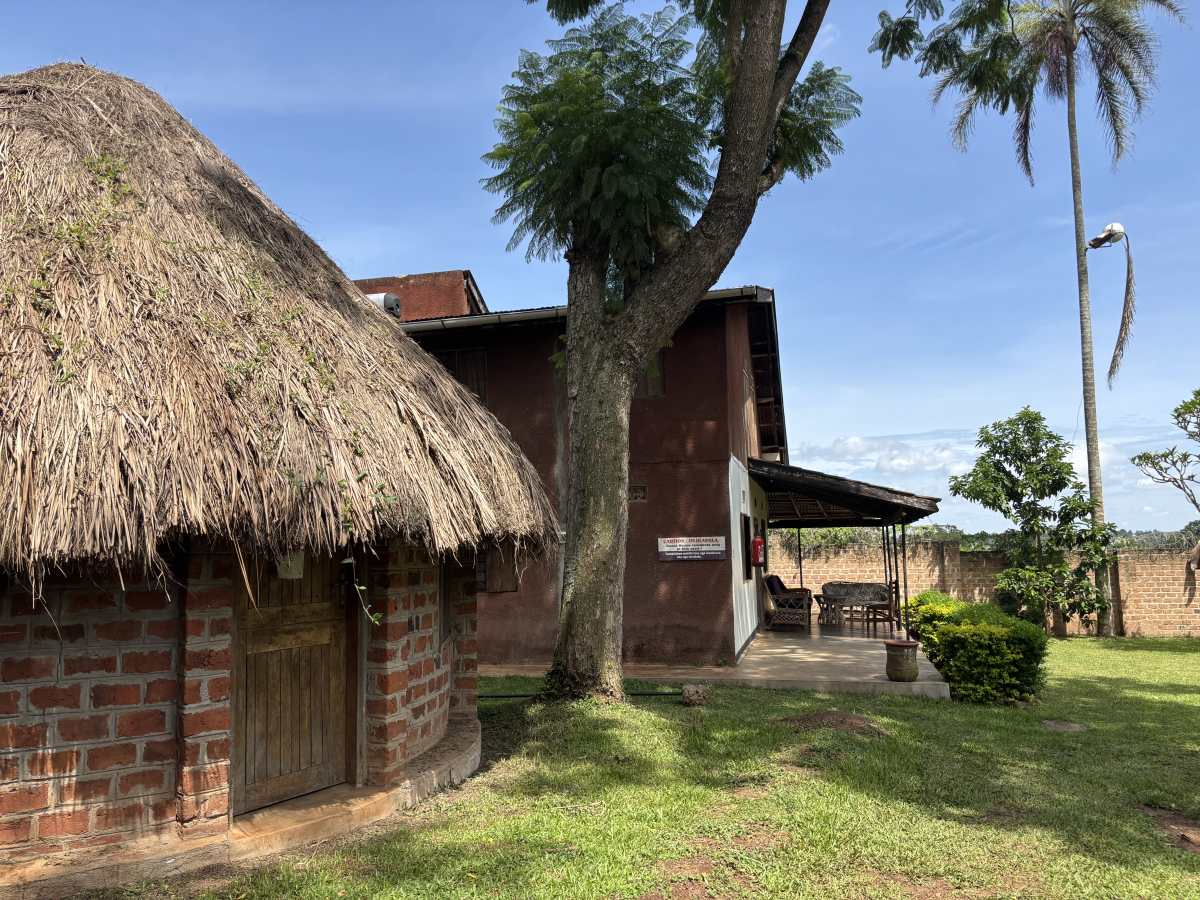

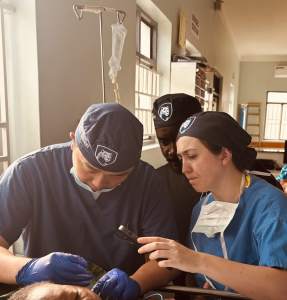
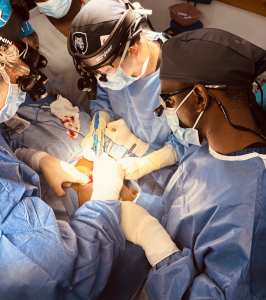
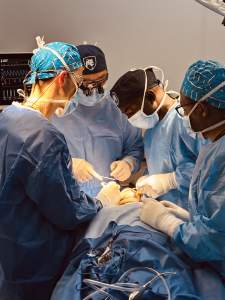
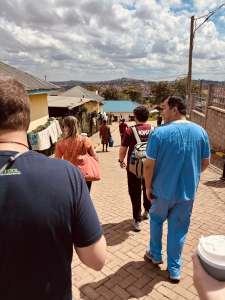
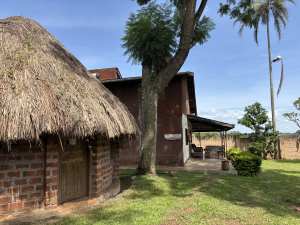
From April 18–28, I joined a surgical mission trip with Head And Neck Outreach, a nonprofit dedicated to expanding access to complex head and neck surgical care in Eastern Africa. Our team of nine — five surgeons, three nurses, and one administrator — traveled to Kiwoko Hospital in Kiwoko, Uganda, where we partnered with the Otolaryngology–Head and Neck Surgery service at the Uganda Cancer Institute for a joint surgical outreach camp. The goal of the trip was twofold: to provide definitive surgical care to patients with limited access, and to work side-by-side with the Ugandan team in a collaborative educational exchange.
Over the course of the camp, we performed 15 head and neck operations spanning a wide pathology range, including squamous cell carcinoma, mucoepidermoid carcinoma, ossifying fibroma, and several large benign but disfiguring tumors. 8 of those cases required microvascular free flap reconstruction — a level of complexity rarely accessible to patients in this region. For many of these individuals, the surgery represented their only realistic path to cure, or to a restored ability to eat, speak, and breathe.
Just as central to the trip was the partnership with the Uganda Cancer Institute’s only head and neck surgeon. The week was as much an educational collaboration as it was an operating camp — sharing techniques, discussing case planning, and strengthening a working relationship that extends well beyond the dates of any single visit. It is that combination of high-acuity surgical care and sustained knowledge exchange that makes this kind of outreach meaningful, both for the patients treated this April and for those who will be cared for long after our team has gone home. I am deeply grateful for the opportunity to be a part of this highly impactful trip both professionally and personally.