
We will first conduct a few days of clinics with a focus on health promotion in villages surrounding Roatan, Honduras and then travel to conduct primary care clinics located within 1-2 hours from Olanchito each day. Team physicians will evaluate and treat all patients presenting to the clinics and have the capability to care for ill patients, administer steroid joint injections, perform minor surgery, and fit for eye glasses.
Dr. Gary Goforth is the former Founding Program Director for the family medicine residency program sponsored by the Florida State University College of Medicine and is the medical director at Shell Point Retirement Community. He lives in Fort Myers, FL with his wife, Kathy. He has led over 50 VIMM trips and from 2008-2009 served as a VIMM sponsored missionary in Kabul, Afghanistan. He is a current VIMM board member and has previously served as an advisory board member.
Roatan, Honduras. This is a population of low socioeconomic status and I wish to bring basic health care and support services to this community. I will care for ill patients, administer steroid joint injections, perform minor surgery, and fit for eye glasses.
We intend on proposing to the group leader new ways to have a lasting impact on this community, such as meeting with local leaders to discuss challenges bringing broad access to care or establish a reliable network of support leaders of Roatan can use to request services or information.
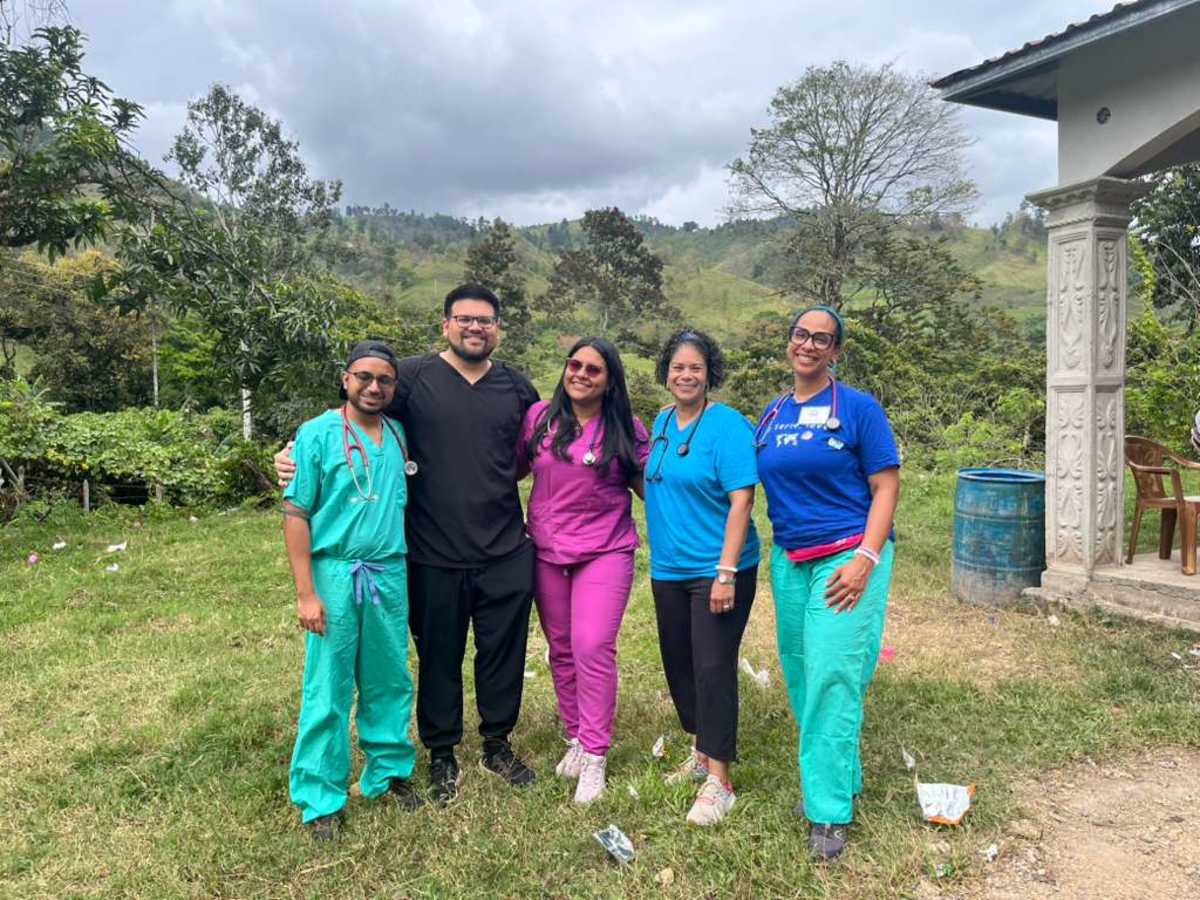
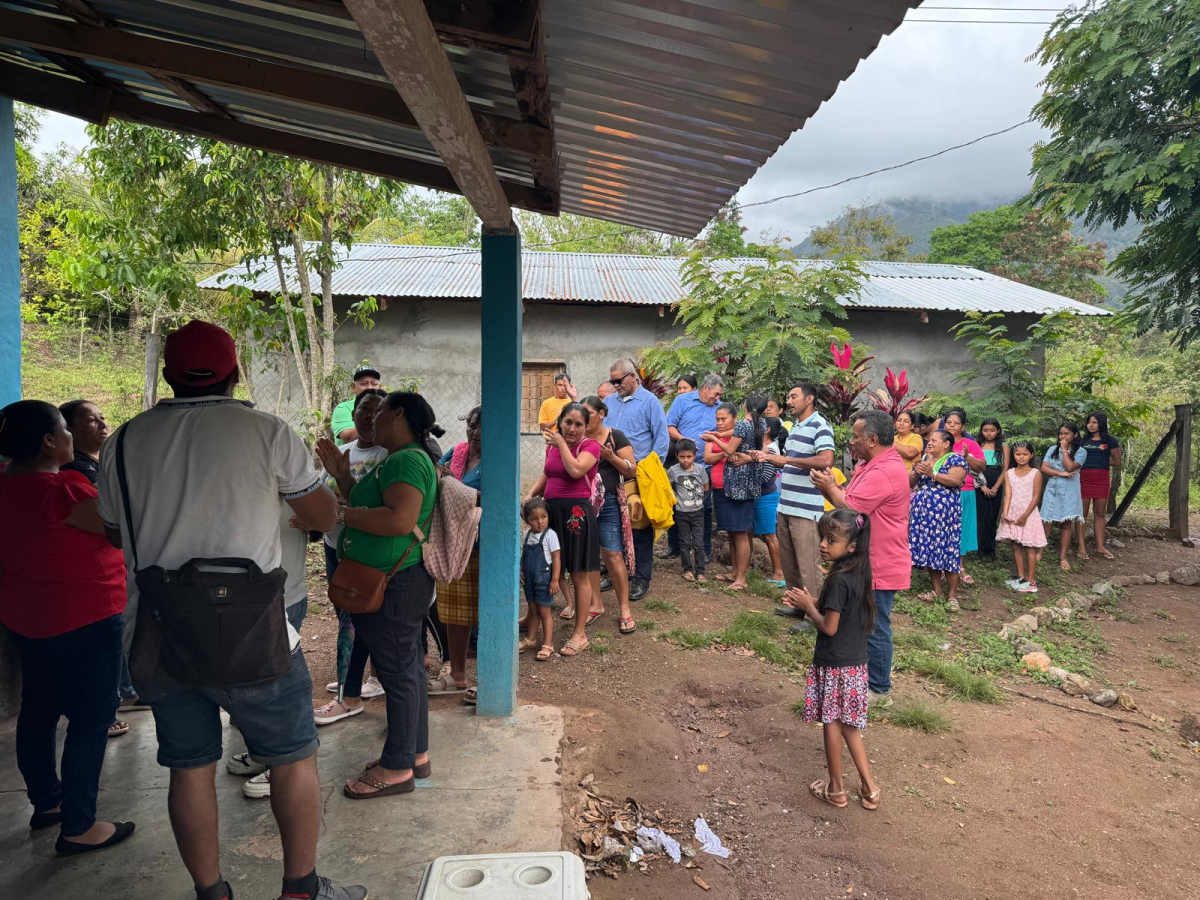
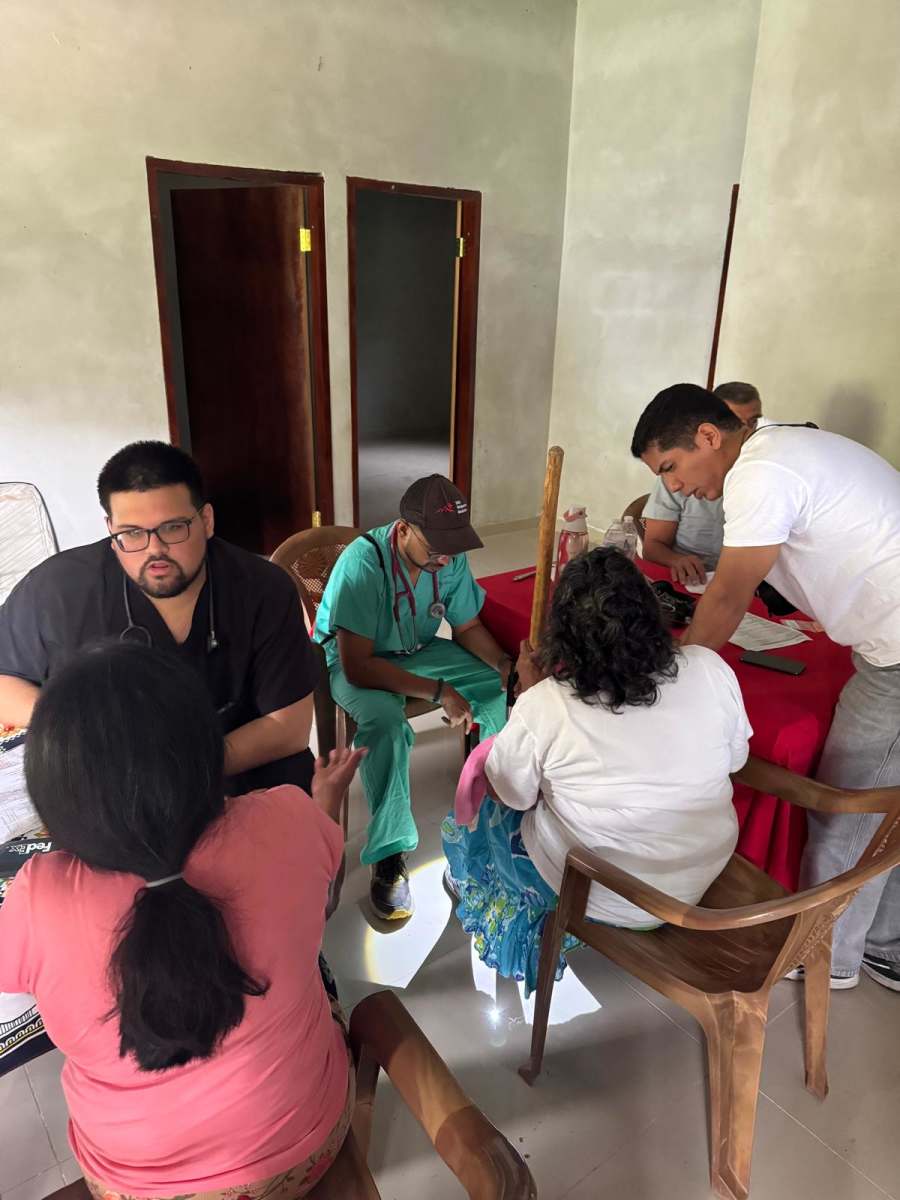
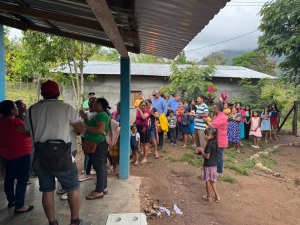
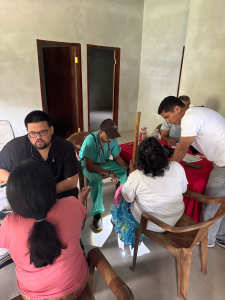
My time in Honduras was spent taking care of a variety of medical conditions, and the general problems that the residents of Olanchito and neighboring areas face are similar to those here in the US but face unique challenges when it comes to monitoring and management. I had the pleasure of seeing medical conditions ranging from GI problems to musculoskeletal pain. Additionally, infection control was a particular problem for area where water may not always come from a clean source. Notably, however, managing cardiovascular conditions became a particular area of challenge because many conditions presented require longstanding ongoing management and education to promote good habits and increased quality of life.
For example, I saw patients with hypertension exceeding 180mmHg systolic. Because they are asymptomatic, it does not seem like a concern worth taking the time to address because it requires long travel times to get to clinical facilities or obtaining medication is a large expense. I counseled on the importance of routine monitoring and the “red flag” symptoms that raise concern for hypertensive emergency but having a system where patient can be seen and assessed regularly with ongoing management techniques that match their lifestyle is crucial. Another example is heart failure. Many patients have symptoms that raise concern such as fatigue or difficulty breathing during sleep. These types of symptoms, however, are often dismissed as tiredness or infection because there simply is not enough knowledge about how the heart is interconnected to the lungs, kidneys, or muscles. Allowing a system where patients can be guided on how the heart is a muscle will have longer lasting impact on overall quality of life than a 30-day supply of beta blocker or diuresis therapy.
Having a reliable network to establish interventions aimed at the primordial and primary prevention of cardiovascular disease in rural communities is of paramount importance. Over the course of several years, those interventions are easily accessible, inexpensive, and require less resources only available in care facilities. Close coordination with village health workers is essential as they sometimes the only way a community can have their health needs addressed. Having teams that can periodically check in with village health workers to assess the social determinants of health can raise the average quality of life for a single community in just a few short years.