Operation International Team Neuro is an international medical outreach initiative focused on improving access to high-quality neurosurgical care in Ghana through clinical service, capacity building, and sustainable partnerships. The mission assembles a multidisciplinary team of neurosurgeons, nurses, and allied health professionals who collaborate directly with Ghanaian healthcare providers to address critical gaps in neurological diagnosis, treatment, and training.
The program delivers patient-centered neurosurgical consultations and procedures while prioritizing education through hands-on training and bedside mentorship for local clinicians. By emphasizing skills transfer and shared clinical decision-making, the mission strengthens local capacity to manage neurological disorders long after the team’s departure. We are returning for our third year in partnership with a Ghanan neurosurgeon and hospital to expand access to neurosurgical care for both children and adults.
Operation International Team Neuro is designed for long-term impact. Through collaboration with host institutions, the mission supports the development of sustainable clinical practices, improved care pathways, and enhanced professional expertise. Grant funding will directly support travel logistics, enabling the mission to reduce neurological health disparities and contribute meaningfully to the advancement of neurological care in Ghana.
Techiman, located in Ghana’s Bono East Region, serves as a major commercial and transportation hub for surrounding rural communities, yet access to specialized medical care—particularly neurological services—remains extremely limited. Residents often travel long distances to tertiary hospitals for diagnosis and treatment of neurological conditions, creating delays in care, increased financial burden, and poorer health outcomes.
The community faces a growing burden of neurological disorders, including hydrocephalus, spina bifida, craniofacial anomalies, brain injury and degenerative spine disease, compounded by limited specialist availability, diagnostic resources, and training opportunities for local healthcare providers. These gaps disproportionately affect vulnerable populations, including low-income families and patients from rural areas who rely on Techiman as their primary point of care.
Supporting the Techiman community allows for high-impact intervention in a strategically important region. By partnering with local healthcare facilities and professionals, our mission strengthens existing systems rather than replacing them. Investment in Techiman enables sustainable improvements through skills transfer, workforce development, and enhanced clinical capacity that benefit not only the town itself but also the broader catchment area it serves.
In its third year of operation, Operation International Team Neuro has demonstrated consistent, measurable impact in improving access to neurosurgical care in Techiman, Ghana. Building on outcomes from previous missions, the program is expected to deliver both immediate clinical benefits and long-term system strengthening.
Each year, the mission performs approximately 30 complex neurosurgical procedures, providing life-saving and life-altering care for patients who would otherwise lack access to specialized services. In addition, the team screens over one hundred patients annually, offering neurological evaluations and providing diagnostic imaging that enable early detection, accurate diagnosis, and timely referral or treatment.
Beyond direct patient care, the mission’s impact extends through capacity building and knowledge transfer. Local healthcare providers receive hands-on training in neurological assessment, perioperative care, imaging interpretation, and postoperative management. This training strengthens local clinical capacity, allowing improved care for thousands of patients beyond the mission period.
Over the grant period, expected outcomes include:
-Improved neurological health outcomes for surgical and non-surgical patients
-Reduced delays in diagnosis through expanded access to imaging and screening
-Enhanced clinical skills and confidence among local medical staff
-Strengthened referral pathways and continuity of neurological care
-Sustainable improvements in regional neurological service delivery
By combining direct intervention with workforce development, Operation International Team Neuro creates a multiplier effect—where annual surgical volume and patient screenings translate into long-term, community-wide improvements in neurological care access and quality.
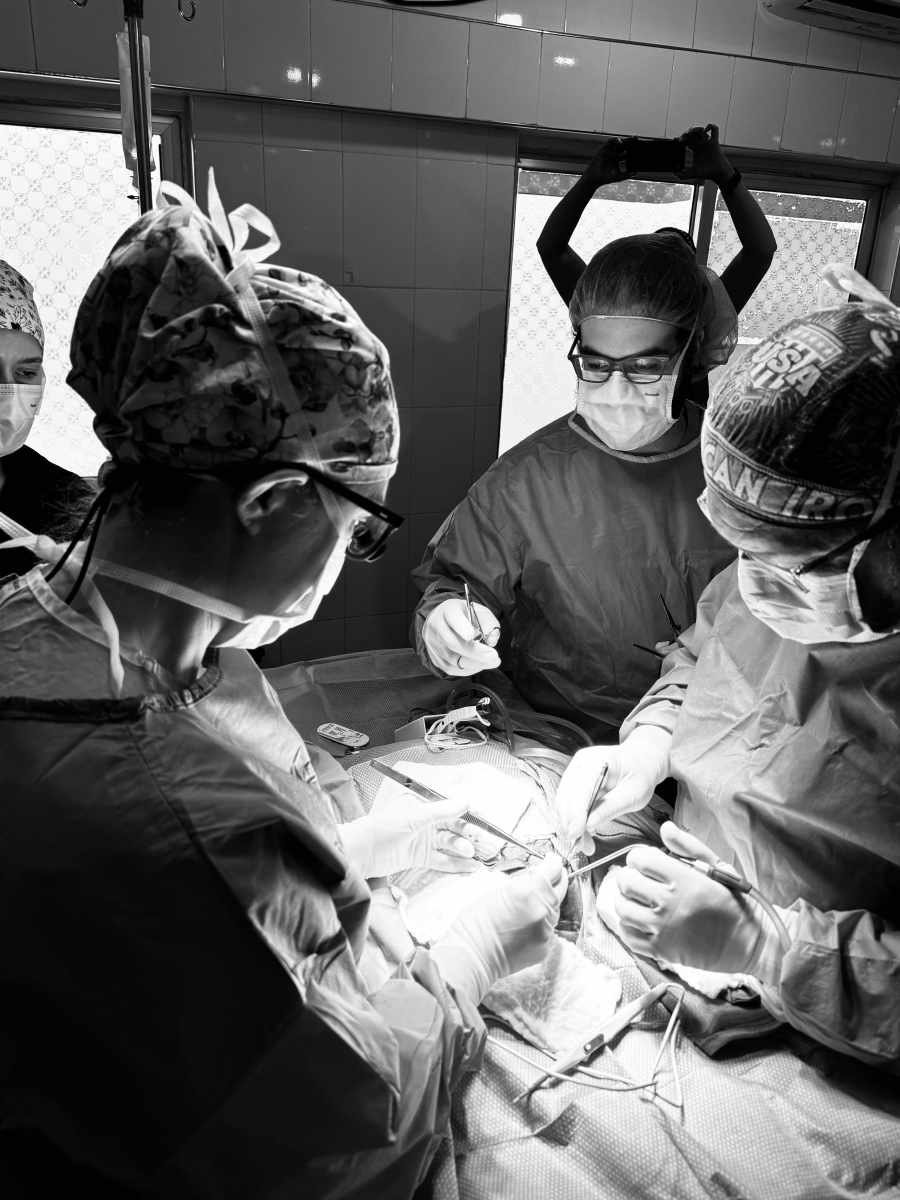
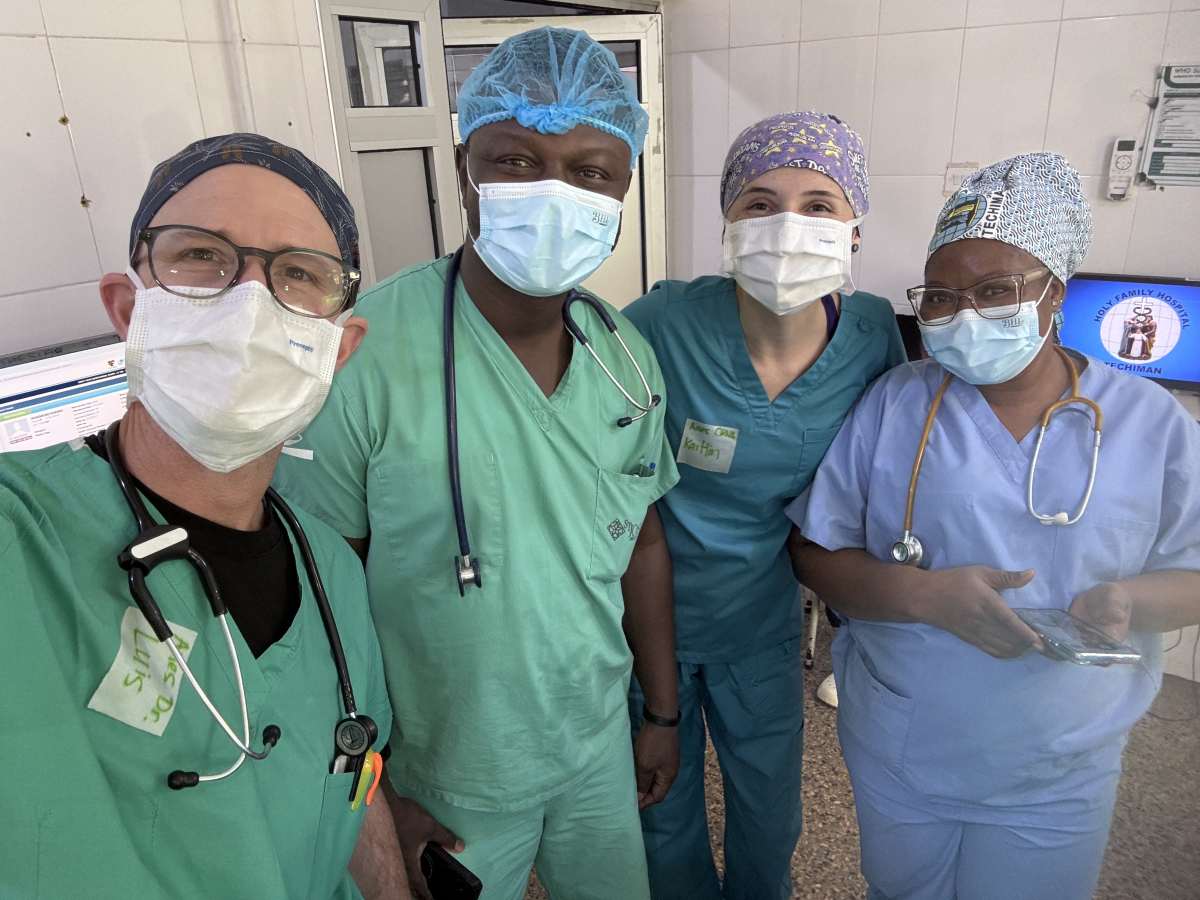
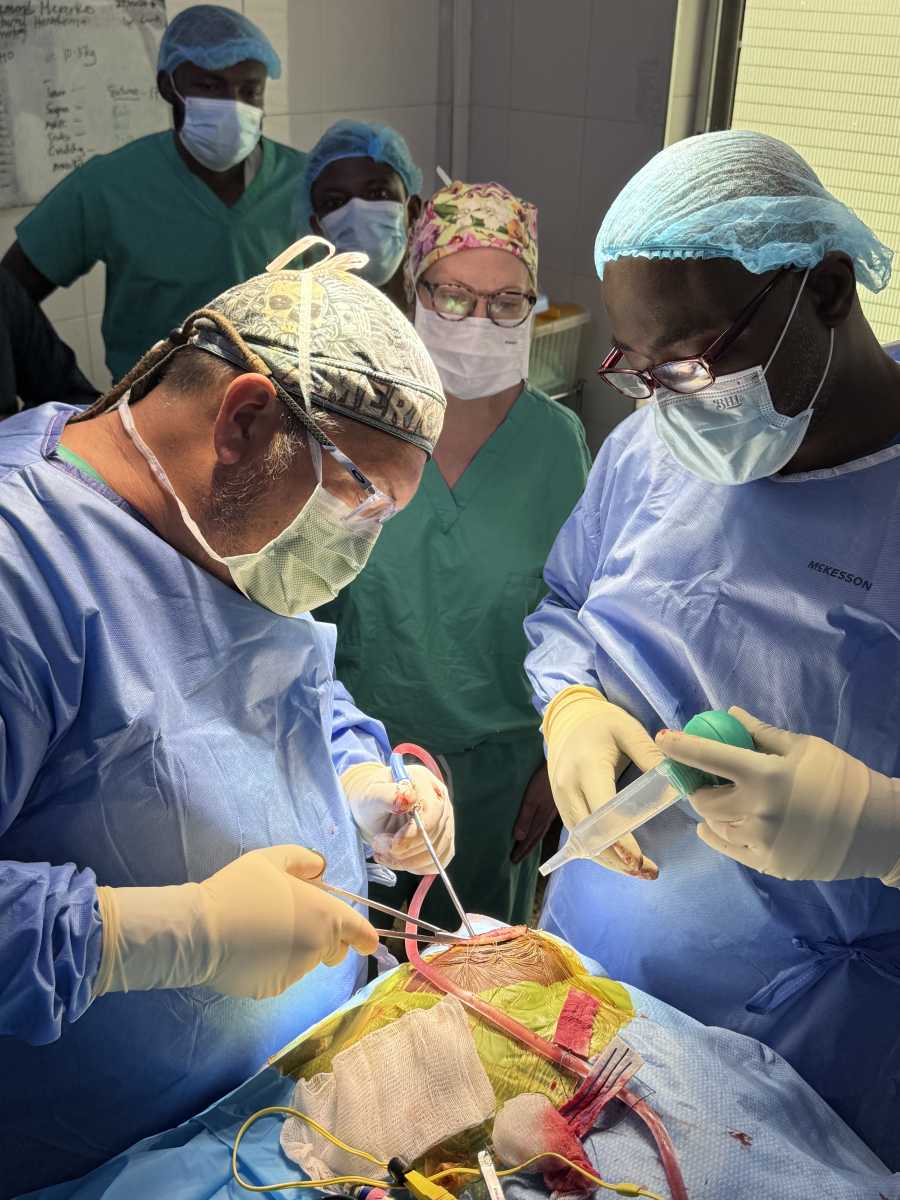
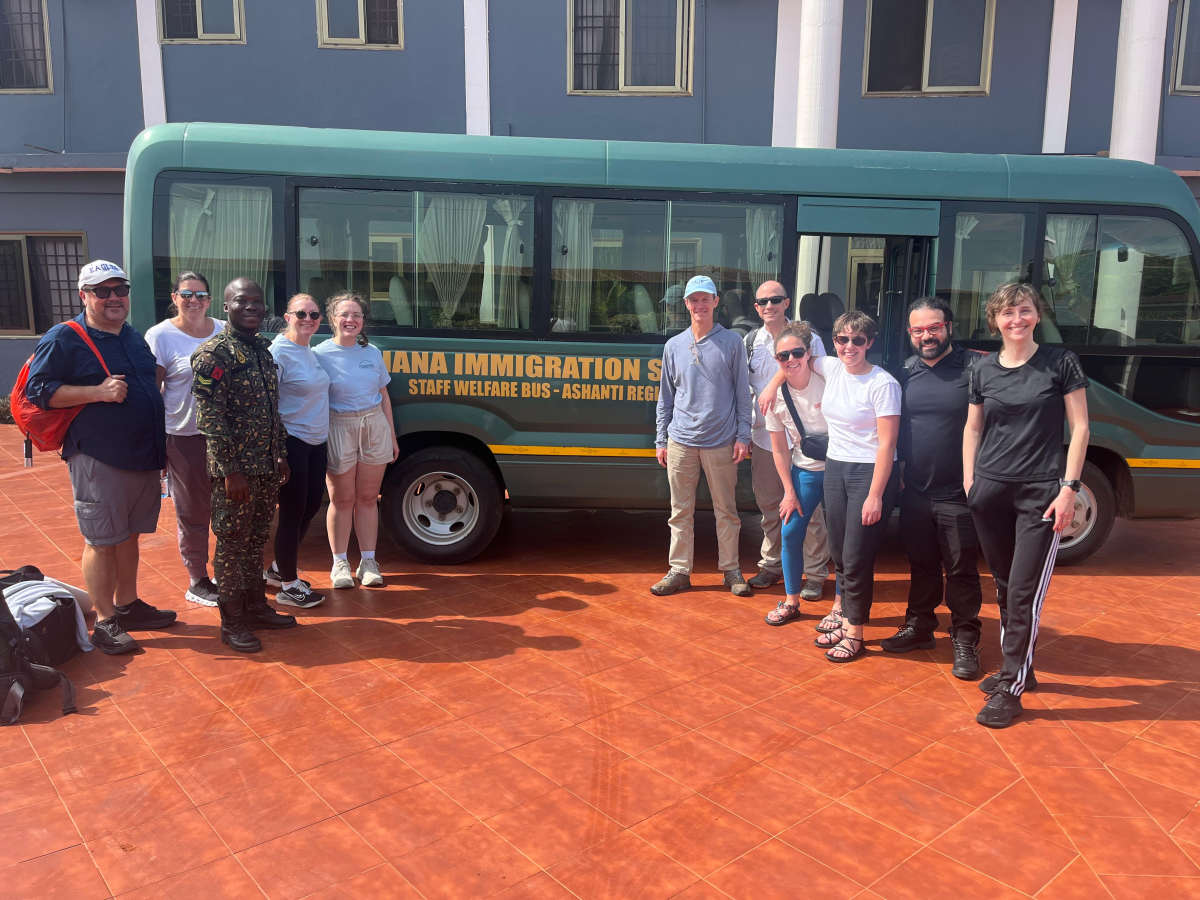
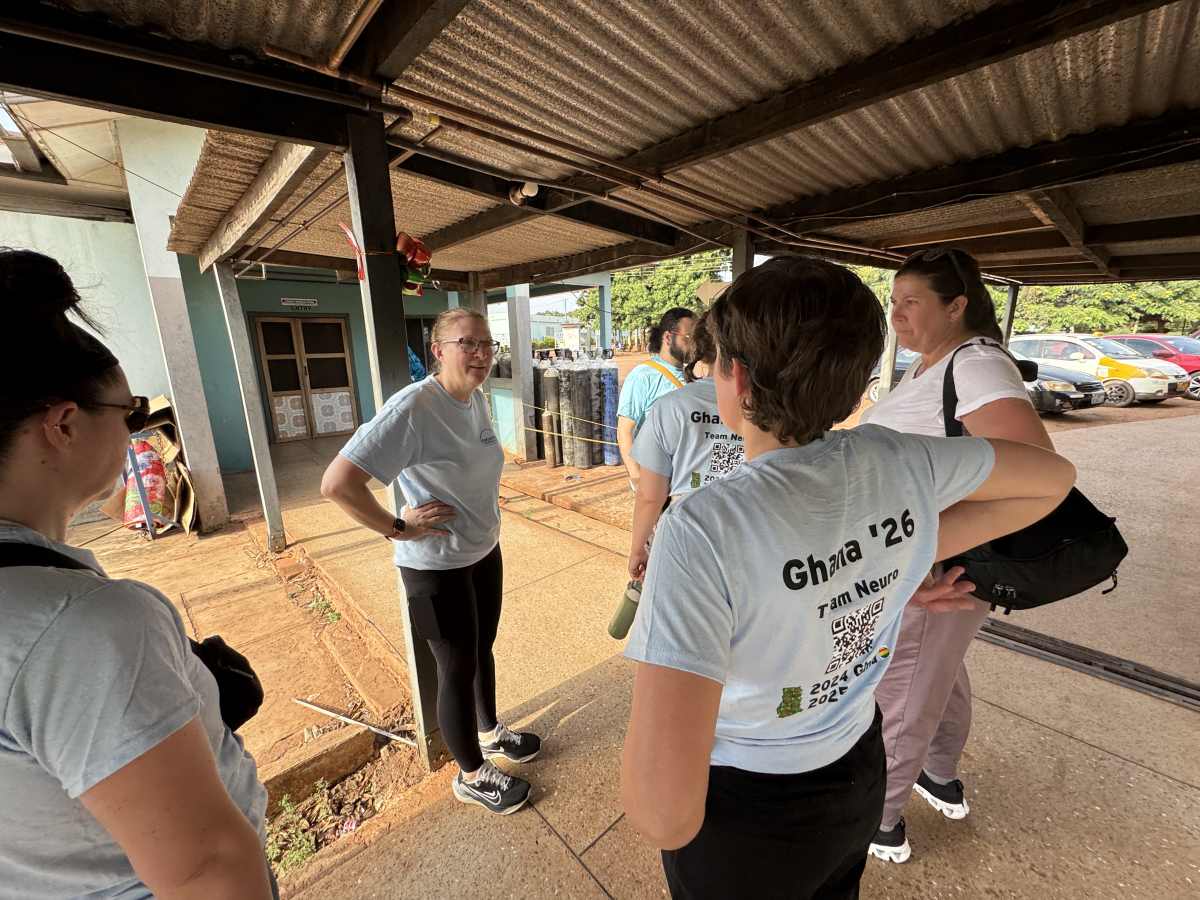
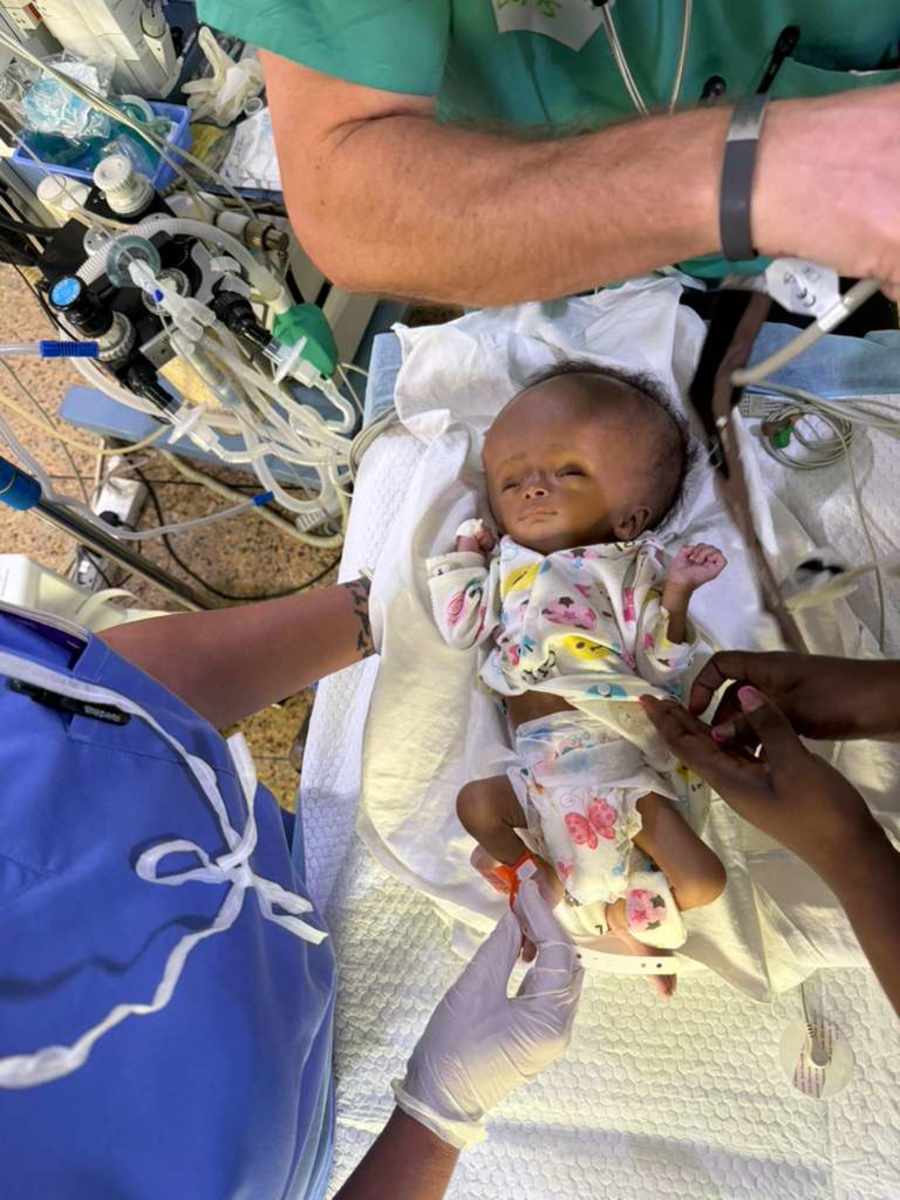
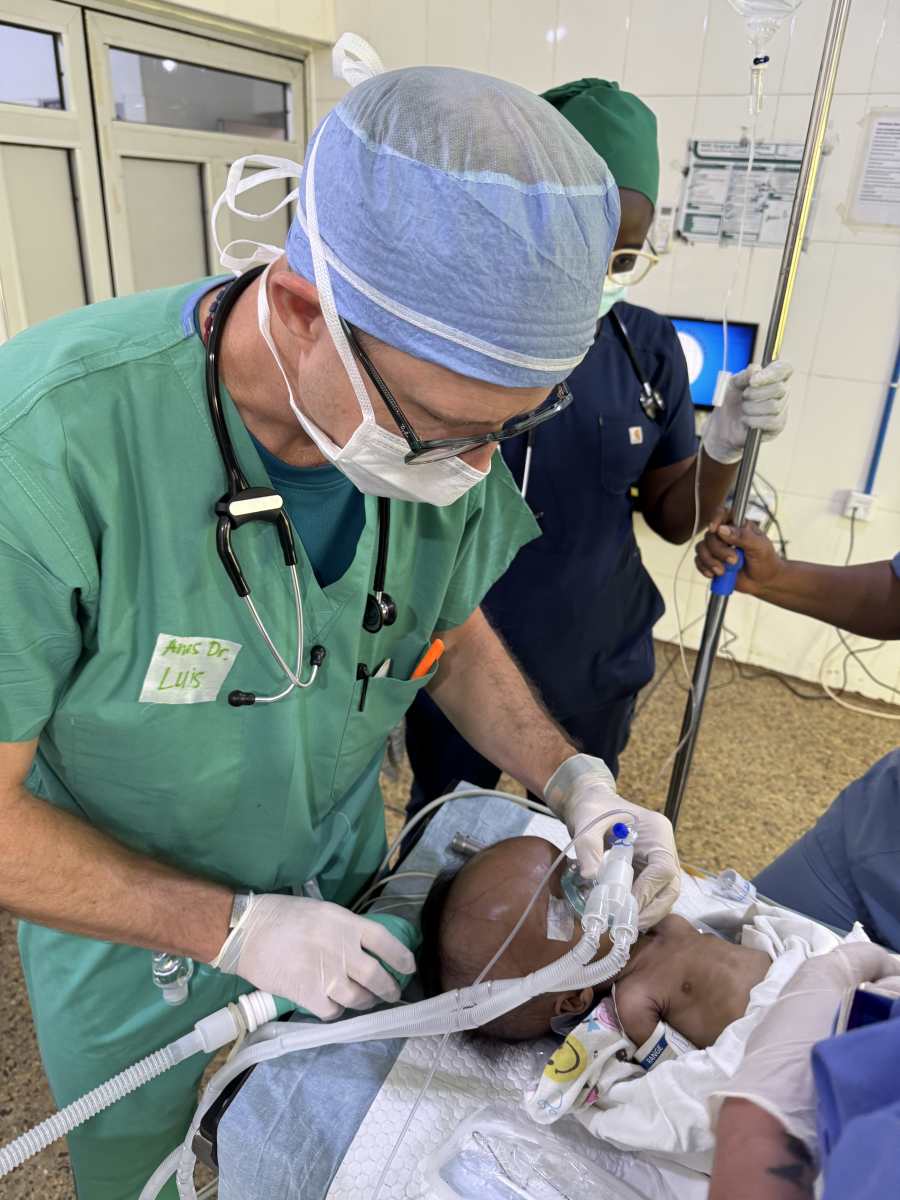
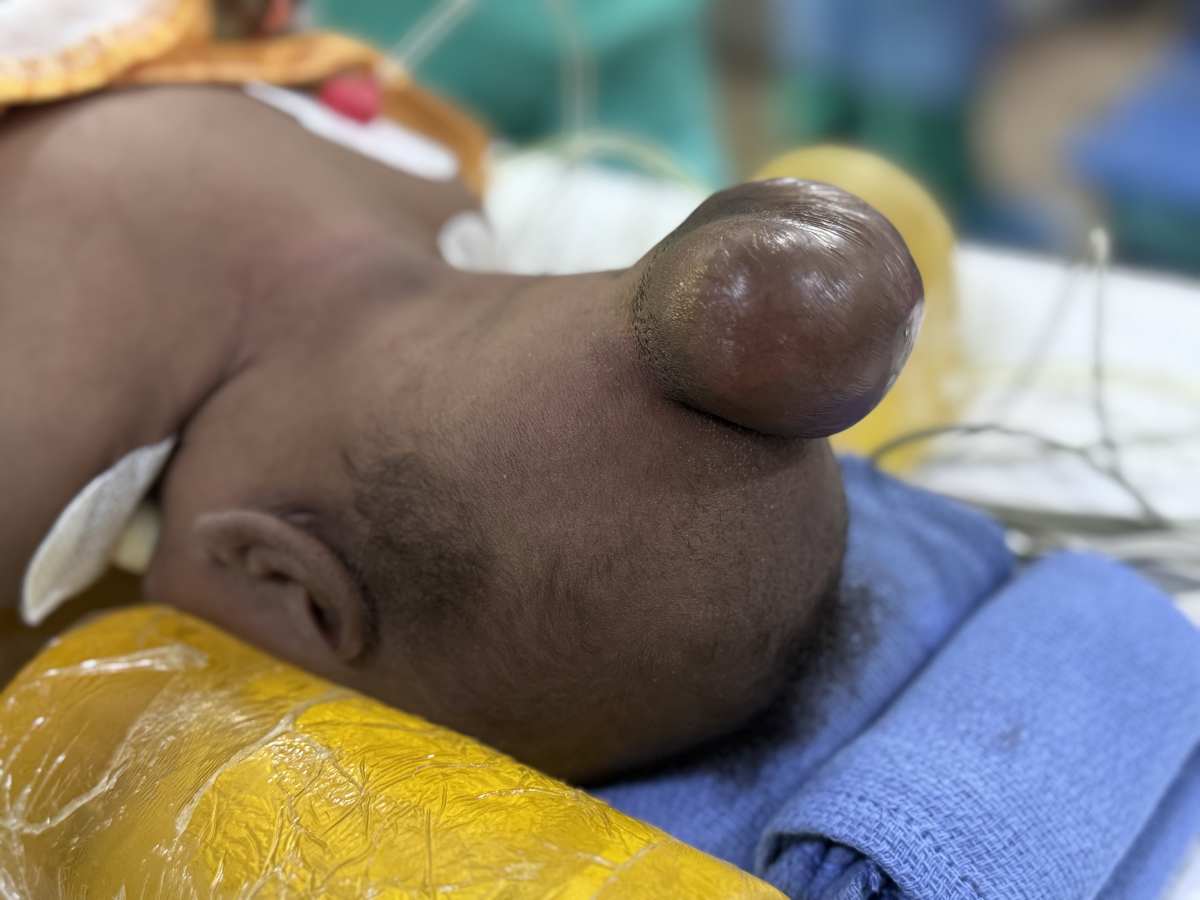
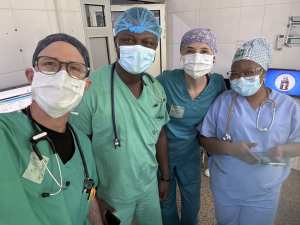
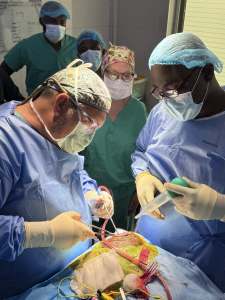
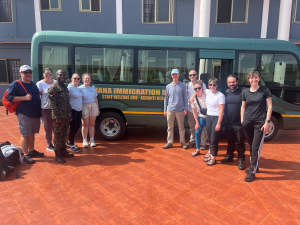
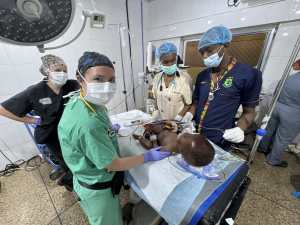
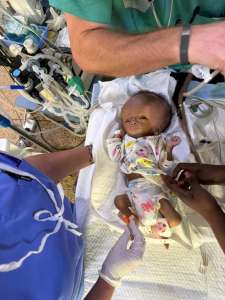
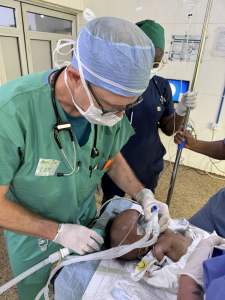
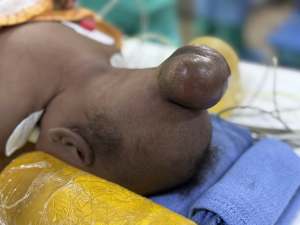
I was able to participate in Operation International’s (OI) Neurosurgical Mission to Holy Family Hospital in Techiman, Ghana during the month of April 2026.
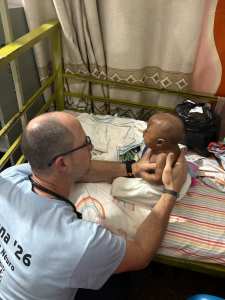
We began our journey in the US, and after approximately 28 hours of travel we arrived to the hospital and began organizing gear and after meeting the Hospital’s physicians and nursing teams, we began seeing with their support, the patients as part of preoperative evaluation.
Our goal was to have 4 days of Operating room time and had access to 3 operating rooms.
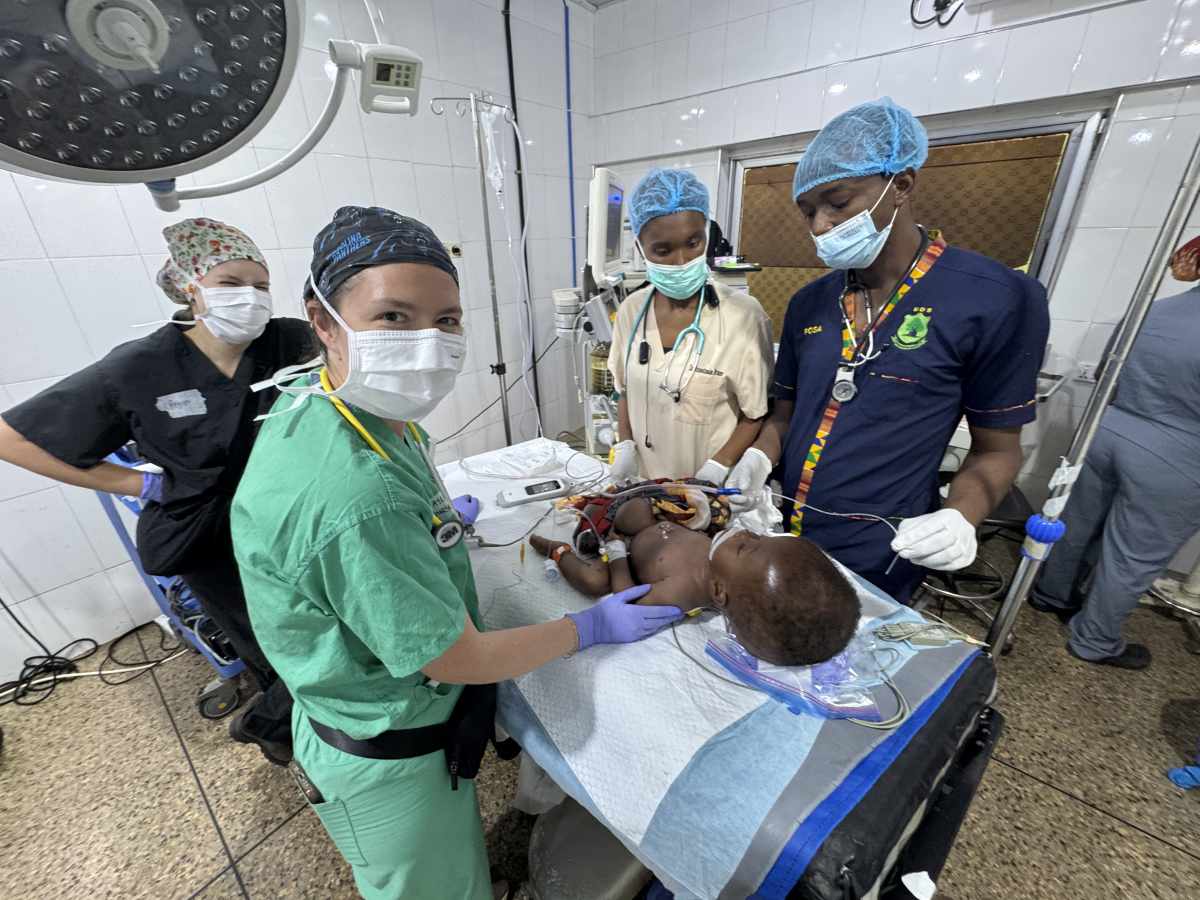
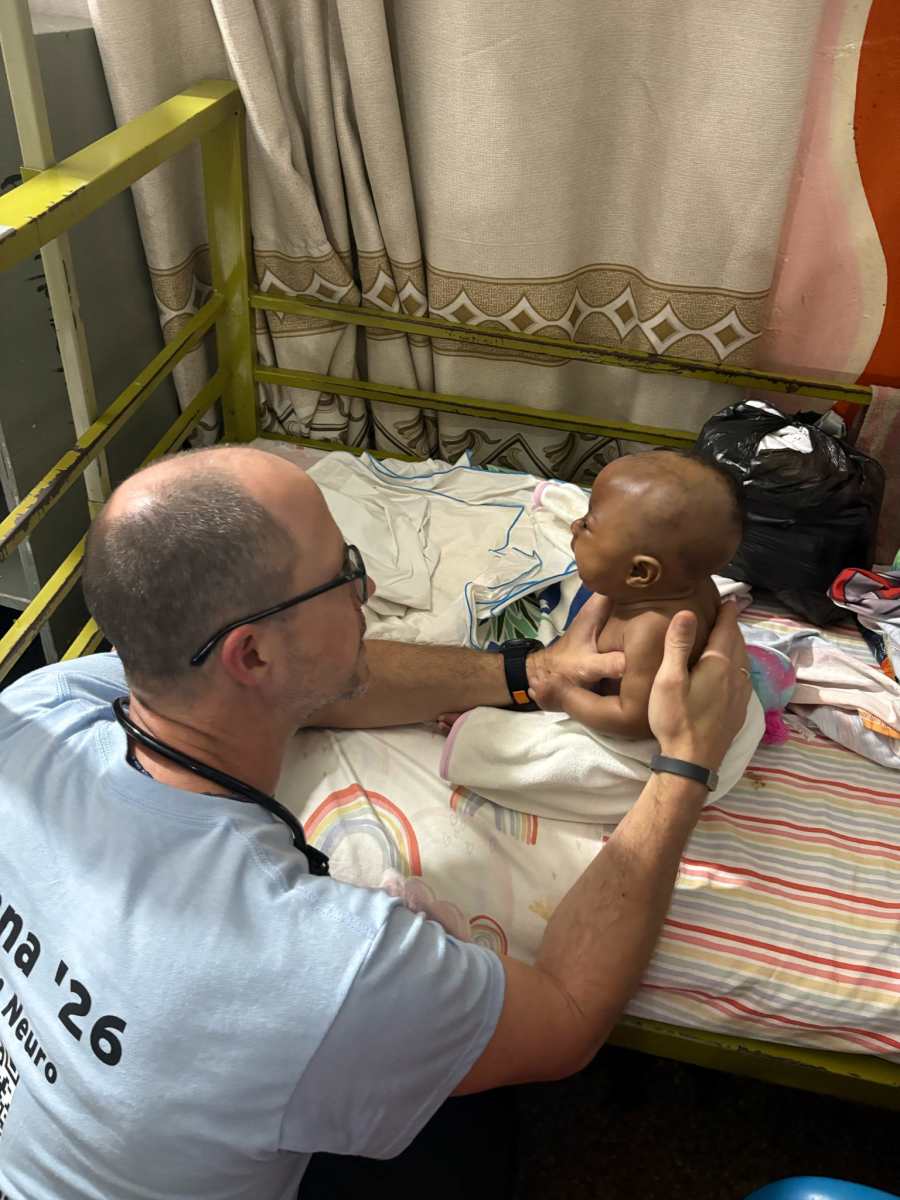
As the pediatric anesthesiologists of the team, I focused on evaluating all the children that had been seen by the neurosurgeons and deemed surgical candidates. That day I was able to see approximately 22 patients, of these, only 3 adults. There were other patients seen by the surgical team but knowing the limitations of the location, were sent to get further imaging or laboratory workup before deciding if they qualified for the surgery.
That night, the team gathered to discuss each patient and planned the surgeries and ORs by date and age (1 OR for adults spines, 2 ORs for pediatric patients).
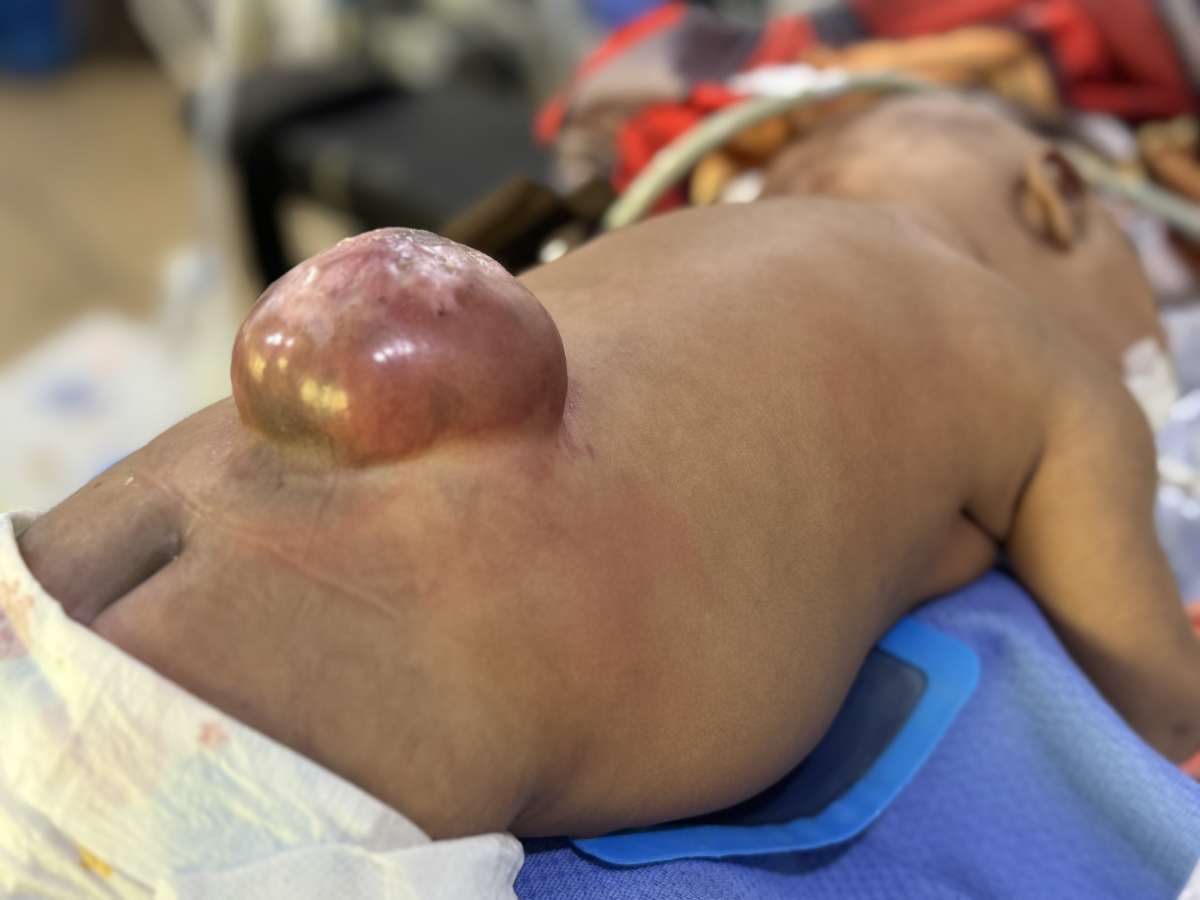
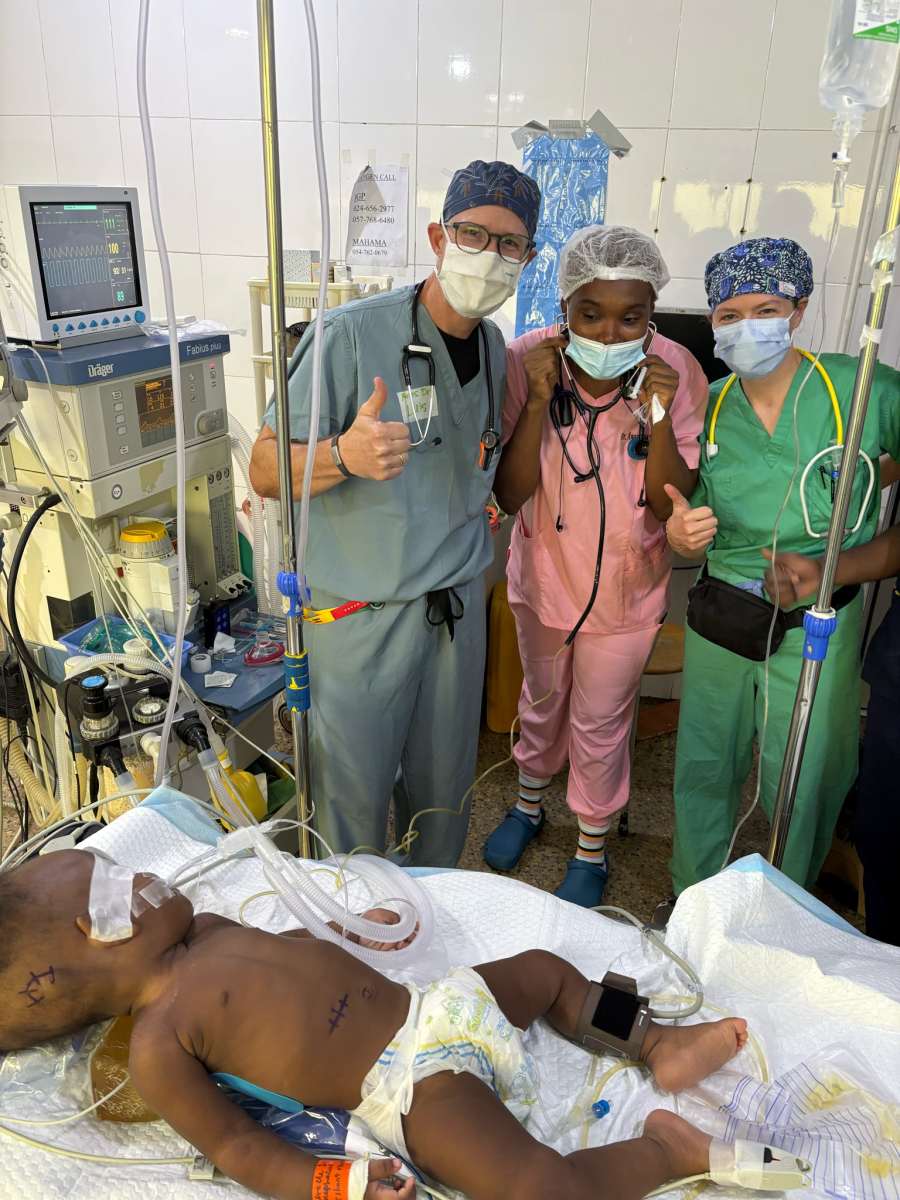
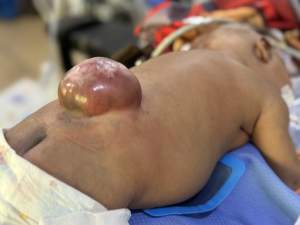
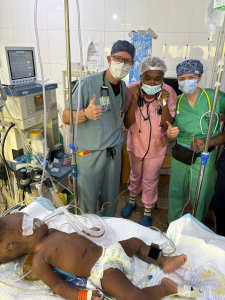
During the following 4 days, I personally took care of 9 children, with general malnutrition and degrees of pathologies. The 2 youngest and most critical patients were, a 9 week old girl, 3.5kg girl with an encephalocele; and a 5 week old, 4.5kg girl with severe obstructing hydrocephalus and malnutrition. Both surgeries were succesful and patients went from the operating rooms to the recovery and then to the wards to be observed and followed in conjunction with the local teams.
Other children I was able to care for, were 3 babies with myelomeningoceles, ranging from 10 weeks to 6 months of age. The other cases were 3 severe hydrocephalus children that required a VP Shunt or ETVs. And finally, a small child with chronic subdural hematoma that required a craniotomy for evacuation and management.
Overall, the team ended evaluating 75 patients and performed 22 life saving or life improving surgeries.
Thanks to Doximity Foundation, in conjunction with OI and Holy Family Hospital, this was the third year mission and plans continue to develop and improve local skills and education.
We worked with the CRNA local leaders and will continue improving the pediatric anesthesia education and experience as we begin to plan our 2027 mission