
From March 27 to April 4, I will be participating in a medical mission trip to Kampala, Uganda, through a collaborative effort between the University of Miami, Thomas Jefferson University, the Uganda Cancer Institute, and Mulago National Referral Hospital. This mission is made possible through the Jefferson CHANCE (Complex Head and Neck Care & Education) Program, which for the past 12 years has brought multidisciplinary teams of residents, medical students, nurses, and anesthetists to resource-limited settings where both specialized surgical care and training are critically needed.
In Uganda, many patients present with advanced disease due to limited access to early medical care. While we treat both cancerous and non-cancerous conditions, even benign tumors often progress to sizes rarely seen in the United States, causing profound impairment in speaking, swallowing, breathing and appearance. These patients often have no other surgical options.
During this 7-day mission, we will be donating our time and skills to patients while performing:
Daily operative cases involving removal of large benign and malignant tumors with complex free-flap reconstructions
Hands-on teaching and training of local trainees to promote sustainable care long after our visit
A cadaver-based anatomy and surgical skills course for local surgeons and trainees
While CHANCE supports the mission infrastructure, all volunteer surgeons are responsible for covering their own airfare, housing, meals, and required vaccinations. The estimated cost per surgeon is approximately $3,000. If you would like to support my participation in this mission, I would be deeply grateful for your help.
In Uganda, many patients present with advanced disease due to limited access to early medical care. While we treat both cancerous and non-cancerous conditions, even benign tumors often progress to sizes rarely seen in the United States, causing profound impairment in speaking, swallowing, breathing and appearance. These patients often have no other surgical options.
There will be hands on teaching and training of local trainees to promote sustainable care long after our visit. Additionally, there will be a cadaver-based anatomy and surgical skills course for local surgeons and trainees. After our leave patients will continue receiving care at the Uganda Cancer Institute.
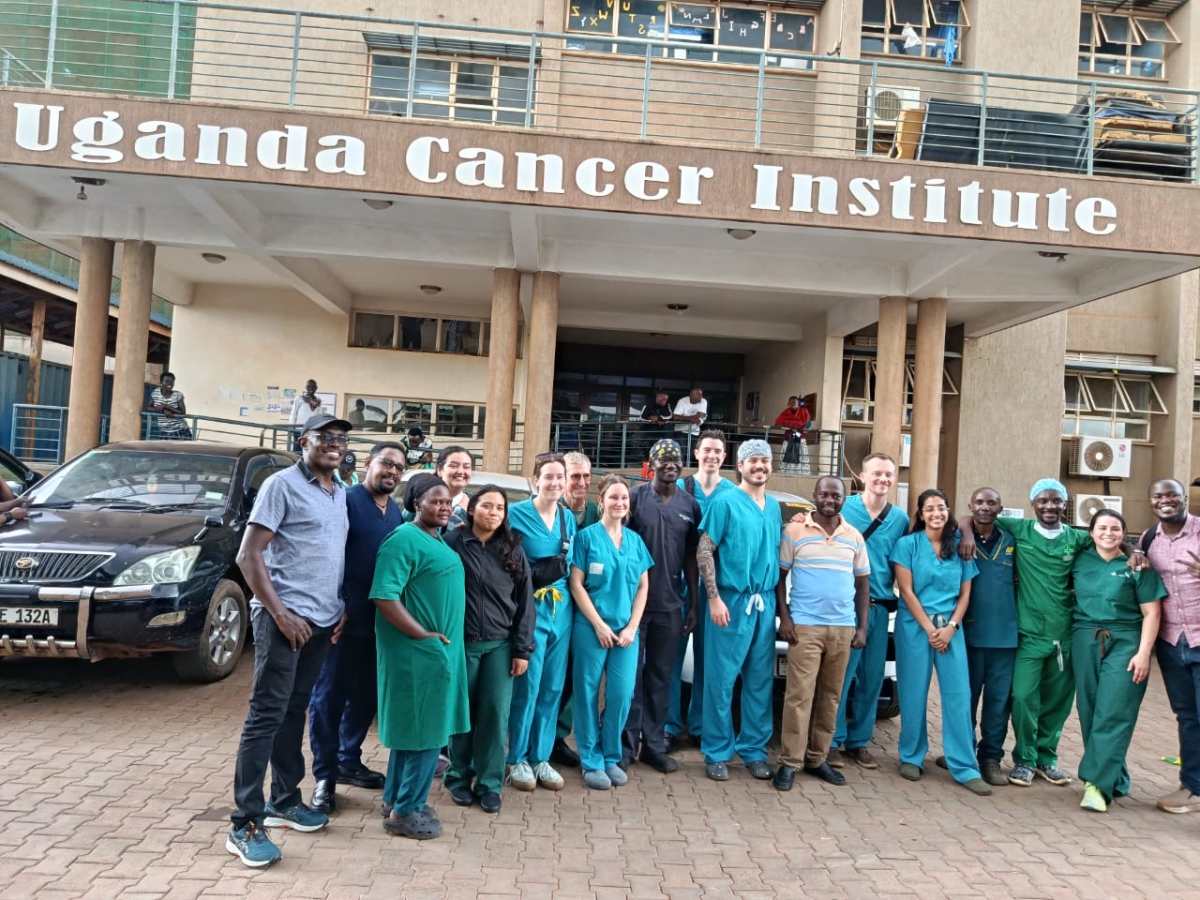

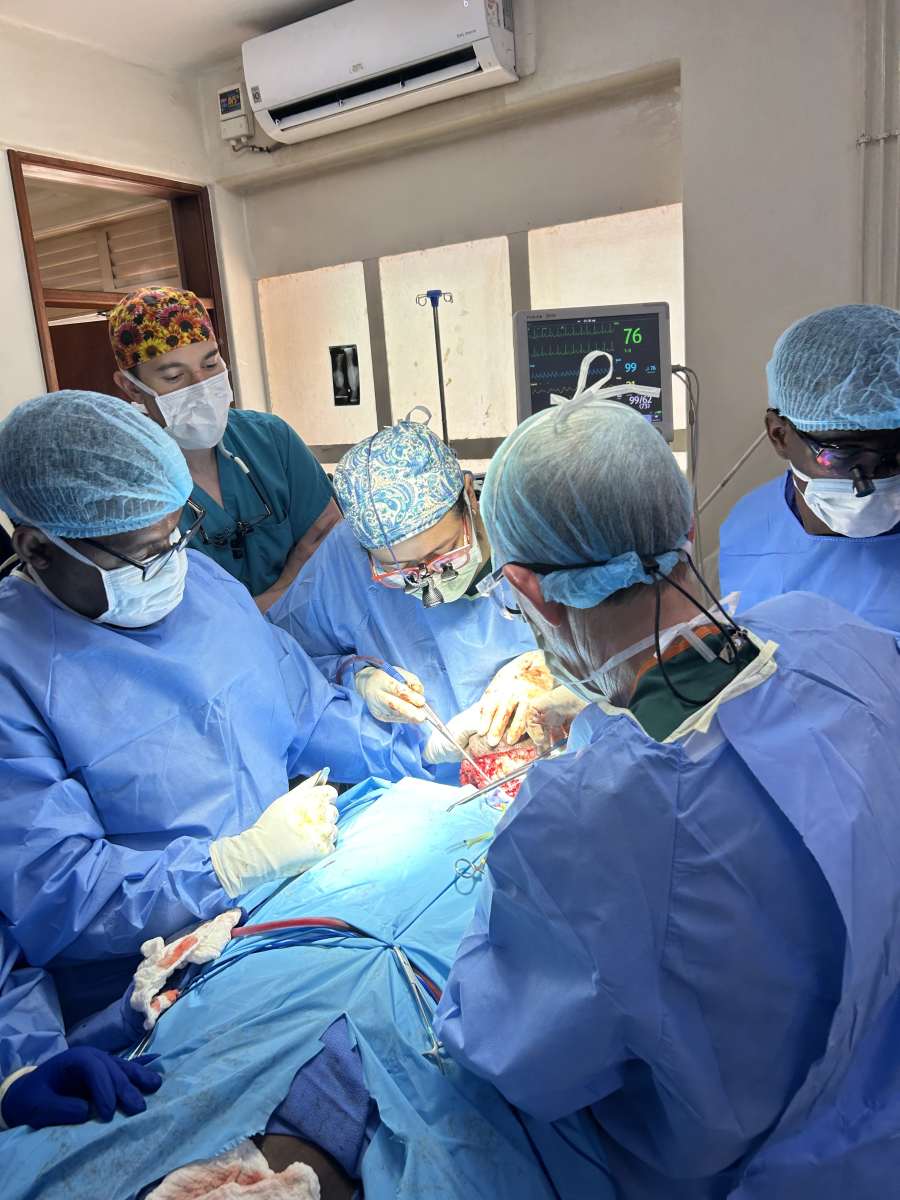


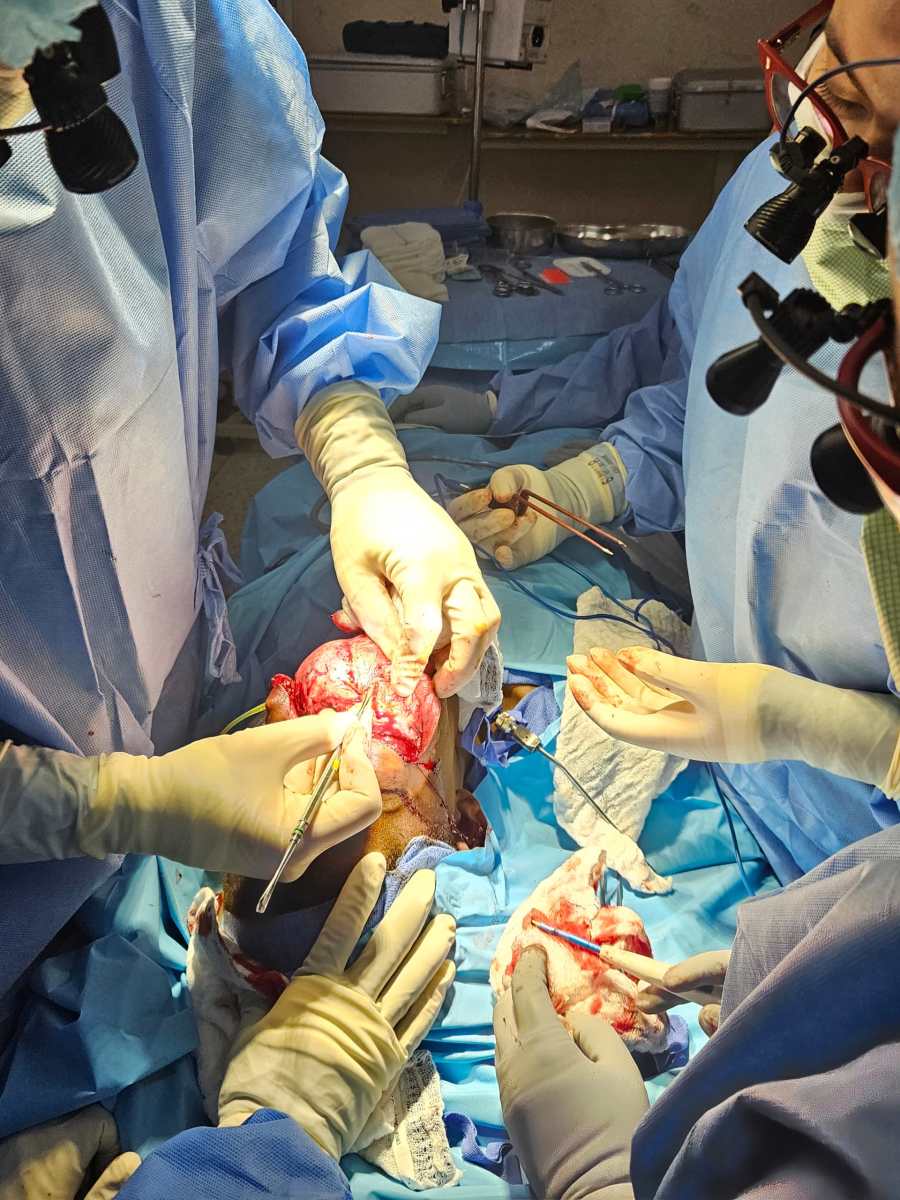



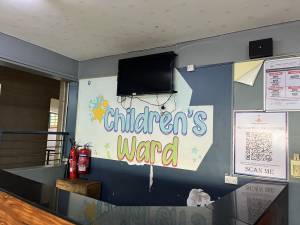


This surgical mission to the Uganda Cancer Institute in Kampala was part of a collaboration between the University of Miami Hospital and Jefferson Health, focused on expanding access to complex head and neck oncologic care. The Institute, historically a leading cancer center in East Africa, has faced significant challenges due to past political and economic instability, resulting in limited resources and workforce shortages. Despite this, it remains a critical hub for cancer care, seeing hundreds of patients daily. Current leadership is actively working to rebuild its research and clinical capacity through international partnerships like this one.
Our multidisciplinary team worked closely with Uganda's Cancer Institute's only head and neck surgeon, to provide both surgical care and knowledge exchange. Over the course of one week, we performed 12 major operations, including complex resections and 8 microvascular free tissue transfers, as well as several pediatric cases. These included advanced malignancies such as squamous cell carcinoma, rhabdomyosarcoma, and salivary gland tumors, many presenting at later stages than typically seen in the U.S. The cases highlighted both the surgical challenges and the profound impact of resource limitations on patient care.
Beyond the operating room, this experience underscored the importance of sustainable global health efforts centered on collaboration and education. Working alongside Ugandan colleagues emphasized the need for continued training opportunities and infrastructure development to support long-term growth in specialized care. The trip was both professionally and personally meaningful, reinforcing a commitment to mission-driven work and the goal of contributing to equitable surgical care worldwide.