I will take part in a multidisciplinary surgical mission to Mampong, Ghana, deploying surgeons, CRNAs, nurses, and trainees to provide essential, free surgical care for patients in the region. We will focus on addressing hernias and fibroids, both of which place a heavy burden on the population with limited access to surgical care for them. We also plan to provide hands-on operative teaching and teaching within the hospital with staff. We will conduct stop the bleed training, which teaches life saving hemorrhage control skills, in the hospital and in the community as well. The goal is to identify people who can be certified as instructors so teaching can continue after we return home.
The primary beneficiaries are adults in the Mampong region suffering from untreated hernias and uterine fibroids.
Mampong is a rural with substantial surgical burden. The hospital Tetteh Quarshie Memorial Hospital is a district hospital with an encatchment of ~100,000 patients.
These conditions that frequently cause chronic pain, anemia, disability, and loss of income due to inability to work. Secondary beneficiaries include local surgeons, nurses, anesthesia providers, and community members who will receive clinical training and STB instruction, expanding local capacity beyond the mission week.
The mission will provide immediate reduction in untreated surgical morbidity through definitive operative care while strengthening peri-operative skills among local providers. STB instructor certification will establish locally led hemorrhage-control training that continues after the team departs. Through partnership, structured teaching, and a train-the-trainer model, the project aims to create lasting improvements in surgical access, trauma preparedness, and institutional capacity in the region.

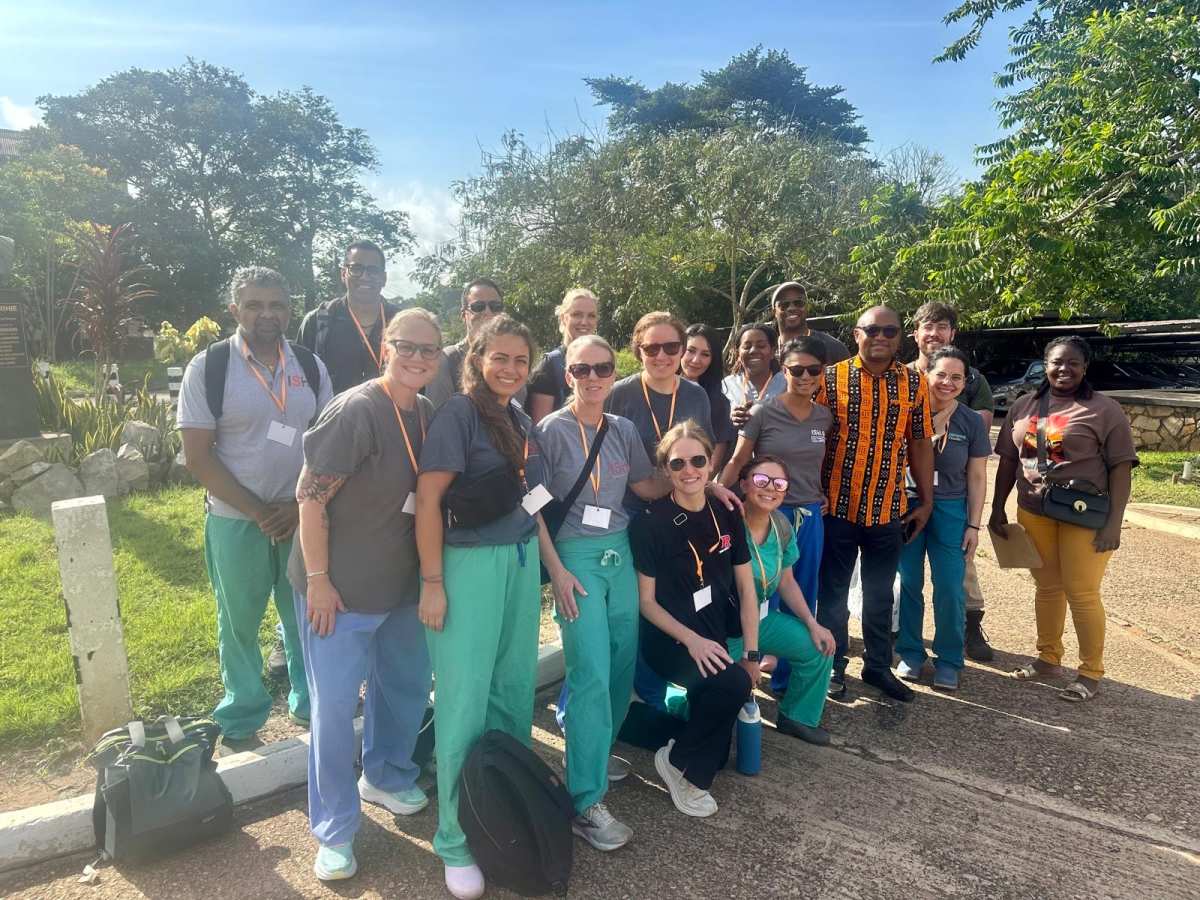
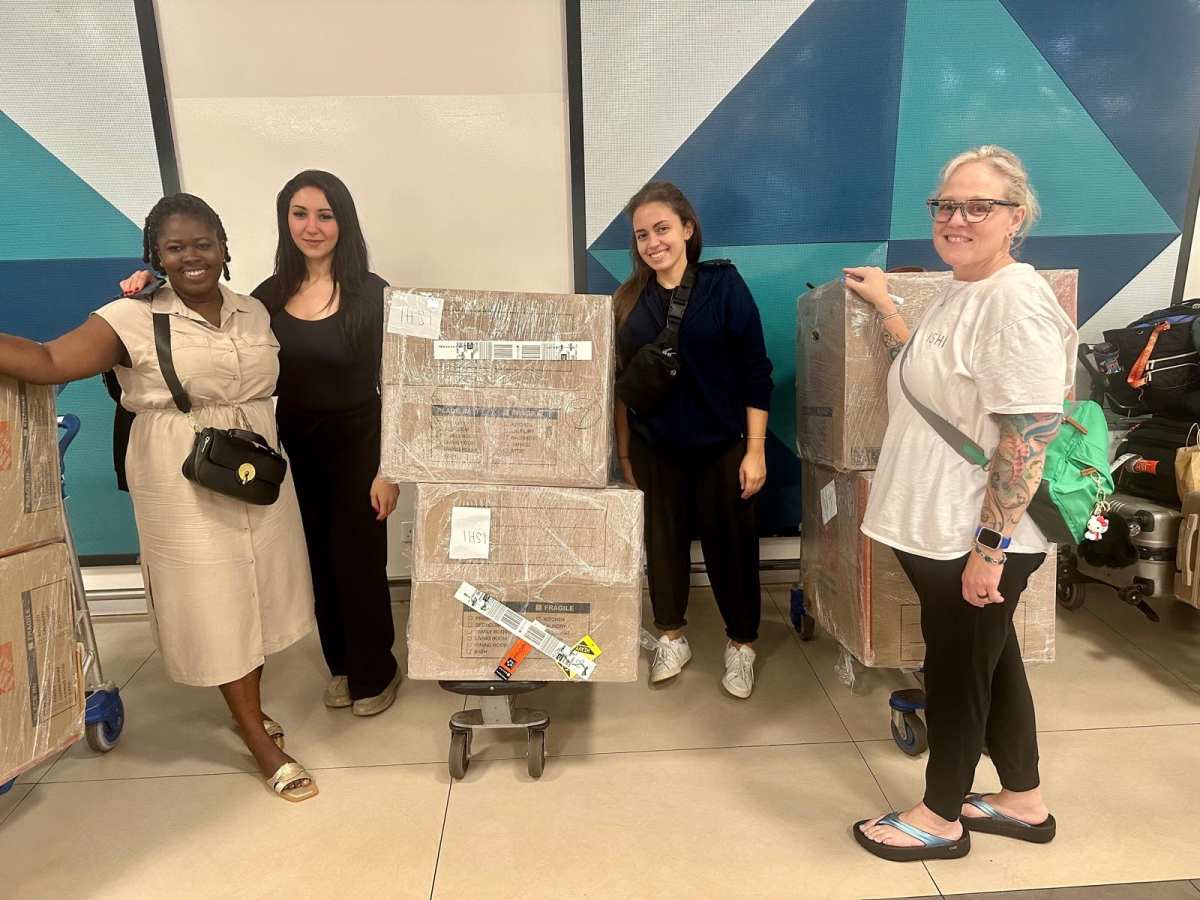
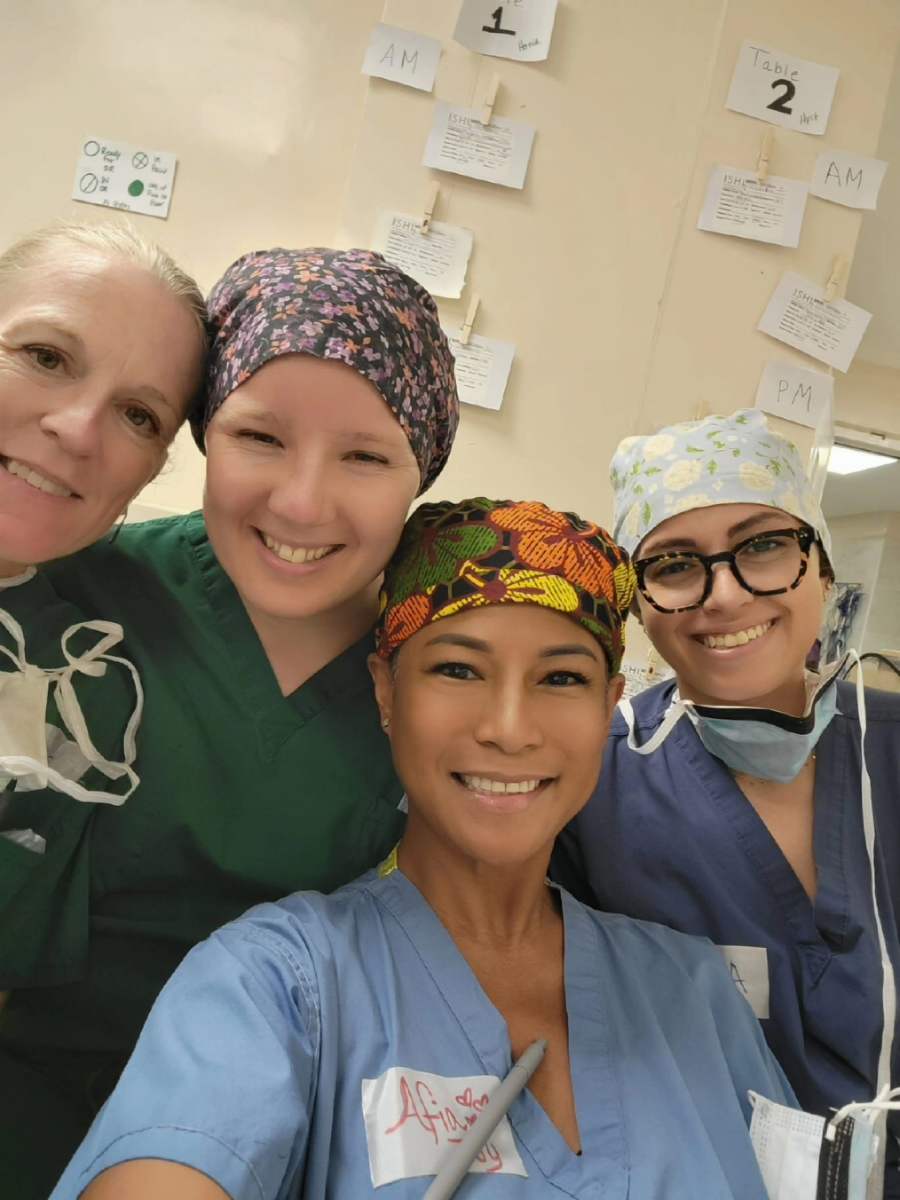
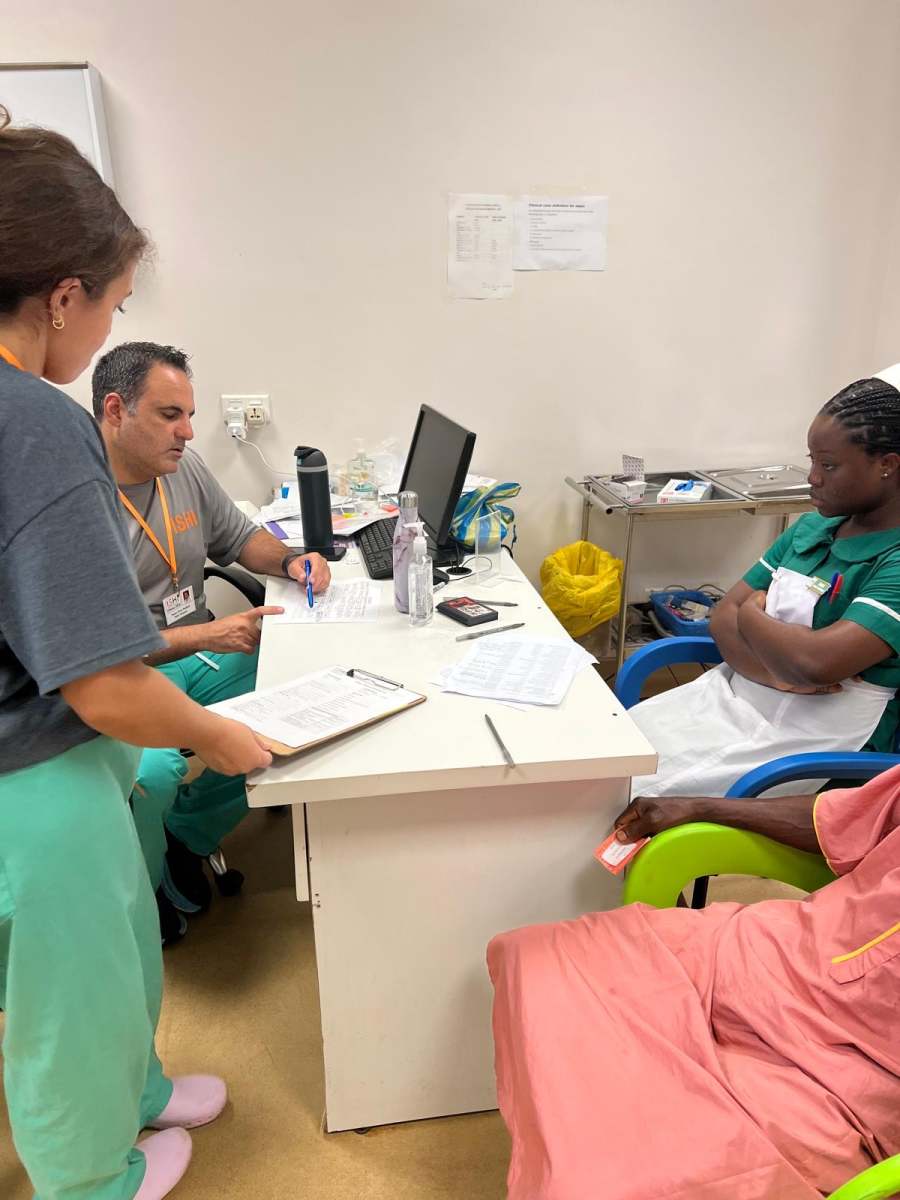
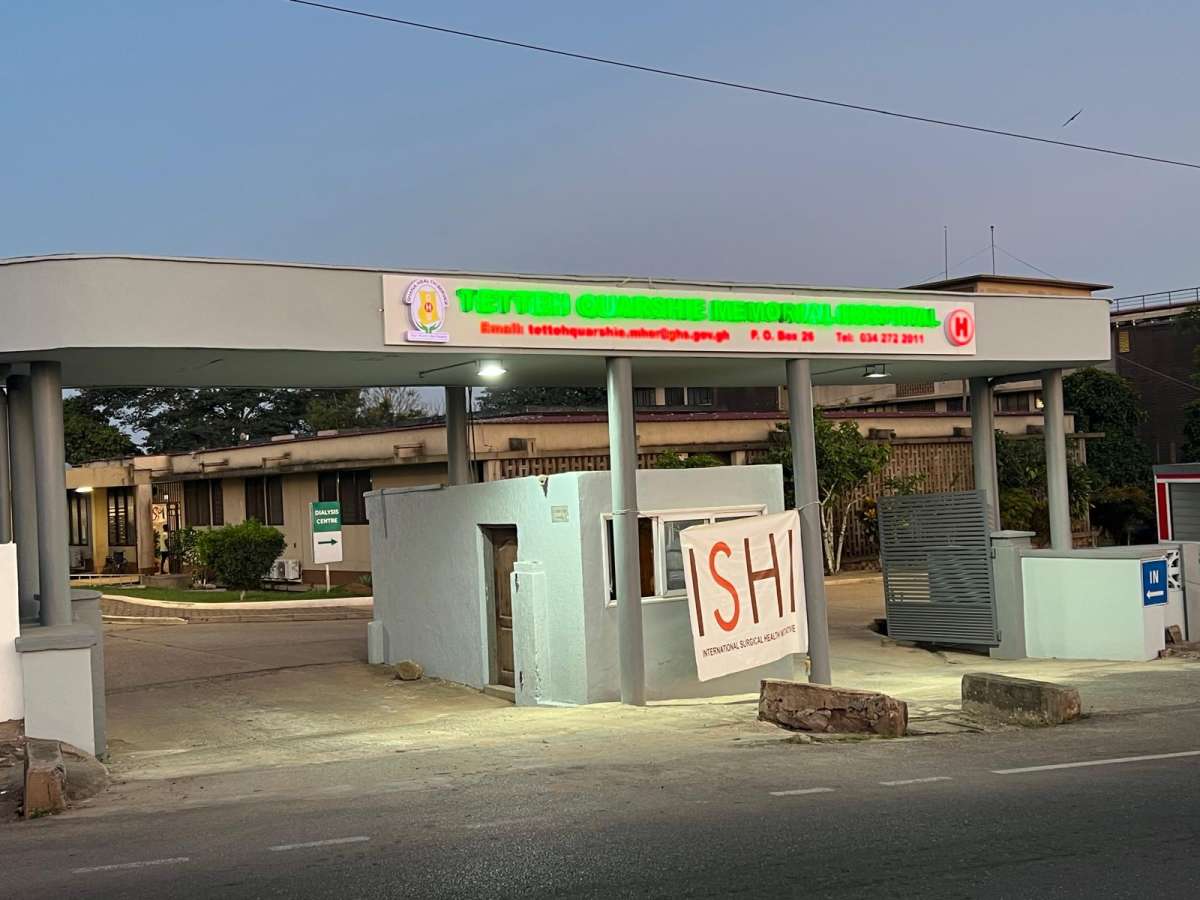
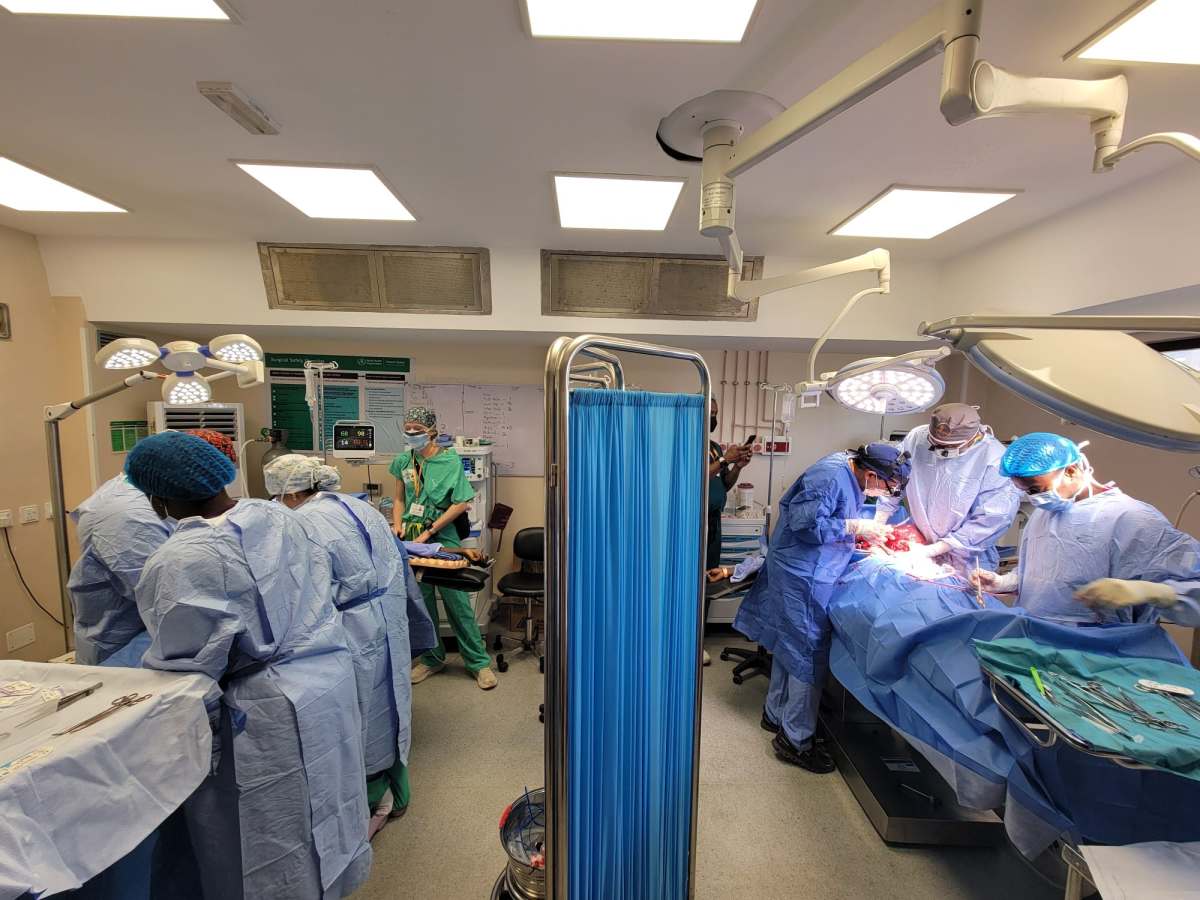

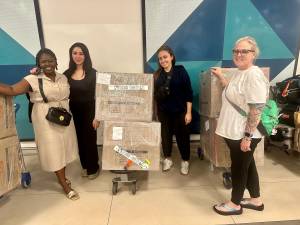
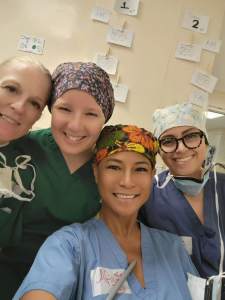
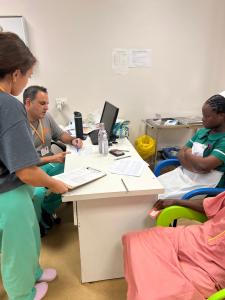
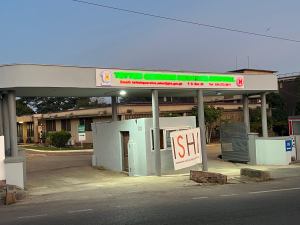
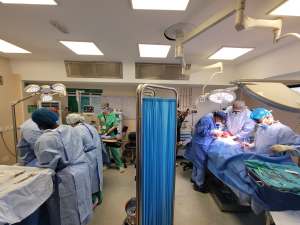
I had the privilege of returning to Tetteh Quarshie Memorial Hospital and Mampong, Ghana with 16 other volunteers. This trips focused on offering general surgery procedures (hernias and mass excisions) as well as hysterectomies. We successfully completed 51 procedures on 50 patients during our one week of operating. I remained for patient follow-up and we had a 98% follow up rate for our patients. We also focused on education while there and certified 99 people at the hospital and in the community in stop the bleed.