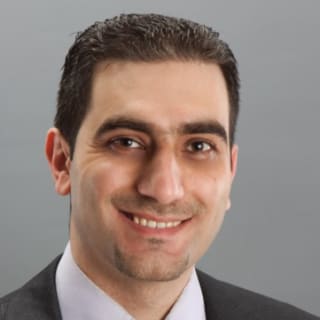
The mission consisted of an intensive week of clinical and educational activities at SAMS Heart Hospital in Idlib. The program included two days dedicated to TAVR procedures, two days of mitral valve interventions including PTBMV, and one to two days focused on ASD/PFO closures and advanced cardiac imaging. In addition to procedural work, one full day was devoted to structured education through lectures, case discussions, and hands-on training. Throughout the week, continuous bedside teaching and procedural mentorship were provided to local physicians and cath-lab teams to strengthen sustainable cardiovascular care delivery.
Poor and underserved communities in Syria who are lacking access to advanced cardiac care after years of war
Our mission to SAMS Heart Hospital in Idlib aims to provide life-saving cardiovascular treatments to poor and underserved patients while training local teams to deliver advanced care independently. Through hands-on education and program development, we strive to build a sustainable heart program that ensures long-term access to modern cardiac care for those who need it most.
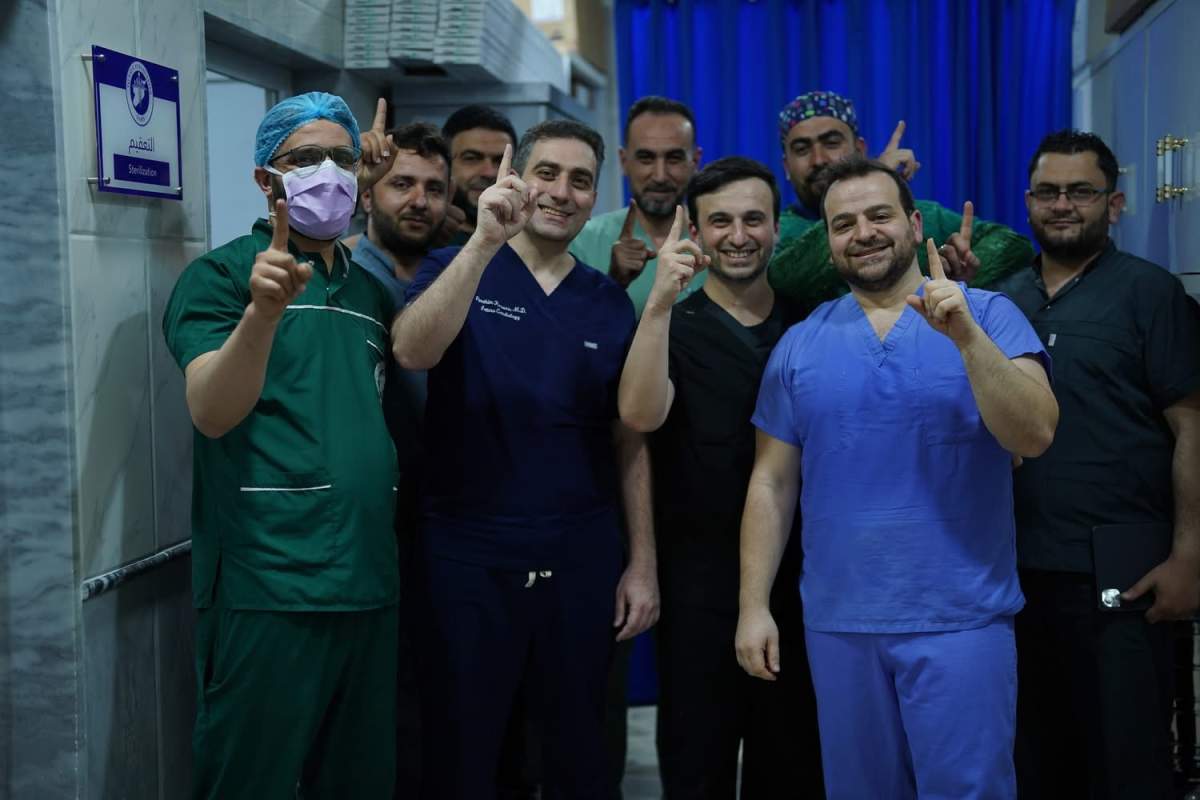

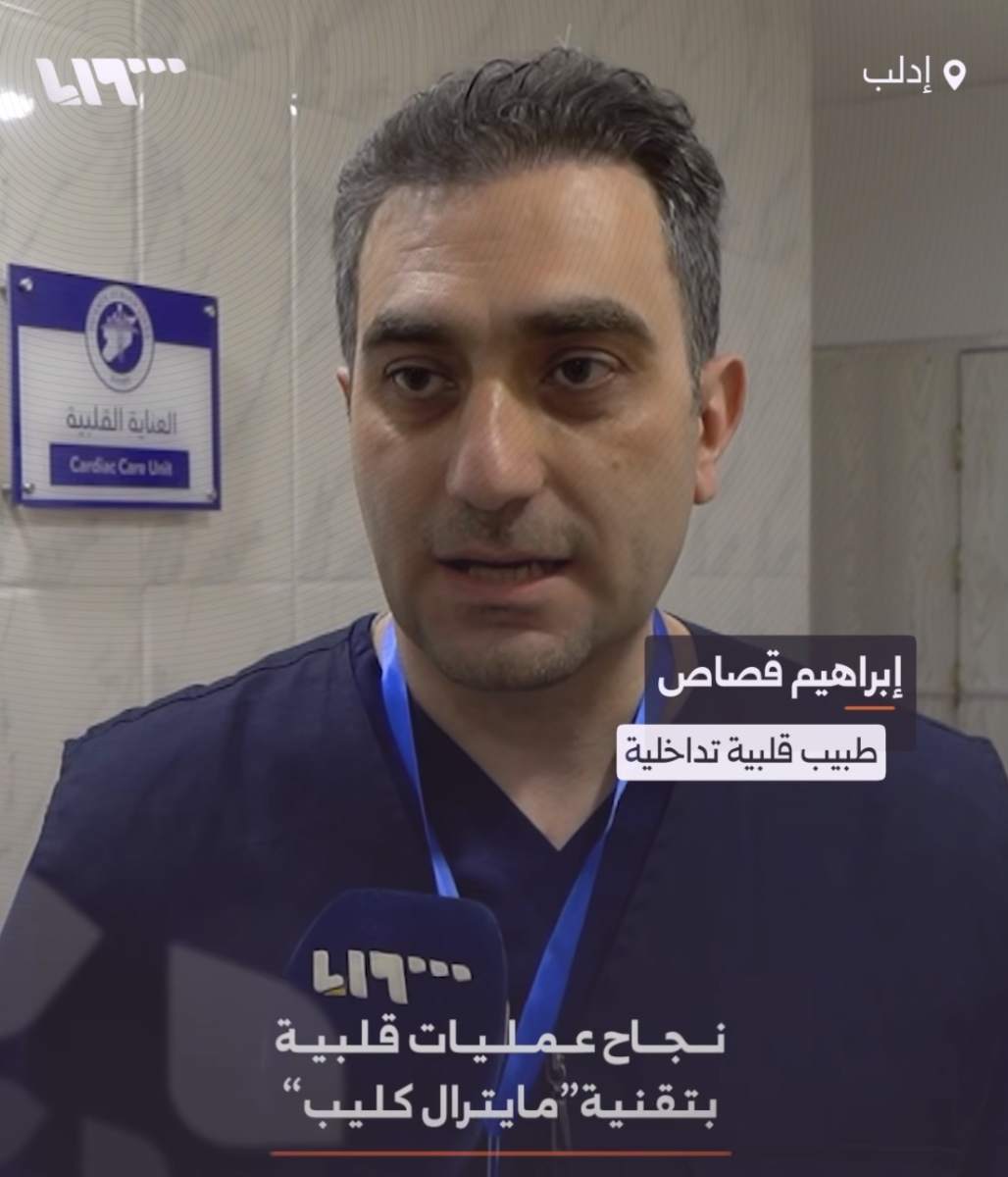
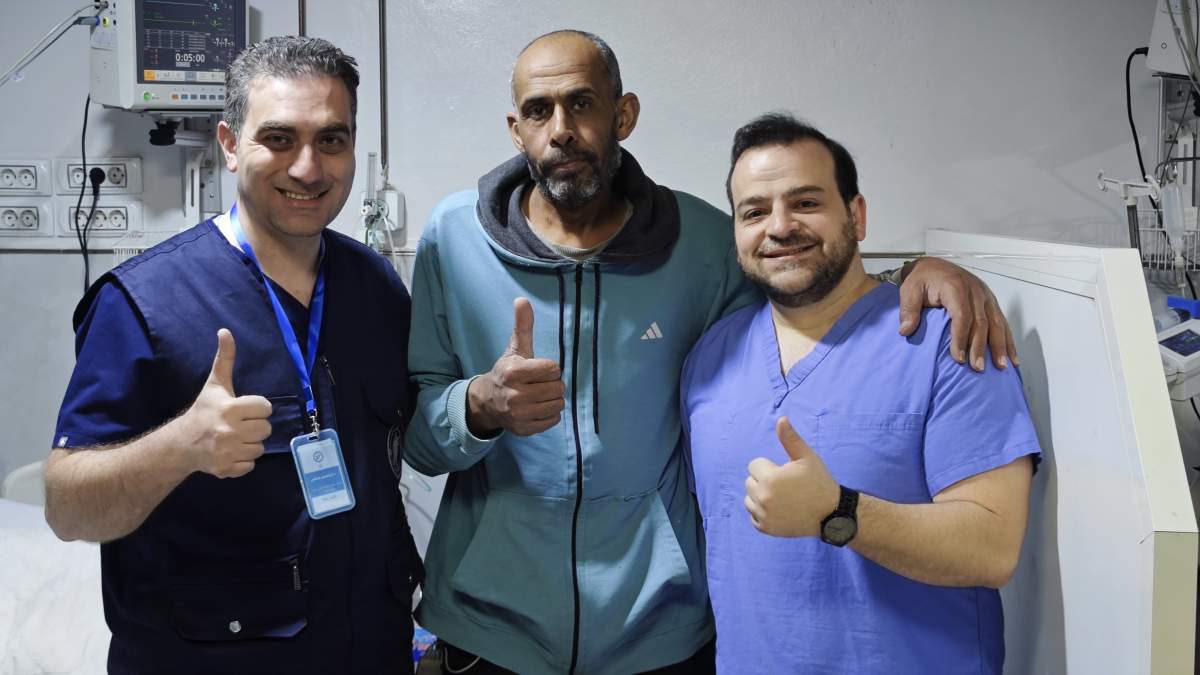
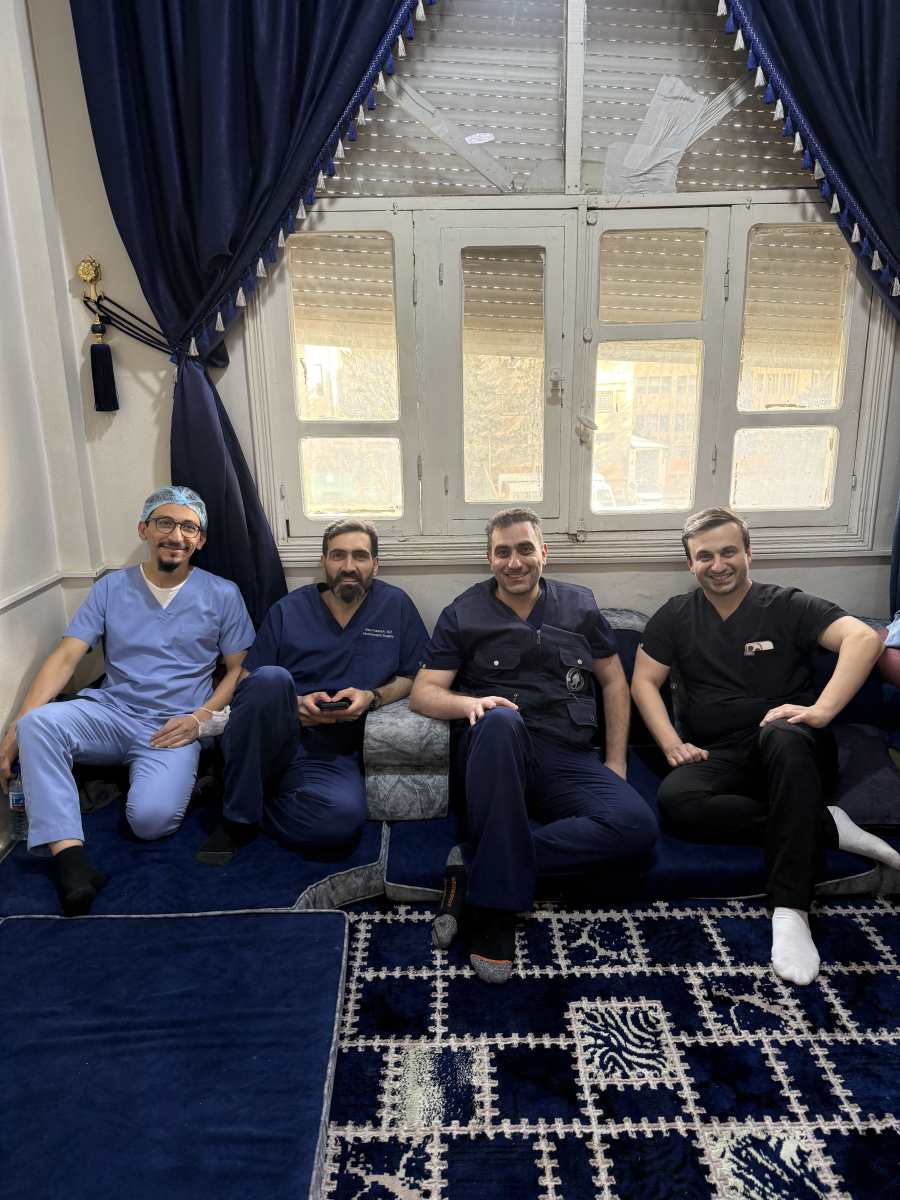

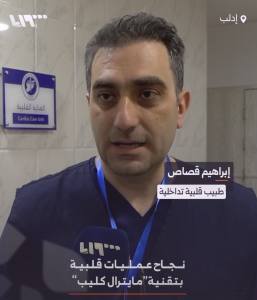
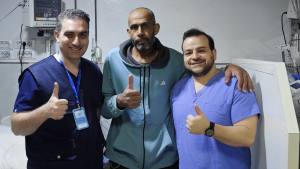
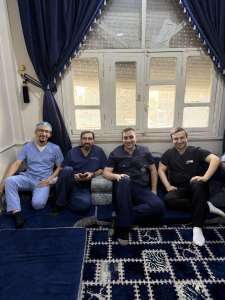
During the week of April 19–23, 2026, I had the privilege of participating in a major cardiovascular medical mission to Idlib, Syria, with the Syrian American Medical Society (SAMS). This mission represented a remarkable collaboration between dedicated physicians, surgeons, nurses, technicians, and healthcare volunteers united by a shared commitment to delivering advanced cardiovascular care to underserved patients affected by years of conflict and limited medical resources.
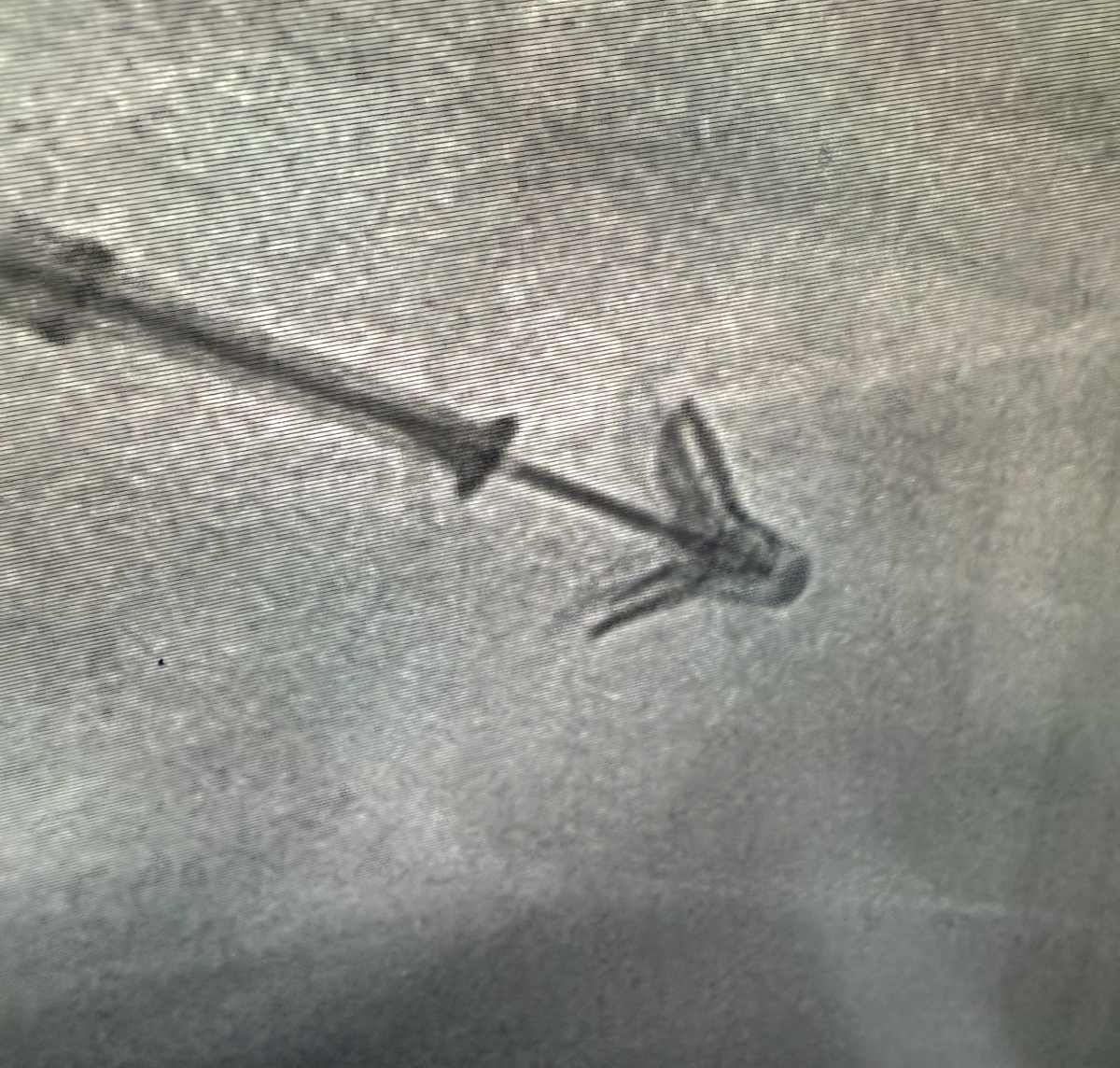
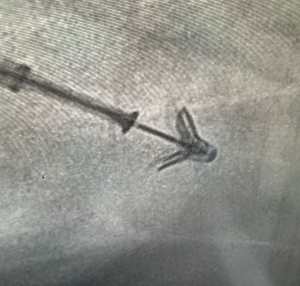
Throughout the mission, we were able to provide highly specialized structural and interventional cardiac procedures that are often unavailable in resource-limited settings. The mission included advanced structural heart interventions such as transcatheter aortic valve replacement (TAVR), including complex transcarotid and bicuspid valve cases, MitraClip procedures, ASD/PFO closures, transesophageal echocardiography (TEE), and multiple complex coronary interventions. These procedures were performed while simultaneously training and collaborating with local Syrian healthcare teams to strengthen sustainable cardiovascular care capacity within the region.
Beyond the technical success of the procedures, the mission was deeply meaningful on a human level. We cared for patients who had endured years of hardship, limited access to healthcare, and delayed treatment for life-threatening cardiovascular disease. Witnessing the gratitude and hope of these patients and their families was profoundly humbling and served as a reminder that medicine is not only about procedures and technology, but also compassion, service, and restoring dignity.
What made this mission especially inspiring was the extraordinary teamwork among specialists from different cardiovascular disciplines, including interventional cardiology, electrophysiology, cardiac surgery, imaging, anesthesia, and vascular surgery. Together, we demonstrated that advanced, high-quality cardiovascular care can be delivered successfully even in challenging environments when there is dedication, collaboration, and vision.
This experience reinforced my belief in the importance of humanitarian medical work and the responsibility we share as physicians to use our skills in service of vulnerable populations. I remain grateful to SAMS, the mission leadership, and all participating colleagues for the opportunity to contribute to such impactful and life-changing work.