
I will serve on the inpatient pediatric ward at Princess Marina Hospital in Gaborone, Botswana’s primary tertiary referral hospital, which serves a national population of ~2.4 million. My dual role will include direct clinical care and structured medical student education.
Clinically, I will function as a ward provider—evaluating patients, writing notes, and placing orders for general pediatric inpatients in a high-acuity setting where infectious diseases account for a substantial proportion of admissions. Botswana has one of the highest HIV prevalence rates globally; despite surpassing UNAIDS 95-95-95 targets, about 1-in-6 teens and young adults are HIV infected. Tuberculosis incidence remains high (over 200 cases per 100,000 population annually) with only a 67% case detection rate, and TB/HIV co-infection rates exceeding 40% among TB patients. On the pediatric ward, I will help manage HIV-related complications, TB, severe pneumonia (a leading cause of under-5 mortality globally), diarrheal illness, malnutrition, and sepsis. I will work within local protocols to ensure evidence-based, resource-appropriate care.
Educationally, I will support bedside teaching for rotating medical students, providing case-based feedback after patient encounters. I will develop lectures, chalk talks, and simulation sessions on high-yield topics including early sepsis recognition, respiratory failure, fluid resuscitation, and infection prevention. Drawing on my MPH training, I will also gauge opportunities for growth and learning in antimicrobial use, hand hygiene, and mitigation of multidrug-resistant organism transmission in hospitalized children. This combined clinical and educational effort supports both immediate patient care and long-term workforce development.
The direct beneficiaries are pediatric inpatients and medical students at Princess Marina Hospital. As Botswana’s national referral center, the hospital receives patients from urban and rural districts, including communities located hundreds of kilometers from Gaborone. Many children present with advanced disease due to delayed access to subspecialty services.
Botswana has achieved enormous success in HIV control, yet HIV prevalence remains ~20% among adults, resulting in substantial numbers of HIV-exposed infants. Infectious diseases, malnutrition, and complications of prematurity remain leading contributors to pediatric morbidity. Children from rural districts experience higher barriers to early diagnosis and consistent follow-up.
Medical students rotating in the pediatrics ward represent the future physician workforce. After graduation, they will serve as house surgeons and registrars responsible for frontline inpatient management across district and referral hospitals nationwide. Investing in their clinical reasoning, early recognition of deterioration, and evidence-based infectious disease management provides a scalable intervention. Even incremental improvements in training quality can influence thousands of pediatric encounters over the course of a single physician’s career.
The primary expected impact is measurable educational capacity building. Through structured bedside teaching (daily), case-based discussions, and focused didactics/simulations, students will strengthen diagnostic accuracy, management planning, and early recognition of clinical deterioration. Targeted sessions on sepsis—where early intervention can reduce mortality by 20–30% in resource-variable settings—aim to improve timely escalation of care.
Clinically, my participation will contribute to improved workflow efficiency and adherence to national guidelines for HIV, TB, pneumonia, and malnutrition management. Sustainability is central. Educational materials (slide decks, case templates, simulation guides) will remain available for reuse across future rotation blocks, potentially impacting dozens of students annually. I will also share lessons learned with residents from my U.S. training program who rotate at Princess Marina Hospital each year, supporting longitudinal partnership.
By strengthening medical student training at Botswana’s national referral hospital, the project leverages a multiplier effect: better-prepared physicians caring for thousands of children over decades, amplifying the impact far beyond a single clinical month.



Of course, the greatest impact of this trip was on myself - I learned extensively from the inpatient, outpatient, and emergency medical teams at the referral and teaching hospitals in Gaborone. I learned about their medical training system and inpatient structure, as well as about common diagnoses in outpatient pediatric clinic. I also learned about the triage and code systems in the emergency department, and the resourcefulness required when certain medications or medical supplies were unavailable.
During my time there, I taught medical students through impromptu Socratic discussions during and after rounds on patient-relevant medical conditions, as well as through more structured lectures on topics desired by the medical students, including approach to weakness and the pediatric neurological exam, and the causes and management of hypoxemia.
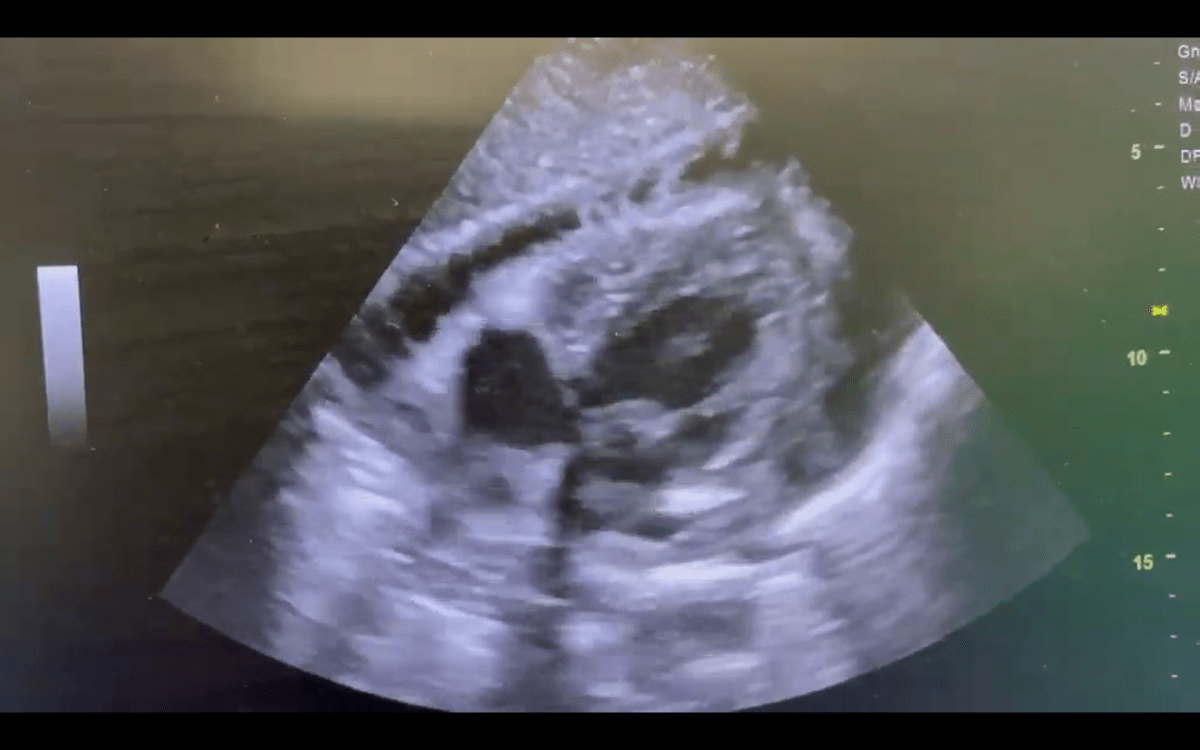
I also scanned patients in the emergency department with point-of-care ultrasound (POCUS) to evaluate trauma, shock/hypotension, and vascular patency. During my time there, some of the cases I scanned included lower limb pain in a patient with tuberculosis, heart failure with dyspnea, and suspected malignant hepatic mass. I am enormously thankful to the medical staff and patients for allowing me to participate in their medical care, and to the grant foundation for facilitating this experience.