Childhood cancer remains underdiagnosed across Sub-Saharan Africa and frequently presents at advanced stages. While access to chemotherapy and multidisciplinary care has steadily improved over the past two decades, survival for many solid tumors still depends on high-quality surgical resection performed according to sound oncologic principles. Unfortunately, formal training in pediatric surgical oncology (PSO) remains limited across the region.
Many pediatric surgery fellowship programs have expanded in response to severe workforce shortages, yet structured, disease-specific oncology training is often unavailable. As 40% of the world’s children are projected to live in Africa by 2050, building sustainable surgical oncology capacity is an urgent global health priority.
During this trip to Lagos, I will conduct an intensive course and hands-on workshop in pediatric surgical oncology. The program will focus on resource-adapted strategies for preoperative planning, safe tumor resection, lymph node assessment, intraoperative decision-making, postoperative management, and multidisciplinary tumor board participation. The curriculum will integrate case-based discussions, operative strategy frameworks, and practical tools that participants can implement immediately in their own institutions.
The goal is not only to transfer technical knowledge, but also to strengthen surgical judgment, improve documentation and staging accuracy, and reinforce multidisciplinary collaboration, all critical elements for improving childhood cancer outcomes in resource-limited settings.
The primary beneficiaries are general surgeons and pediatric surgeons practicing in Nigeria and other African countries who manage children with cancer, often without access to formal pediatric surgical oncology training.
In many regions, children with solid tumors are treated by highly dedicated surgeons who face significant constraints: limited imaging, inconsistent pathology capacity, restricted subspecialty mentorship, and delayed presentations. These surgeons carry tremendous responsibility in determining staging, operability, and surgical quality, factors that directly influence survival.
By focusing on surgeons who are already providing frontline cancer care, this project aims to amplify impact. Each trained surgeon treats dozens to hundreds of children annually. Strengthening their skills in oncologic principles, safe dissection techniques, margin assessment, lymph node sampling, and perioperative coordination will directly affect patient outcomes across multiple hospitals and regions.
Ultimately, the children and families who stand to benefit are those with curable solid tumors whose survival depends on safe, complete, and appropriately staged surgical care.
The expected impact is sustainable improvement in the delivery of pediatric cancer surgery through practical, resource-adapted education.
Participants will leave with structured frameworks for:
Preoperative evaluation and risk stratification
Operative planning tailored to local resources
Oncologic resection principles and lymph node assessment
Postoperative management and complication mitigation
Effective multidisciplinary tumor board participation
Improved operative documentation to support staging and therapy decisions
Importantly, the course will emphasize adaptable strategies rather than high-resource techniques, ensuring immediate applicability in diverse settings.
To promote durability of impact, participants will receive standardized teaching materials and clinical checklists that can be reused for local training. The workshop format encourages peer-to-peer knowledge transfer, fostering a growing network of surgeons committed to advancing pediatric oncology care.
The long-term vision is capacity building, equipping surgeons not only to perform safe cancer operations, but also to become educators and leaders who strengthen pediatric oncology systems across the region
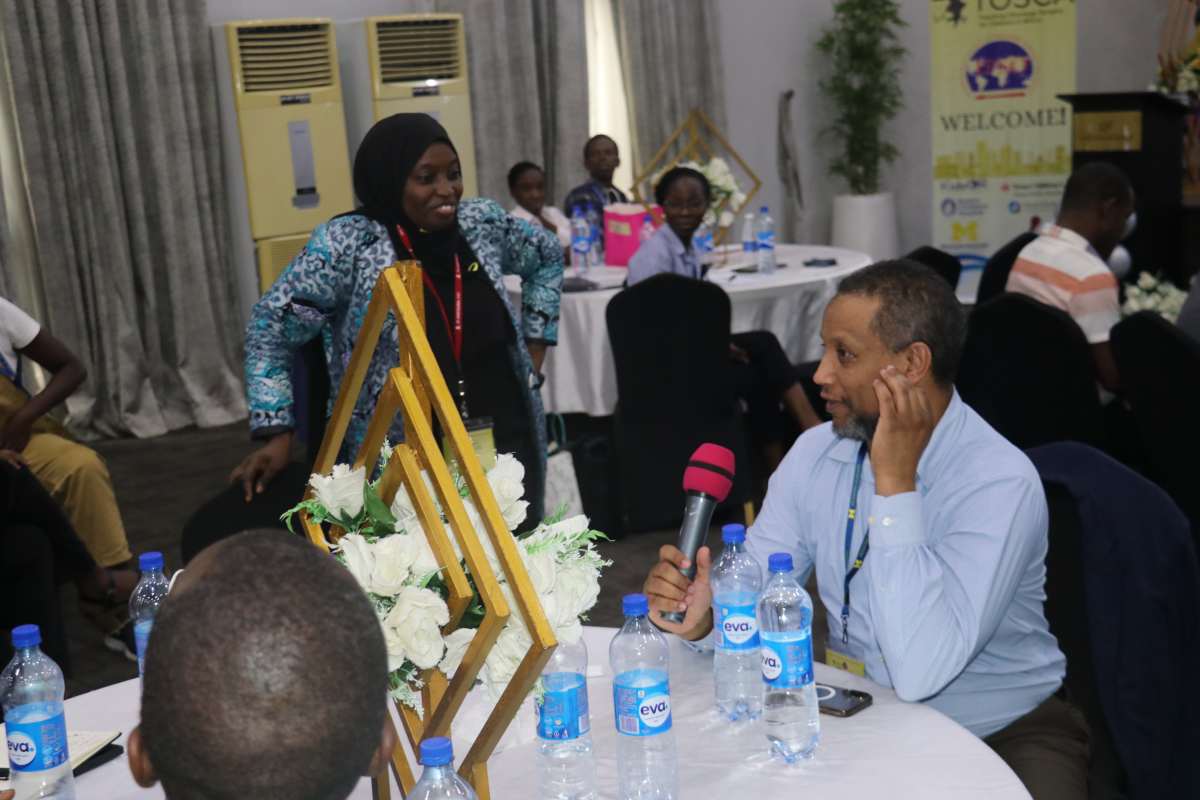
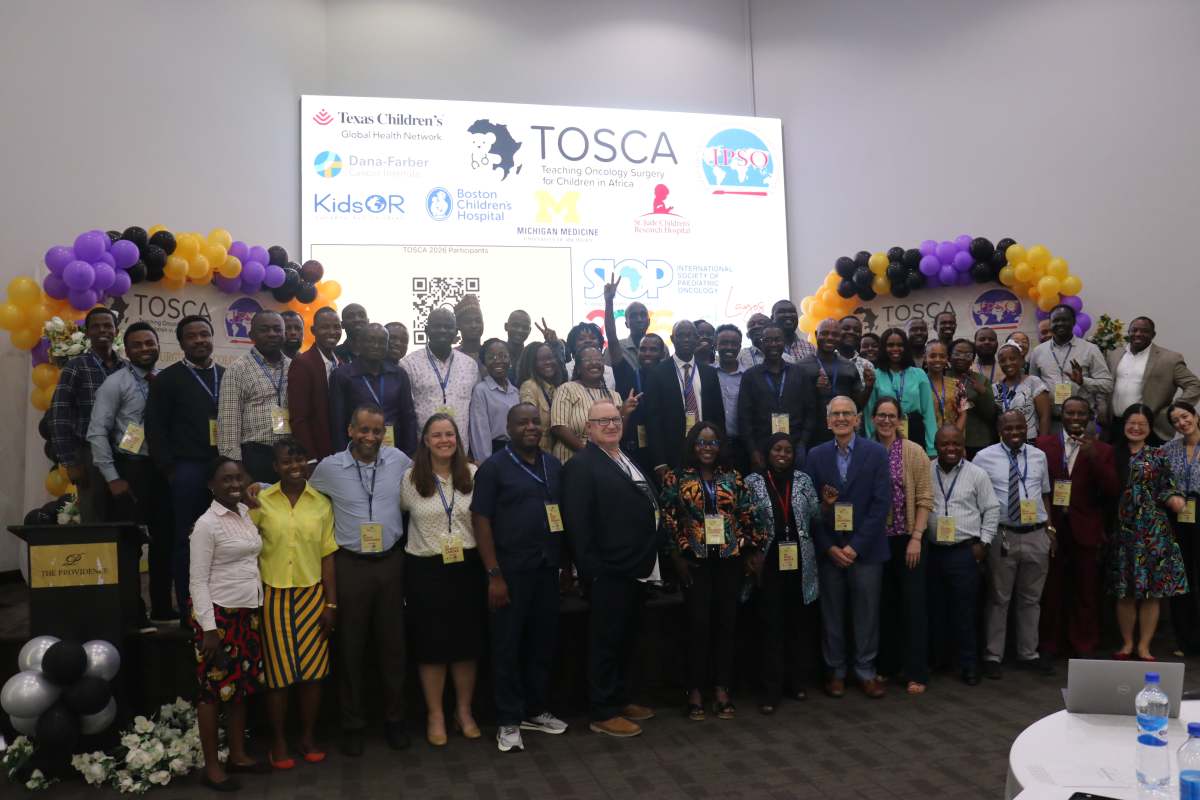
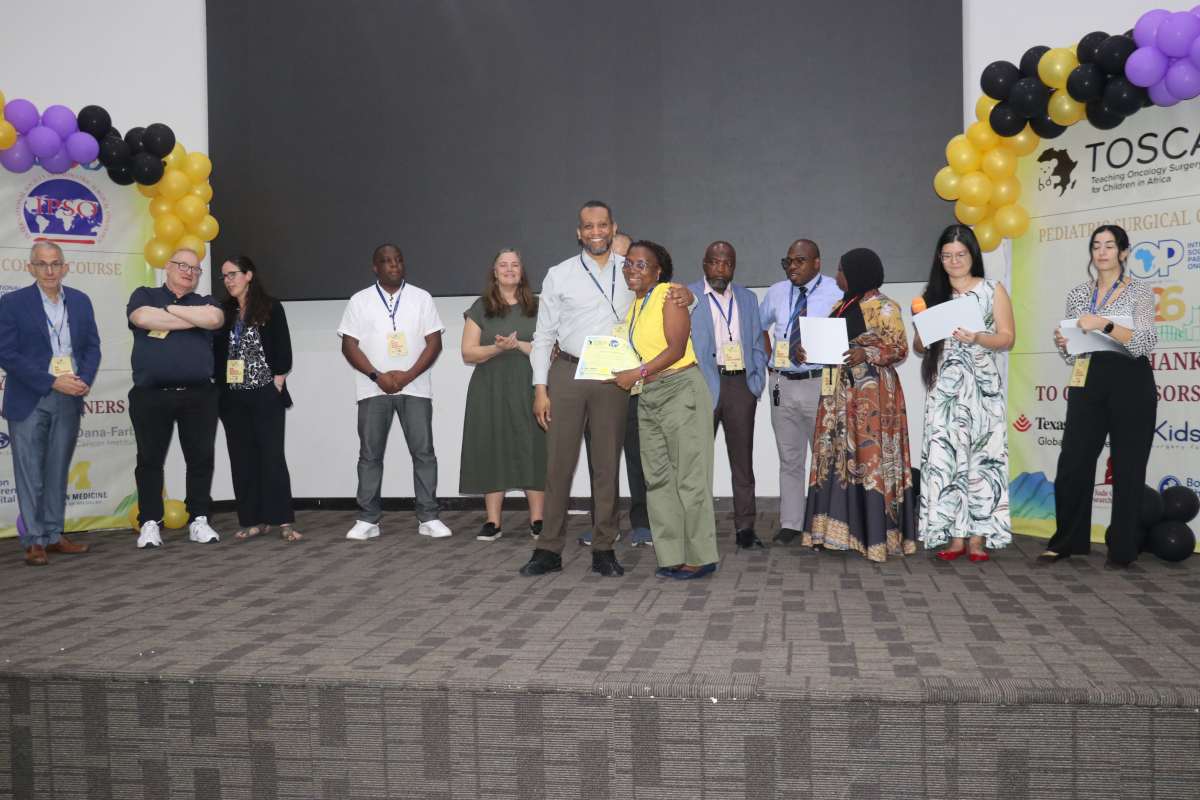
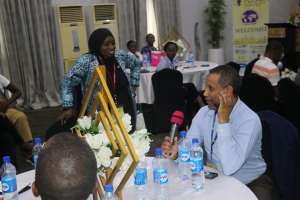
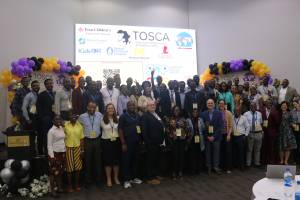
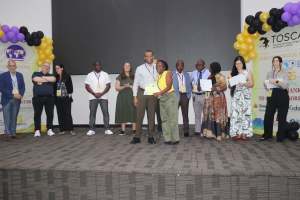
49 African pediatric surgeons were impacted by this trip focusing on learning the principles of pediatric surgical oncology.