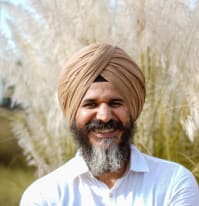
I am participating in a 4-week global health elective organized by the UC Davis Global Health Program in partnership with the 5 Rivers Heart Association in India. The trip focuses on cardiovascular health in underserved communities, particularly in Punjab, where heart disease rates are high due to limited access to specialized care, lifestyle factors, and socioeconomic barriers.
Activities include:
Conducting community-based heart health screenings (blood pressure, ECG, risk assessments)
Providing patient education on prevention, diet, exercise, and medication adherence
Assisting in awareness camps and clinical support at local facilities
Collaborating with local physicians and teams for hands-on care and knowledge exchange
This builds on established partnerships to deliver direct service while promoting sustainable improvements in community health awareness and early intervention.
Underserved rural and semi-urban populations in Punjab, India, including low-income families, agricultural workers, and communities with high prevalence of cardiovascular diseases but limited access to cardiology specialists, diagnostic tools, or preventive education. These groups face barriers like geographic isolation, economic constraints, and cultural factors affecting health-seeking behavior.
This trip will provide direct clinical care and screenings to hundreds of patients, enabling early detection and management of heart conditions that might otherwise go untreated. Through education sessions and collaboration with local providers, we aim to increase long-term awareness, reduce risk factors, and empower communities for better heart health outcomes. The partnership with 5 Rivers Heart Association ensures ongoing local involvement, making the impact sustainable beyond our visit and contributing to global health equity in under-resourced areas. Our plan is to take other residents and fellows from united states every year for this yearly global health trip. We will be setting up 9 clinics in India over the next 7 years. We would love to set up a collaboration with Doximity foundation.


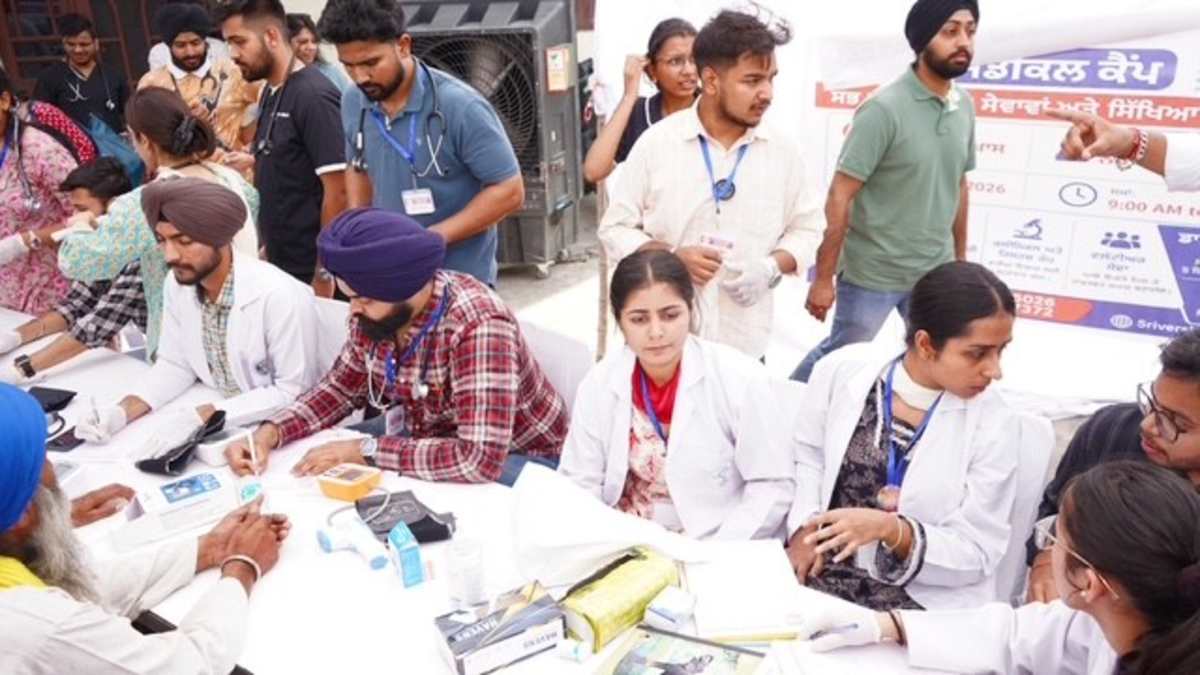


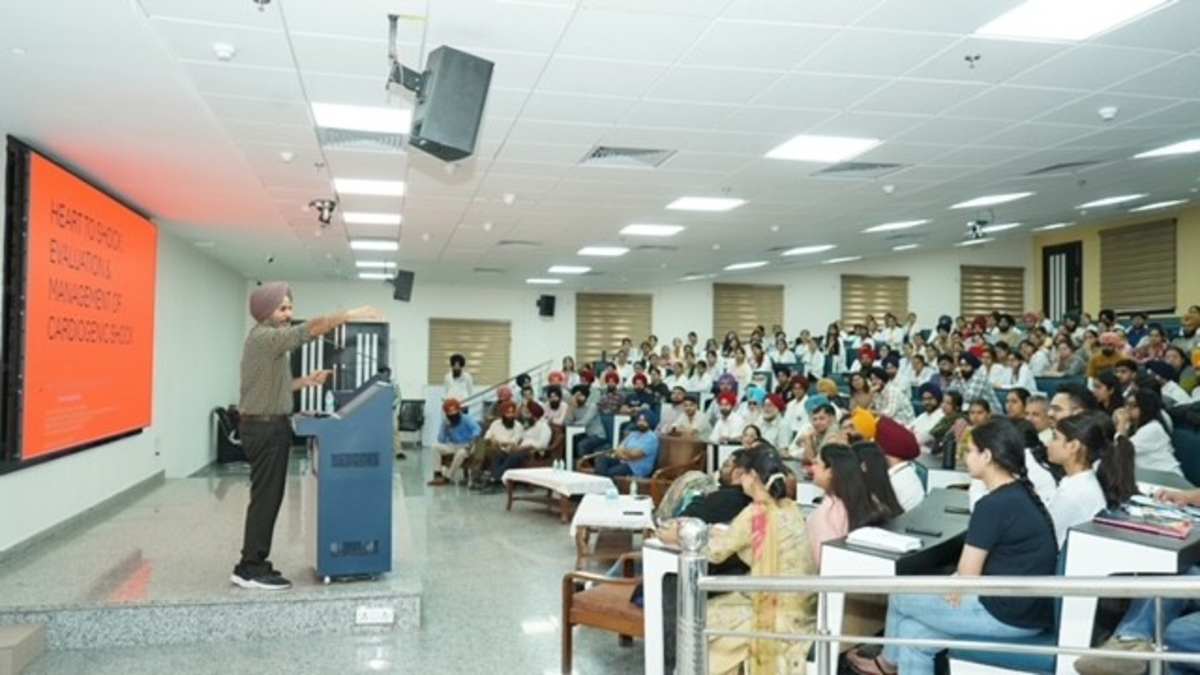


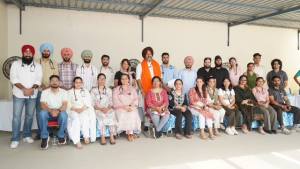
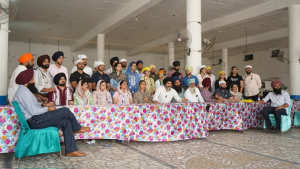


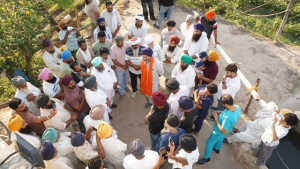


During a 30-day intensive global health mission to northern India, I delivered high-impact clinical services, advanced medical education, and established the foundation for sustainable, long-term partnerships in cardiology care. Working alongside more than 900 local physicians, our team reached over 30,000 patients through daily medical camps centered on cardio-kidney-metabolic (CKM) syndrome prevention and management. We adopted 30 villages for ongoing care, strengthened collaborations with premier medical institutions, and initiated multi-country discussions to build regional heart failure networks.
This initiative directly tackles the growing burden of cardiovascular disease in resource-limited settings. At the same time, it creates bidirectional educational and research opportunities that benefit both Indian communities and U.S. trainees. The mission exemplifies sustainable global health engagement prioritizing local ownership, guideline-driven care, and measurable outcomes all while perfectly aligning with the Doximity Foundation’s mission to empower clinicians who drive lasting impact in underserved areas.
The mission focused on bridging critical gaps in cardiac care amid rising rates of heart failure, CKM syndrome, and environmentally linked chronic diseases, including heavy metal poisoning from contaminated water that affects both cardiac and renal health.
Our accomplishments
1) High-Volume Patient Care: We organized daily medical camps that screened and treated more than 30,000 patients, supported by a network of over 900 local physician volunteers. Interventions emphasized evidence-based prevention and management of CKM syndrome, heart failure (HFrEF and HFpEF according to AHA guidelines), and cardiogenic shock.
2) Sustainable Longitudinal Care: In partnership with local authorities, we formally adopted 30 villages across northern India through the 5 Rivers Heart Association. This ensures long-term follow-up and continuity of care well beyond the mission period.
3) Root-Cause Advocacy: Productive meetings with farmers’ groups and environmental organizations advanced efforts to secure access to clean drinking water, targeting upstream contributors to cardiac disease.
4) Prevention Campaigns: In collaboration with the United Nations (California chapter), we conducted targeted doctor-to-patient education on HPV, influenza, and cancer prevention vaccines. These sessions successfully addressed misinformation and resulted in more than a fivefold increase in vaccine uptake among participating communities.
These efforts provided immediate clinical relief while establishing enduring systems for care in high-burden, underserved rural and semi-urban populations.
Apart from clinical we also made efforts on the education front. Education formed a cornerstone of the mission, promoting knowledge exchange and workforce development. I delivered 15 lectures at leading medical colleges and nursing schools across Punjab, Chandigarh, Delhi, and Jammu. Topics included advanced heart failure management, cardiogenic shock protocols (aligned with SCAI guidelines), and CKM syndrome care.
We also engaged with multiple nursing institutions to design training programs for advanced heart failure and cardiogenic shock teams. Additionally, several top Indian institutions have committed to hosting UC Davis medical students, residents, fellows, and nurses for away rotations and observerships, with housing and logistical support provided by the 5 Rivers Heart Association. This bidirectional exchange strengthens clinical skills, cultural competence, and global health leadership for all participants.
The third aspect of the trip was research. The mission laid clear pathways for collaborative research, including: Joint studies on CKM syndrome prevalence, prevention, and management. Investigations into environmental determinants of cardiac disease, such as heavy metal toxicity. Outcomes research in diverse South Asian populations and health systems strengthening.
These projects align with high-priority areas for grant funding and high-impact publications. They offer academic advancement for all involved while generating practical, actionable insights for resource-limited settings.
Apart from our immediate work we also have plans for future collaborations in India. Building on this momentum, we are advancing several key initiatives in India:
1) Assisting in the establishment and elevation of Heart Failure programs, cardiogenic shock teams and centers (SCAI-aligned), LVAD, and heart transplant programs in Punjab, Jammu & Kashmir, and beyond.
2) Supporting the State Government of Punjab’s request to strengthen preventive cardiology and CKM syndrome care in rural areas, in direct partnership with Government Medical Colleges.
3) Expanding the 5 Rivers Heart Association’s network to national health systems in Sri Lanka, Afghanistan, and Nepal for similar Heart Failure and cardiogenic shock programs.
Future phases will focus on formal institutional partnerships, joint training curricula, shared research protocols, and scalable models that can be replicated across regions. This approach ensures a low-barrier, high-sustainability framework grounded in strong local ownership.
This mission highlights the transformative power of physician-led, sustainable global health work. By sharing expertise in heart failure and CKM care with populations facing enormous disease burdens, we deliver immediate clinical benefits while building capacity that endures long after the visit. Leading U.S. institutions such as Mayo Clinic’s International Health Program, Johns Hopkins Center for Global Health, Cleveland Clinic, and Mass General Brigham have demonstrated that such engagements enhance institutional reputation, boost research productivity, enrich training experiences, and foster meaningful innovation through cross-cultural learning.
For Doximity members and the broader physician community, this model shows how targeted trips can plant the seeds for multi-year, transformative impact. I am eager to share lessons learned, data, and best practices with the Doximity network to inspire and support fellow clinicians in their global health efforts.
This 30-day mission to India marks a pivotal step toward equitable cardiac care across borders. With the generous support of the Doximity Foundation enabling such travel, we can continue bridging divides in knowledge, resources, and health outcomes for underserved communities worldwide.
I remain deeply grateful to my UC Davis Health colleagues, particularly the Heart Failure team under Dr. Thomas Smith and Dr. Martin Cadeiras for their steadfast support, which allowed this work without compromising patient care at home. I welcome opportunities to present our findings, collaborate on future grants, or contribute to Doximity Foundation initiatives.
Together, through sustained partnerships, we can meaningfully reduce the global burden of cardiovascular disease.