Our team of perioperative specialists will travel to support two operating rooms at a partner site already engaged with Operation International’s surgical mission program. Rather than performing procedures ourselves, our mission is purely educational — we are there to teach, empower, and build lasting capacity within the local healthcare workforce.
We will work side-by-side with local physicians, nurses, and scrub technicians as they care for their own patients, offering real-time clinical teaching grounded in the realities of their available resources. Our goal is not to transplant a Western model of care, but to help local staff deliver higher-quality, safer perioperative care with what they already have. We will also donate intubation mannequins to support ongoing airway management training long after we leave.
What makes this initiative distinctive is its design for sustainability. By embedding our visits between existing Operation International surgical mission trips, the skills and knowledge we introduce will be reinforced repeatedly over time. We are planning two trips this year alone, and this is the beginning of a long-term commitment.
The impact of this work will extend far beyond any single patient or procedure. When a nurse or anesthesia provider gains confidence in managing a difficult airway, or a scrub tech understands the stakes of sterile technique, that knowledge ripples outward to every patient they will ever care for. We are not just improving outcomes today — we are investing in a generation of safer surgical care.
The immediate beneficiaries of this project are the perioperative healthcare providers at our partner site — the physicians, nurses, anesthesia providers, and scrub technicians who show up every day to care for surgical patients under genuinely difficult conditions. By strengthening their clinical knowledge, technical skills, and confidence, we create a multiplier effect: every provider we reach goes on to impact hundreds or thousands of patients over the course of their career.
The ultimate beneficiaries, of course, are the patients themselves — community members who depend entirely on this facility for surgical and anesthetic care, often with no alternative available to them.
We chose this population and this site deliberately. The facility already has the basic infrastructure to support surgical and anesthetic care, and local staff are already providing it every day. This is not a site starting from zero — it is a site with motivated, capable providers who are working at the limits of their training and resources. That is precisely where focused, high-quality perioperative education can be most transformative.
Because the foundation is already there, our teaching does not disappear when we leave. Skills and knowledge build on existing practice rather than existing in isolation. Additionally, this site is already an established partner with Operation International, meaning our educational visits are embedded within a broader, ongoing mission framework — ensuring what we teach is revisited, reinforced, and retained.
This is a population with the capacity to absorb what we offer and the dedication to use it. The potential for lasting impact is exceptional.
The expected impact of this project operates on two levels — immediate and generational.
In the immediate term, local physicians, nurses, anesthesia providers, and scrub technicians will gain practical, evidence-based skills in perioperative safety, airway management, anesthetic technique, and surgical support. These are not abstract lessons delivered in a lecture hall — they are taught in real time, at the bedside, as local staff care for their own patients. That clinical context makes the learning stick.
The intubation mannequins we are donating will remain at the facility permanently, giving staff a tool to practice and refine airway management skills independently long after our team has returned home. This single contribution has the potential to prevent anesthesia-related deaths for years to come.
What gives us the greatest confidence in lasting impact, however, is the structure of the program itself. By scheduling our visits in between existing Operation International surgical mission trips, the skills we introduce are not left dormant — they are activated, observed, and reinforced by subsequent visiting teams. We are also planning two trips this year, allowing us to assess what has been retained, address gaps, and build on prior teaching in a meaningful way.
Perhaps most importantly, we are not arriving as outsiders who perform and then leave. We are there to instill confidence and professional ownership in local providers — to help them see themselves as capable, skilled clinicians who can advocate for their patients and continue improving their practice independently.
The knowledge and confidence we leave behind will influence every patient this team cares for in the years ahead. That is the legacy we are building.


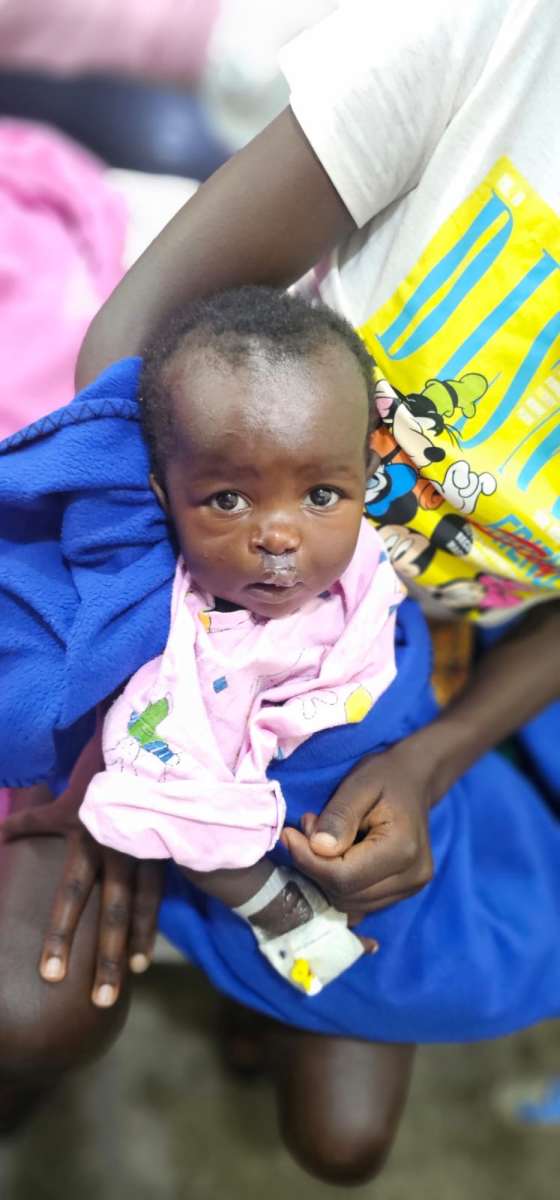
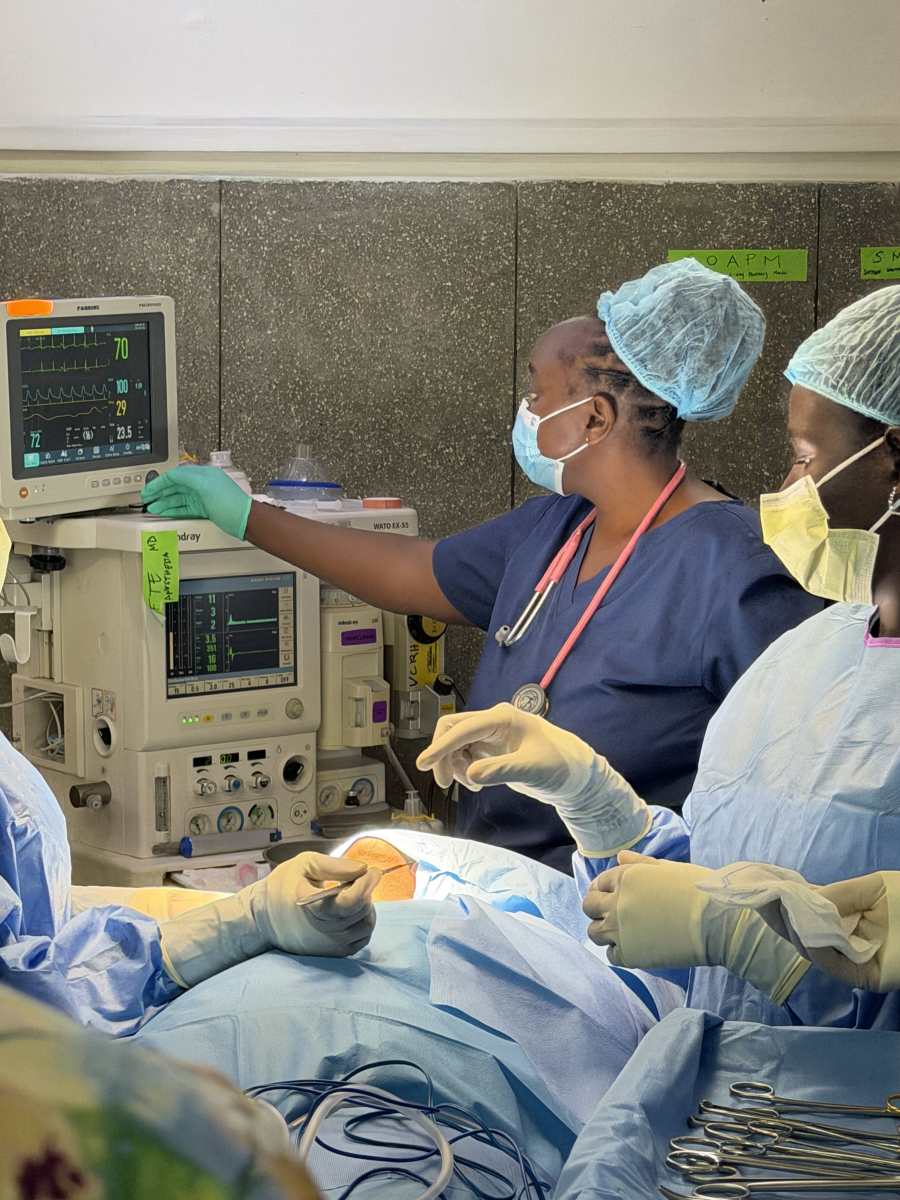


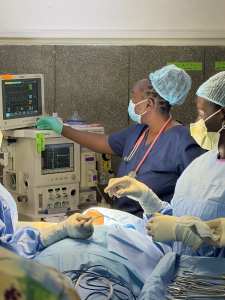
We collectively provided over 500 hours of education to healthcare providers in Western Kenya. The downstream impact of this type of global health is exponential.