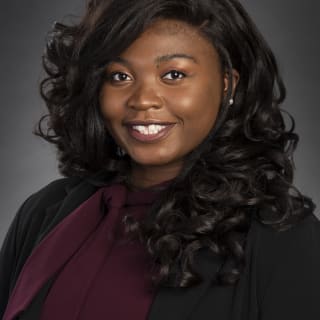
The purpose of this site visit is to initiate a prospective validation study titled "Scaling Surgical Access for Open Fractures in Uganda." My primary objective is to finalize the operational framework for three critical research foci: (1) Task-Sharing Validation: Finalizing the enrollment logistics to compare clinical outcomes between non-specialist providers and orthopedic surgeons; (2) Competency Standardization: Conducting pilot training sessions and refining assessment tools for non-specialist cadres; and (3) Timing Protocol Optimization: Mapping the local "injury-to-fixation" timeline to ensure accurate data capture of stabilization intervals (antibiotics, washout, and coverage).
During this visit, I will perform site assessments at Mbarara Regional Referral Hospital, meeting with local surgical leads to harmonize data collection via REDCap. This project makes a difference by shifting the task-sharing model from an informal necessity to a formal, evidence-based policy. By validating that non-specialists can provide safe, timely stabilization when trained correctly, we can drastically reduce the current 20-25% infection and amputation rates that plague the 45 million people served by fewer than 50 surgeons.
The primary beneficiaries are adult and adolescent patients (age 15+) in Uganda presenting with Gustilo II/III open fractures, injuries that are currently the leading cause of preventable surgical disability in the region. This population is uniquely vulnerable due to the high incidence of road-traffic accidents and a severe "specialist deficit."
In Uganda, the majority of the population resides in rural areas where access to an orthopedic surgeon is virtually non-existent. These patients often face delays of 48+ hours or turn to traditional bonesetters, resulting in catastrophic infections or limb loss. By focusing on non-specialist providers (General Practitioners and Clinical Officers) who are already on the front lines, this project benefits the most underserved patients by ensuring the provider they actually see has the validated training and protocols to save their limb.
The expected impact is the creation of the first evidence-based, LMIC-specific "Timing and Task-Sharing" manual for open fractures. Short-term, this visit will ensure high data integrity and local buy-in for our 200-patient cohort. Long-term, the findings will provide the Ugandan Ministry of Health and the WHO with a scalable blueprint for trauma workforce expansion.
The learnings from this visit will carry forward by establishing a self-sustaining research infrastructure. I am implementing a "Train-the-Trainer" model for the competency assessments, ensuring that local surgical leads can continue standardized training long after my return. Additionally, the temporal data regarding "time to antibiotics" and "time to washout" will be used to advocate for resource reorganization within the participating Emergency Departments, creating a permanent shift toward optimized stabilization protocols.


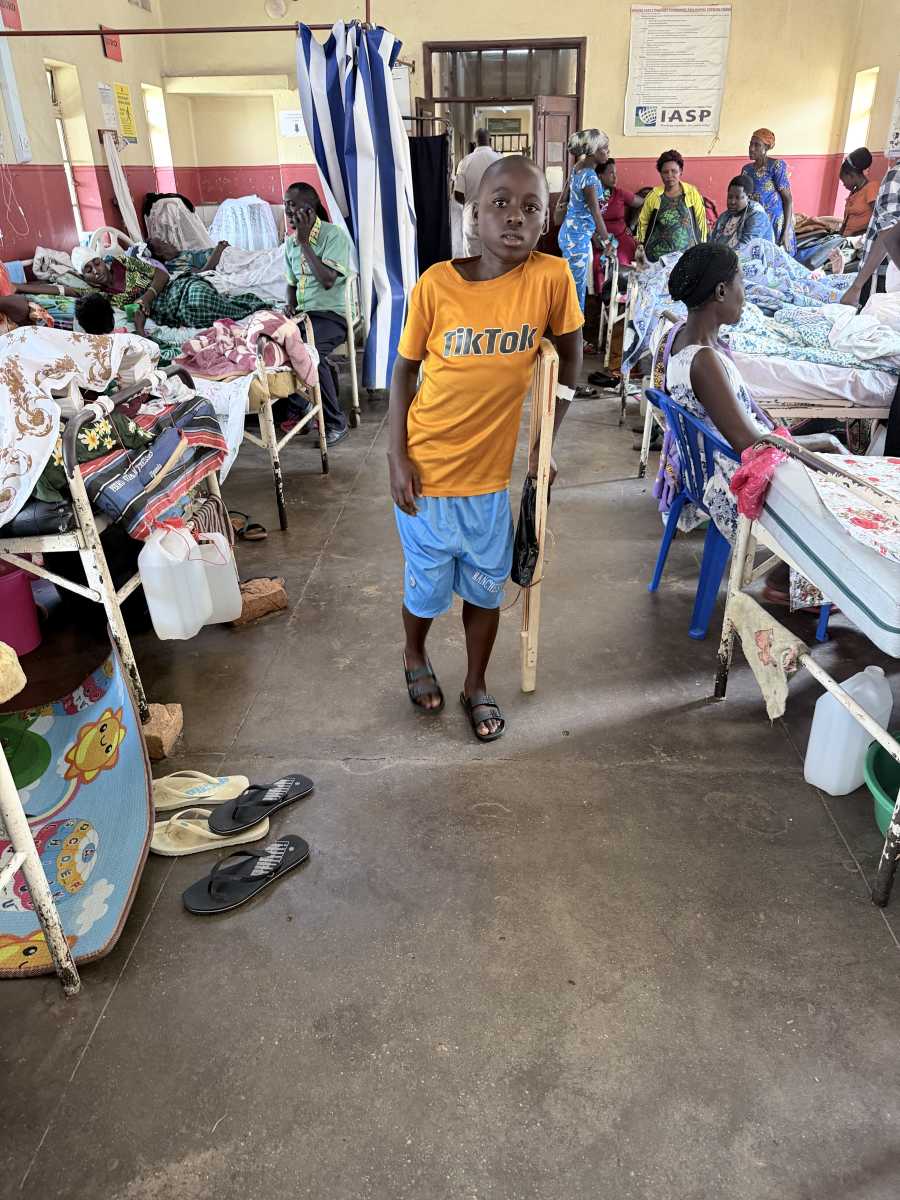


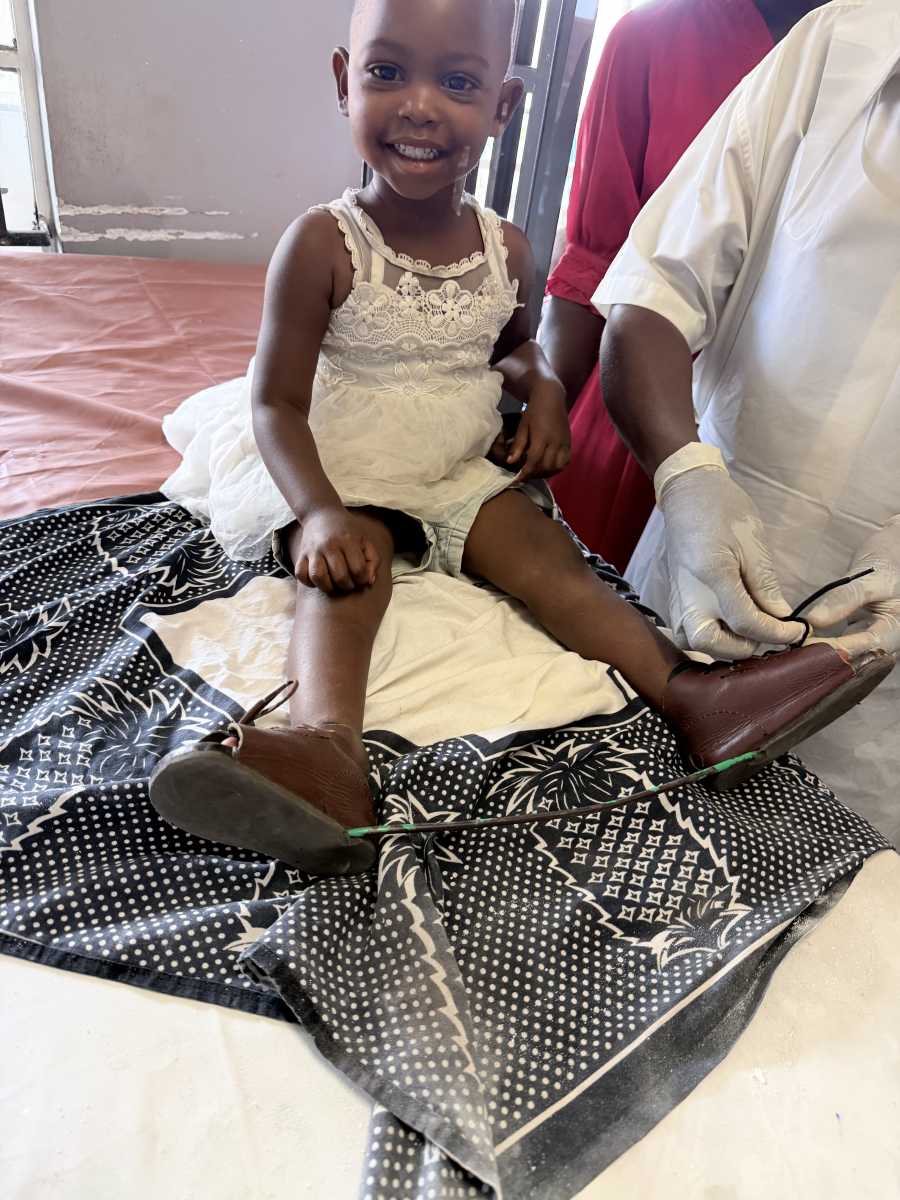
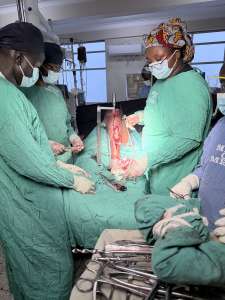


The true impact of this trip belongs to the people of Mbarara, the patients who face immense conditions with a profound capacity for joy, and the local clinicians who care for them with an inspiring, resourceful brilliance. My time was dedicated to supporting the frontline providers who bear the brunt of the region's heavy trauma volume: Along side the single orthopedic surgeon, the orthopedic officers, medical students and general surgery residents who, out of necessity, must serve as the primary orthopedic responders in rural Uganda. By working alongside them in the emergency department, clinics, and operating theater, we exchanged vital expertise, I shared Western clinical protocols for adult and pediatric acute open fractures, infection and deformity correction, while they taught me invaluable lessons in decisive surgical instinct and achieving life-saving outcomes with the resources available. The impact also extends to the future patients of Uganda’s Western Corridor, as we successfully laid the groundwork for a long-term research initiative to standardize and elevate open fracture care. It was a singular privilege to be invited into their space, not to act as a spectator, but to stand as a true partner to these resilient patients and dedicated local leaders, and I am already looking forward to returning to continue the vital work we’ve started together.