
I plan to travel to Rwanda for one week with my gynecologic oncology mentor (Dr. Beffa) and additional gynecologic oncology faculty to support the early implementation phase of the Huntsman Cancer Institute–Rwandan Cervical Cancer Prevention Coalition initiative. This visit represents a continuation of my prior involvement in the development of this project in 2025, rather than a one-time global health experience, and reflects my ongoing commitment to sustainable cervical cancer prevention efforts.
The initiative focuses on expanding scalable “see-and-treat” cervical cancer screening programs across multiple public health centers through structured training, equipment support, and longitudinal supervision. During this visit, I will participate in stakeholder meetings with local clinicians and health system leaders to assess progress, identify implementation barriers, and refine strategies for sustainable expansion. I will also work alongside nurses and community health workers during a focused week of visual inspection with acetic acid (VIA) training to support skill development and program standardization.
This work will make a difference by strengthening local capacity for early detection and treatment of precancerous cervical lesions in a high-burden setting. By contributing to training initiatives and troubleshooting during the critical early stages of rollout, the visit supports the development of durable screening infrastructure that can expand independently over time. Rather than short-term service delivery, this effort advances a systems-level approach designed to improve screening access, reduce late-stage cervical cancer diagnoses, and create sustainable, locally-led prevention programs. As a resident trainee, participation also equips me with implementation-focused global oncology experience that will inform my long-term commitment to cervical cancer prevention and health equity.
This project will benefit women in Rwanda who are at risk for cervical cancer, particularly those receiving care within public health centers where access to routine screening and preventative services remains limited. Cervical cancer disproportionately affects women in low- and middle-income countries due to gaps in screening infrastructure, delayed diagnosis, and barriers to follow-up care. In Rwanda, many women continue to present with advanced-stage disease despite cervical cancer being largely preventable through vaccination, early detection, and treatment of precancerous lesions. Therefore, this population is prioritized because the burden of cervical cancer is high, yet effective and scalable prevention strategies exist.
In addition to patients, an important population served by our intervention is the Rwandan public healthcare workforce, primarily nurses, nurse-midwives, and community health workers who are leading cervical cancer screening efforts at the health center level. The coalition’s model emphasizes training frontline providers in VIA and thermoablation, allowing screening and treatment to occur in decentralized, resource-appropriate settings. Strengthening the skills and capacity of these providers has a broad and lasting impact, as it enables sustainable screening programs that continue independently and reach women who may not have access to specialized oncology services. Expanding cervical cancer screening programs also provides both educational and financial opportunities for local healthcare workers.
By investing in workforce training and infrastructure development rather than short-term clinical service, this initiative expands equitable access to early detection and reduces preventable morbidity and mortality among women in a high-burden setting.
The expected impact of this trip is the advancement of our newly launched initiative to expand sustainable cervical cancer screening infrastructure, which is currently in an early stage of implementation. By participating in stakeholder meetings, program evaluation discussions, and VIA training sessions, I will contribute to strengthening local capacity for early detection and treatment of precancerous cervical lesions. Addressing implementation barriers and refining training processes during this critical phase will help ensure that screening programs remain functional, scalable, and locally led over time.
Through prior experience implementing an NIH R01 cohort study in Haiti, I have developed skills in identifying operational barriers, adapting protocols to resource constraints, and collaborating with local teams to maintain study integrity. This background in implementation-focused work positions me to contribute meaningfully to discussions around workflow optimization, training sustainability, and program troubleshooting during this visit.
Because this initiative follows a structured multi-year plan centered on workforce development and site expansion, its impact extends beyond a single trip. Strengthening training standardization, supervision strategies, and collaboration with community health workers will support durable improvements in screening access and follow-up across participating health centers.
The learnings from this experience will carry forward in many ways. As an OB/GYN resident pursuing a career in gynecologic oncology, exposure to implementation-focused global oncology work will deepen my understanding of cancer disparities, scalable screening models, and sustainable interventions. I plan to integrate these insights into future research and quality improvement efforts focused on cancer prevention and health equity. I will also share lessons learned with faculty and trainees at my home institution and via ongoing academic collaborations.
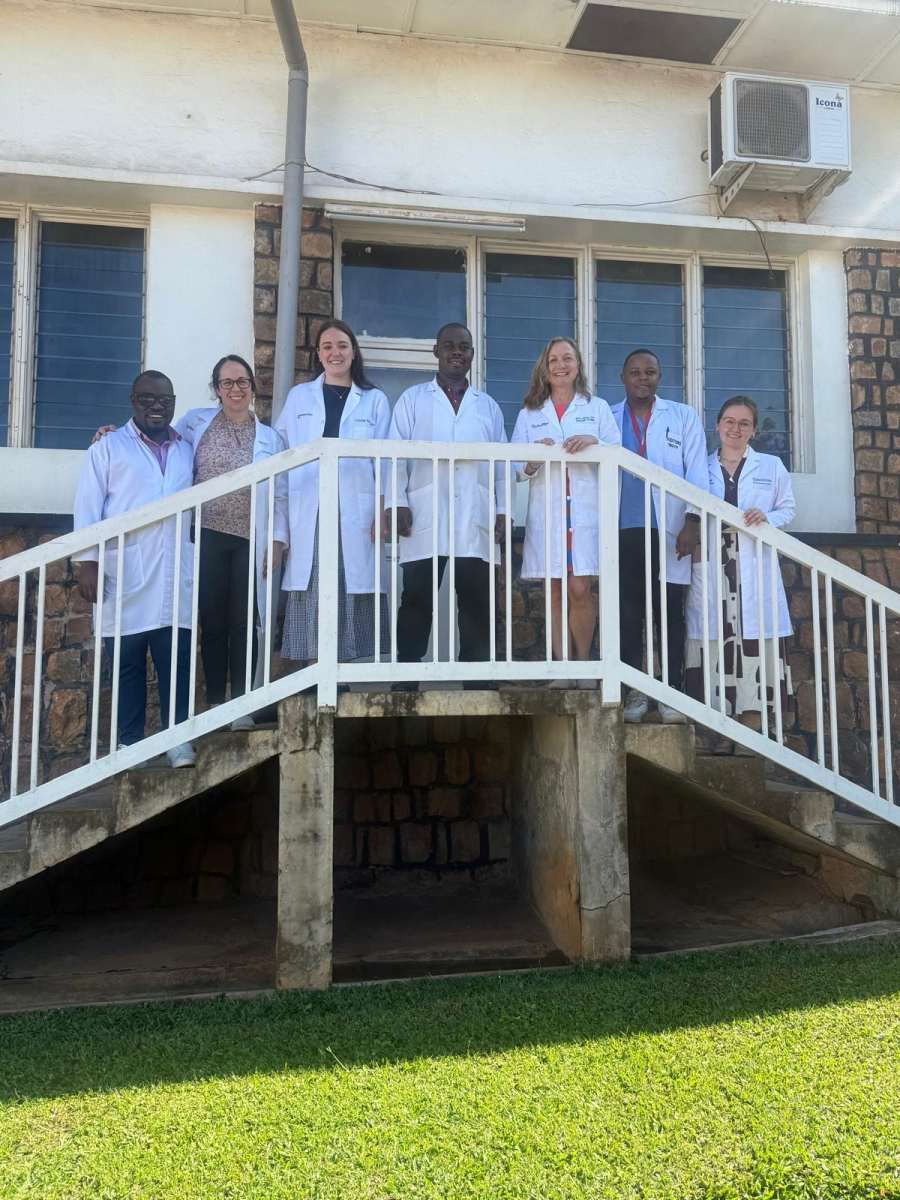
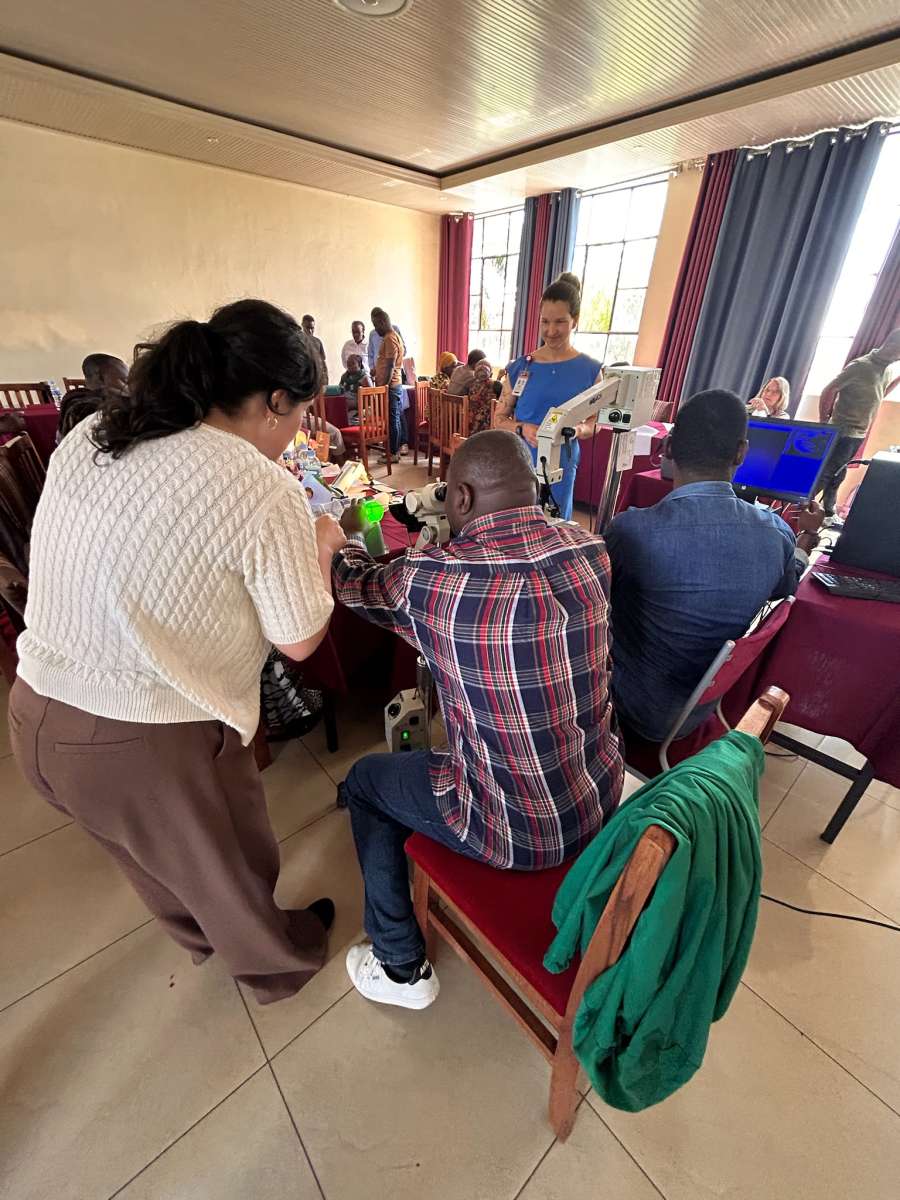

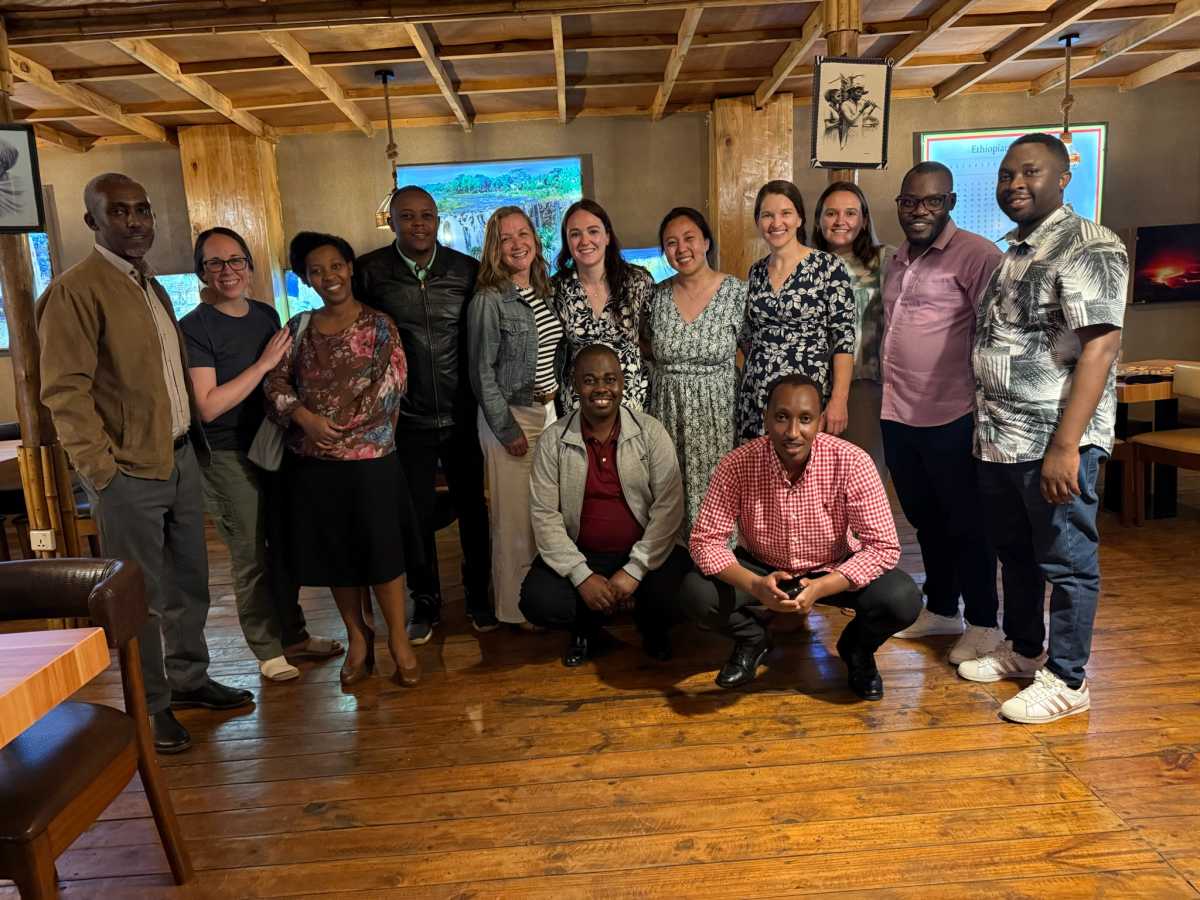

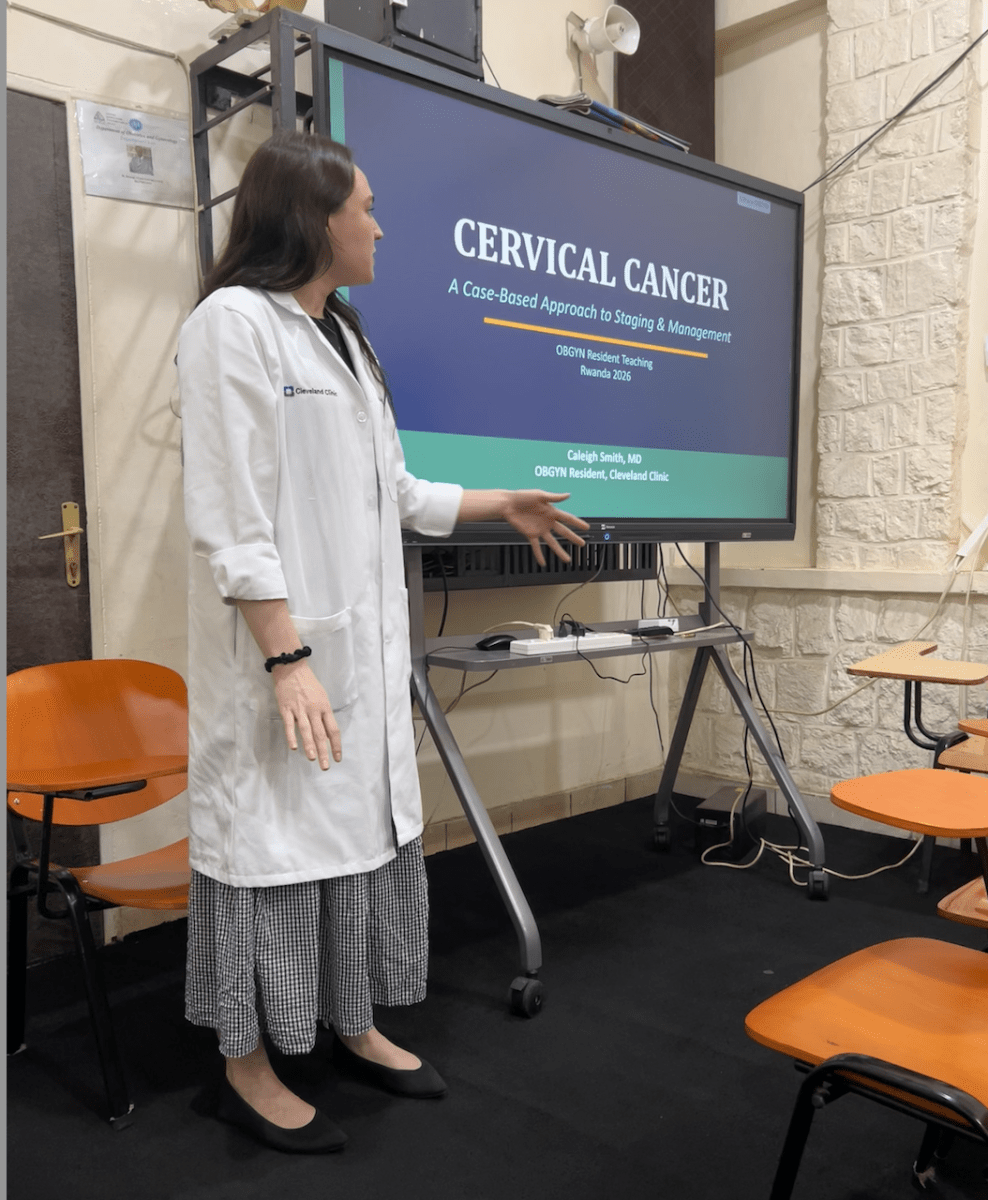
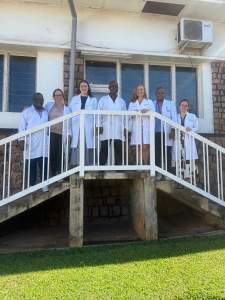
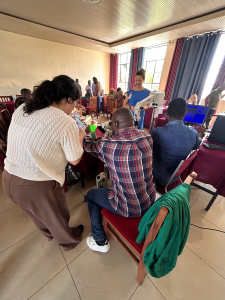
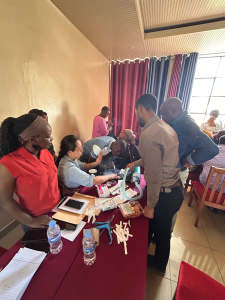
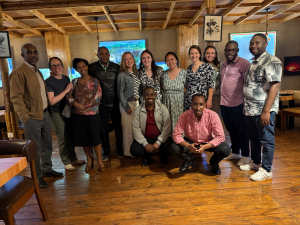

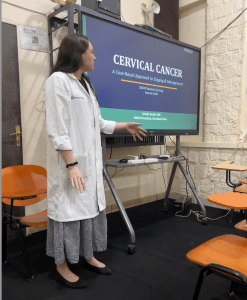
The people most directly impacted by this trip were the Rwandan healthcare providers and trainees working to expand cervical cancer prevention services across the country. During the week, I collaborated with gynecologists, general practitioners, nurses, nurse practitioners, midwives, and gynecologic oncology fellows participating in a longitudinal mentorship program focused on cervical cancer screening, colposcopy, and treatment of pre-invasive disease.
I helped develop educational materials and led two training sessions: an introduction to colposcopy and a session focused on patient counseling before colposcopy and LEEP. These sessions were designed to build provider confidence, standardize patient education, and strengthen the clinical skills needed to diagnose and treat pre-cancerous cervical lesions. To support skill retention and quality assurance, I also helped develop competency assessment and evaluation tools for colposcopy and LEEP training, providing a framework for ongoing mentorship and objective tracking of provider progress. Beyond the classroom, I worked alongside local faculty and trainees to discuss challenging cases, share clinical experiences, participate in journal club activities, and support ongoing academic projects, including abstracts intended for presentation at international conferences.
Equally important, the trip advanced a broader sustainability initiative aimed at ensuring cervical cancer screening services continue following the completion of various successful screening campaigns by the government. I contributed to efforts focused on provider mentorship, competency assessment, data tracking, and program evaluation—systems that help local teams monitor outcomes, identify gaps, demonstrate success, and secure future funding. These investments strengthen the healthcare workforce and improve the long-term quality and continuity of cervical cancer prevention services.
Ultimately, the women of Rwanda stand to benefit most. By supporting the training and mentorship of local providers and strengthening systems for ongoing screening and follow-up, this work helps expand access to early detection and treatment of cervical pre-cancer, reducing the likelihood that women will present with advanced cervical cancer in the future.