I will travel to Sarteneja, Belize to support and evaluate the Community Care Circle, a community-led diabetes and hypertension management program I co-developed in partnership with the Belize Ministry of Health and Wellness. This initiative trains local women as community health workers (CHWs) to provide home-based blood pressure and glucose monitoring, chronic disease education, and behavior coaching for adults living with type 2 diabetes.
During this visit, I will:
• Conduct follow-up clinical assessments for enrolled participants
• Support CHW mentorship and skills reinforcement
• Deliver structured education sessions on diabetes, hypertension, and medication management
• Review data collection systems and ensure quality control
• Meet with Ministry of Health partners regarding sustainability and expansion to two additional communities
Sarteneja is a rural coastal village with historically limited access to consistent primary care. While infrastructure has improved, accessing clinic-based care still requires significant time, transportation cost, and logistical coordination. By shifting elements of chronic disease monitoring into the community, this model reduces structural barriers while strengthening local capacity.
This trip is not a short-term medical mission, but part of an ongoing, longitudinal program designed for sustainability, community ownership, and measurable health outcomes.
The primary population served includes adults in Sarteneja living with type 2 diabetes and/or hypertension, many of whom are older adults with limited transportation access and fixed incomes. Belize has one of the highest burdens of type 2 diabetes in the Caribbean and Central America, and complications such as kidney disease, vision loss, stroke, and amputations remain common.
Sarteneja is geographically isolated, and although road access has improved, routine clinic visits often require a full day of travel and indirect financial burden. For individuals with mobility limitations, travel frequently requires accompaniment, compounding costs and missed work.
This program prioritizes patients who:
• Have difficulty attending regular clinic visits
• Demonstrate gaps in medication adherence
• Have limited access to ongoing diabetes education
• Desire additional support in self-management
Importantly, the program also serves the local women trained as CHWs. By investing in their training, leadership, and health literacy, the project strengthens community capacity and builds local ownership of chronic disease management.
Short-term impact includes improved blood pressure and glucose monitoring, increased medication adherence, and strengthened self-efficacy among participants. We are collecting longitudinal data on clinical markers and behavior change to evaluate effectiveness.
Equally important is systems-level impact. This visit will:
• Strengthen CHW competency and retention
• Refine program evaluation tools
• Support integration with Ministry of Health oversight
• Lay groundwork for expansion to two additional communities
For me professionally, this experience deepens my training in community-based public health implementation, health systems strengthening, and sustainable global health partnerships. I will disseminate findings through academic presentations and future publication, ensuring that lessons learned inform other rural NCD programs in low-resource settings.
This trip reinforces a long-term partnership rather than episodic care and advances a replicable, locally grounded model of chronic disease management.


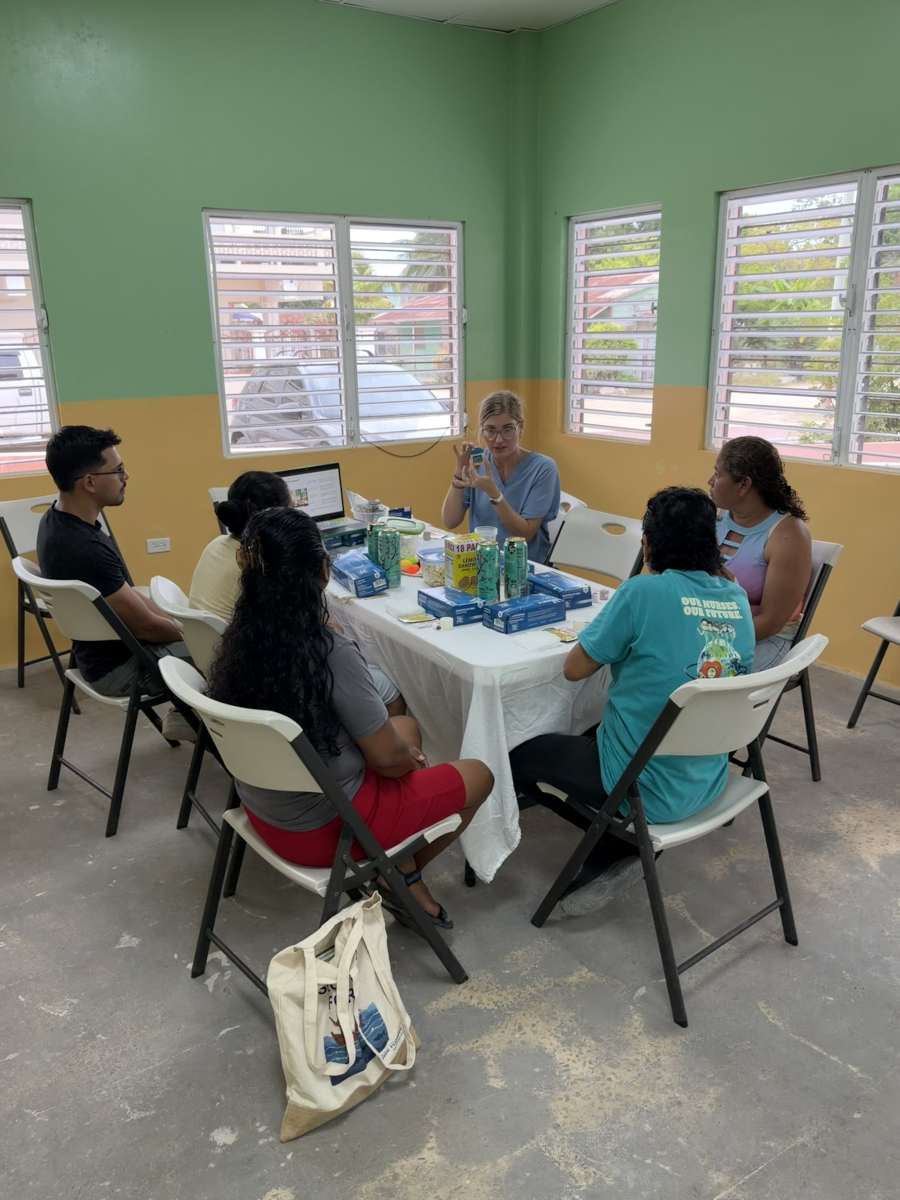






During this trip to northern Belize, our team continued implementation of a community-led diabetes and hypertension management program in partnership with local health authorities and community leaders. We trained and mentored community health volunteers in chronic disease monitoring, patient education, and referral pathways.
In addition to volunteer training, we conducted follow-up visits with enrolled patients, reviewed program data, and provided educational outreach focused on diabetes self-management, healthy nutrition, medication adherence, and prevention of complications. These activities supported ongoing patient engagement while reinforcing skills among the volunteer workforce.
We also met with leaders from neighboring communities interested in adopting the program. These discussions focused on program structure, volunteer recruitment, training needs, and sustainability planning as we prepare for expansion into additional rural communities.
The trip strengthened local capacity, advanced community ownership of chronic disease care, and laid the groundwork for future growth of the program throughout northern Belize.