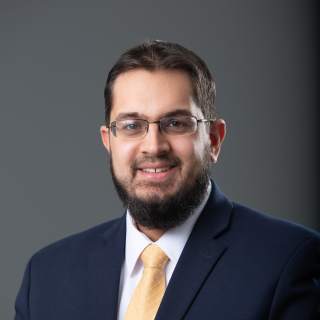
On this trip I will be participating in a Cerebral Palsy and Pediatric Orthopaedic Training Course and Annual Conference. This is ongoing work towards a growing collaboration between Dartmouth (my institution), the Pediatric Orthopaedic Society of Pakistan and the Indus Hospital Network (a charity non-profit hospital network serving the poor and indigent in Pakistan. The purpose of the trip is 3-fold: 1. Help train local surgeons in cerebral palsy surgeries (I am invited as a pediatric hand specialist for this); 2. Attend as faculty presenter at an annual pediatric orthopaedic conference in Pakistan to build further collaboration across institutions; and 3. Visit the Indus Hospital surgeons and staff in Karachi, Pakistan to help a hand surgery program within their network focused on children with congenital, traumatic, and neuromuscular conditions of the upper limb.
My trip is aimed to serve both physicians (surgeons) and patients through this capacity building trip aimed at educating local surgeons in Pakistan in elements of pediatric orthopaedics and pediatric hand surgery. There will also be local patients selected and treated for cerebral palsy surgery as part of the arranged course, and long-term, we aim to help improve the local care and treatment of children in the region with pediatric orthopaedic and hand conditions.
The ultimate goal of our trip is to continue to setup collaboration and partnership across our institutions (between the US and Pakistan) for long-term development of pediatric orthopaedics and hand surgery in Pakistan. In the short-term we hope the knowledge shared and skills taught in this trip to local surgeons will immediately improve care of their patients. In the medium-term, we hope to establish a partnership for return trips treating patients together and collaborating on clinical and research programs. In the long-term, we are exploring pathways to build a hand center in the region with bi-directional training and support of surgeons.









Global Orthopaedic Collaboration in Pakistan: A Week of Clinical Care, Education, and Partnership
My recent trip to Pakistan—centered in Karachi—was an incredibly meaningful experience that blended clinical care, surgical education, and international collaboration in pediatric orthopaedics. Over the course of several days, I had the opportunity to engage in hospital-based care, contribute to a cerebral palsy course, and participate as invited faculty at the annual meeting of the Pediatric Orthopaedic Society of Pakistan.
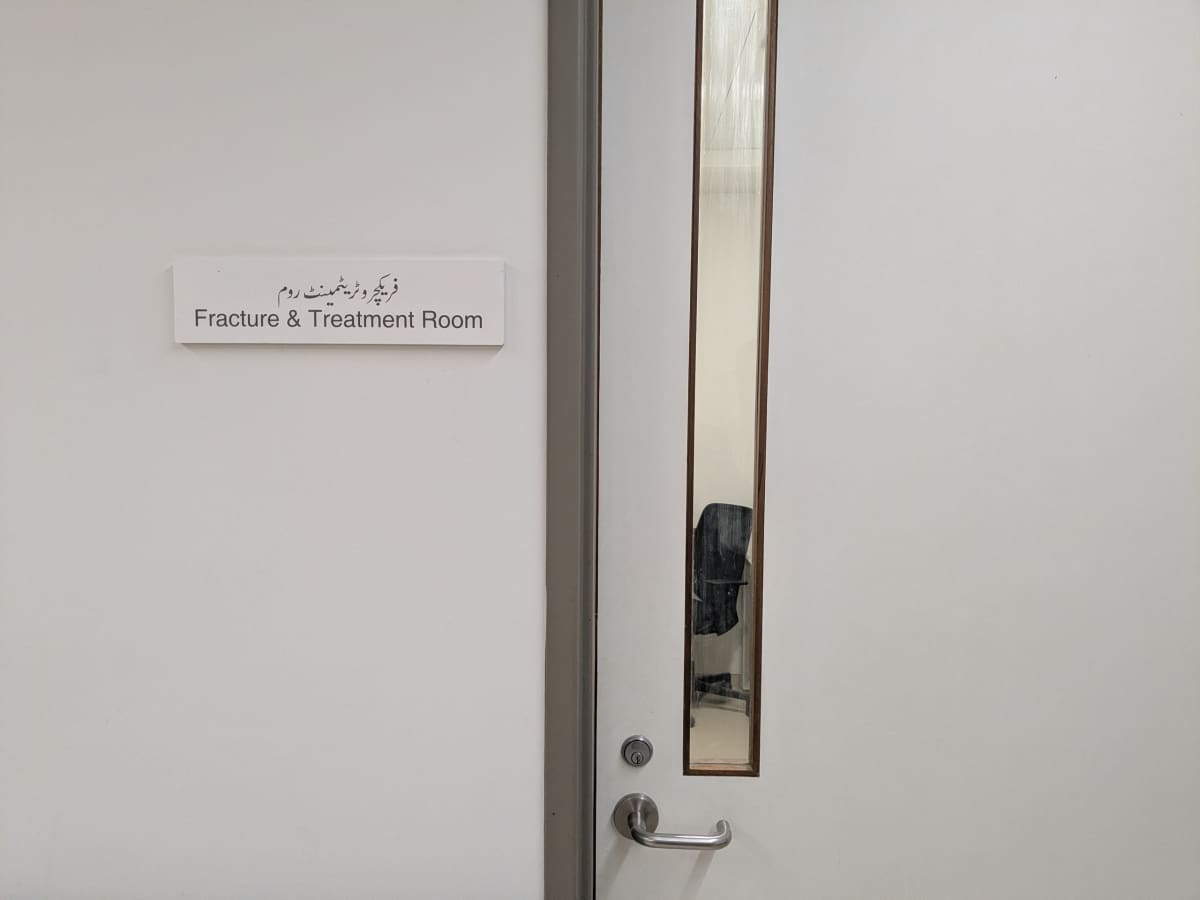
Clinical Immersion at Indus Hospital
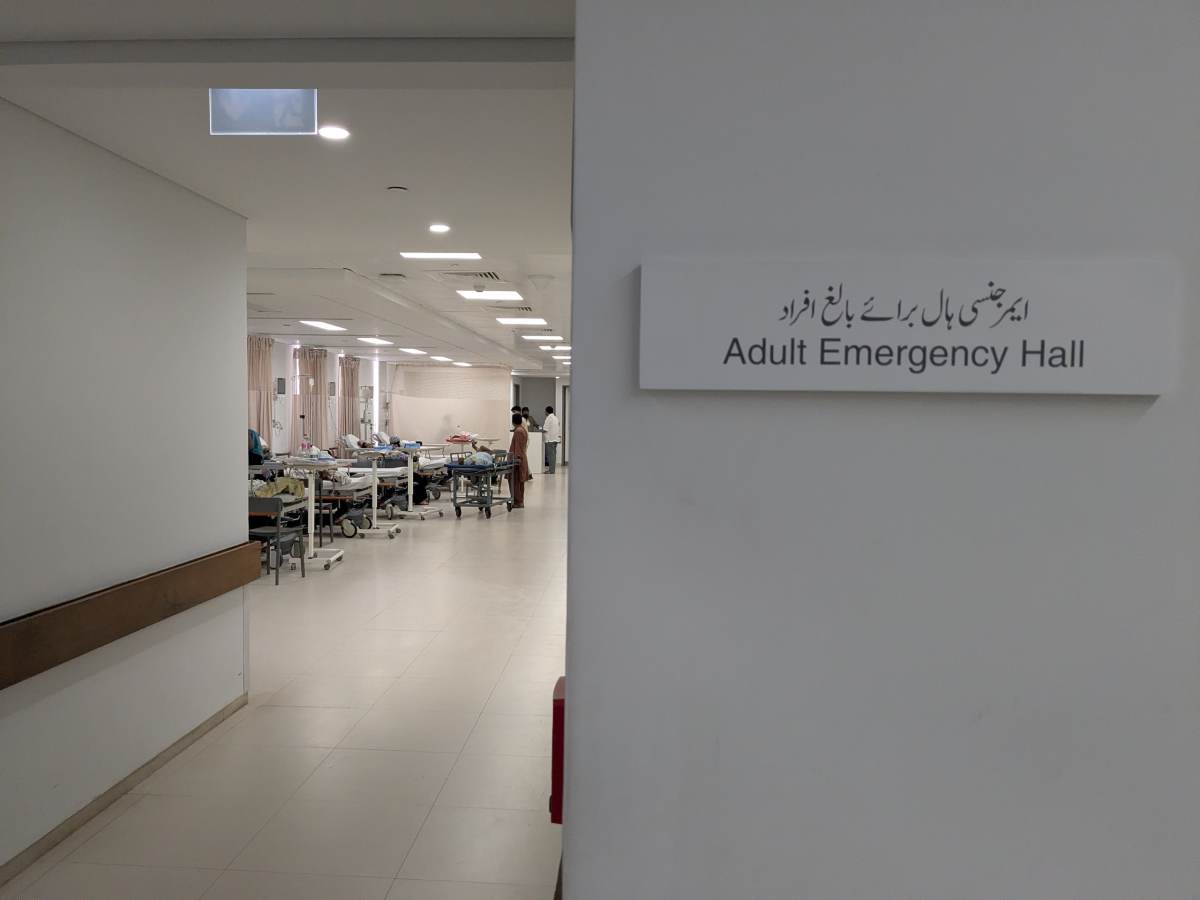
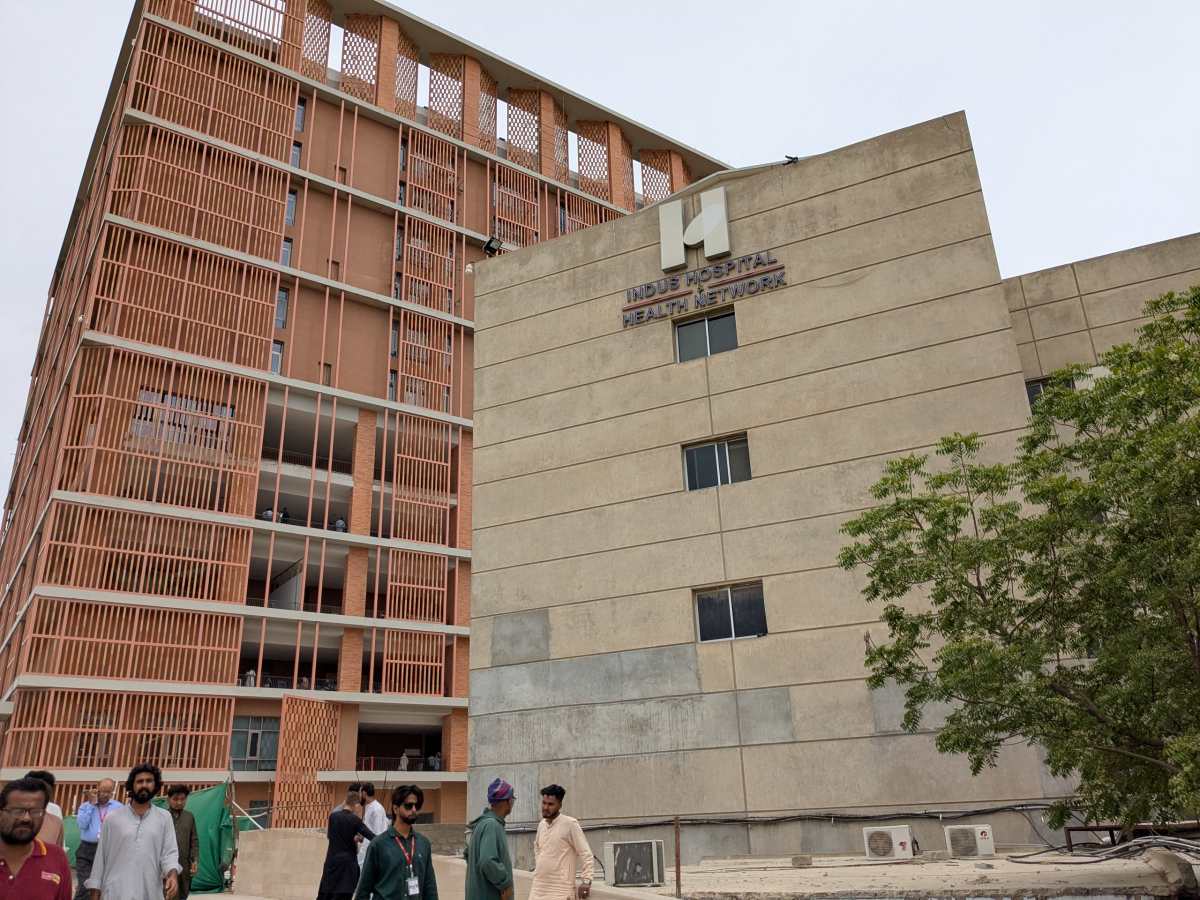
Shortly after arriving, I began work at Indus Hospital & Health Network, graciously hosted by Dr. Ayesha Saeed. The hospital’s mission—providing high-quality care free of cost—was immediately evident in both its patient volume and the breadth of pathology encountered.
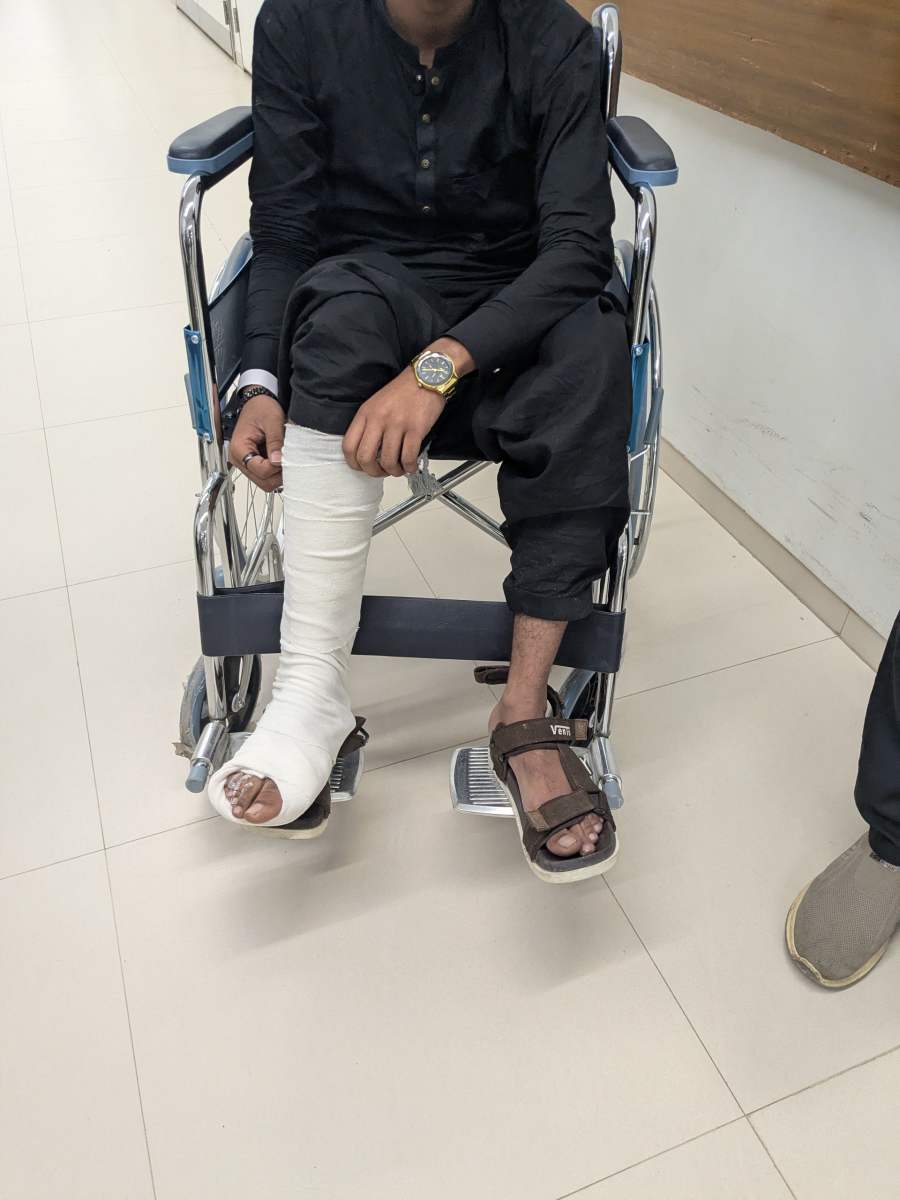
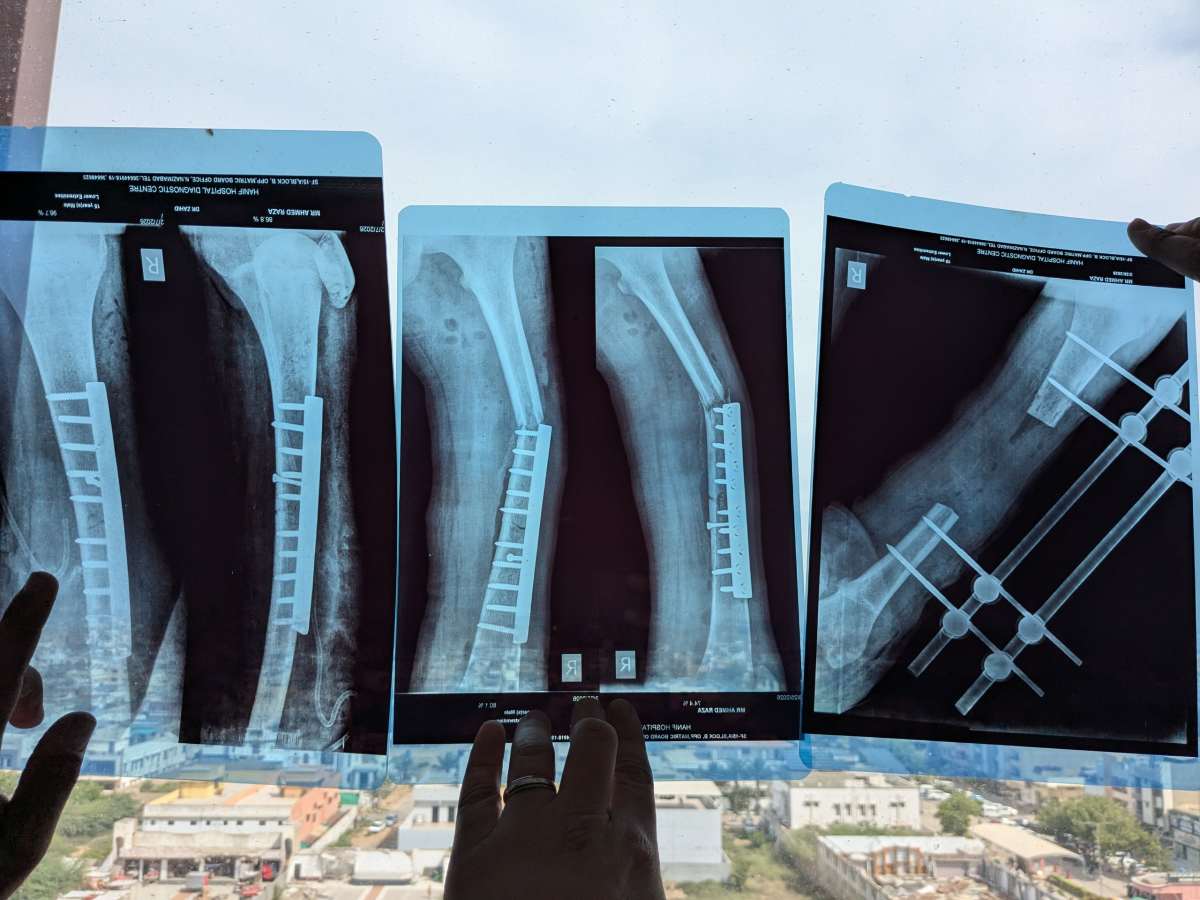
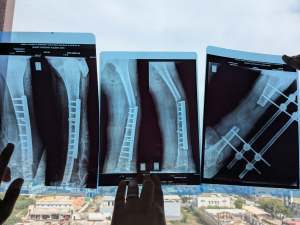
In clinic and on rounds, I worked alongside residents and fellows managing a wide range of conditions, from pediatric deformities to fractures, infections, and arthroplasty cases. The clinical discussions emphasized thoughtful, resource-conscious decision-making, highlighting both the challenges and ingenuity required in this setting.
I also had the opportunity to collaborate with Dr. Syed Kamran and Dr. M. Amin Chinoy, observing a diverse operative list that included congenital hand reconstruction, syndactyly release in Apert syndrome, and adult hand trauma. These cases reflected both the technical expertise of the surgical teams and the complexity of conditions treated.
A particularly rewarding component was leading a research workshop with residents, focusing on how to develop meaningful and feasible research questions. Reviewing their ongoing projects underscored a growing commitment to academic orthopaedics and the potential to generate impactful, locally relevant research.
Time in subspecialty clinics—including clubfoot and hand surgery—further reinforced the importance of longitudinal care and early intervention in improving outcomes for children.
Cerebral Palsy Course: Shared Learning Across Borders
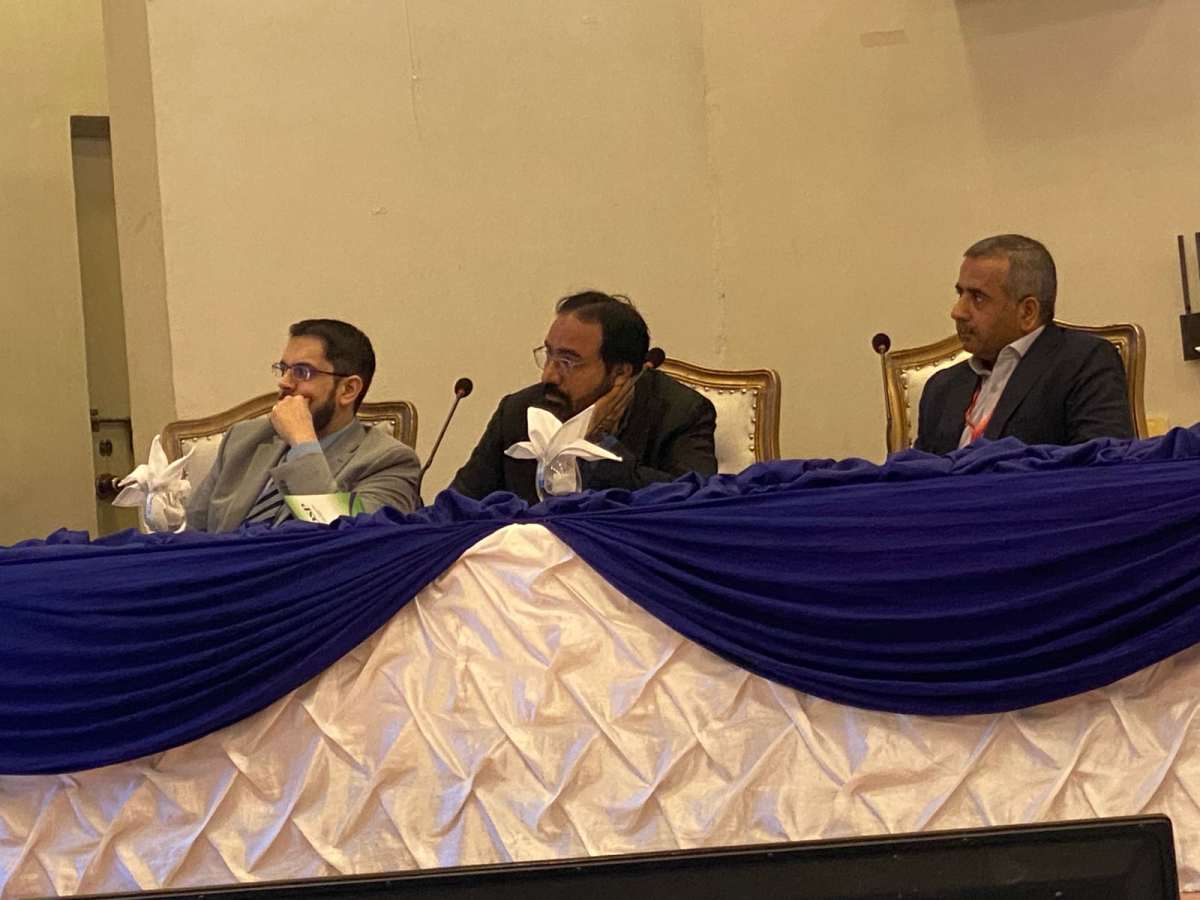
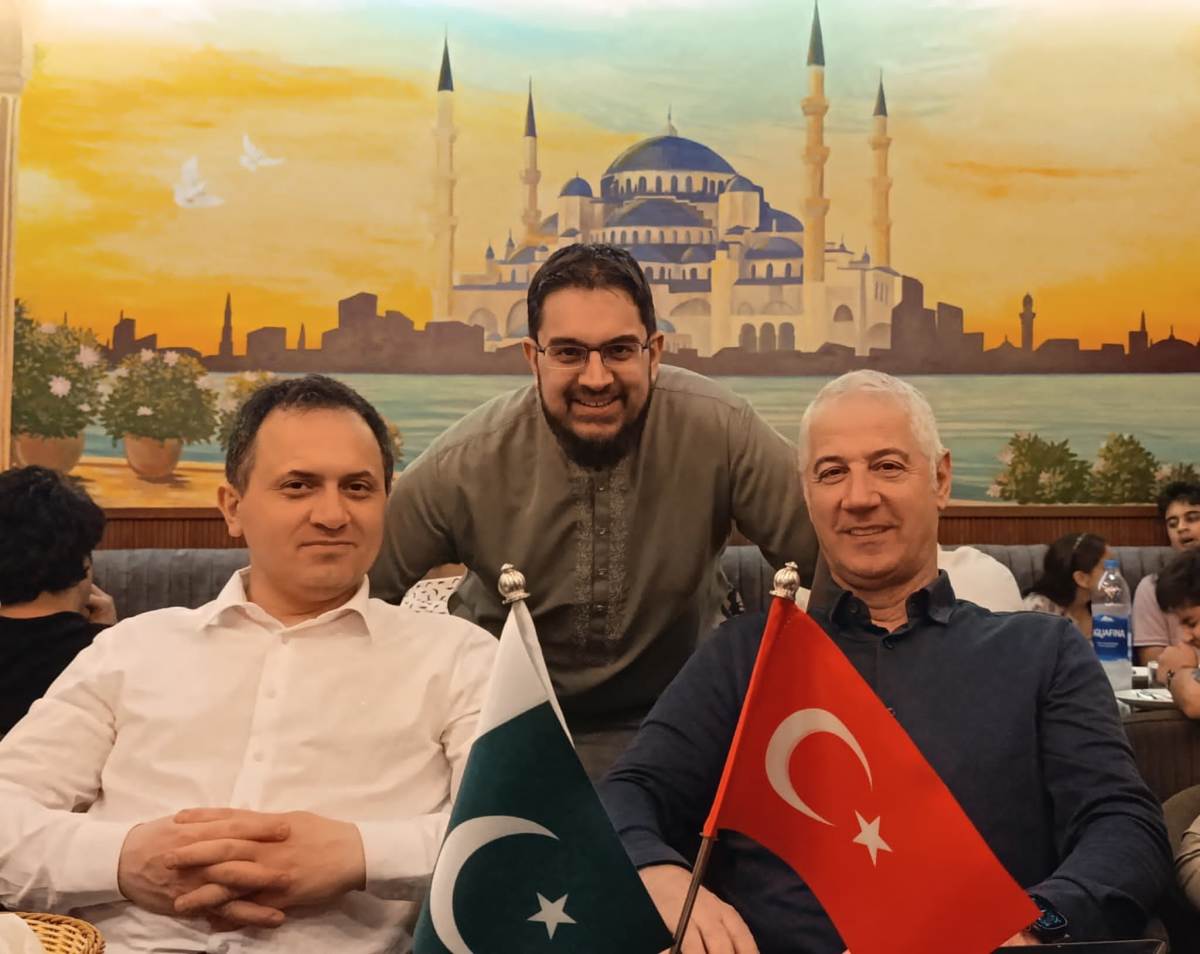
The next phase of the trip centered on a two-day cerebral palsy pre-course at Jinnah Postgraduate Medical Centre. This course brought together local surgeons and an international visiting team from Turkey, including Dr. Guney and Dr. Muharram Inam.
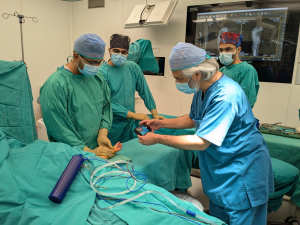
As invited faculty, I focused on upper extremity management in cerebral palsy, an area that remains under-emphasized despite its critical role in functional independence. The course began with a live surgical telecast, allowing for real-time discussion of operative decision-making and technique. This was followed by interactive lectures and case-based discussions that emphasized individualized care and multidisciplinary planning.
I also presented on surgical planning in the upper extremity, highlighting structured approaches to evaluation, timing, and intervention. Examining patients alongside course participants added a practical dimension, reinforcing the complexity of these cases and the importance of comprehensive assessment.
What stood out most was the collaborative spirit—surgeons from different backgrounds engaging openly, sharing perspectives, and working toward common goals in improving care for children with cerebral palsy.
POSPCON 2026: Advancing Pediatric Orthopaedics in Pakistan
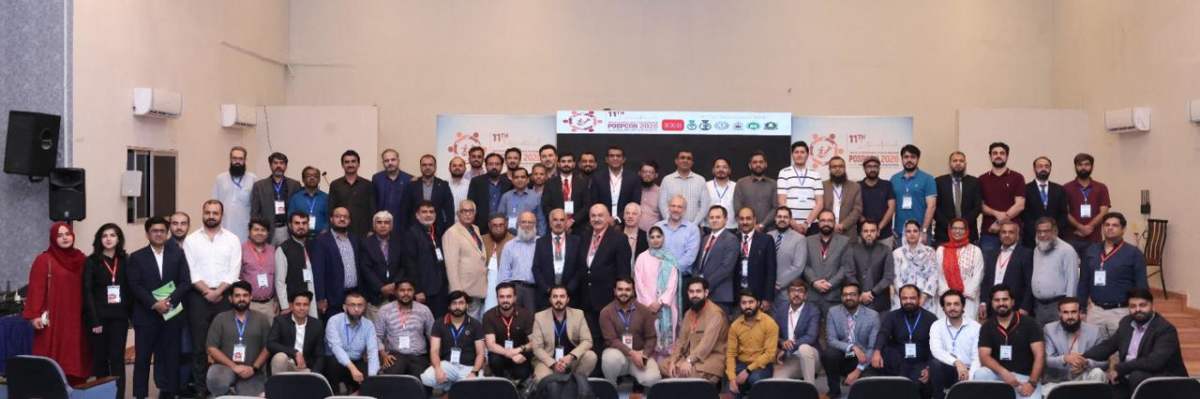
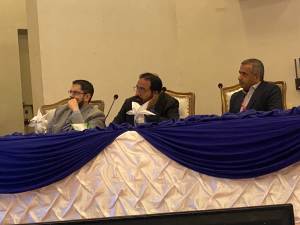
The final days were spent at POSPCON 2026, the annual meeting of the Pediatric Orthopaedic Society of Pakistan, held in Karachi and led by Dr. Aslam Menga, Dr. Pervez Ali, and Dr. Anisuddin Bhatti.
The meeting featured high-quality presentations from both Pakistani and international faculty, along with impressive research contributions from orthopaedic residents. Case discussions were thoughtful and practical, often reflecting the realities of care delivery in diverse and resource-variable settings.
Equally impactful were the conversations outside the formal sessions. Meetings with pediatric orthopaedic and hand surgeons from across the country focused on building collaborations and improving access to care. There was clear momentum toward expanding training, strengthening networks, and addressing disparities in pediatric musculoskeletal care.
While challenges remain, the sense of optimism and commitment was unmistakable.
Reflections
This trip highlighted the power of global collaboration in orthopaedics—not as a one-directional exchange, but as a mutual learning experience. The dedication of clinicians in Pakistan, their adaptability in the face of resource constraints, and their commitment to education and patient care were deeply inspiring.
Equally memorable was the warmth and generosity of the hosts, whose hospitality made the experience not only professionally enriching but personally meaningful.
Experiences like this reinforce that advancing pediatric orthopaedic care globally depends not only on technical expertise, but on partnership, education, and shared purpose.